Artwork
farfurie
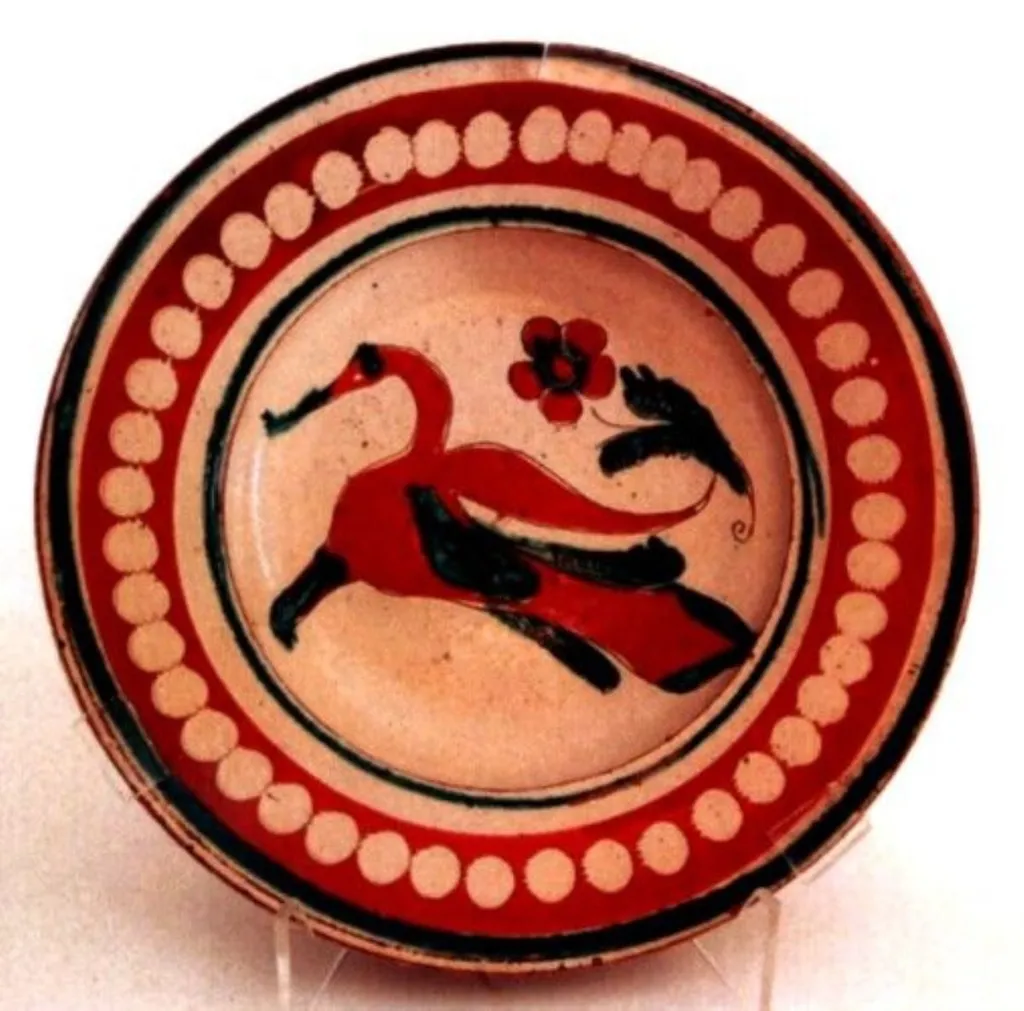
farfurie is a print by the Romanticist artist Unknown. It dates from 1841 and is held in the collection of the National Museum of Art of Romania. This circular ceramic plate features a minimalist design centered on a single bird perched on a branch bearing red berries.
About this work
Overview
This circular ceramic plate features a minimalist design centered on a single bird perched on a branch bearing red berries. Rendered in flat red and black pigments, the composition avoids shading or texture, emphasizing outline and form. A decorative border of alternating small circles frames the scene, reinforcing its rhythmic, pattern-like quality rather than narrative depth.
Subject & Meaning
The bird, depicted with one wing gently extended, appears still and composed, suggesting quiet observation rather than movement. The berries may imply seasonal change or sustenance, but no explicit symbolism is evident. The absence of context or background directs focus to the solitary figure, evoking a sense of calm isolation rather than storytelling.
Technique & Style
The plate employs bold, unmodulated colors and clean, continuous lines, characteristic of decorative rather than illusionistic art. Forms are simplified, with no attempt at perspective or volume. The use of repetitive circular motifs in the border echoes traditional craft techniques, aligning the work with folk or utilitarian aesthetics rather than fine art conventions.
History & Provenance
The object’s origin is undocumented, but its form and decoration suggest it may derive from a regional ceramic tradition, possibly Eastern European or Balkan, where similar stylized animal motifs appear on household wares. No known artist or date is associated with it, and its function likely served domestic or ceremonial use rather than artistic display.
Context
While the visual language shares superficial traits with Romantic-era nature imagery—such as solitary birds and natural elements—it lacks emotional intensity or symbolic complexity typical of that movement. Instead, its restraint aligns more closely with folk art practices, where pattern and repetition held cultural or protective significance beyond individual expression.
Legacy
This plate contributes to a broader corpus of understated ceramic decoration that prioritizes rhythm and form over narrative. Though not widely recognized in art historical canon, it reflects enduring regional craft traditions that value simplicity and repetition, influencing later modernist interest in non-Western and vernacular design principles.
Artist & collection

 Domestic Scene
 Giacomo and Cardinal Marco, investing Andrea, Abbot of San Zeno, with his Benefice
 The Nymph of Fontainebleau
 Portrait of a Woman
 Madonna and Child with Saints in the Enclosed Garden
 Venus and Minerva
 Family Group of Four on Sofa
 Wall painting from Room H of the Villa of P. Fannius Synistor at Boscoreale
 farfurie
 farfurie
 farfurie
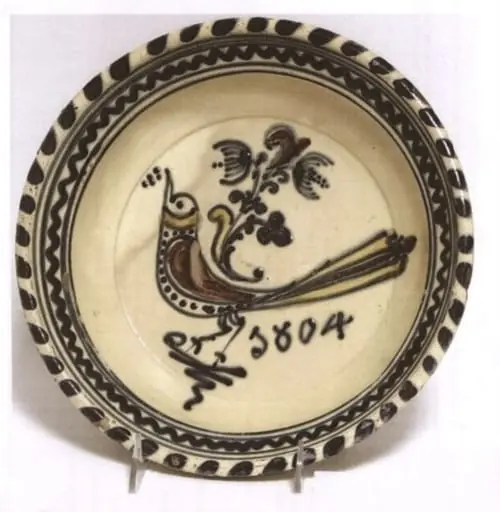
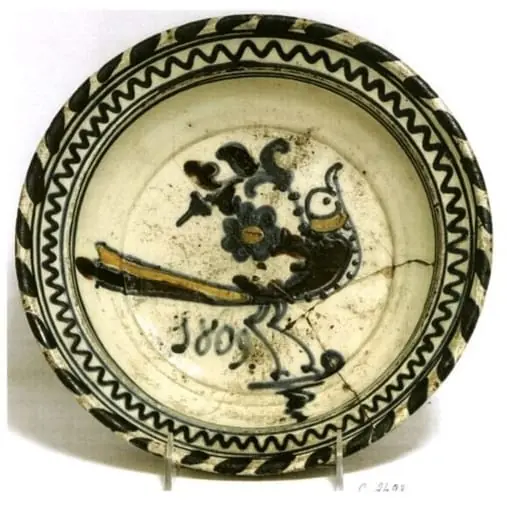
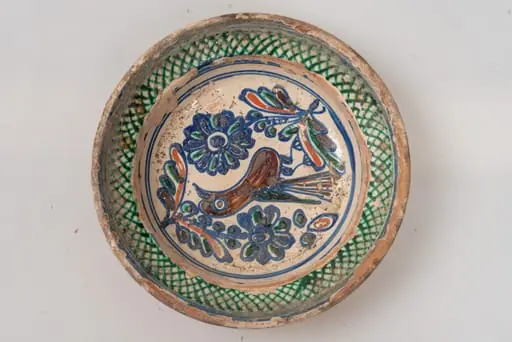 Farfurie semi-adâncă, cu fund larg și buză evazată cu muchia ușor ridicată. Piesa este angobată pe fața interioară cu un strat de humă albă peste care este pictat cu pensula și cu cornul decorul format din motive avimorfe, florale și vegetale stilizate: central pe fundul farfuriei, înscrisă într-un cerc albastru, este reprezentată o pasăre maro între două tulpini cu flori și frunze. Buza farfuriei este decorată în întregime cu linii hașurate intersectat de culoare verde. Suprafața ornamentată a farfuriei este acoperită cu un strat de smalț transparent. Cromatica: alb, albastru, verde, maro.
 farfurie
 farfurie
 blid
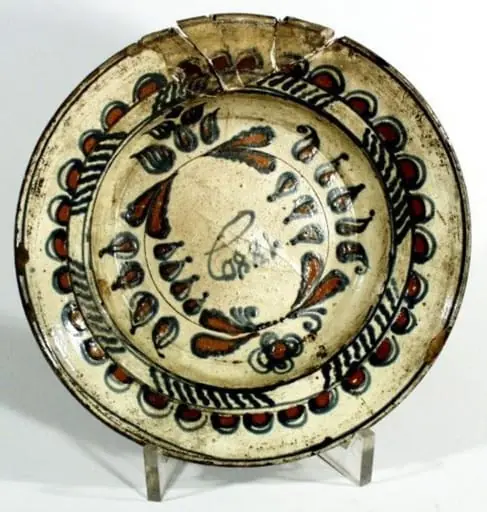
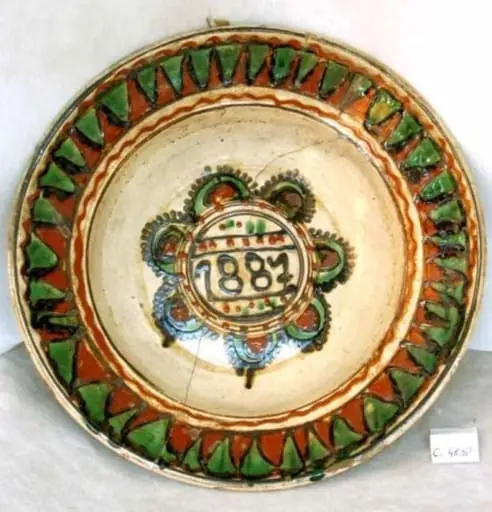
blid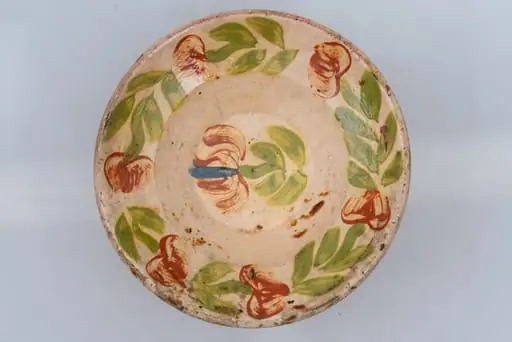 Farfurie adâncă, acoperită pe suprafața interioară cu un strat de angobă albă. Decorul este realizat prin pictare cu pensula și se compune din motive florale și fitomorfe: central pe fundul farfuriei este pictată o floare cu patru petale alungite de culoare maro deschis si o petală albastră și frunze verzi. Decorul de pe buza farfuriei se compune dintr-un șir de flori de culoare maro cu frunze verzi. Suprafața ornamentată a farfuriei este acoperită cu un strat de smalț transparent. Cromatica: alb, verde, albastru, maro-deschis.