Artwork
Femeia cu floarea de iasomie
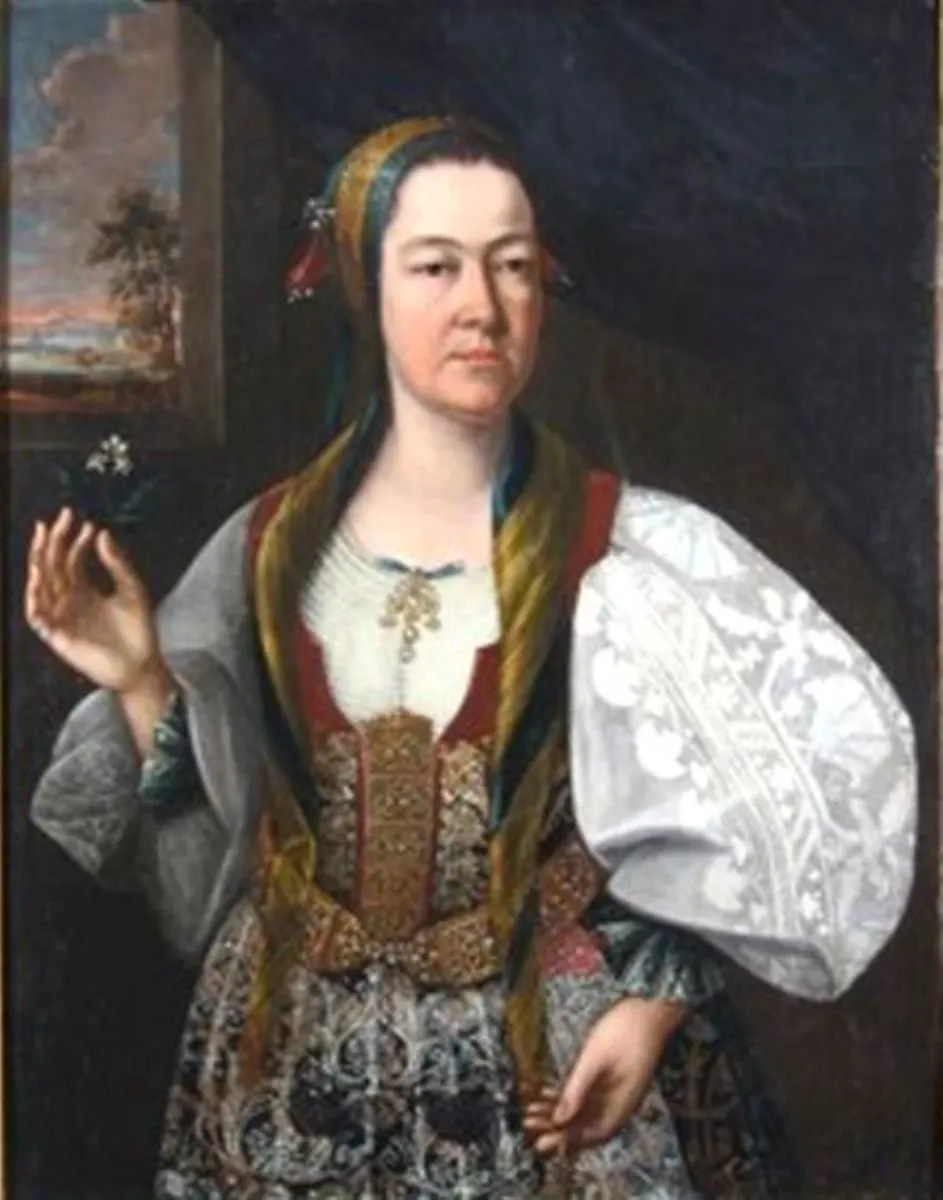
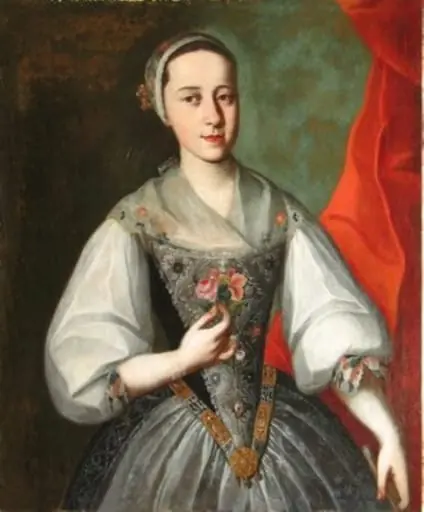
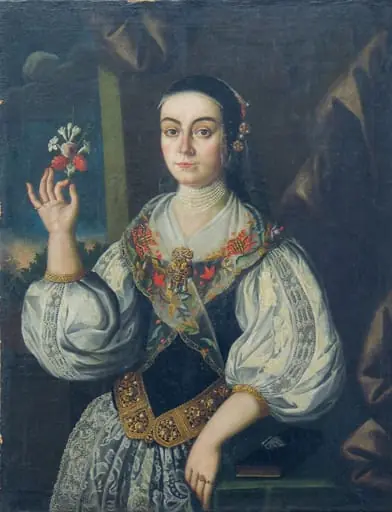
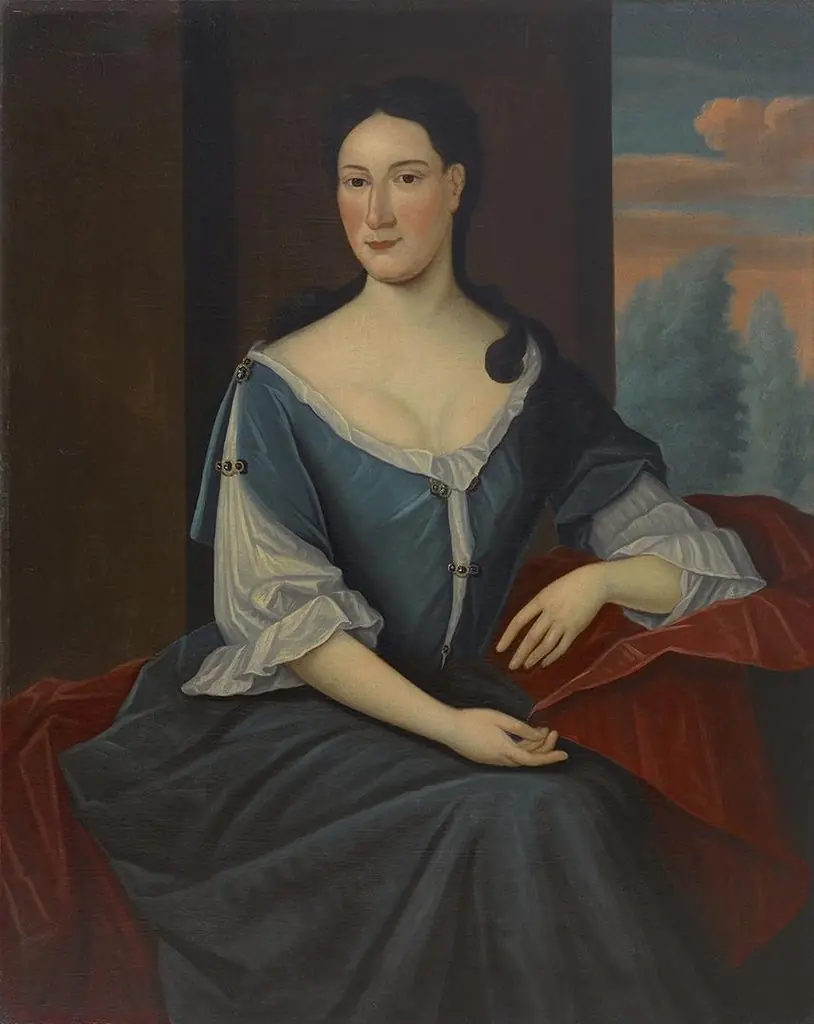
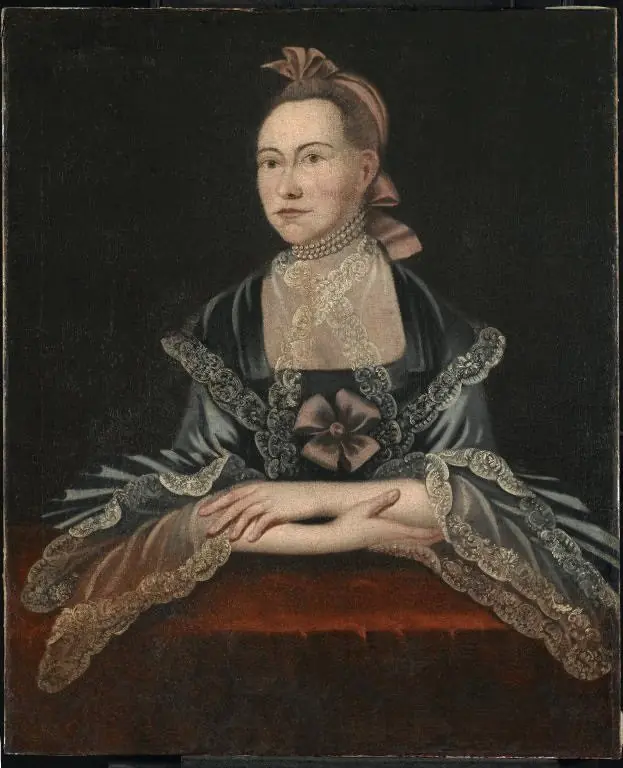
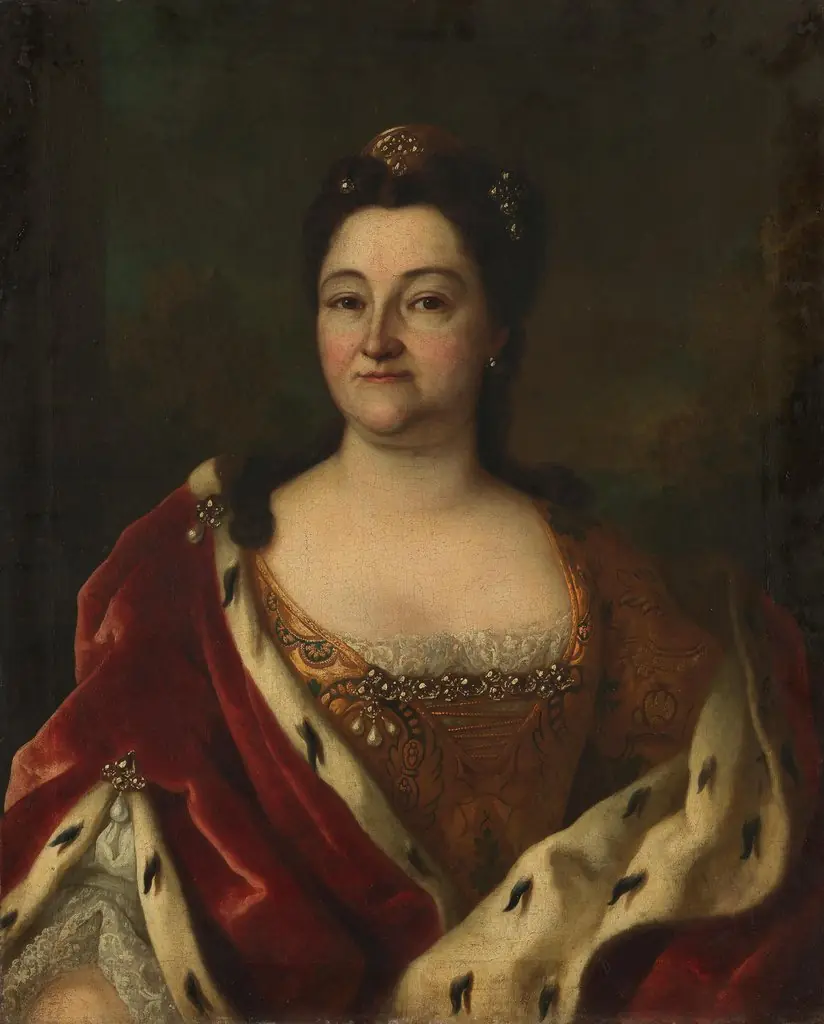
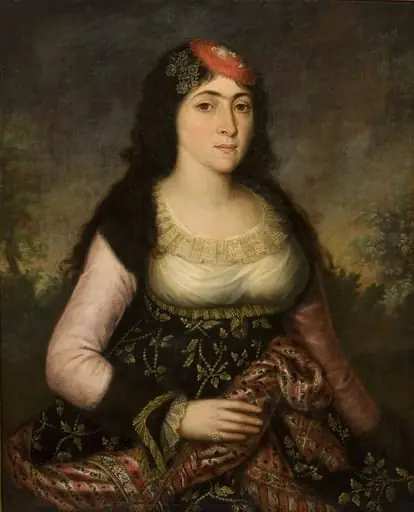
Femeia cu floarea de iasomie is an unspecified painting by the Baroque artist Unknown. It dates from 1725 and is held in the collection of the Brukenthal National Museum. This portrait depicts a woman in elaborate attire, rendered with meticulous detail and a subdued palette.
About this work
Overview
The richness of her garments and the intimacy of her gesture suggest a focus on personal dignity rather than public display.
This portrait depicts a woman in elaborate attire, rendered with meticulous detail and a subdued palette. Her pose is composed, one hand cradling a small flower, the other resting gently on her chest. The background is dark and indistinct, offering no clear setting, yet hinting at a distant landscape. The richness of her garments and the intimacy of her gesture suggest a focus on personal dignity rather than public display.
Subject & Meaning
The jasmine flower she holds may carry symbolic weight, often associated with purity, quiet beauty, or fleeting moments in cultural traditions. Her restrained expression and closed posture convey introspection rather than performance. The clothing, though ornate, does not overtly signal nobility; instead, it implies a private sense of refinement, possibly reflecting personal or regional customs of adornment.
Technique & Style
The painting employs layered brushwork to render fabric textures—lace, silk, and embroidery—with subtle tonal shifts. Light falls softly on the figure, creating depth without theatrical contrast. The dark background isolates the subject, emphasizing form and detail. The style aligns with late Baroque sensibilities, favoring texture and quiet drama over grand narrative, suggesting an intimate, domestic context.
History & Provenance
The work’s origin and early ownership remain undocumented. No known records link it to a specific artist, patron, or exhibition prior to modern cataloging. Its survival suggests it was privately held, possibly within a family collection, rather than displayed publicly. The absence of signatures or inscriptions leaves its creation date and location speculative, though stylistic cues point to 18th-century Eastern Europe.
Context
In the 18th century, portraiture in regions like the Balkans and Romania often blended local dress with broader European conventions. Wealthy non-noble families commissioned such images to affirm social standing through clothing and poise. The jasmine motif may reflect regional floral symbolism, while the restrained composition contrasts with the more flamboyant court portraits of Western Europe.
Legacy
This portrait contributes to a lesser-known strand of Baroque-influenced portraiture that prioritized personal presence over public spectacle. It offers insight into how regional identities were expressed through dress and gesture in the absence of formal aristocratic patronage. Its quiet intensity continues to inform contemporary studies of everyday visual culture in Eastern Europe during the early modern period.
Artist & collection

 Domestic Scene
 Giacomo and Cardinal Marco, investing Andrea, Abbot of San Zeno, with his Benefice
 The Nymph of Fontainebleau
 Portrait of a Woman
 Madonna and Child with Saints in the Enclosed Garden
 Venus and Minerva
 Family Group of Four on Sofa
 Wall painting from Room H of the Villa of P. Fannius Synistor at Boscoreale