Artwork
Portret de femeie
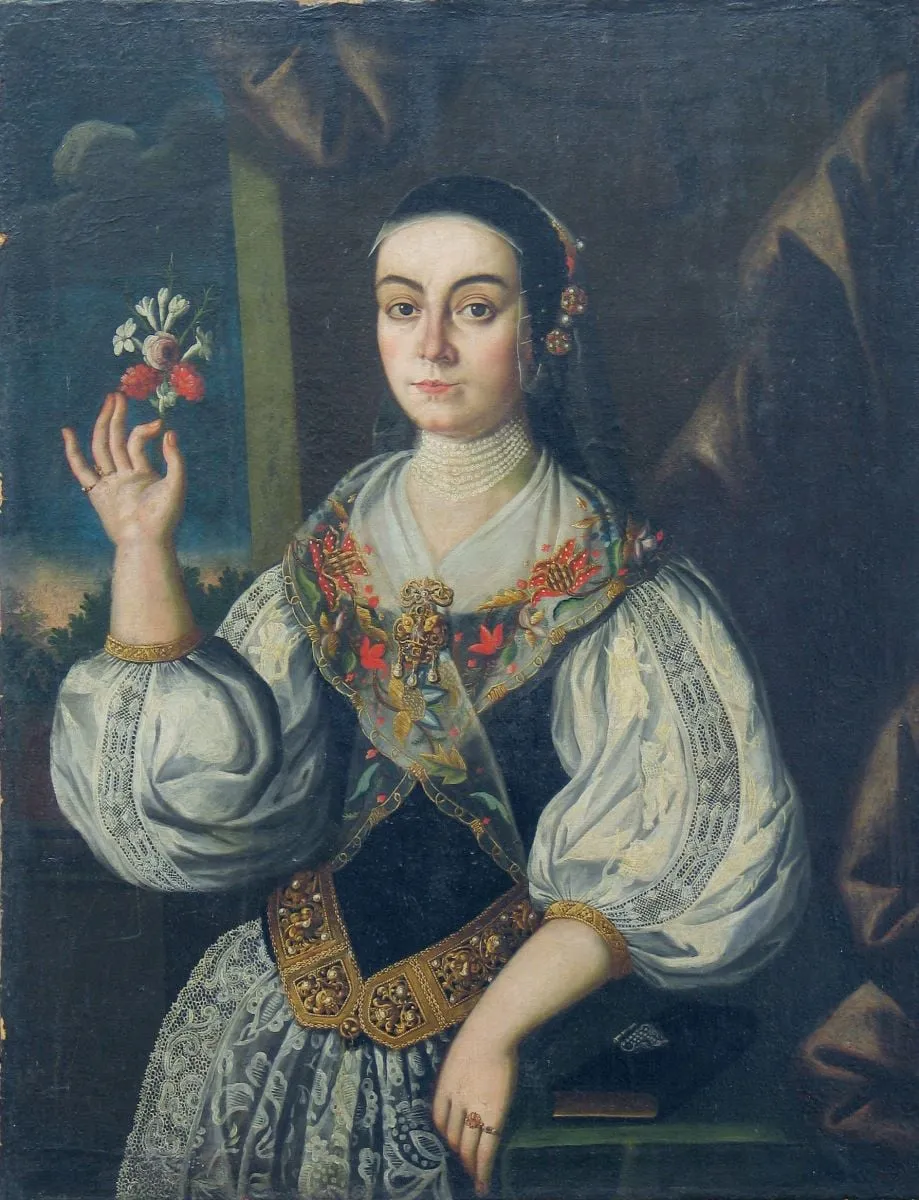
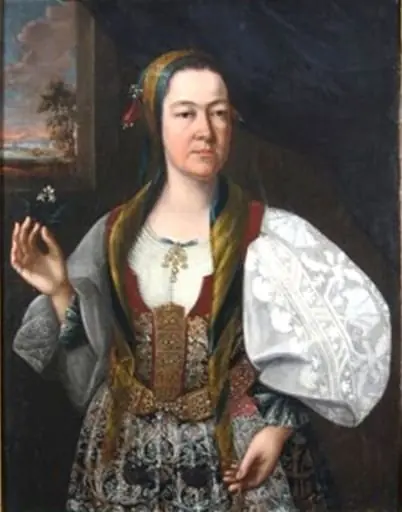
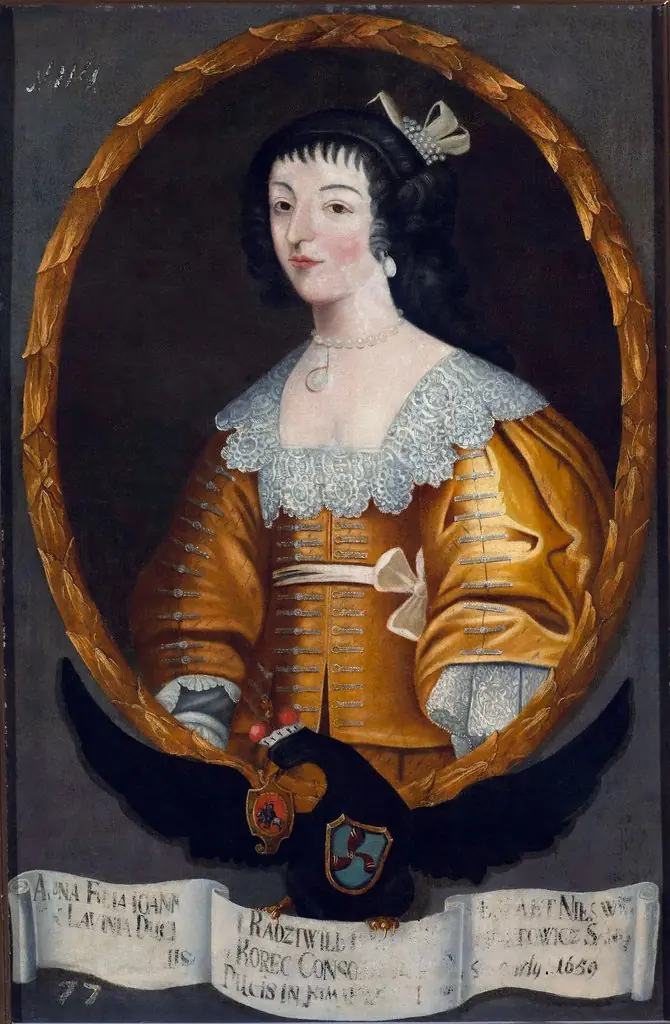
Portret de femeie is an unspecified painting by the Romanticist artist anonim. It dates from 1758 and is held in the collection of the Brașov Art Museum. Painted in 1758 by an unknown artist, this portrait depicts a woman seated in a quiet interior.
About this work
Overview
The work reflects 18th-century portraiture conventions, where status and composure were conveyed through dress and lighting rather than action.
Painted in 1758 by an unknown artist, this portrait depicts a woman seated in a quiet interior. The composition centers on her poised posture and refined attire, set against a deep, shadowed backdrop. Subtle lighting draws attention to her face and jewelry, emphasizing presence over narrative. The work reflects 18th-century portraiture conventions, where status and composure were conveyed through dress and lighting rather than action.
Subject & Meaning
The sitter, likely of modest aristocratic or affluent bourgeois standing, holds a small bouquet, a symbol often associated with delicacy or transient beauty. Her attire—light blue silk, lace trim, and ornate gold jewelry with red gemstones—signals wealth and taste. The stillness of her gaze and the absence of overt gesture suggest introspection, aligning with ideals of refined femininity in mid-18th-century society.
Technique & Style
The artist employs chiaroscuro to model the woman’s form, using strong contrasts between light and dark to define her features and fabric folds. The dark background isolates her figure, enhancing three-dimensionality. Details in the lace and jewelry are rendered with precision, while the distant landscape beyond the window remains softly blurred, reinforcing focus on the subject without distracting narrative elements.
History & Provenance
The painting’s origin remains undocumented, with no record of its commission, owner, or exhibition history prior to modern cataloging. Its anonymous attribution reflects a common practice in regional portraiture of the period, where artists often worked without public recognition. The work has survived intact, preserving its original frame and surface, suggesting careful stewardship over centuries.
Context
Created during the height of Rococo influence in Eastern Europe, the portrait aligns with trends favoring elegance and personal adornment. Similar works from the era often depicted women in domestic settings, using jewelry and textiles to communicate social standing. The dark background and focused lighting echo techniques used by Northern European painters, indicating possible stylistic exchange across regions.
Legacy
Though unsigned and unattributed, the portrait endures as a quiet example of 18th-century civilian portraiture. It contributes to understanding how non-noble individuals commissioned art to assert identity and status. Its preservation offers insight into material culture and aesthetic values of the time, serving as a reference for studies on regional artistic practices beyond major urban centers.
Artist & collection
Artist
She painted a woman’s face in 1758, then vanished from the record, leaving only that quiet stare.

 Portret de femeie
 Anna Maria von Huttern
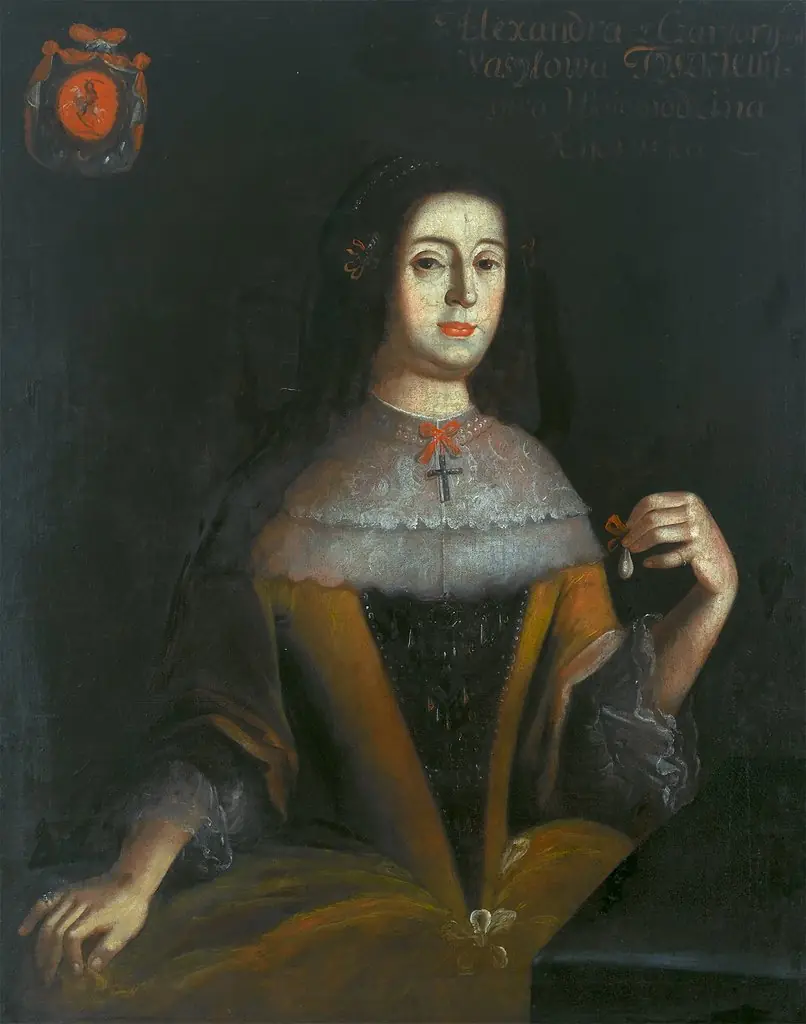 Portrait of Aleksandra Tyszkiewicz née Czartoryska (fl. ca. 1500), wife of the Kiev voivode
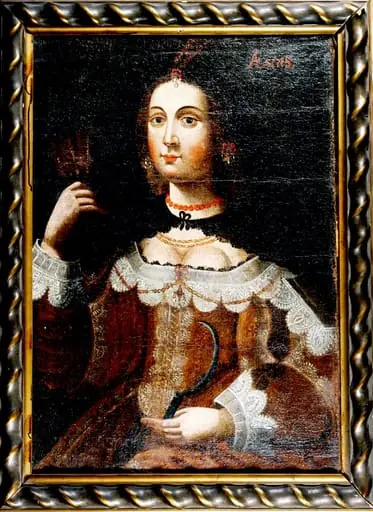 Portret de femeie
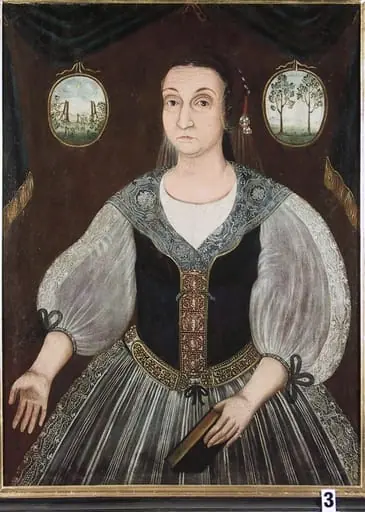 Susanna von Klausenburger născută Adami (În Registrul inventar: Susanna Klausenburger, născută Adamm).
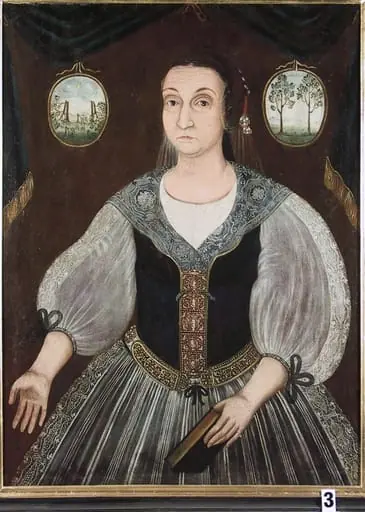 Susanna Klausenburger, născută Adammi
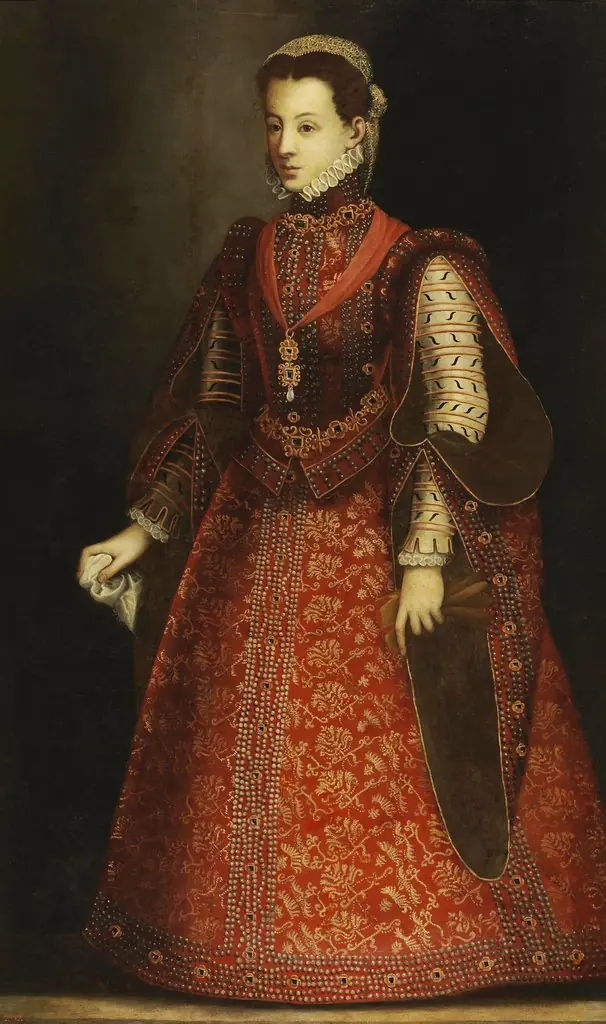 La emperatriz Isabel de Portugal mujer de Carlos V
 María Luisa Gabriela de Saboya primera esposa de Felipe V
 Femeia cu floarea de iasomie
 Mary Louise of Orleans, queen of Spain
 Portrait of an Adolescent Girl
 Portrait of Anna Sanguszko née Radziwiłł (?–1659)