Artwork
Fish
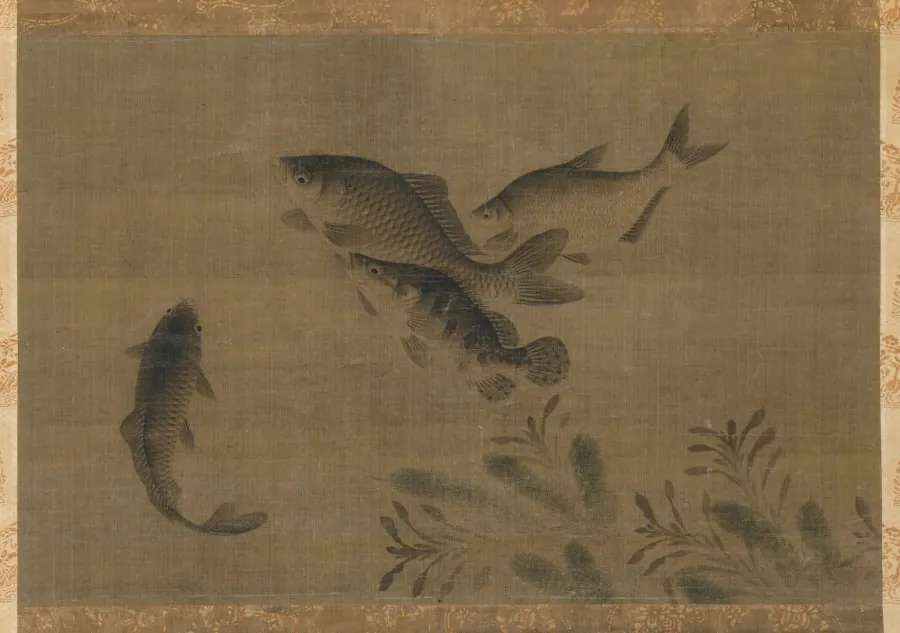
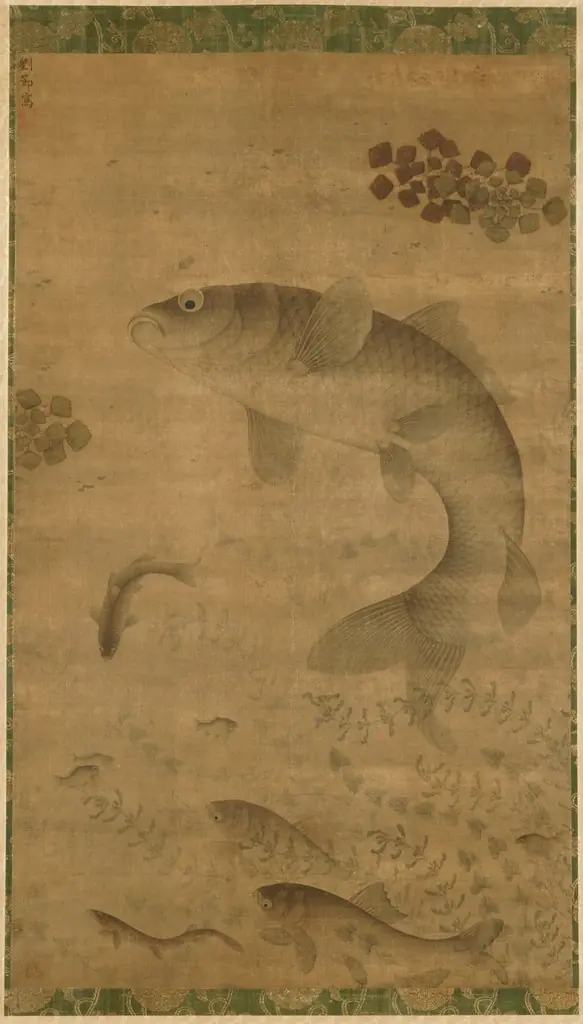
Fish is an unspecified painting by the Ming dynasty painting artist Unknown. It dates from 1400 and is held in the collection of the Cleveland Museum of Art.
About this work
To see how other Ming artists built space without lines, look up *subject: china, ming dynasty (1368–1644)*.
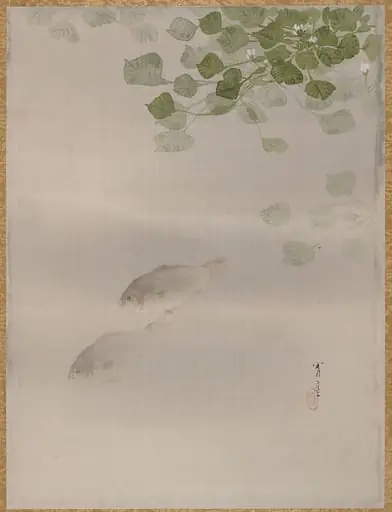
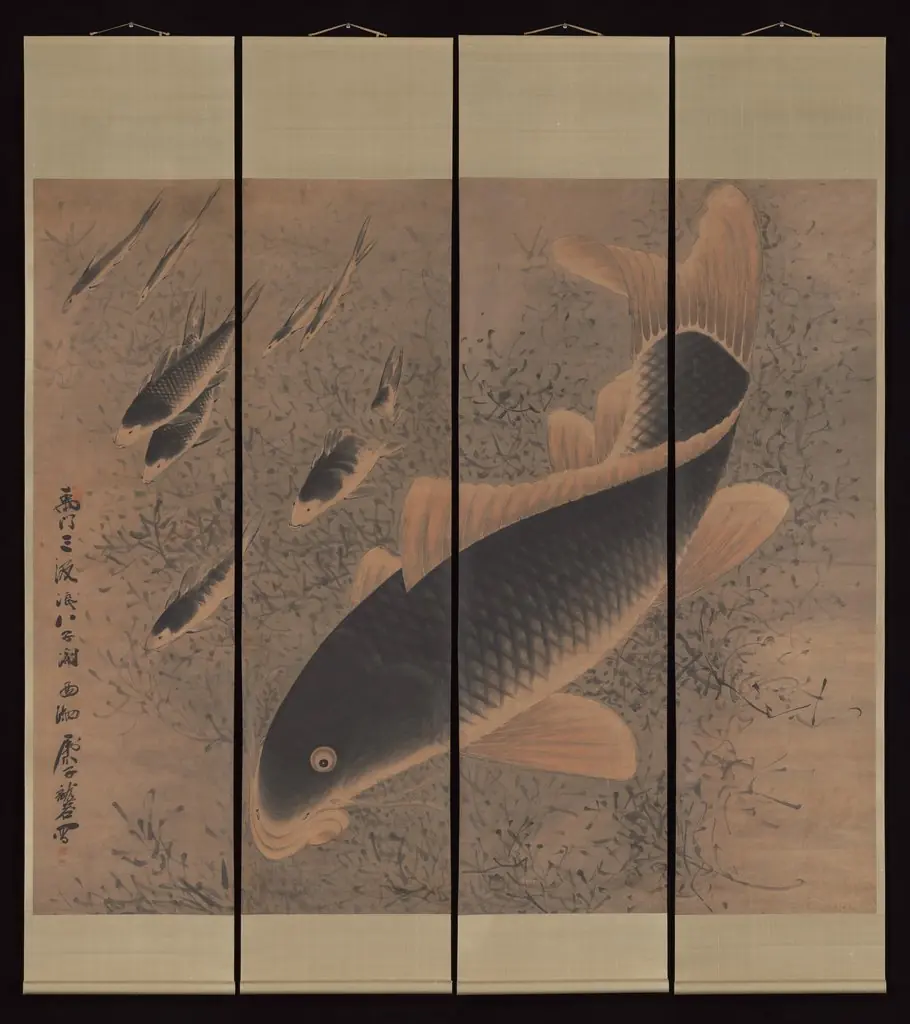
Four fish glide through water plants, their scales catching light.
The word for fish in Chinese sounds like "abundance," so these swimmers stand for good luck. The artist left out outlines—a method called "boneless" painting—to make the fish look soft and alive. Dark backs fade to pale bellies without sharp edges.
To see how other Ming artists built space without lines, look up *subject: china, ming dynasty (1368–1644)*.
Overview
The work depicts four fish of differing sizes drifting amid submerged vegetation. The composition suggests water through the fluid motion of both the fish and the surrounding plants, creating a serene aquatic scene that emphasizes natural harmony.
Subject & Meaning
In Chinese culture the word for fish (yu) sounds like the term for abundance, granting the motif an auspicious implication of prosperity and good fortune. The presence of multiple fish reinforces this symbolic wish for plentifulness.
Technique & Style
The artist employs the boneless, or "mogu," method, applying washes of ink and pigment without any defining outlines. Gradations from darker dorsal tones to luminous ventral areas, along with translucent washes for fins and tails, render the fish with a soft, lifelike quality that relies on tonal shifts rather than contour lines.
Context
Such line‑free rendering was a hallmark of certain Ming‑period painters who explored spatial depth and atmospheric effects through brushwork alone. The piece aligns with this tradition, illustrating how artists of the era conveyed realism and symbolic meaning without relying on explicit drawing.
Artist & collection

 Domestic Scene
 Giacomo and Cardinal Marco, investing Andrea, Abbot of San Zeno, with his Benefice
 The Nymph of Fontainebleau
 Portrait of a Woman
 Madonna and Child with Saints in the Enclosed Garden
 Venus and Minerva
 Family Group of Four on Sofa
 Wall painting from Room H of the Villa of P. Fannius Synistor at Boscoreale