Artwork
Carp
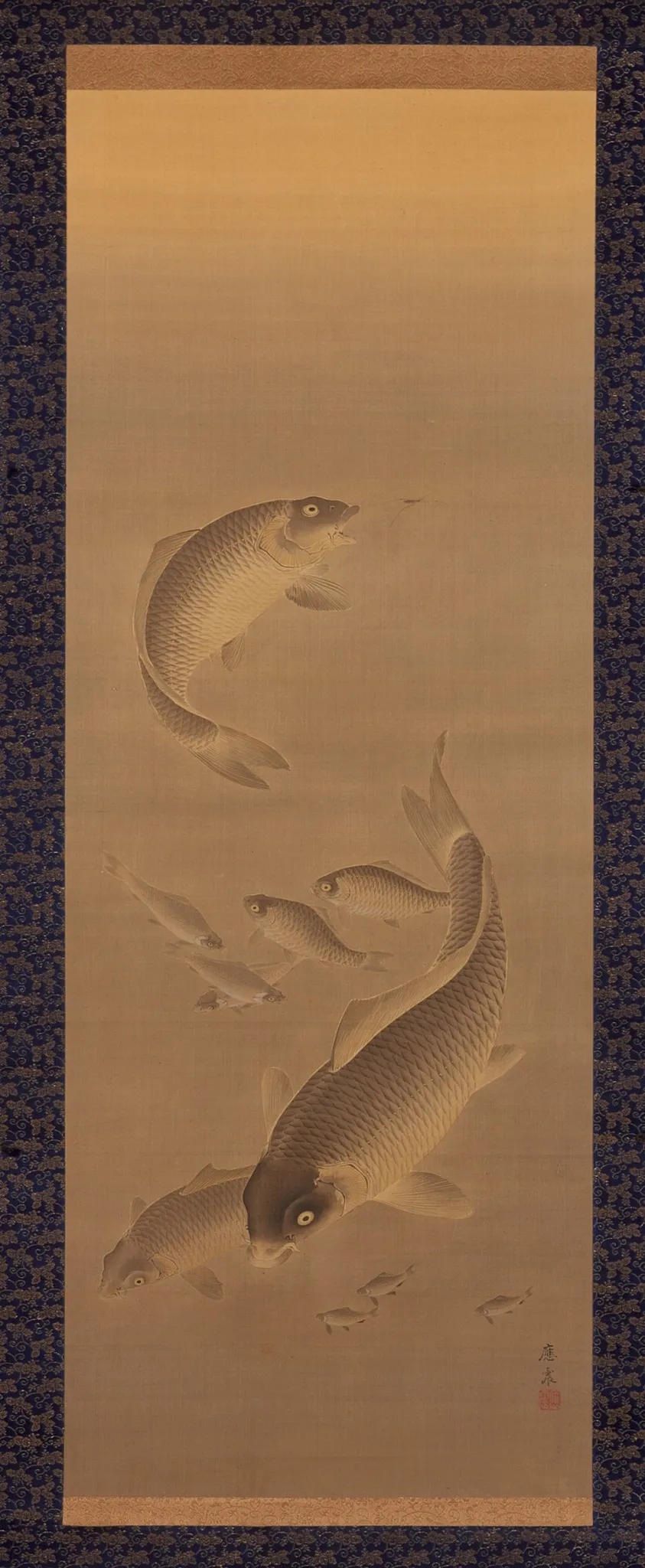
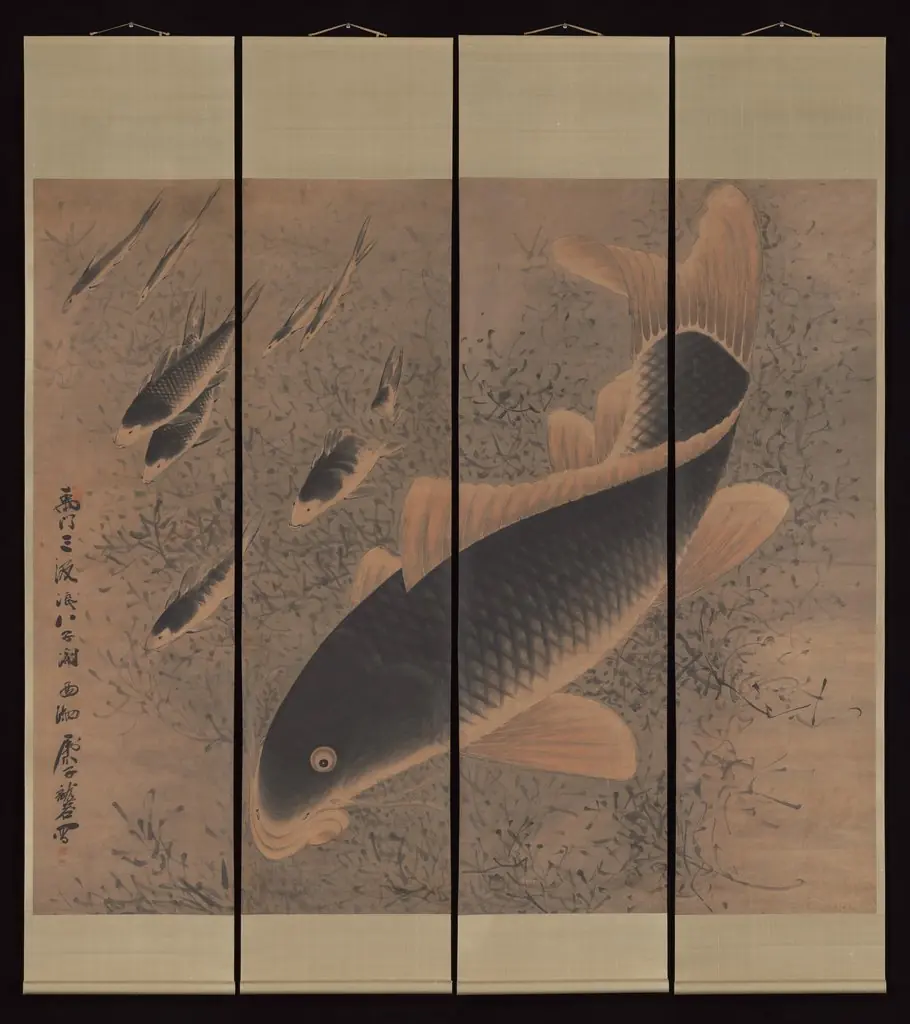
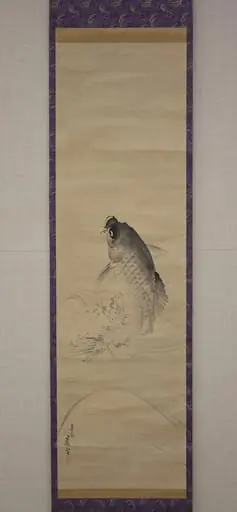
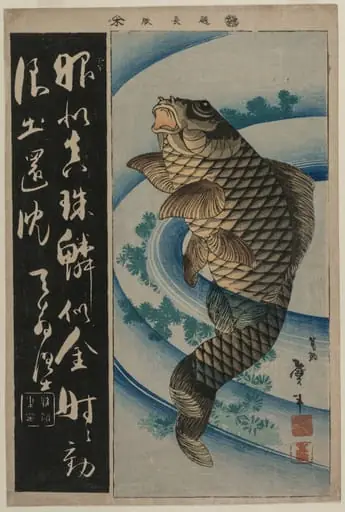
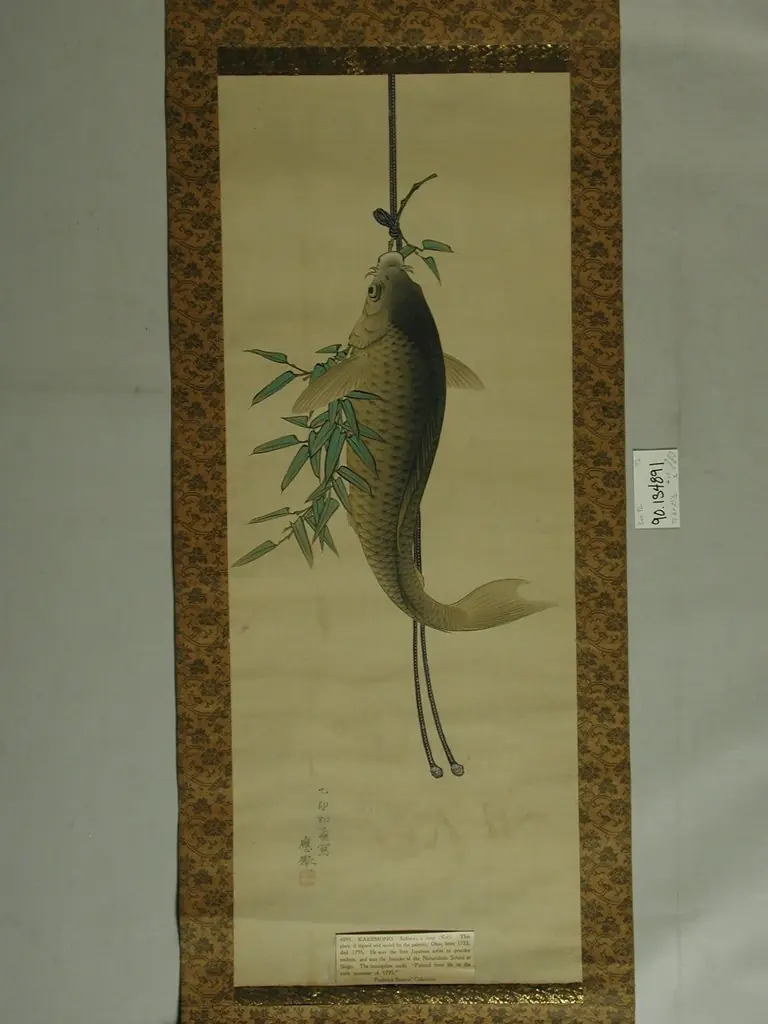
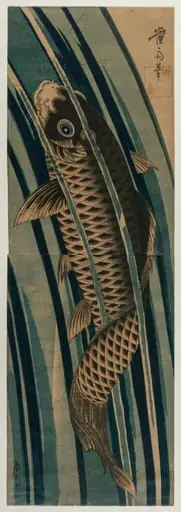
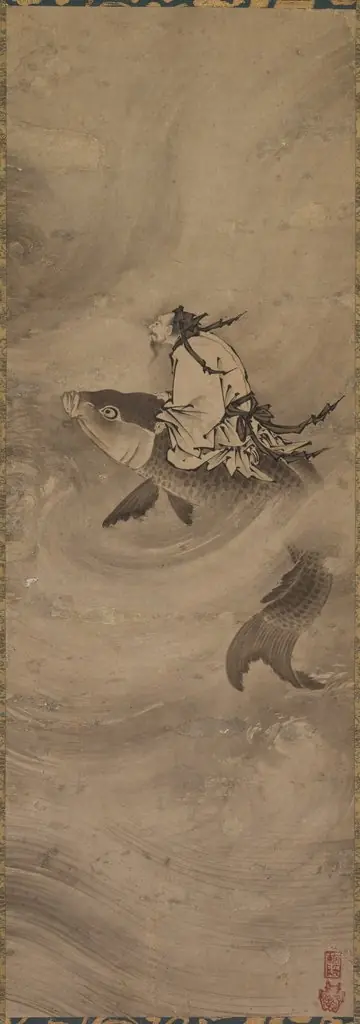
Carp is an unspecified painting by the Nihonga artist Maruyama Ōshin. It is held in the collection of the Los Angeles County Museum of Art.
About this work
Overview
Executed in ink and color on paper, the painting is part of the collection at the Los Angeles County Museum of Art.
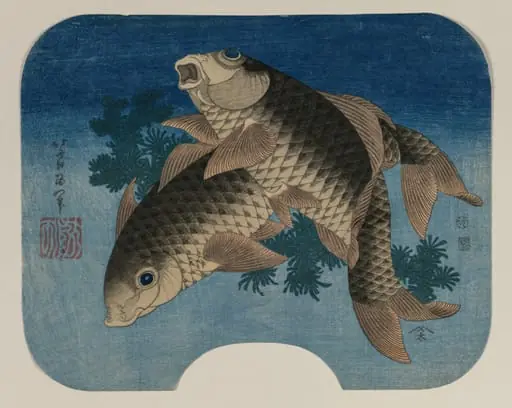
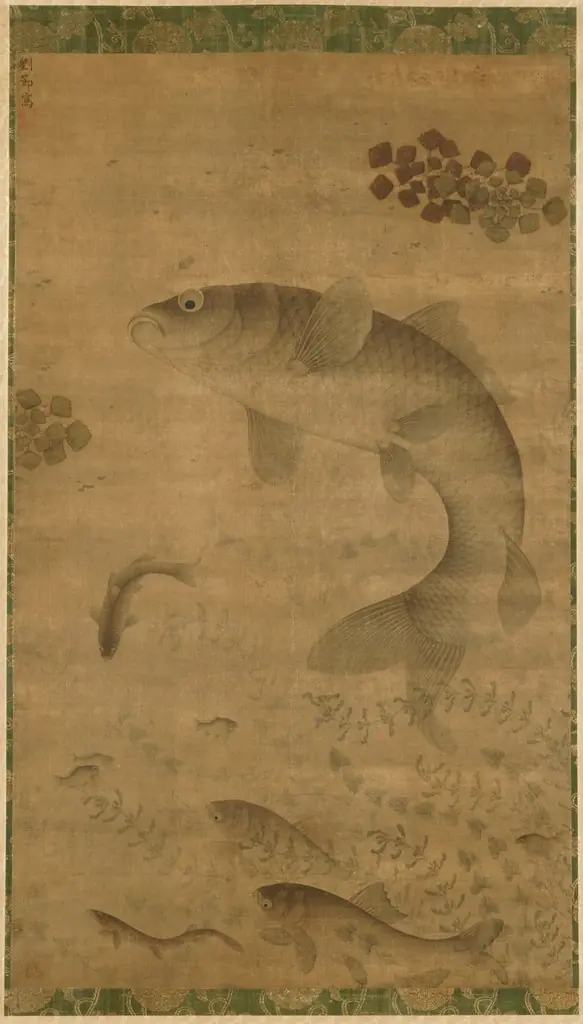
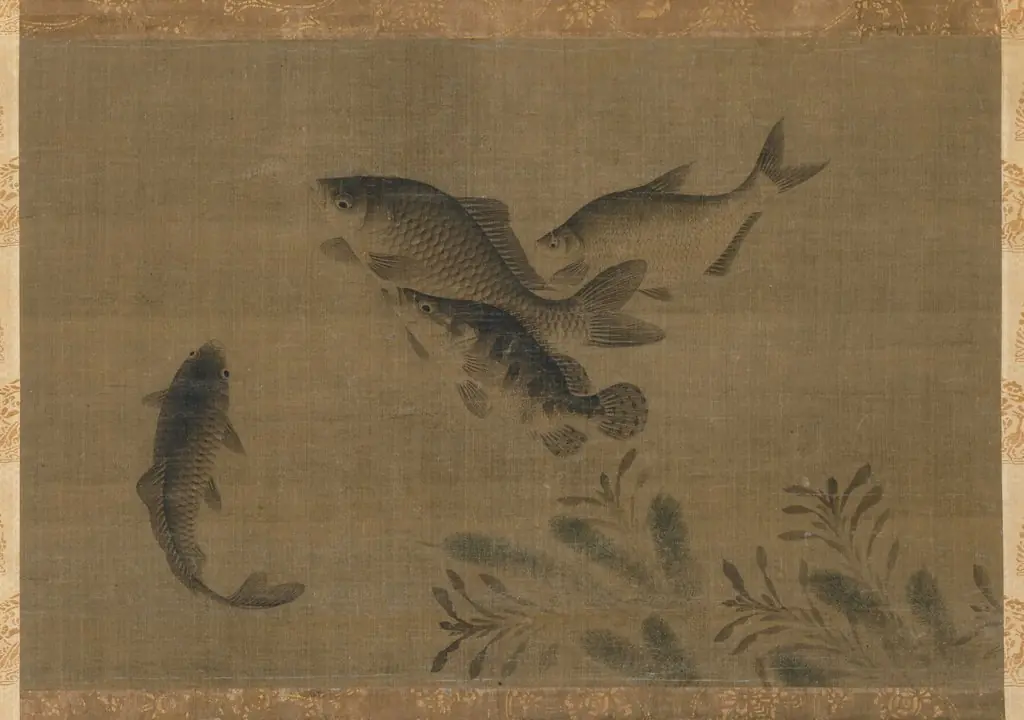
Painted around 1850 by Maruyama Ōshin, this work depicts a group of carp in dynamic motion. Executed in ink and color on paper, the painting is part of the collection at the Los Angeles County Museum of Art. The composition captures the fish in varied orientations, suggesting fluid movement through water. A subtle brown wash forms the background, enhancing the contrast with the darker, detailed scales of the fish.
Subject & Meaning
Carp are traditionally associated with perseverance and vitality in East Asian culture, often symbolizing determination through their ability to swim upstream. Here, the school of fish, rendered in varied sizes and directions, conveys collective motion rather than individual narrative. The absence of water or horizon lines focuses attention on the fish themselves, reinforcing their symbolic resilience and natural energy.
Technique & Style
Ōshin employs fine ink lines to define the contours of each carp, with graded washes suggesting scale texture and depth. The brushwork is precise yet lively, capturing the flick of tails and the twist of bodies mid-swim. The light brown background, minimally treated, allows the fish to emerge with clarity. A small red seal in the lower right corner identifies the artist, following traditional Japanese painting conventions.
History & Provenance
The painting was created during the late Edo period, a time when naturalistic depictions of animals gained popularity among urban patrons. It entered the collection of the Los Angeles County Museum of Art in the 20th century, though its earlier ownership history remains undocumented. Its preservation in good condition reflects careful handling and storage over time.
Context
Ōshin worked within the Maruyama school, which blended Japanese ink traditions with Western-inspired observation of nature. This painting reflects a broader trend in 19th-century Japanese art toward detailed, lifelike renderings of animals, moving away from purely symbolic or stylized forms. Such works appealed to collectors interested in both aesthetic refinement and naturalistic accuracy.
Legacy
Though not among Ōshin’s most widely known works, this painting exemplifies his skill in animating natural subjects with quiet intensity. It contributes to the understanding of how Edo-period artists reinterpreted traditional motifs through close observation. The piece remains a quiet testament to the enduring appeal of aquatic life in Japanese visual culture.
Artist & collection