Artwork
Portrait of a Prelate
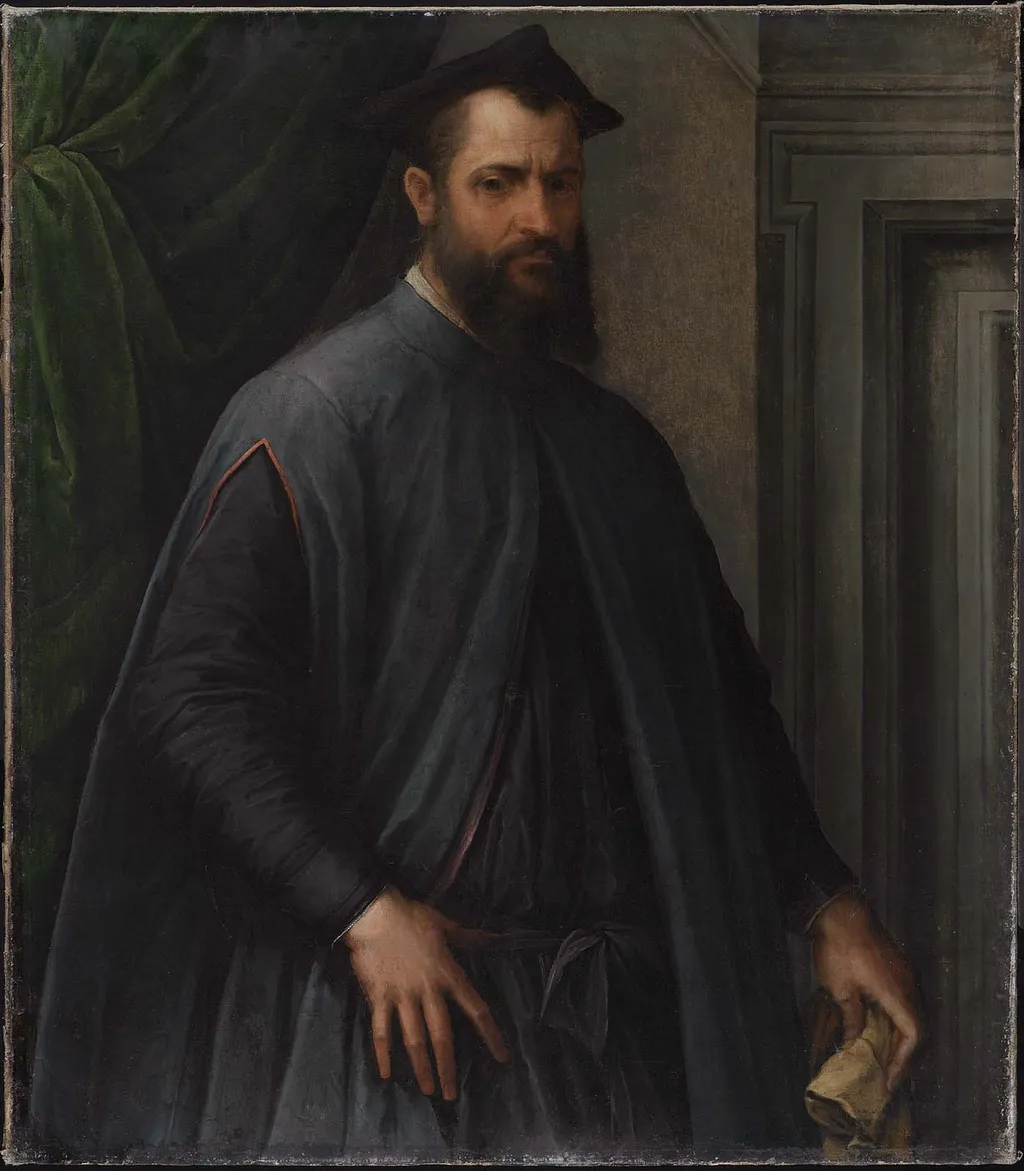
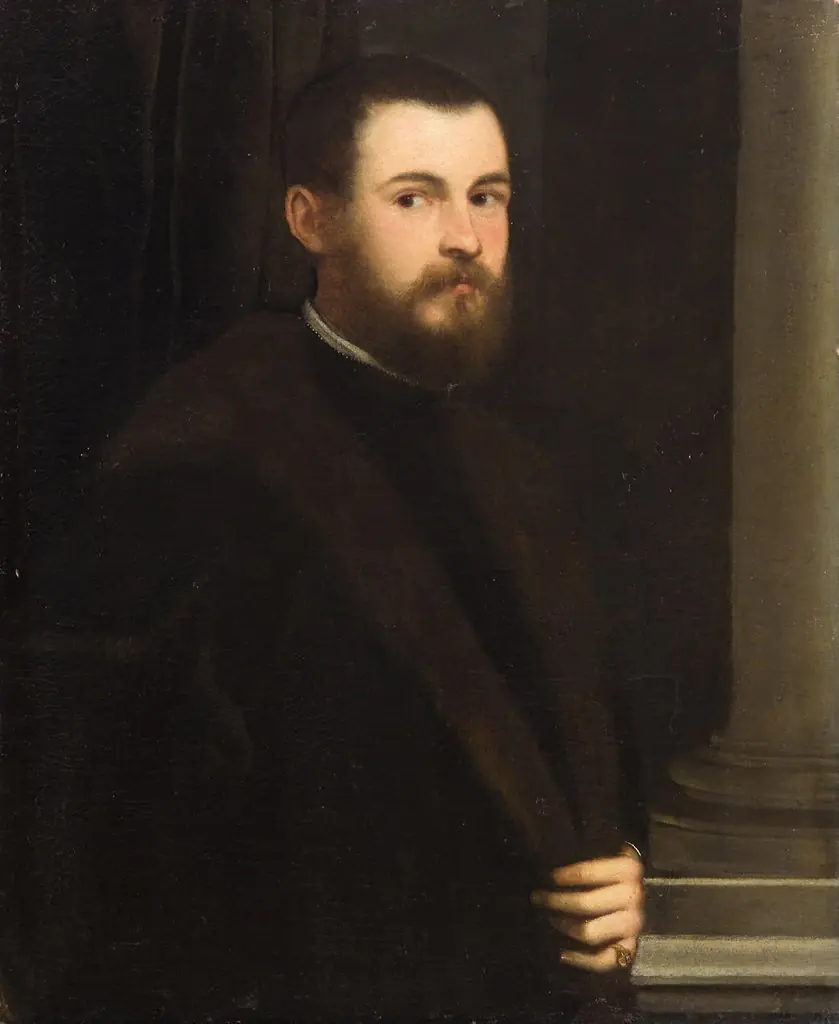
Portrait of a Prelate is an oil painting by the Mannerist artist Jacopino del Conte. It dates from 1540 and is held in the collection of the Museum of Fine Arts Boston.
About this work
Overview
Its restrained composition and focused lighting reflect the period’s emphasis on solemnity and presence over ornamentation.
Painted in 1540 by Jacopino del Conte, this oil portrait depicts a clergyman of unspecified rank. The work resides in the Museum of Fine Arts, Boston, and exemplifies mid-16th-century Italian portraiture. Its restrained composition and focused lighting reflect the period’s emphasis on solemnity and presence over ornamentation. The subject’s posture and attire suggest ecclesiastical authority, conveyed without overt symbolism.
Subject & Meaning
The figure is a prelate, likely a high-ranking church official, rendered with quiet dignity. His dark garments and plain hat signify clerical status, while his hands rest near a small object—possibly a manuscript or document—hinting at scholarly or administrative duties. The absence of identifying insignia leaves his exact role ambiguous, but the gravity of his expression underscores the weight of his position within the Church hierarchy.
Technique & Style
Del Conte employs chiaroscuro to model the figure’s face and robe, using subtle gradations of light and shadow to create volume. The background remains minimal—a dark archway and faint foliage—directing attention to the sitter. Brushwork is controlled, with soft transitions between tones rather than sharp outlines. This technique, common among Renaissance artists, enhances the three-dimensionality of the form without drawing attention to the paint itself.
History & Provenance
The painting entered the Museum of Fine Arts, Boston, in the early 20th century, though its earlier ownership remains undocumented. It was likely produced in Rome, where Jacopino del Conte worked during the 1530s and 1540s. No records of its commission or original location survive, but its quality suggests it was made for a private or institutional patron within the ecclesiastical elite.
Context
Created during the Counter-Reformation, this portrait reflects the Church’s emphasis on discipline and moral authority. Portraits of clergy increasingly favored restraint and psychological depth over flamboyance. Del Conte, trained in the Roman circle of Raphael’s followers, adapted classical ideals to convey spiritual gravity, aligning with broader trends in religious imagery that prioritized solemnity over theatricality.
Legacy
Though not widely known outside academic circles, the portrait stands as a representative example of mid-16th-century Roman portraiture. It illustrates how artists used lighting and composition to convey inner character without narrative embellishment. Its preservation in a major American museum ensures continued study of how ecclesiastical identity was visually constructed during a period of religious transformation.
Artist & collection


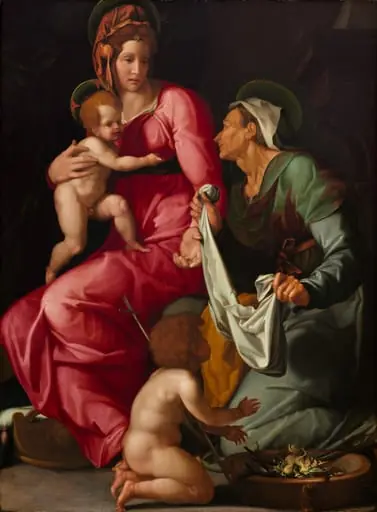 Madonna and Child with Saint Elizabeth and Saint John the Baptist
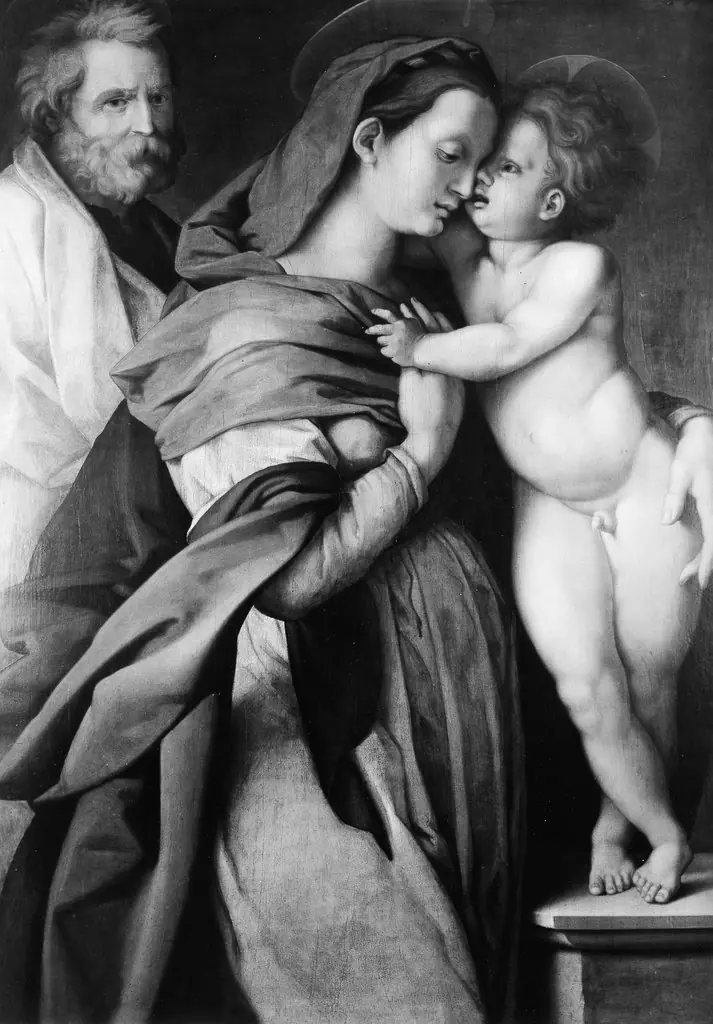 Holy Family
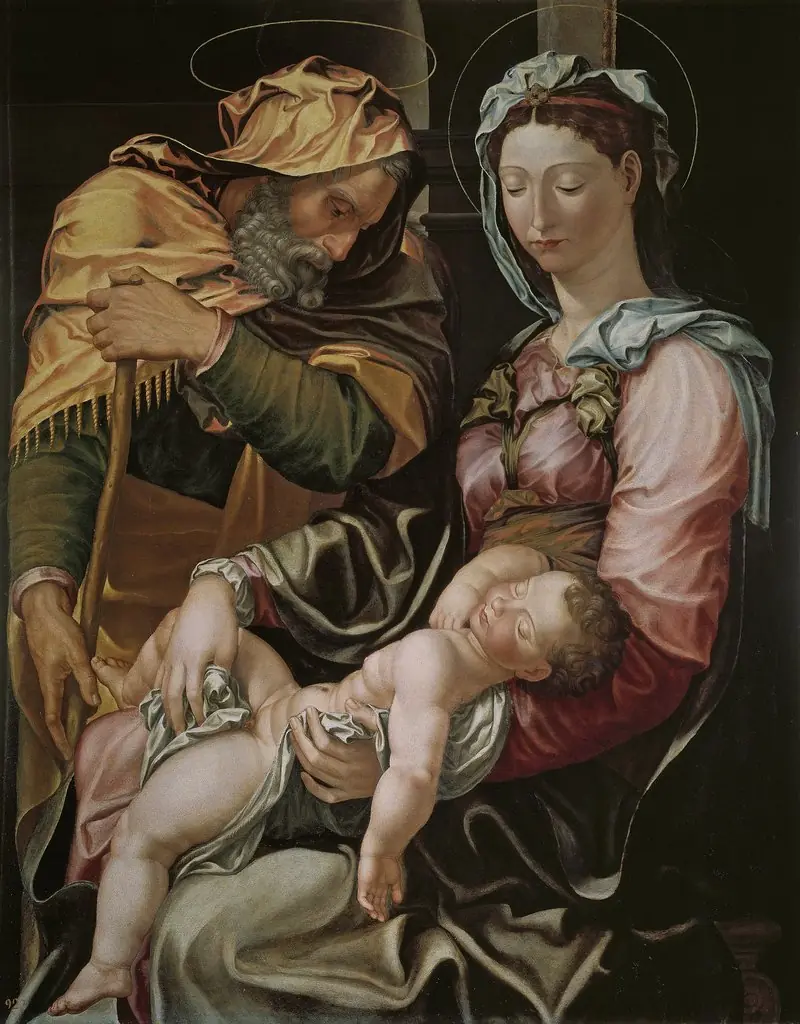 La Sagrada Familia
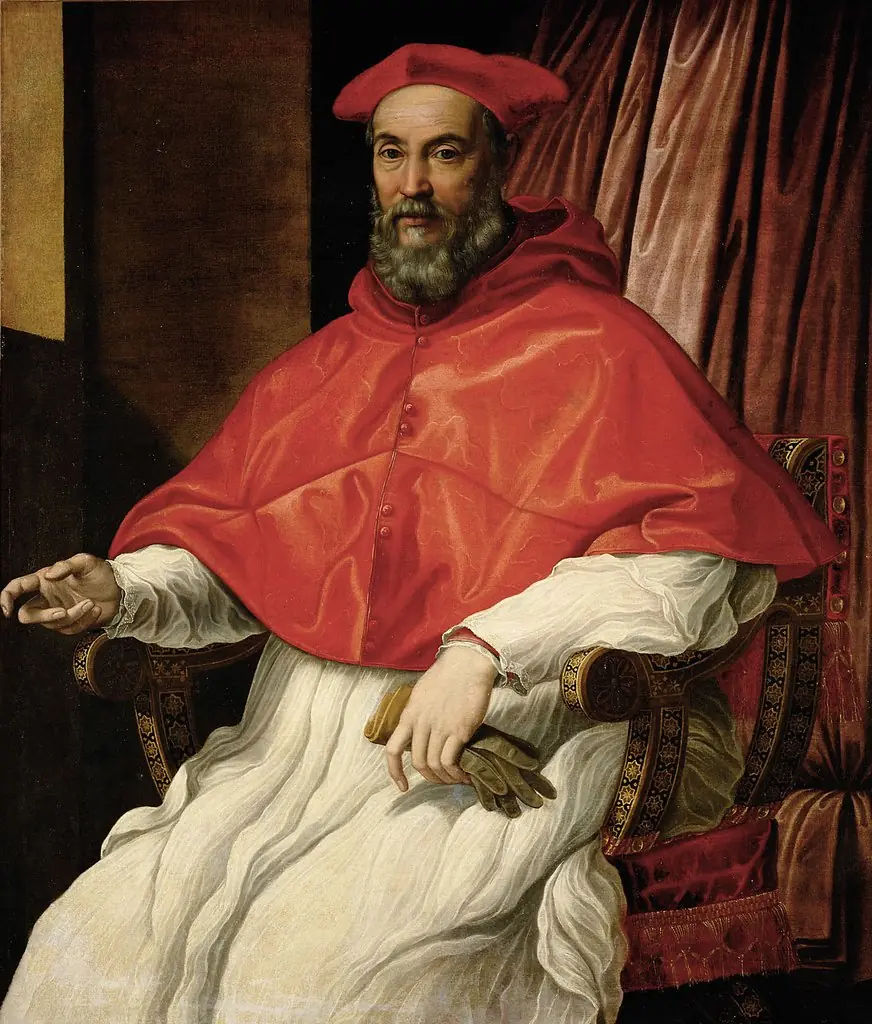 Bildnis eines Kardinals
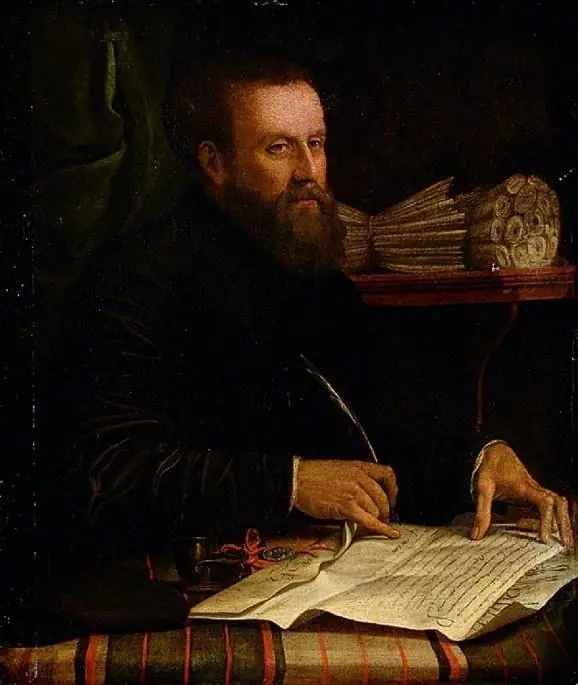 Portrait of F.De Pisia, a Papal Notary
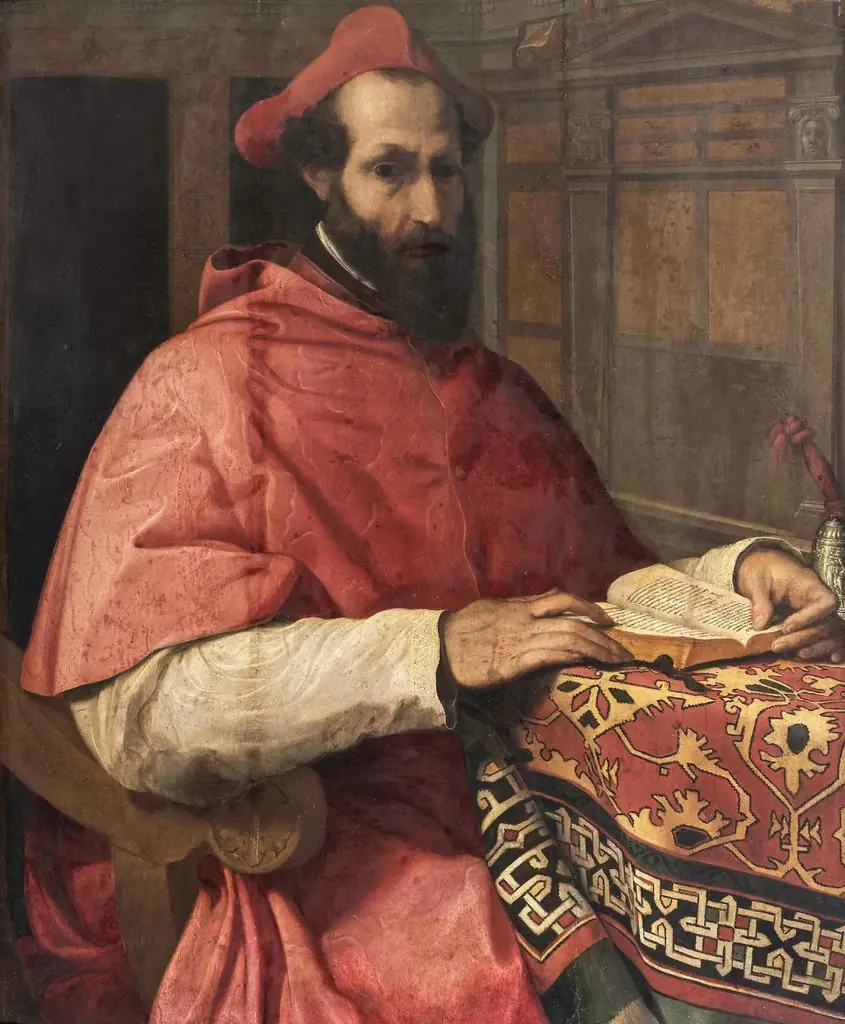 Portrait of Cardinal Marcello Cervini degli Spannocchi
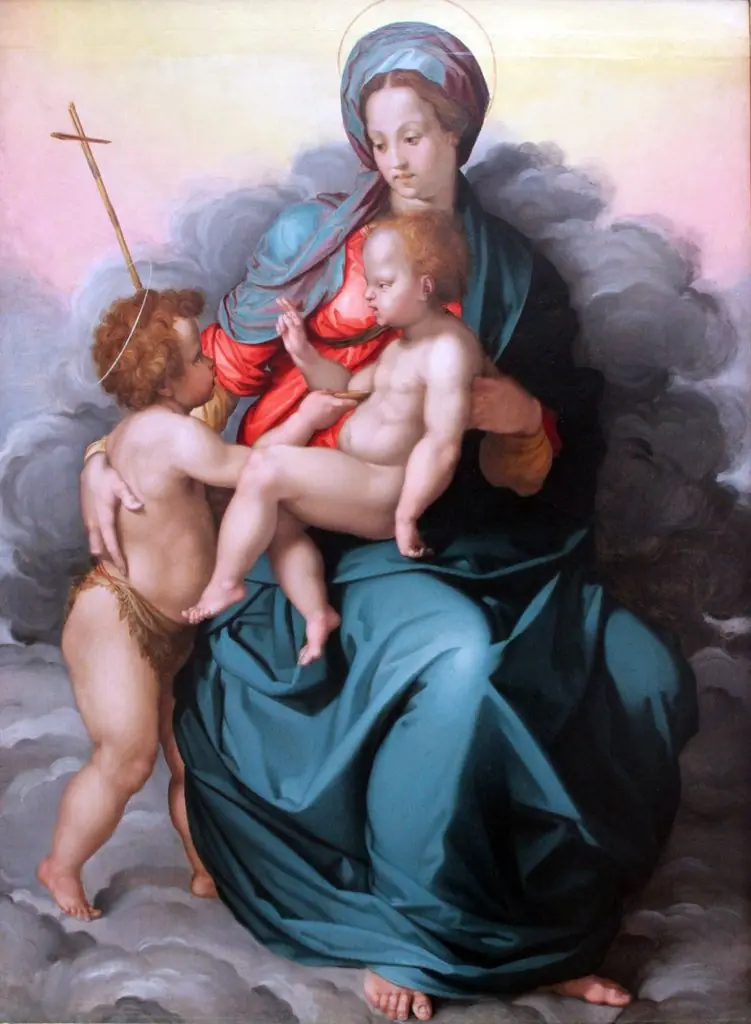 Madonna with Child and Saint John the Baptist on clouds
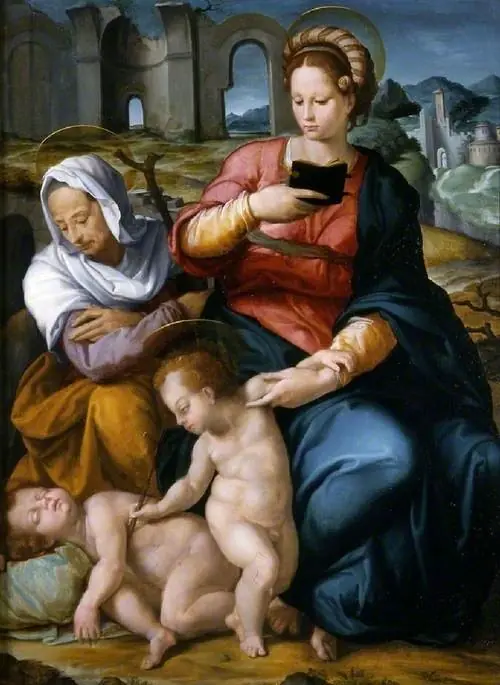 The Virgin and Child with St Elizabeth and the infant Baptist
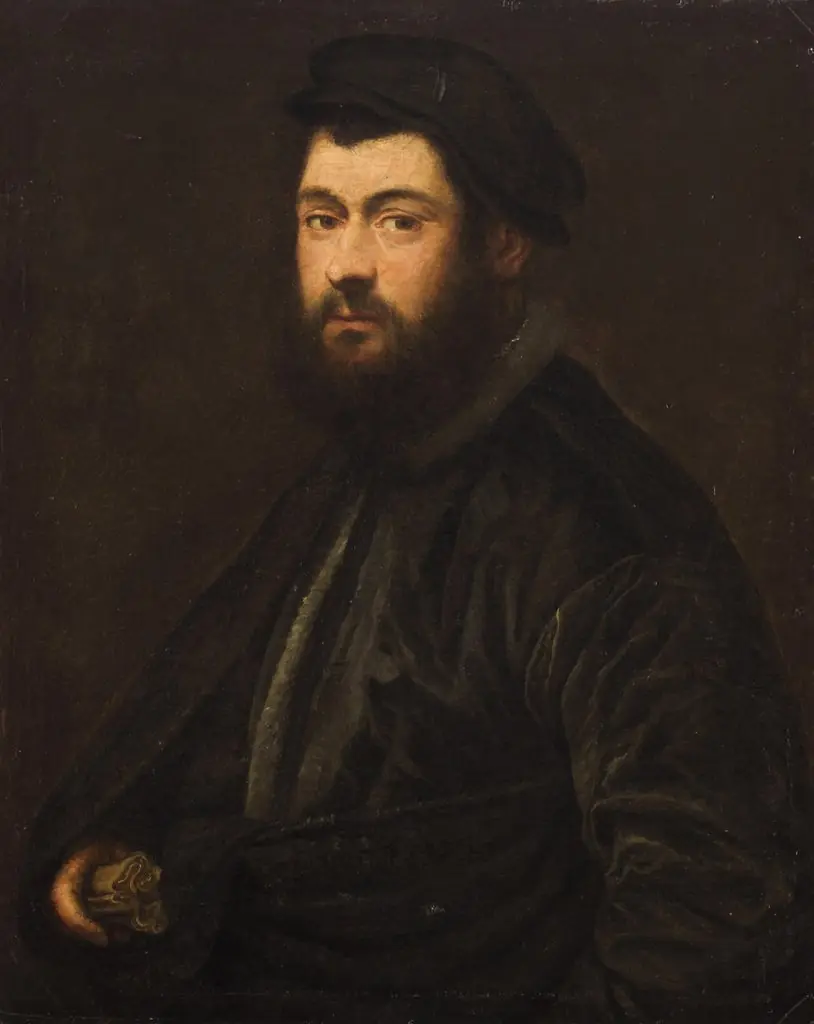 Bildnis eines bärtigen Mannes mit Barett
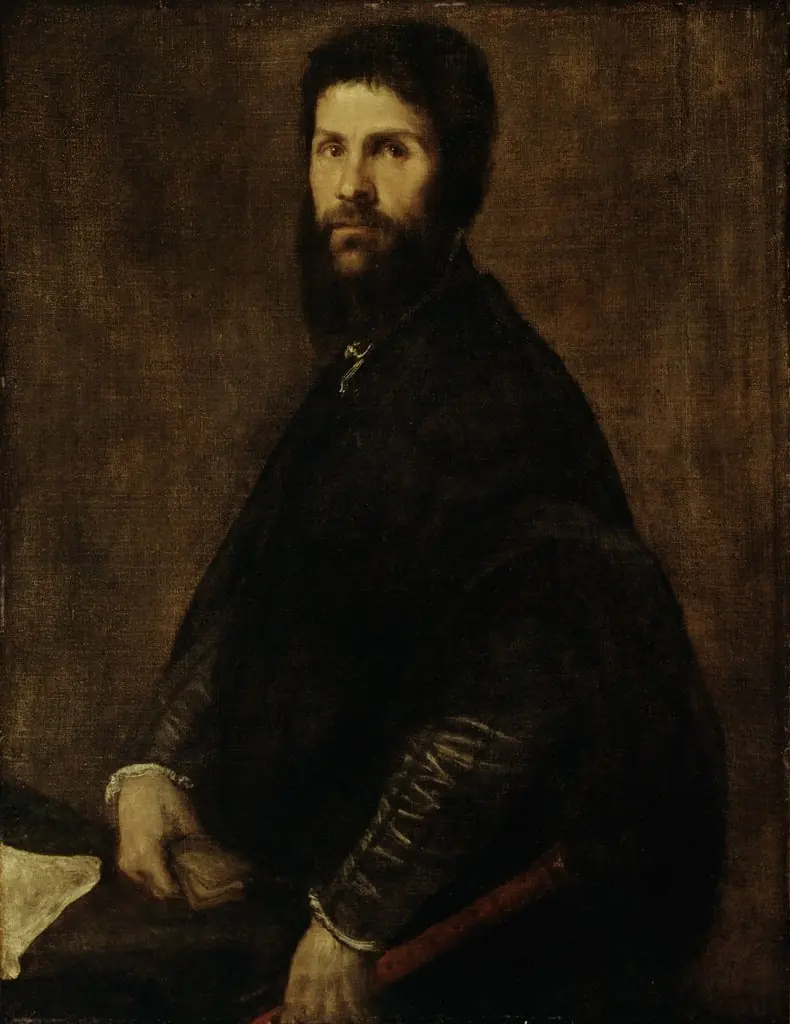 Man Holding a Flute
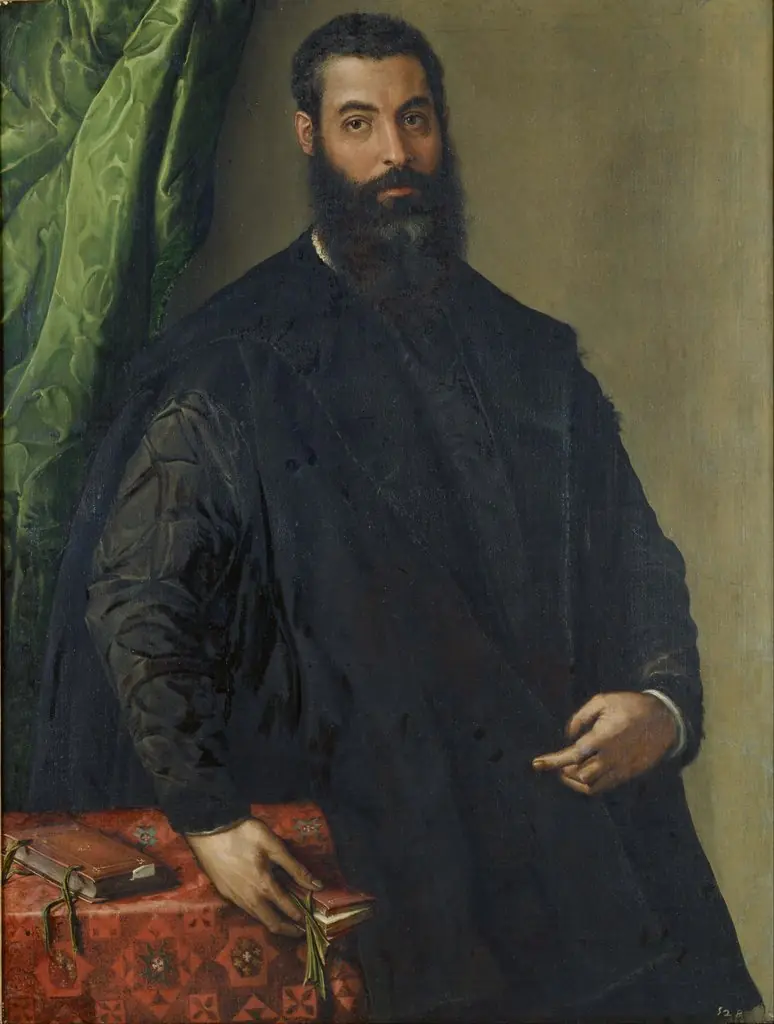 Portrait of a Man
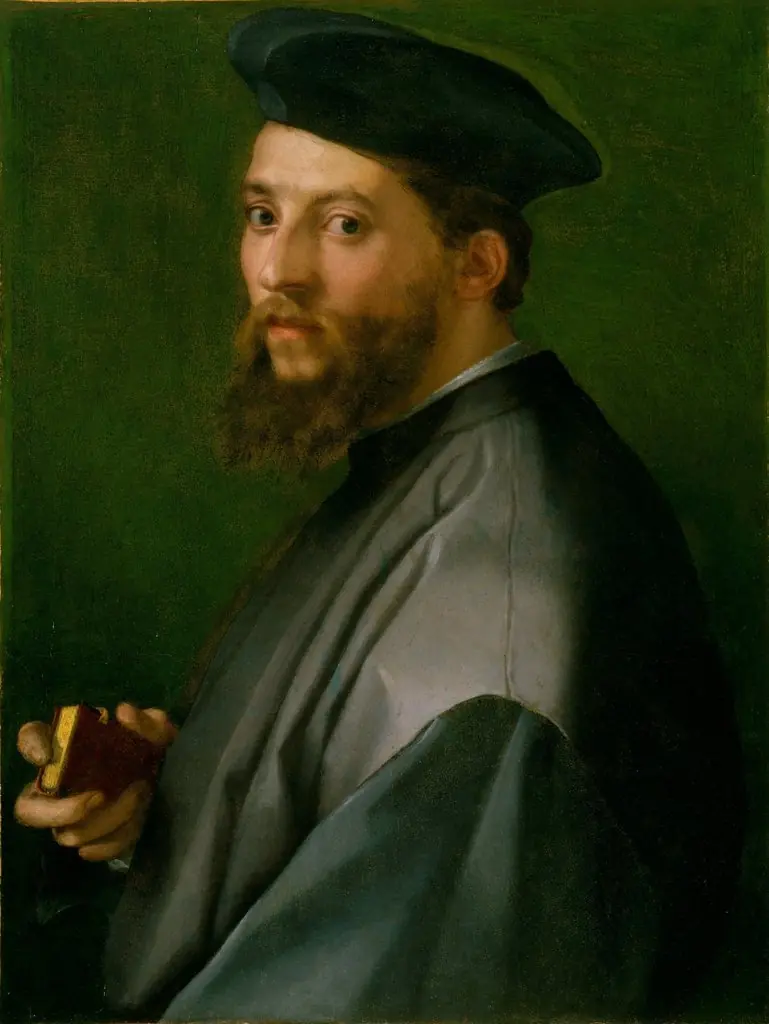 Portrait of a Man
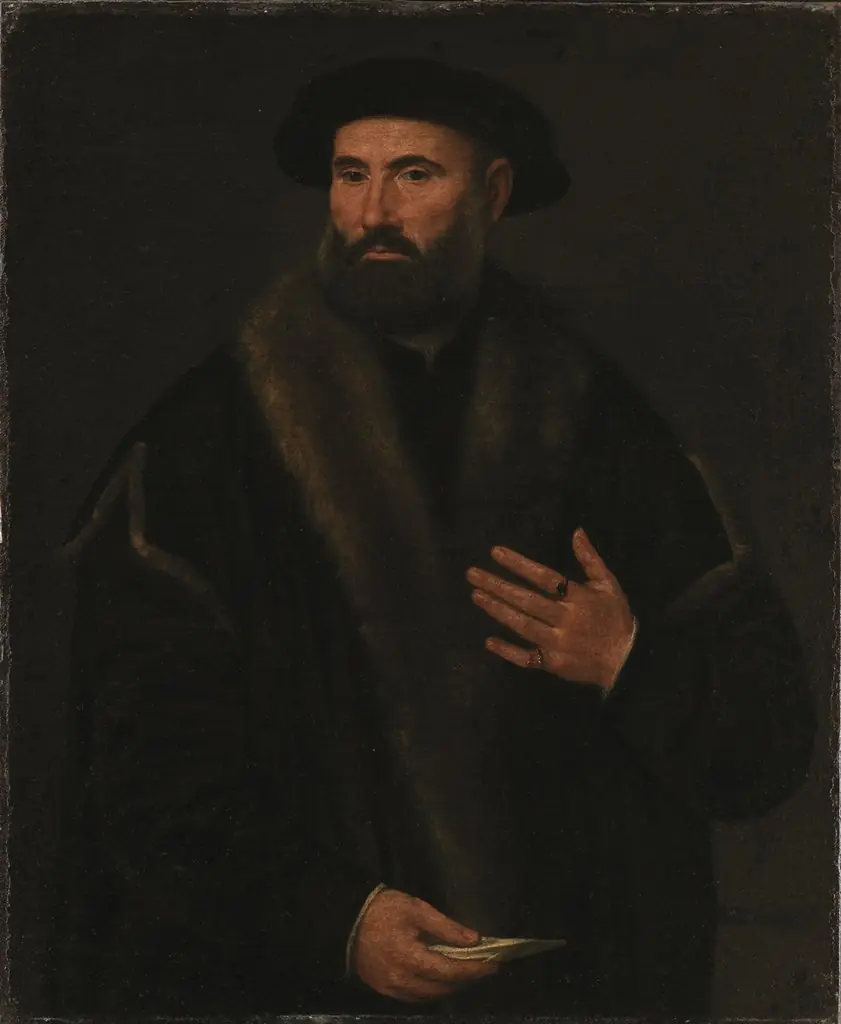 Portrait of a Man
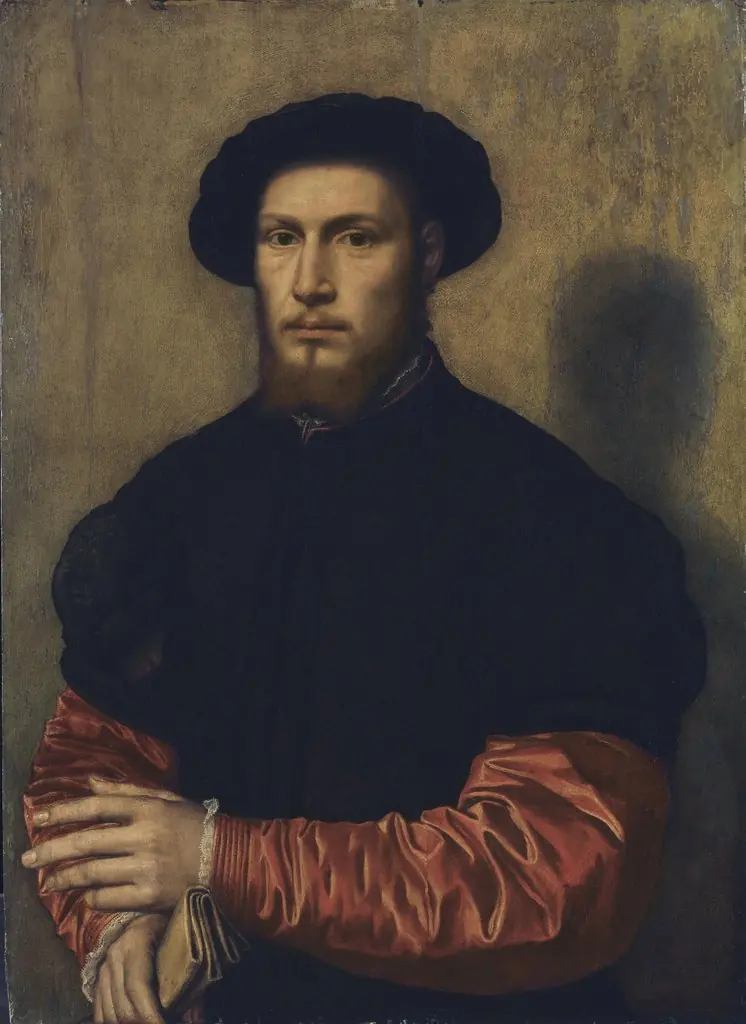 Portrait of a Gentleman
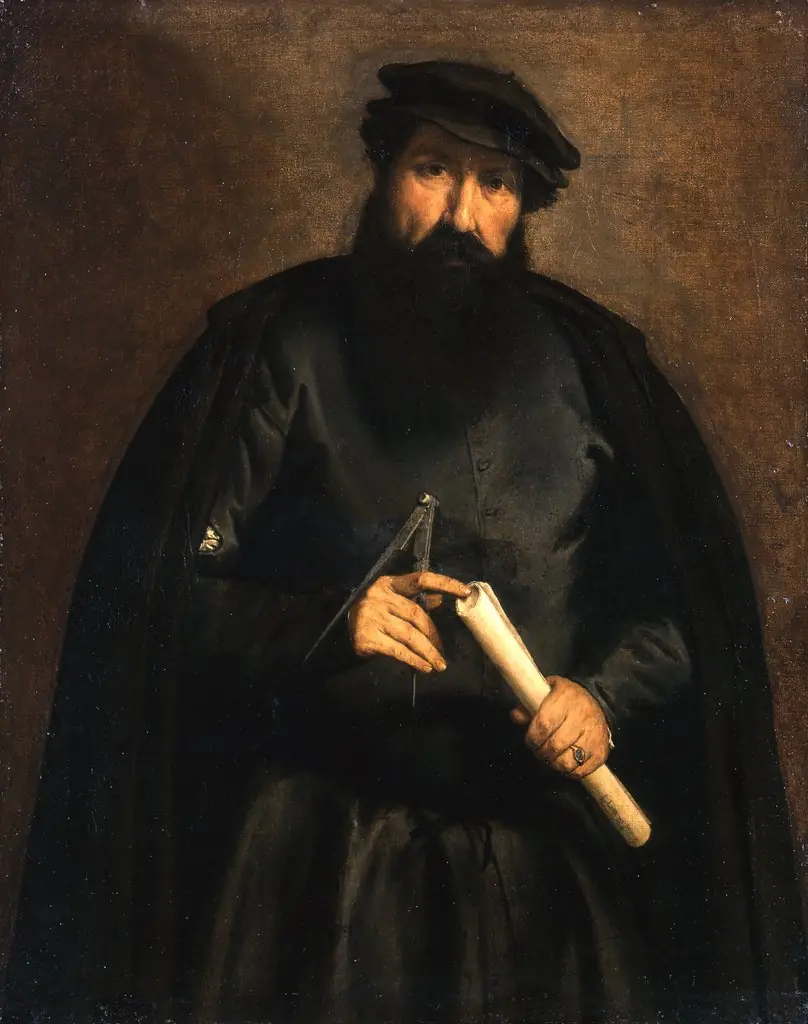 Portrait of an man with circle and paper roll
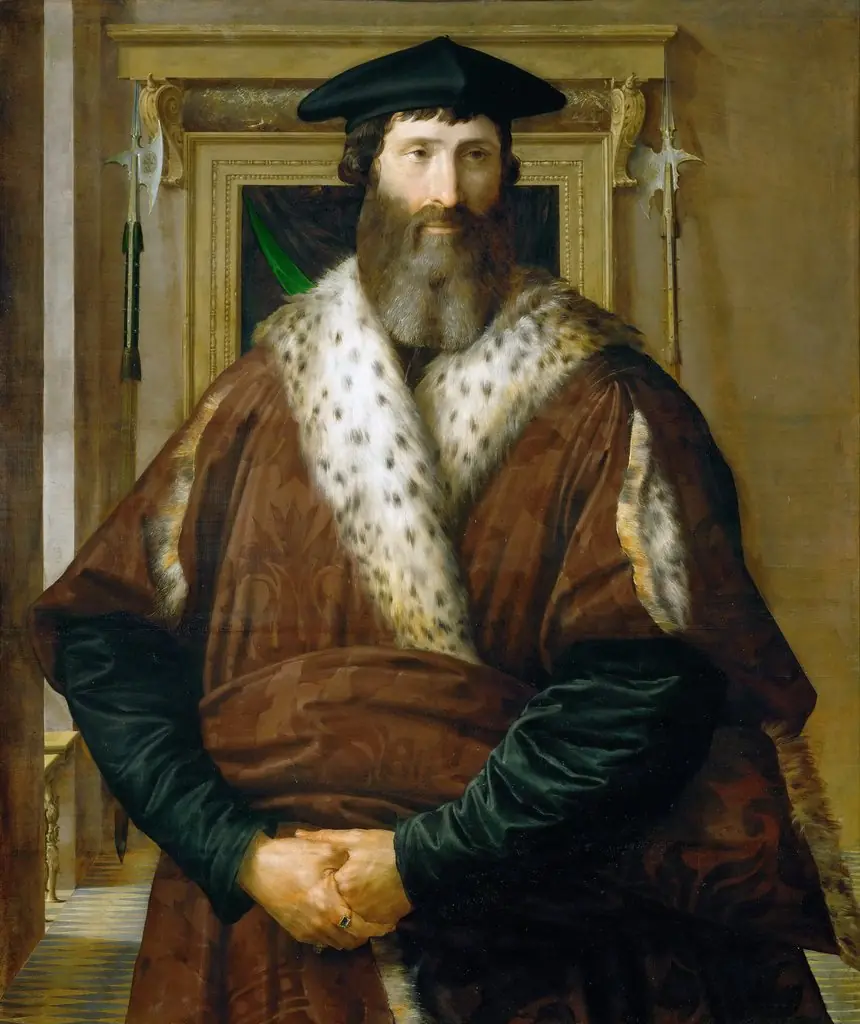 Portrait of a Man (Condottiere Malatesta Baglioni?)
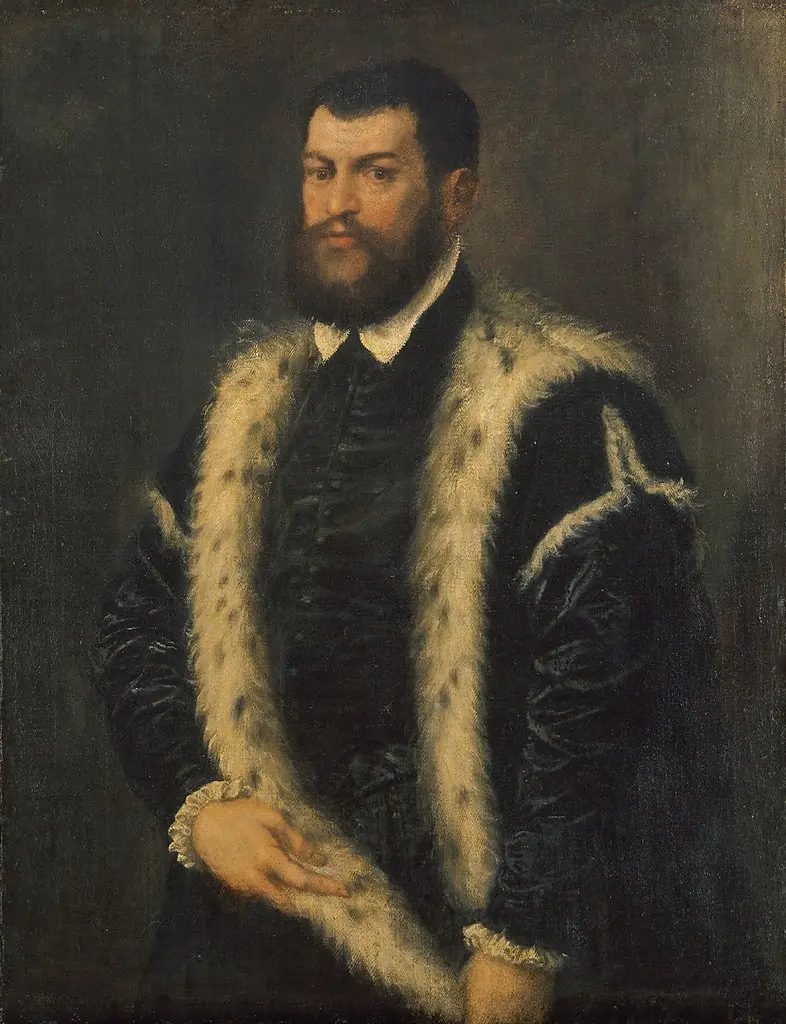 Man with Ermine Coat
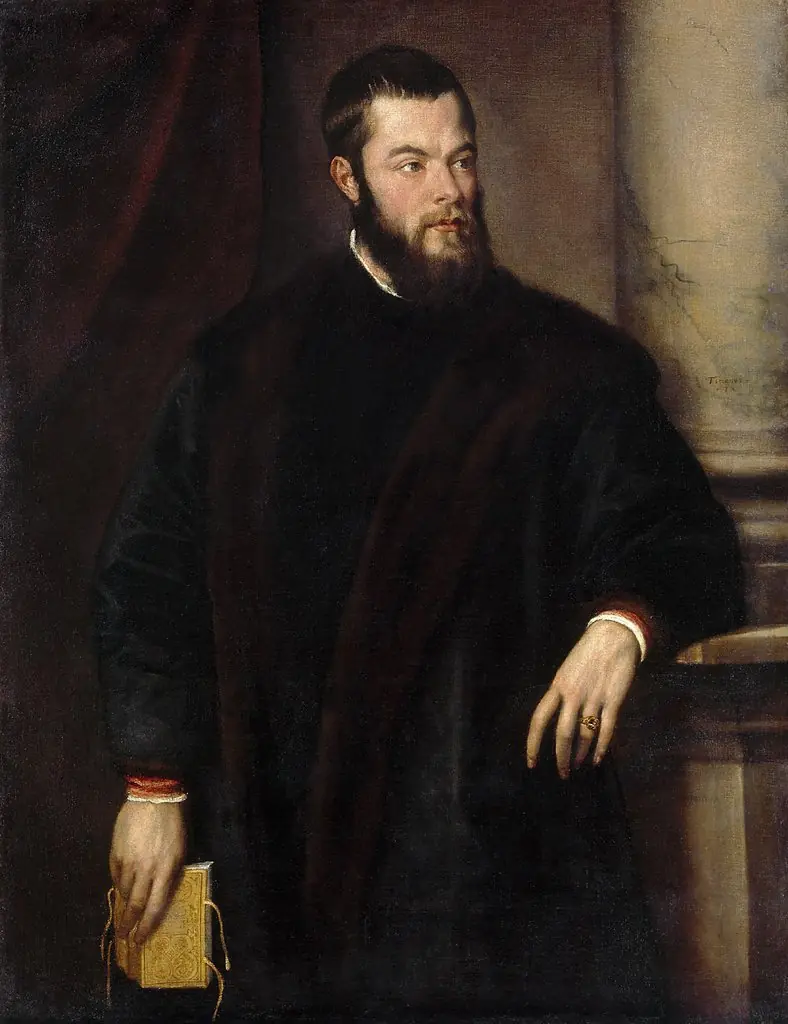 Portrait of Benedetto Varchi
 Portrait of a Man
 Portrait of a young bearded man