Artwork
Geese
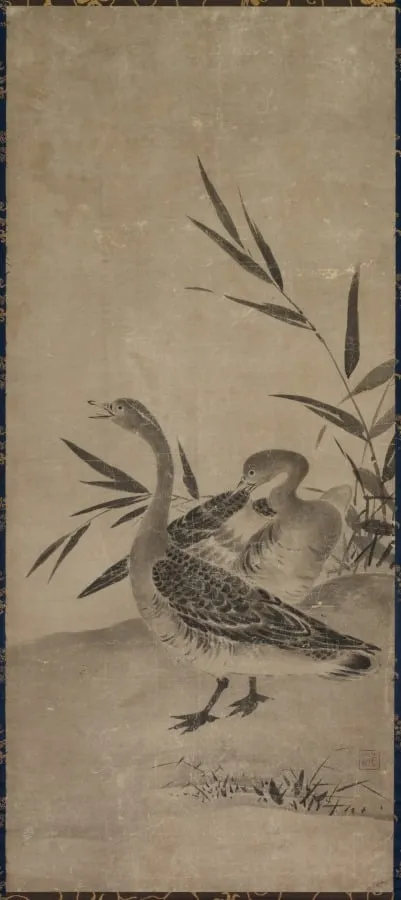
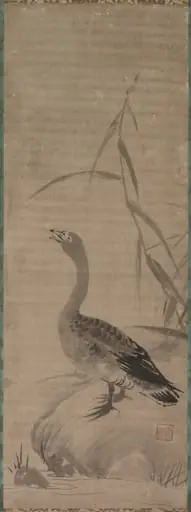
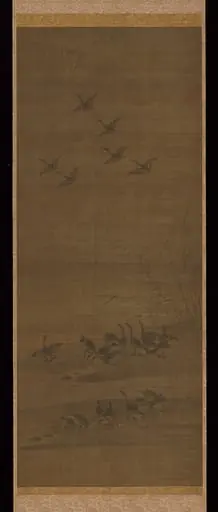
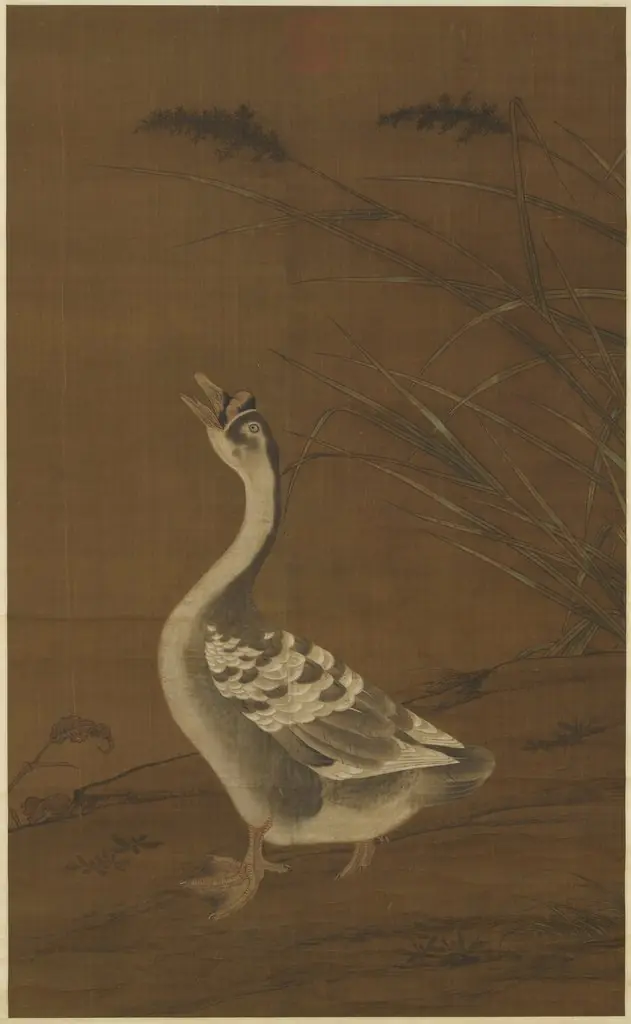
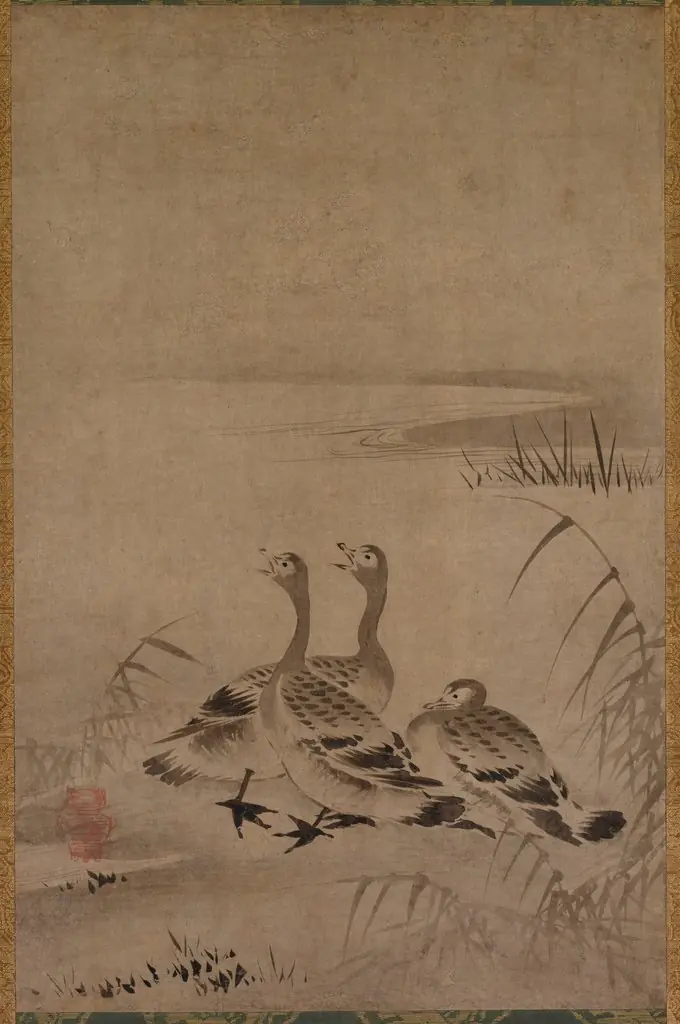
Geese is an unspecified painting by the Baroque artist Unknown. It dates from 1742 and is held in the collection of the Cleveland Museum of Art.
About this work
Overview
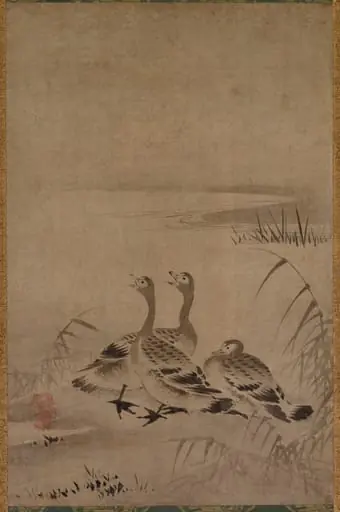
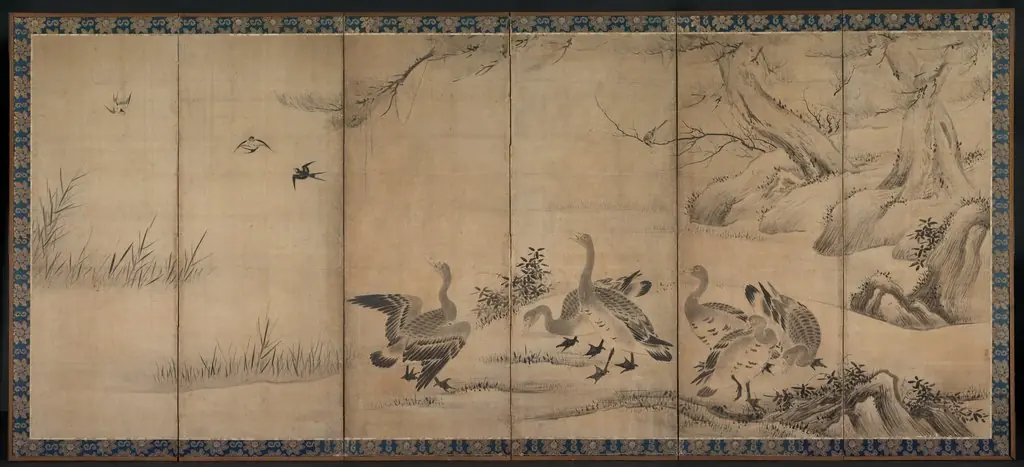
This painting depicts two geese in a quiet, undisturbed setting, rendered with careful attention to anatomical detail and texture. The composition centers entirely on the birds, with no distracting elements in the background. A muted palette and controlled lighting focus attention on their forms, emphasizing presence over narrative.
Subject & Meaning
The geese are portrayed in natural postures—one standing alert, the other resting—suggesting a moment of stillness in their daily rhythm. No symbolic or allegorical interpretation is evident; the work appears to value observation over metaphor, presenting the birds as subjects worthy of quiet contemplation.
Technique & Style
The artist employs chiaroscuro to model the geese’s feathers, creating volume through subtle gradations of light and shadow. Brushwork is precise, capturing individual plumage and the sheen of beaks. The style aligns with Baroque naturalism, prioritizing lifelike detail and atmospheric depth over idealization.
History & Provenance
The painting’s origin and early ownership remain undocumented. No records link it to a known artist or collection prior to modern cataloging. Its attribution to the Baroque period is based on stylistic analysis rather than archival evidence.
Context
During the Baroque era, still-life and animal subjects gained traction among artists seeking to demonstrate technical skill through realism. While grand historical or religious themes dominated, quieter studies of nature, like this one, reflected a growing interest in the observable world.
Legacy
The work contributes to a lesser-known branch of Baroque art focused on animal observation. Though not widely exhibited, it exemplifies how precision and lighting could elevate mundane subjects, influencing later naturalist traditions in European painting.
Artist & collection

 Domestic Scene
 Giacomo and Cardinal Marco, investing Andrea, Abbot of San Zeno, with his Benefice
 The Nymph of Fontainebleau
 Portrait of a Woman
 Madonna and Child with Saints in the Enclosed Garden
 Venus and Minerva
 Family Group of Four on Sofa
 Wall painting from Room H of the Villa of P. Fannius Synistor at Boscoreale