Artwork
Henry Scudder Platt

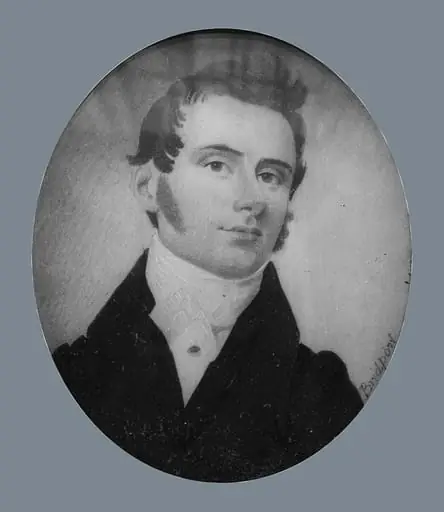
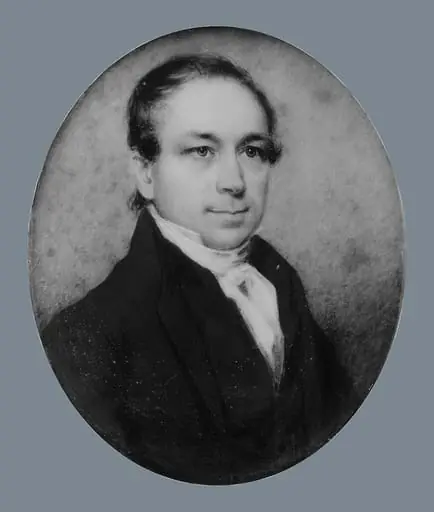
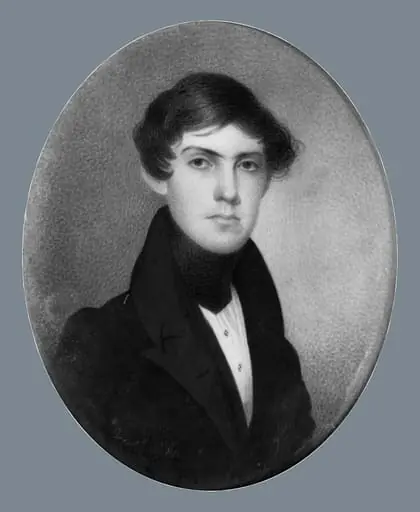
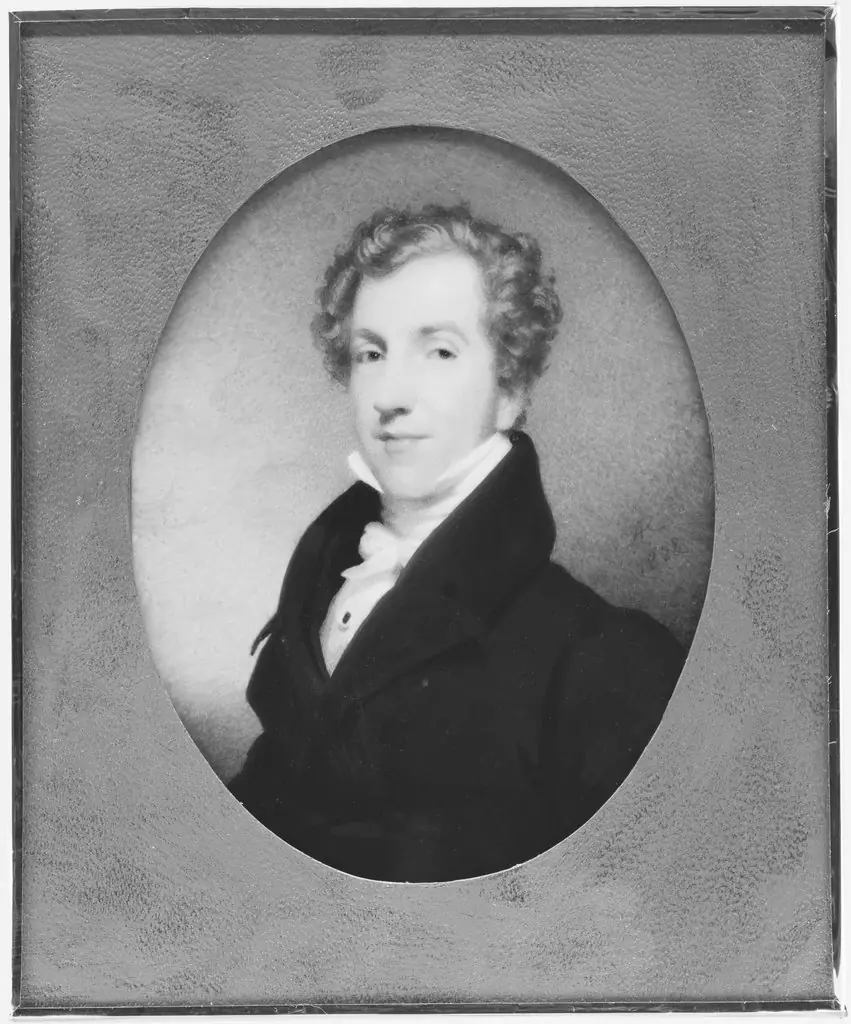
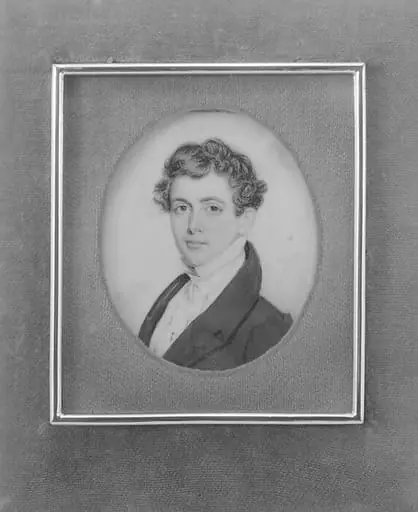
Henry Scudder Platt is a watercolor painting. It dates from 1830 and is held in the collection of the Metropolitan Museum of Art.
About this work
Overview
This miniature portrait, titled "Henry Scudder Platt," presents a young man within a vermeil locket. Executed in watercolor on ivory, the artwork is notable for its intimate scale and personal nature. The reverse of the locket features a glass lens, behind which a lock of hair is preserved, underscoring its function as a cherished memento.
Subject & Meaning
The subject, Henry Scudder Platt, is depicted with a serious expression, framed by a dark coat and high collar. Such small-scale portraits were frequently commissioned as personal keepsakes, intended to be carried close to the owner. The inclusion of a lock of hair on the locket's verso further emphasizes the deeply personal connection and sentimental value associated with this type of object.
Technique & Style
The artist employed watercolor on an ivory support, a common practice for miniatures of this period. Ivory's inherent translucence allowed light to pass through the delicate layers of paint, imbuing the subject's skin with a subtle luminosity. This technique contributed to the lifelike quality of the portrait, enhancing the soft features and pale complexion of the young man.
Context
Miniature portraits like "Henry Scudder Platt" flourished as a popular art form, serving as intimate tokens of affection, remembrance, or social connection.
Miniature portraits like "Henry Scudder Platt" flourished as a popular art form, serving as intimate tokens of affection, remembrance, or social connection. Their compact size made them ideal for personal adornment or discreet carrying, allowing individuals to keep images of loved ones close. The practice reflects a broader cultural emphasis on sentimentality and personal attachment during the era.
Artist & collection