Artwork
Hortensia del Prado (d 1627)
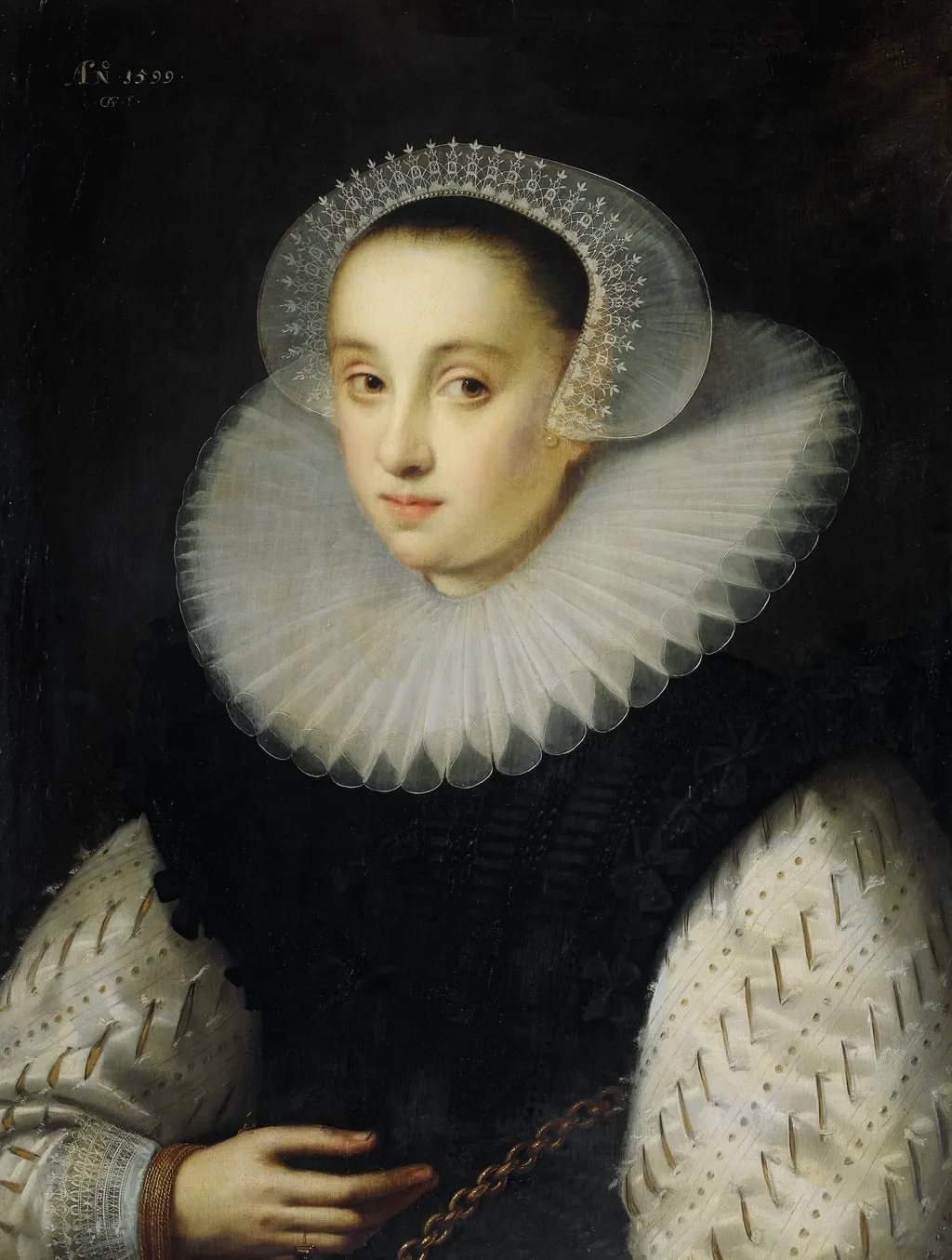
Hortensia del Prado (d 1627) is an unspecified painting by the Mannerist artist Unknown. It dates from 1599 and is held in the collection of the Rijksmuseum.
About this work
Overview
This portrait depicts Hortensia del Prado, who died in 1627, rendered in half-length format with her right hand gently resting against her chest.
This portrait depicts Hortensia del Prado, who died in 1627, rendered in half-length format with her right hand gently resting against her chest. The background is unadorned, drawing focus to her face, which is softly illuminated as if by candlelight. The painting’s reverse bears an inscription with her name, three family coats of arms, and the number 32, suggesting deliberate identification and preservation by someone close to her.
Subject & Meaning
Hortensia del Prado’s identity remains undocumented beyond her name and lineage. The inclusion of three family crests implies noble or aristocratic ties, yet her lack of public prominence contrasts with typical portrait subjects of the era. The hand placed over the chest may signal introspection, piety, or personal grief, offering a quiet, intimate glimpse rather than a statement of status.
Technique & Style
The artist employed subtle chiaroscuro to model the face, creating a gentle luminosity that contrasts with the dark, unpatterned clothing. Brushwork is restrained, avoiding ornamental detail in favor of emotional restraint. The plain background and minimal props reflect a preference for psychological presence over social display, aligning with Northern European traditions of private portraiture.
History & Provenance
The inscription on the reverse—name, heraldry, and the numeral 32—indicates the painting was intentionally labeled, possibly as a memorial or legal record. The number may reference age, birth order, or a family cataloging system. Its survival suggests it remained within the family or a private collection, avoiding the public display common among elite portraits of the time.
Context
In early 17th-century Netherlands, portraiture often served to assert social standing, yet this work belongs to a quieter category: private, unassuming likenesses of individuals without documented public roles. Such images reveal how families preserved personal memory beyond the realm of official history, valuing individual identity even without political or economic prominence.
Legacy
Hortensia del Prado’s portrait endures as a quiet testament to the unseen lives of women in early modern Europe. Its preservation, despite the absence of fame, underscores how personal memory was maintained in domestic spaces. It invites reflection on the many individuals whose presence was recorded but never celebrated in public records.
Artist & collection

 Domestic Scene
 Giacomo and Cardinal Marco, investing Andrea, Abbot of San Zeno, with his Benefice
 The Nymph of Fontainebleau
 Portrait of a Woman
 Madonna and Child with Saints in the Enclosed Garden
 Venus and Minerva
 Family Group of Four on Sofa
 Wall painting from Room H of the Villa of P. Fannius Synistor at Boscoreale
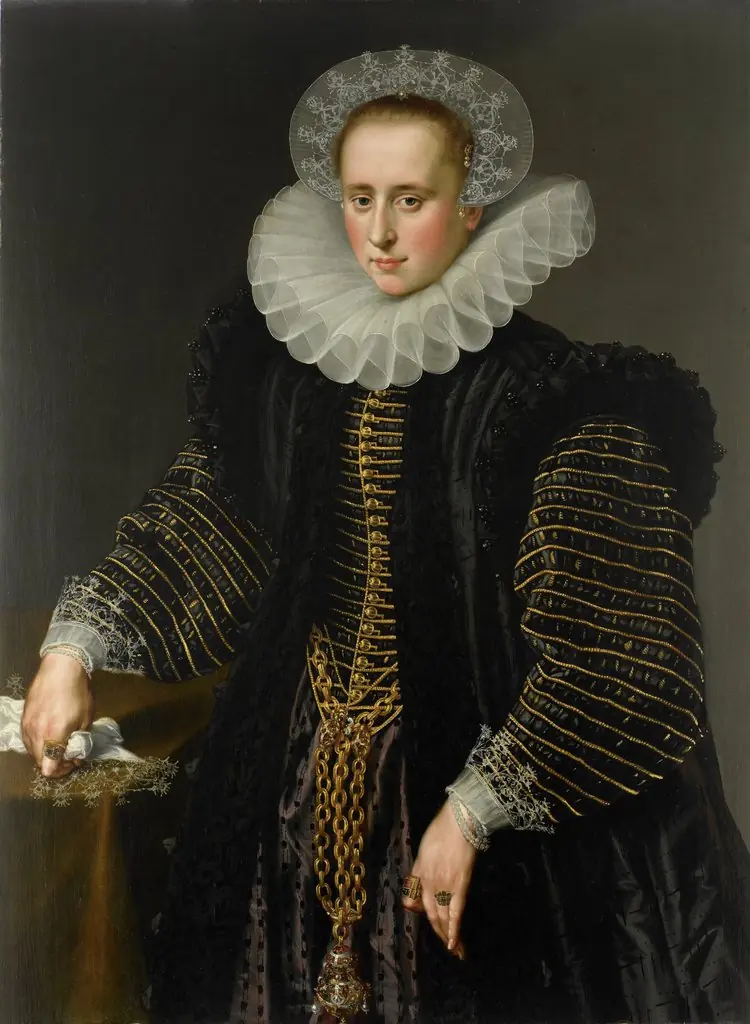 Portrait of a woman, probably Maria Schuurman (1575-1621)
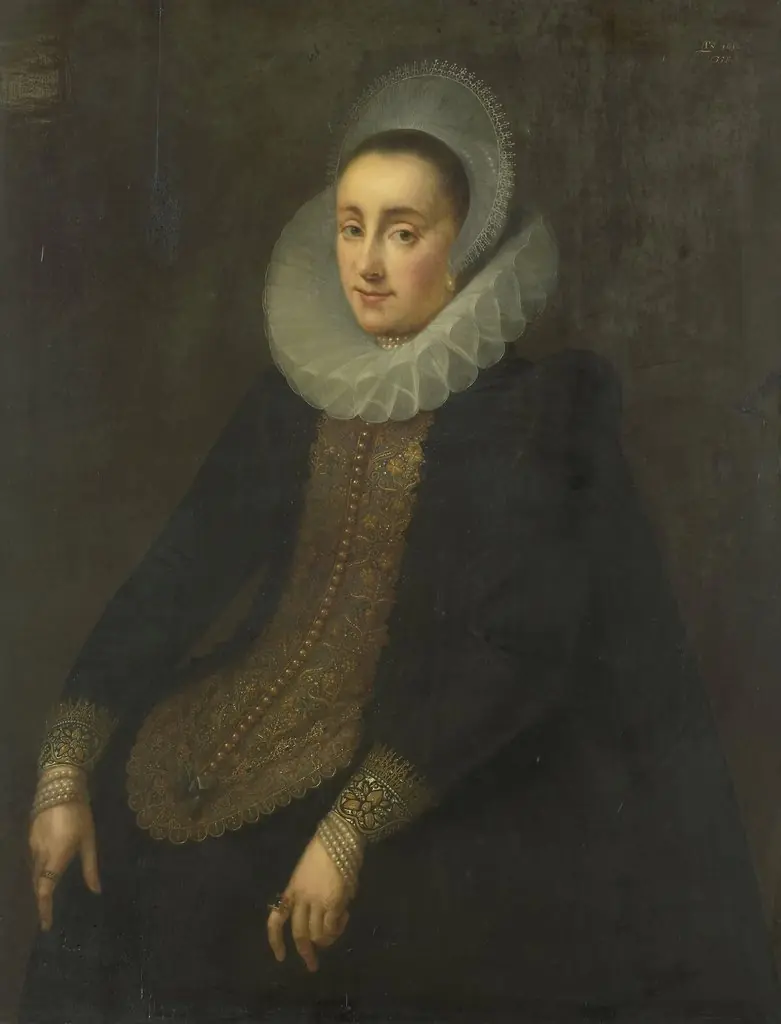 Portrait of Lucretia del Prado, Wife of Jeremias Boudinois
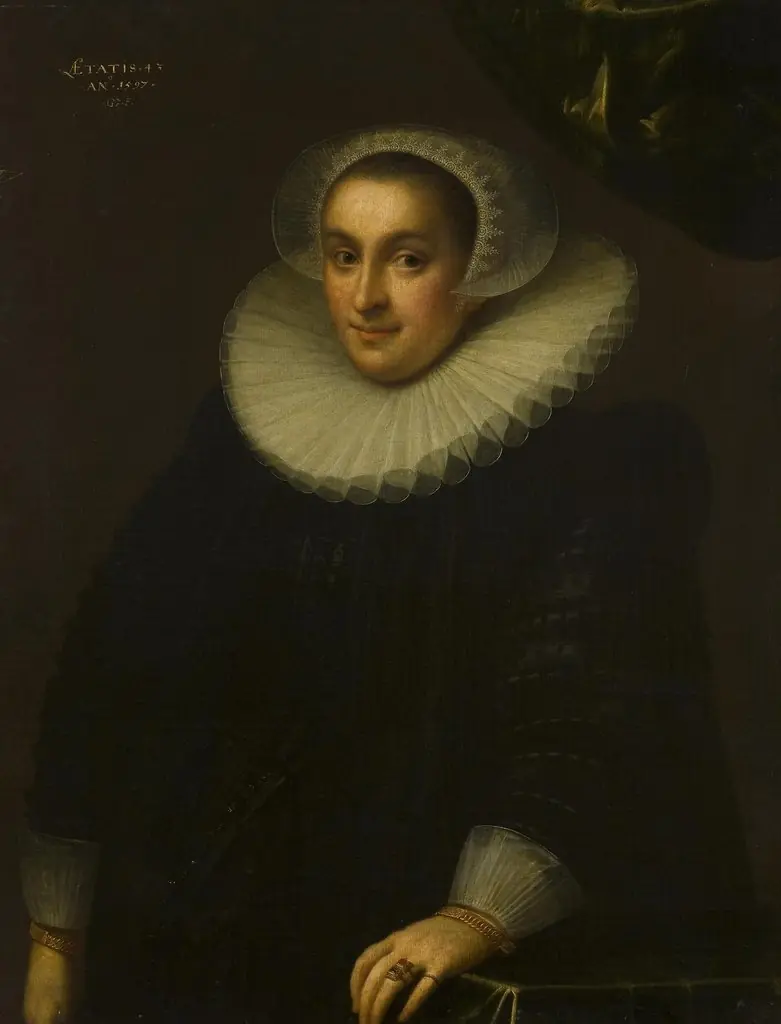 Portrait of Cornelia Bot, wife of Gottfried Houtappel
 Portret van een vrouw
 Portrait of Hendrickje Uylenburgh (1600-c. 1682)
 Portrait of a Woman
 Portrait of Johanna Martens
 Portrait of Ernestine Yolande (1594-1663), Princess of Ligne
 Untitled