Artwork
Illustration of Princes Theatre Manchester
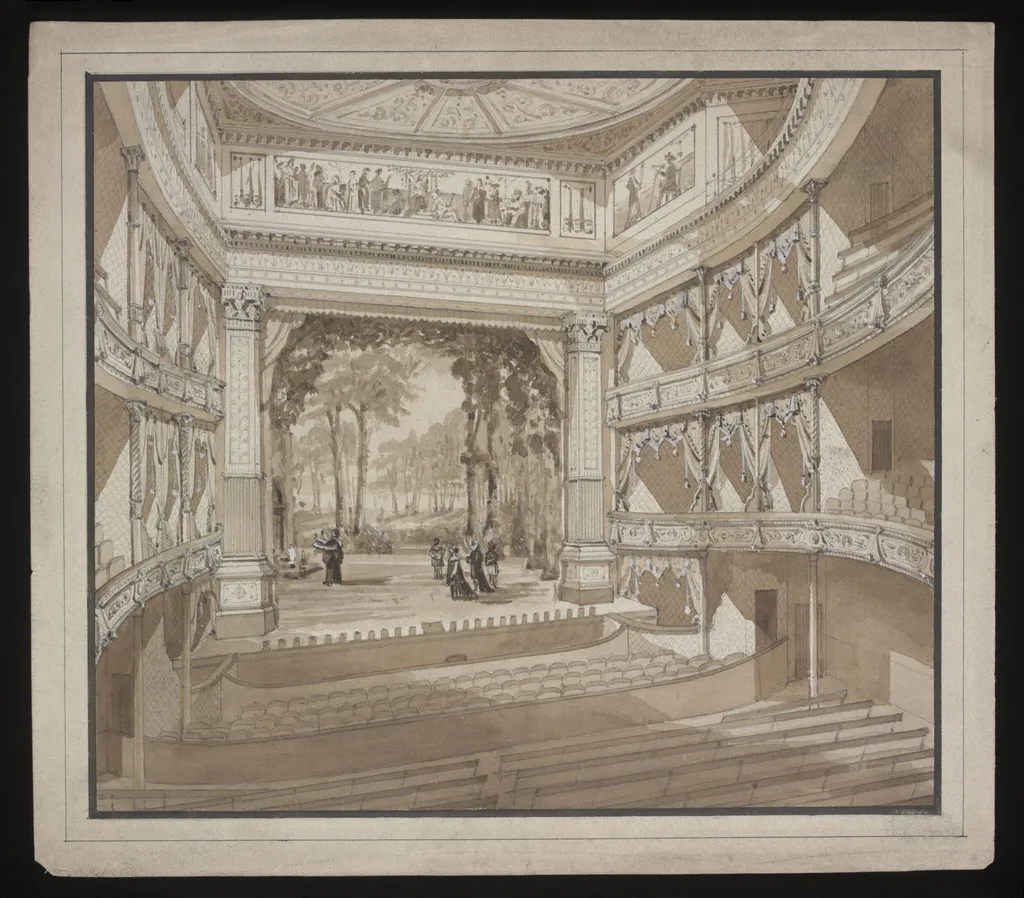
Illustration of Princes Theatre Manchester is a drawing by Unknown. It dates from 1900 and is held in the collection of the Victoria and Albert Museum.
About this work
The drawing was made for a newspaper or magazine, giving a glimpse of what the theatre looked like.
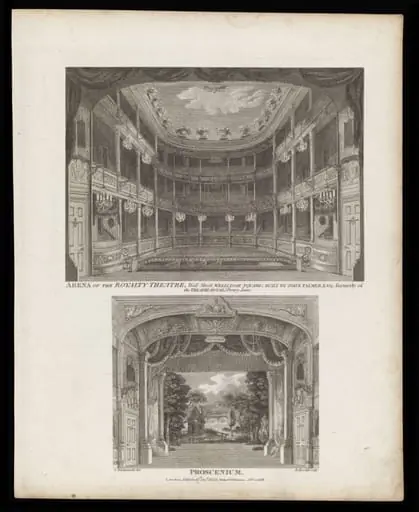
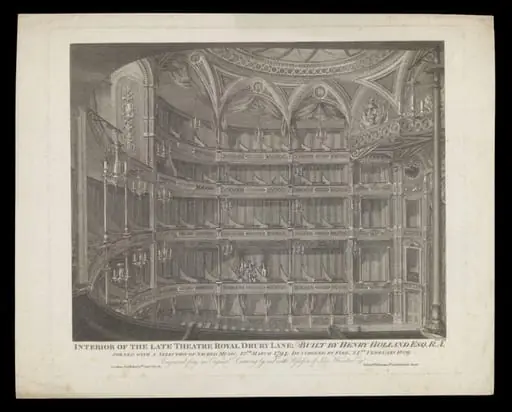
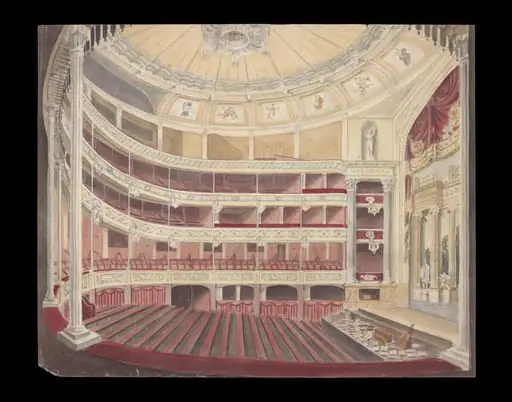
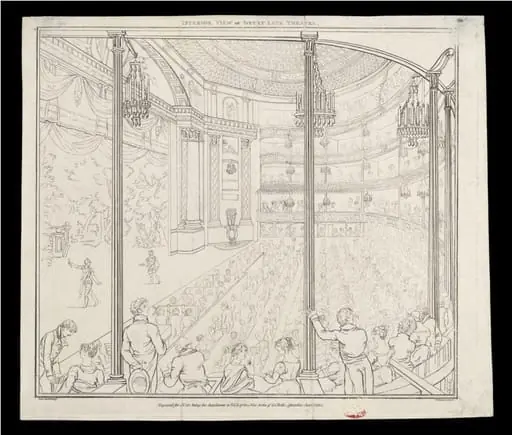
The painting shows the interior of the Princes Theatre in Manchester.
It's a detailed drawing with rows of seats and a stage.
The drawing was made for a newspaper or magazine, giving a glimpse of what the theatre looked like.
This theatre illustration is one of many in a collection.
The collection was donated to a museum by Sir William James Ingram in 1914.
To learn more about similar illustrations, look up the technique: cross-hatching.
Overview
This pencil drawing depicts the interior of the Princes Theatre in Manchester, created as a reproductive illustration for periodical publication. It belongs to a series of theatrical interiors commissioned from artists to accompany journalistic features in illustrated magazines. The work was part of a larger collection donated to the museum by Sir William James Ingram in 1914, reflecting early 20th-century interest in documenting public performance spaces through visual journalism.
Subject & Meaning
The drawing captures the auditorium of the Princes Theatre during a performance, emphasizing its architectural layout: tiered seating, proscenium arch, and stage space. Its purpose was not artistic expression but documentation—offering readers a visual proxy for an experience they could not attend. The composition conveys the social and spatial order of theatre-going culture, where audience and performer occupied distinct, visible realms.
Technique & Style
Rendered in fine-line pencil with cross-hatching, the drawing uses dense linear patterns to suggest shadow, depth, and texture. The technique allows for precise rendering of architectural details and the layered seating arrangement without color. The style is restrained and observational, prioritizing clarity and accuracy over embellishment, consistent with the demands of mass-printed illustration at the time.
History & Provenance
The drawing was produced as part of a curated set of theatrical sketches commissioned for publication in illustrated periodicals. It entered the museum’s collection in 1914 through the donation of Sir William James Ingram, a collector with an interest in contemporary graphic arts. The series represents a deliberate effort to preserve ephemeral visual records of popular entertainment venues before they were altered or lost.
Context
In the late 19th and early 20th centuries, illustrated newspapers and magazines frequently featured detailed drawings of public spaces, including theatres, to satisfy public curiosity. These images served as both news and cultural record, especially for audiences unable to attend performances. The Princes Theatre, a prominent venue in Manchester, was one of many sites documented in this way, reflecting the era’s growing visual media culture.
Legacy
The drawing survives as a fragment of a broader visual archive of British theatre interiors, now rare due to the ephemeral nature of periodical print. Its preservation offers insight into how performance spaces were visually communicated to the public before photography became dominant. It remains a reference for understanding the intersection of journalism, art, and urban cultural life in Edwardian England.
Artist & collection

 Domestic Scene
 Giacomo and Cardinal Marco, investing Andrea, Abbot of San Zeno, with his Benefice
 The Nymph of Fontainebleau
 Portrait of a Woman
 Madonna and Child with Saints in the Enclosed Garden
 Venus and Minerva
 Family Group of Four on Sofa
 Wall painting from Room H of the Villa of P. Fannius Synistor at Boscoreale