Artwork
John Baptist Lully
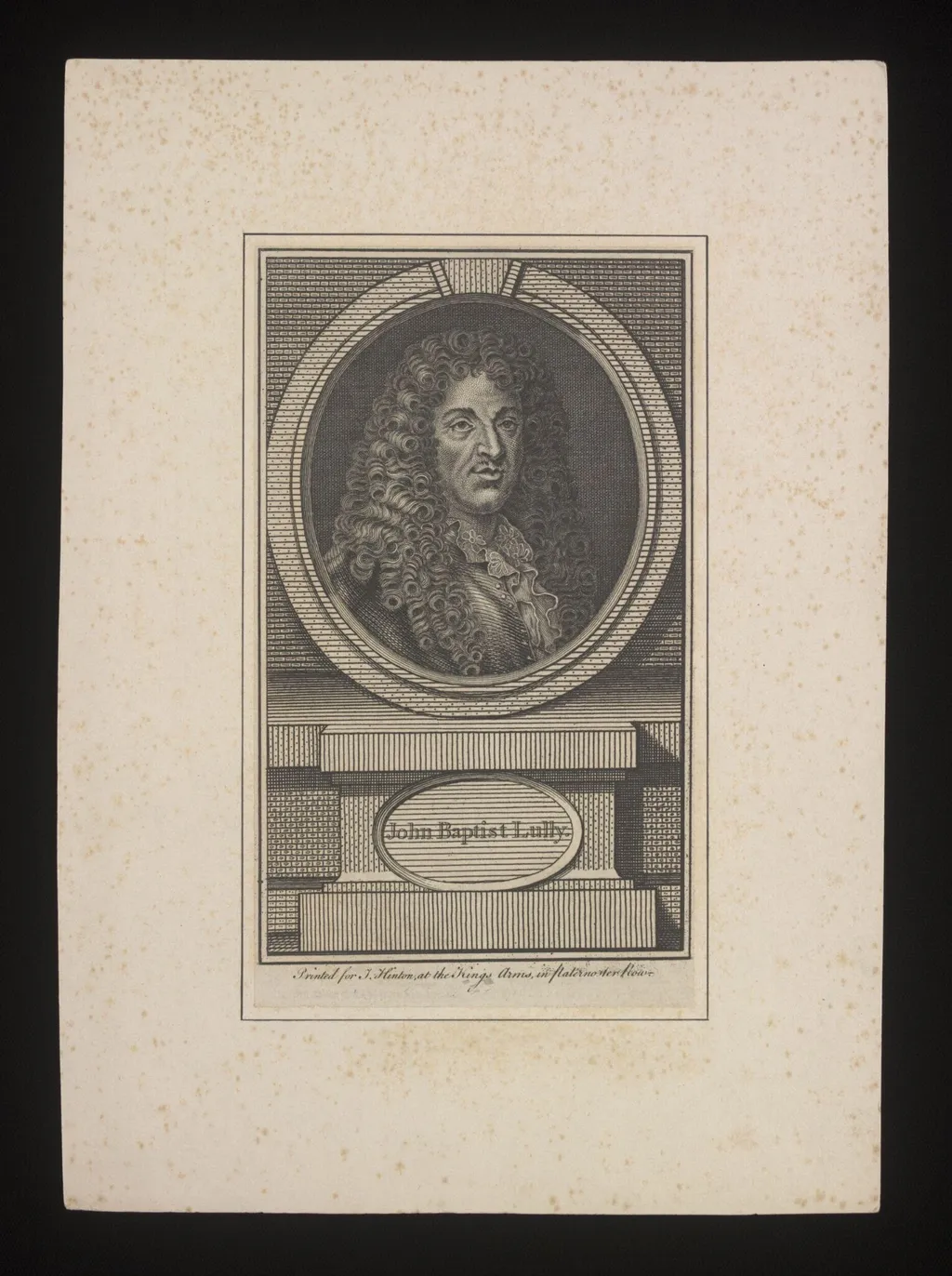
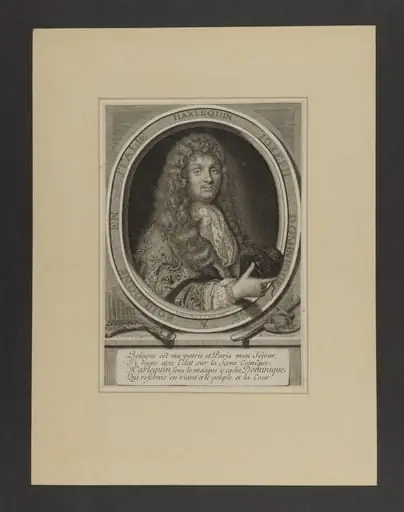
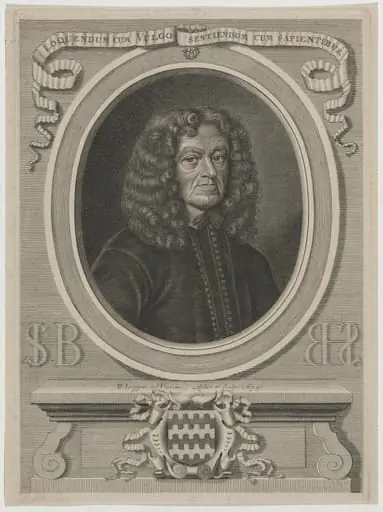
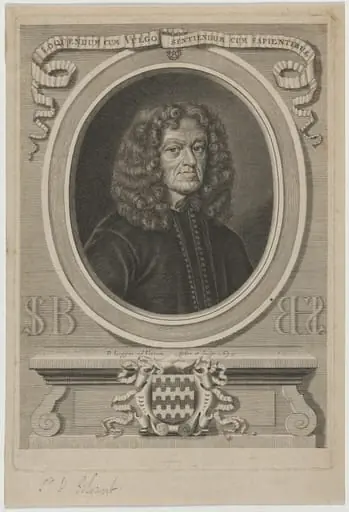
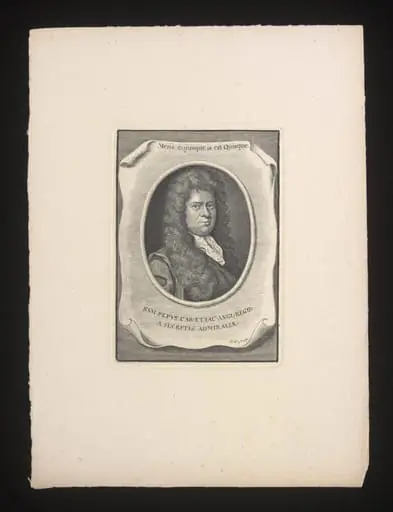
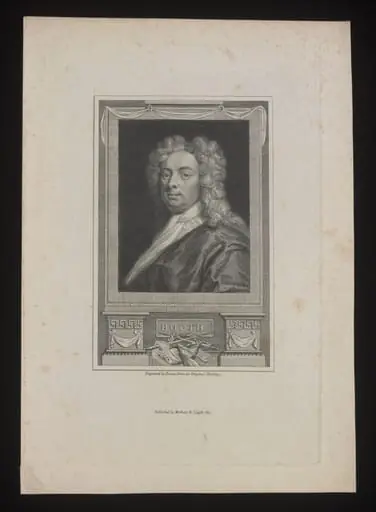
John Baptist Lully is a print by Unknown. It dates from 1750 and is held in the collection of the Victoria and Albert Museum. This print portrays Jean-Baptiste Lully, a prominent 17th-century French composer, rendered in a historical printmaking style.
About this work
Overview
This print portrays Jean-Baptiste Lully, a prominent 17th-century French composer, rendered in a historical printmaking style.
This print portrays Jean-Baptiste Lully, a prominent 17th-century French composer, rendered in a historical printmaking style. Part of the Harry Beard Collection, it was likely assembled for its documentary value rather than aesthetic novelty. The work reflects 18th- or 19th-century efforts to visually preserve the likenesses of cultural figures from earlier centuries, using techniques that emphasized detail and period authenticity.
Subject & Meaning
Jean-Baptiste Lully, master of French court music under Louis XIV, is depicted in attire consistent with the late Baroque era. His formal garments and composed expression convey his status as a central figure in the institutionalization of French opera. The portrait serves less as a personal likeness and more as a symbolic representation of artistic authority during the rise of state-sponsored culture in France.
Technique & Style
The print employs chiaroscuro to model form through contrasts of light and shadow, enhancing the three-dimensionality of Lully’s features and clothing. Fine lines define lace, fabric folds, and facial contours, typical of engraved or etched portraiture of the period. The method prioritizes clarity and historical accuracy over expressive flair, aligning with the collection’s archival aims.
History & Provenance
The print originates from the Harry Beard Collection, a 19th-century assemblage of theatrical and musical portraits. Beard, a noted collector of performance history, sought to document figures who shaped British and French stage traditions. This piece was likely acquired as a reference for the evolution of musical portraiture, not as an original contemporary image of Lully.
Context
Lully’s image circulated widely in print after his death, often reinterpreted by later artists unfamiliar with his actual appearance. This version reflects the 18th-century veneration of court musicians and the growing interest in visualizing cultural heritage. Such prints were used in libraries, theaters, and private collections to reinforce national artistic legacies during a period of rising historiography.
Legacy
Though not an original portrait from Lully’s lifetime, this print contributed to the visual canon of early French composers. It exemplifies how historical figures were memorialized through reproductive printmaking, shaping public perception long after their deaths. The work remains a material trace of 19th-century efforts to curate and preserve musical history through imagery.
Artist & collection

 Domestic Scene
 Giacomo and Cardinal Marco, investing Andrea, Abbot of San Zeno, with his Benefice
 The Nymph of Fontainebleau
 Portrait of a Woman
 Madonna and Child with Saints in the Enclosed Garden
 Venus and Minerva
 Family Group of Four on Sofa
 Wall painting from Room H of the Villa of P. Fannius Synistor at Boscoreale