Artwork
John Heydon
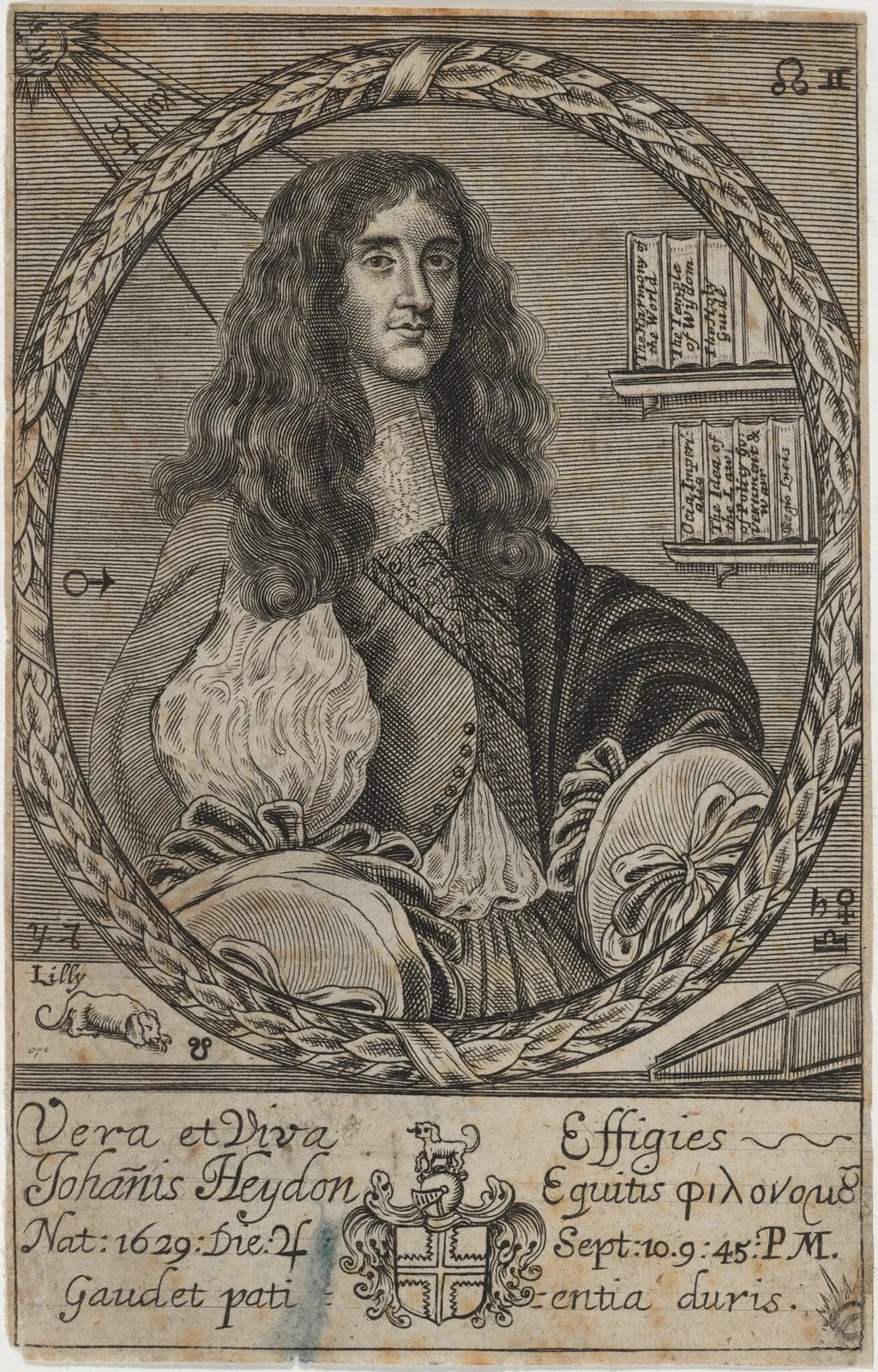
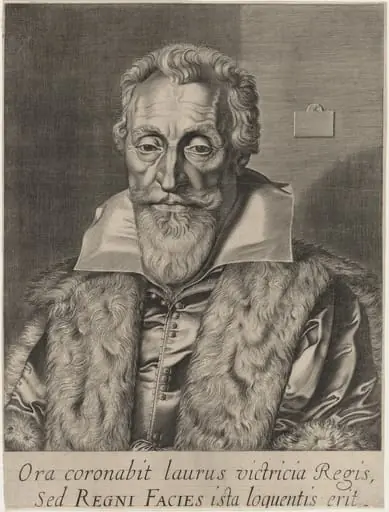
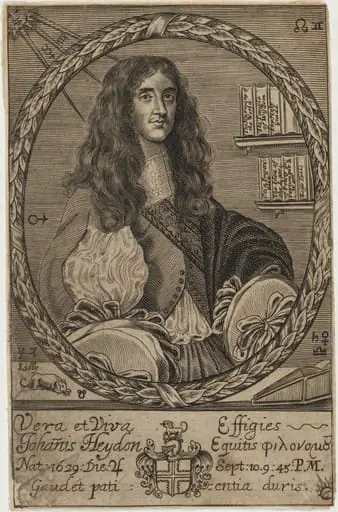
John Heydon is an ink print by the Baroque artist Unknown 19th Century. It dates from 1664 and is held in the collection of the National Gallery of Art.
About this work
The artist's identity has been lost to time, and that's what makes this piece intriguing.
This painting shows John Heydon, a figure from the 17th century.
He's dressed in old-fashioned clothes.
The interesting thing about this work is that it was published in 1664, but the artist is unknown, and it's an engraving from the 19th century, which is a bit puzzling.
The artist's identity has been lost to time, and that's what makes this piece intriguing.
You can learn more about this type of artwork by looking into the technique: engraving.
Overview
This engraving depicts John Heydon, a 17th-century English figure, though the artist remains unidentified. Though the image was published in 1664, the print itself was produced in the 19th century, creating a temporal disconnect between the subject and the medium. The work belongs to the print tradition, where historical portraits were often reissued long after their original creation, sometimes without clear attribution.
Subject & Meaning
John Heydon was a known figure in 17th-century England, associated with legal and political circles. The portrait presents him in period attire, suggesting an effort to preserve his public image. The engraving likely served as a commemorative or documentary record, intended to circulate his likeness beyond immediate social circles, though its exact purpose—personal, institutional, or commercial—remains unclear.
Technique & Style
Executed as an engraving, the image relies on incised lines on a metal plate to create tonal contrast and detail. The style is formal and restrained, typical of portrait engravings of the era, with attention to facial structure and clothing texture. The 19th-century execution indicates a later reproduction, possibly made from an earlier drawing or print, reflecting the enduring interest in historical figures through reproductive printmaking.
History & Provenance
The engraving was published in 1664, yet the physical impression dates to the 1800s, suggesting it was reprinted decades or centuries later. The original artist’s identity has been lost, and no definitive record links the 19th-century plate to a specific engraver. This gap in provenance reflects common practices in print circulation, where images were reused without attribution, especially for historical subjects.
Context
In the 17th century, engravings of notable individuals were widely distributed as affordable visual records. By the 19th century, antiquarian interest revived such images, prompting reprints for collectors and historians. Heydon’s portrait fits this pattern: a once-contemporary likeness repurposed in a later era to satisfy growing curiosity about past figures, particularly those linked to legal or civic life.
Legacy
The engraving survives as a fragment of historical documentation, valued for its visual record of Heydon’s appearance rather than its artistic originality. Its uncertain origins underscore the challenges of attributing reproductive prints. Today, it serves as an example of how historical portraiture was preserved and transmitted through print culture, long after the lives of its subjects had passed.
Artist & collection

Artist

 H Beard Print Collection
 Sir William Davenant
 Portrait of a Man
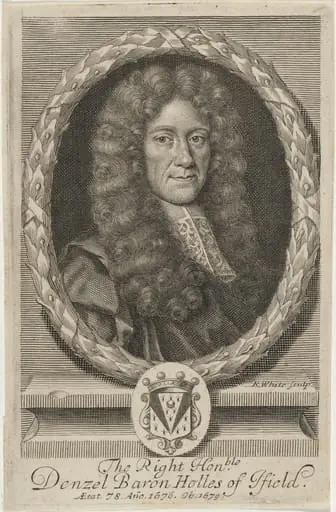 Denzil, First Baron Holles
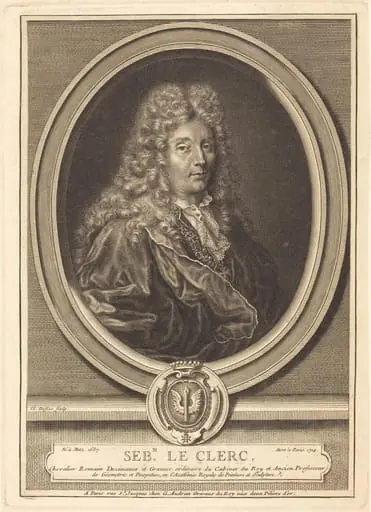 Sebastian Le Clerc
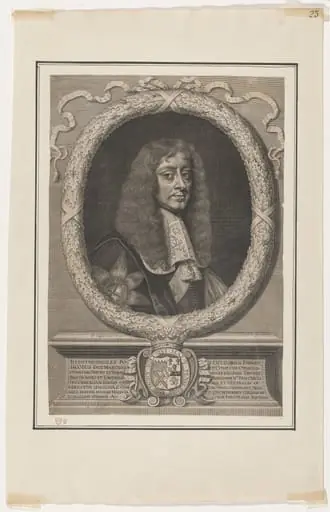 James Butler, First Duke of Ormonde
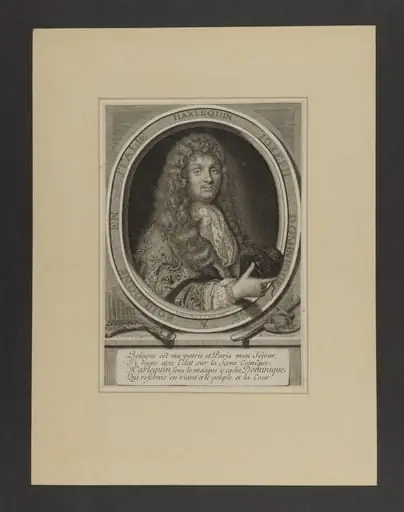 H Beard Print Collection
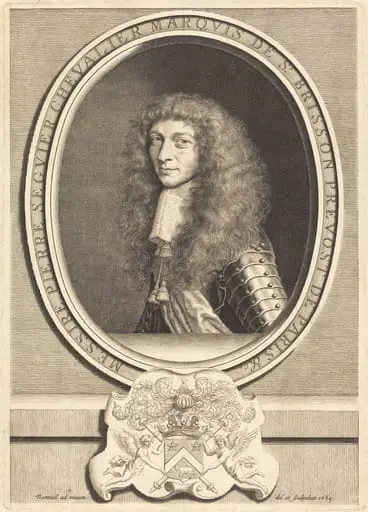 Pierre Seguier, Marquis de Saint-Brisson
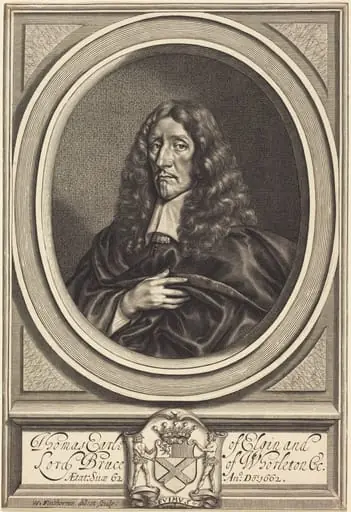 Thomas Bruce, Earl of Elgin
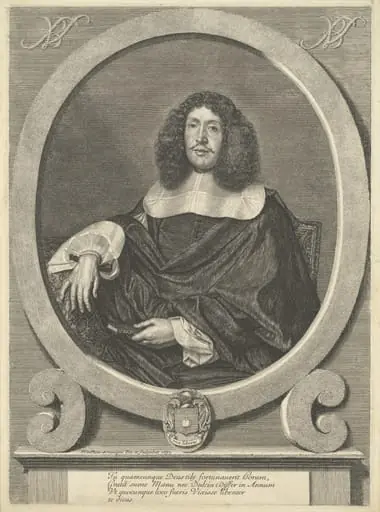 Vincent Barthélémy
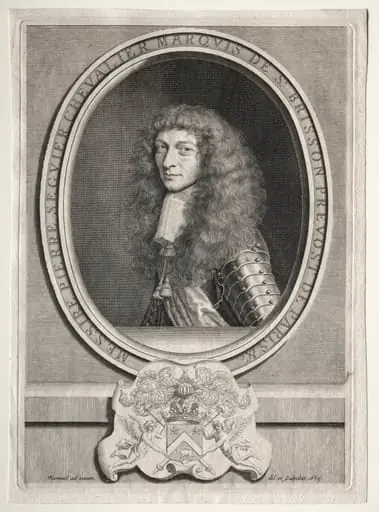 Pierre Seguier Chevalier, Marquis de St. Brisson
 John Heydon