Artwork
Judith met het hoofd van Holofernes
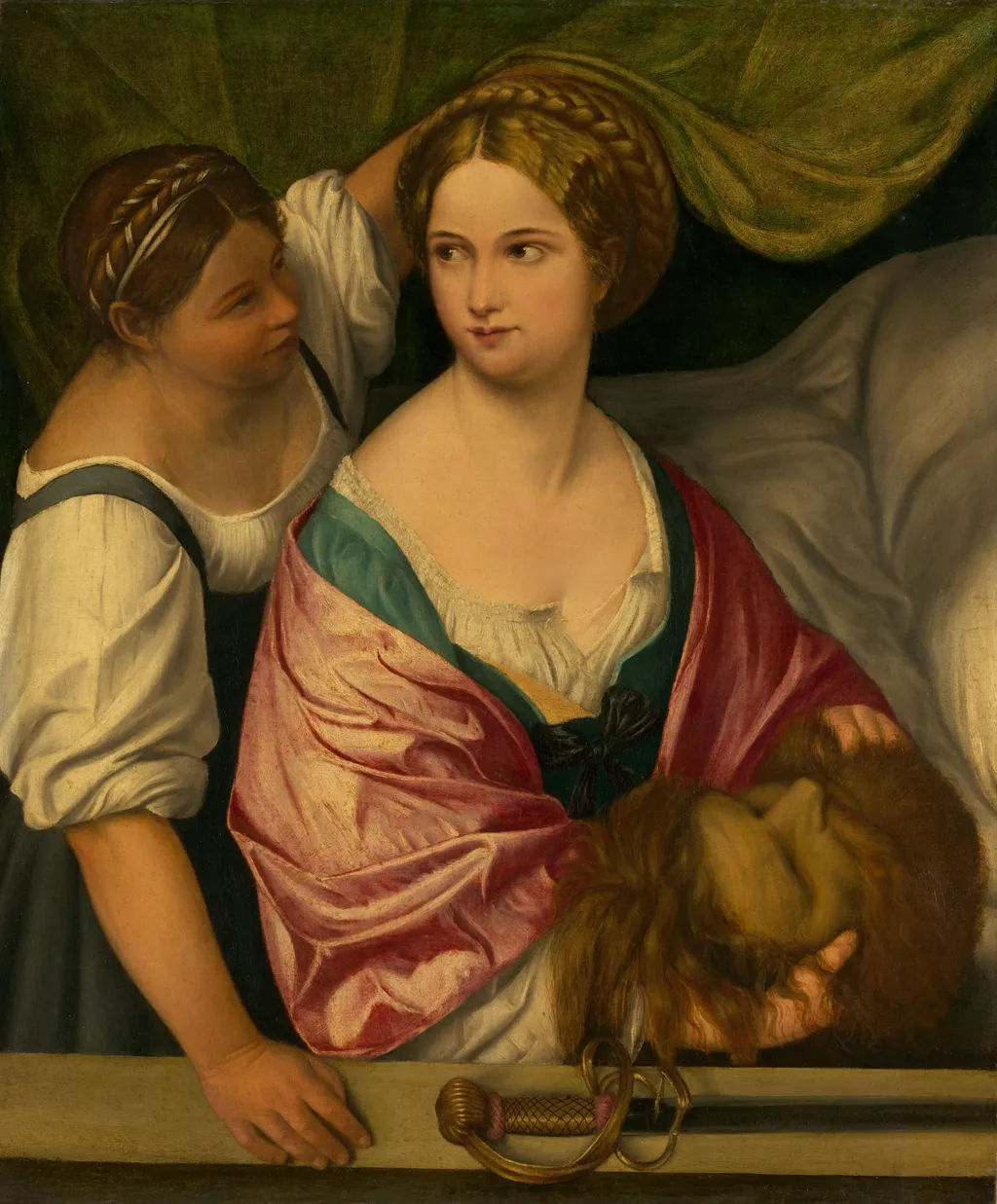
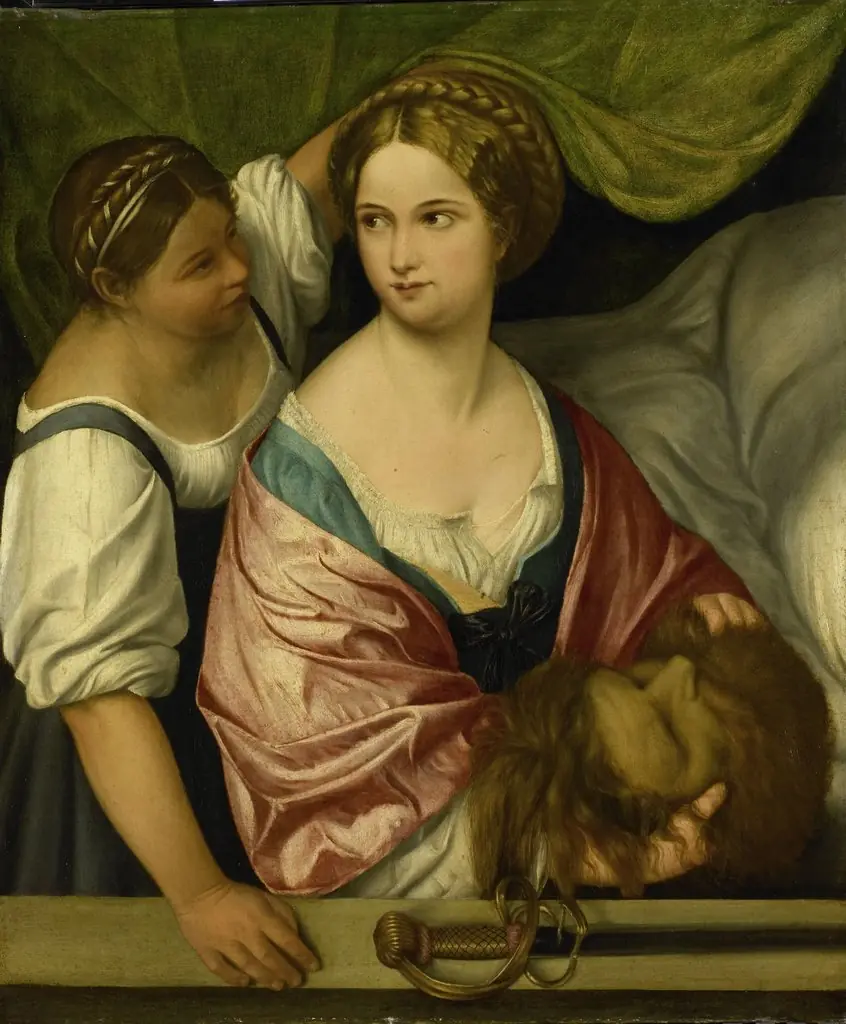
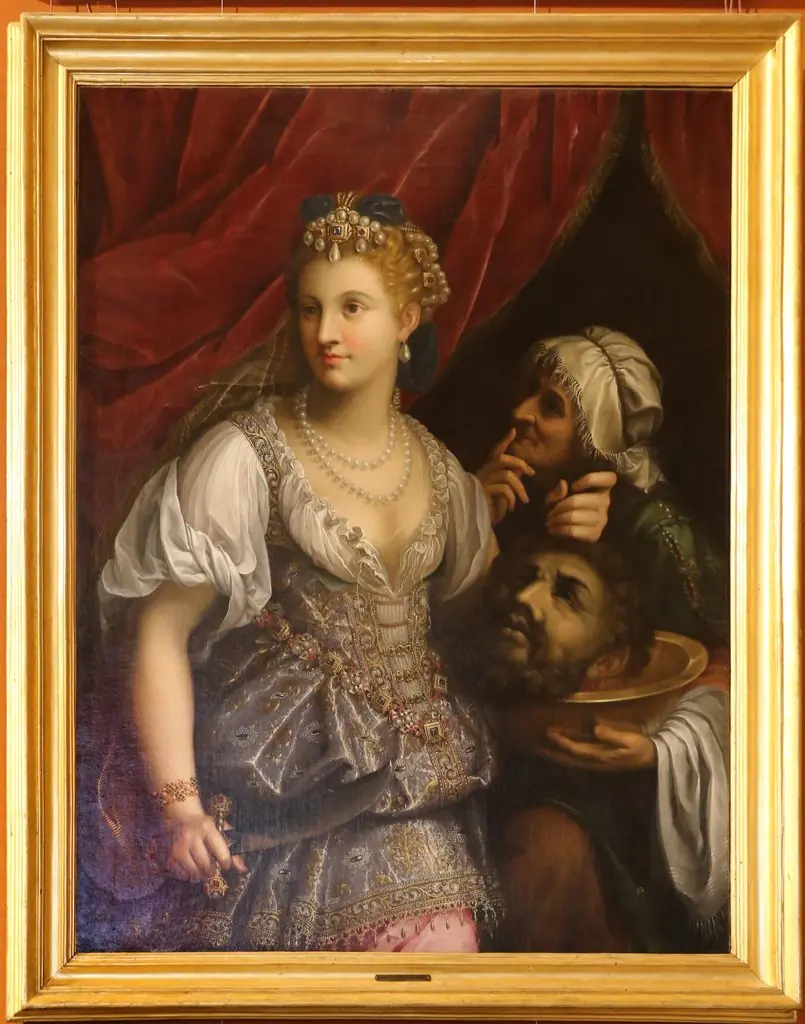
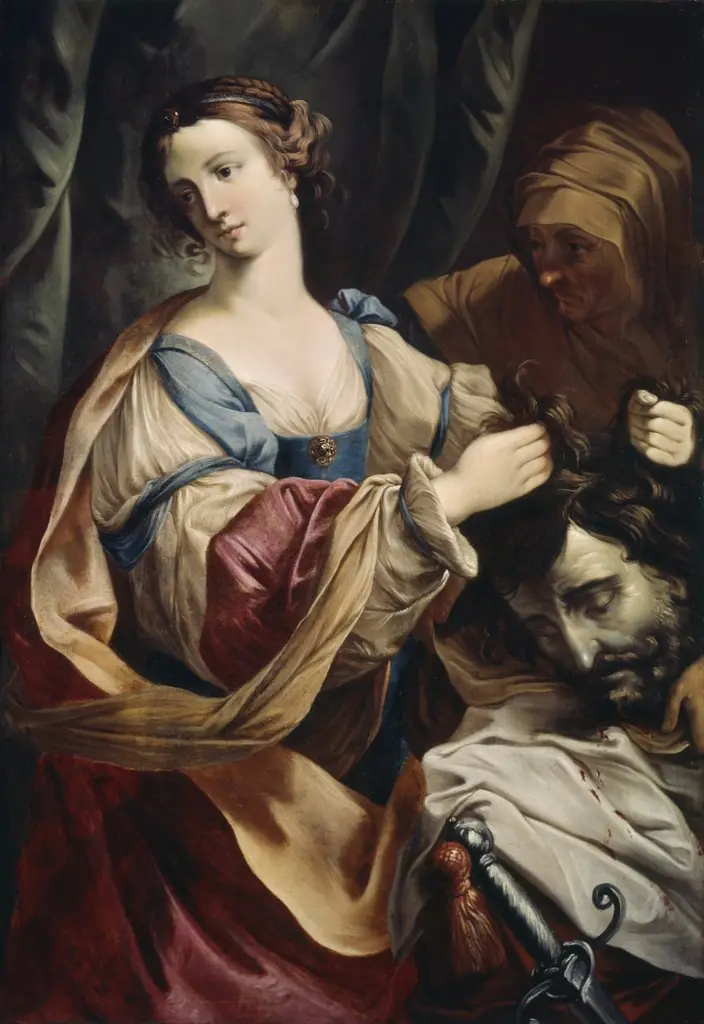
Judith met het hoofd van Holofernes is an unspecified painting by the Mannerist artist Unknown. It dates from 1520 and is held in the collection of the Rijksmuseum. The work depicts the biblical heroine Judith immediately after she has slain the Assyrian general Holofernes.
About this work
Overview
The work depicts the biblical heroine Judith immediately after she has slain the Assyrian general Holofernes. In the composition she bears his severed head in one hand while clutching a sword in the other, the blood from the wound spilling onto the floor. The scene captures the decisive moment of the story in which Judith’s act frees her people from oppression.
Subject & Meaning
Judith’s narrative is one of the few biblical episodes that foreground a woman’s agency in confronting a male antagonist. By presenting her as composed rather than triumphant, the painting emphasizes a sober, perhaps weary, resolve rather than overt victory, suggesting a contemplation of the moral weight of her deed.
Technique & Style
The figure of Judith stands centrally, her posture relaxed and her expression impassive, almost indifferent. The sword she holds is the very weapon used for the beheading, and the severed head rests prominently, its features rendered with stark realism. A thin line of blood trails from the wound to the ground, adding a visceral detail to the otherwise restrained scene.
Context
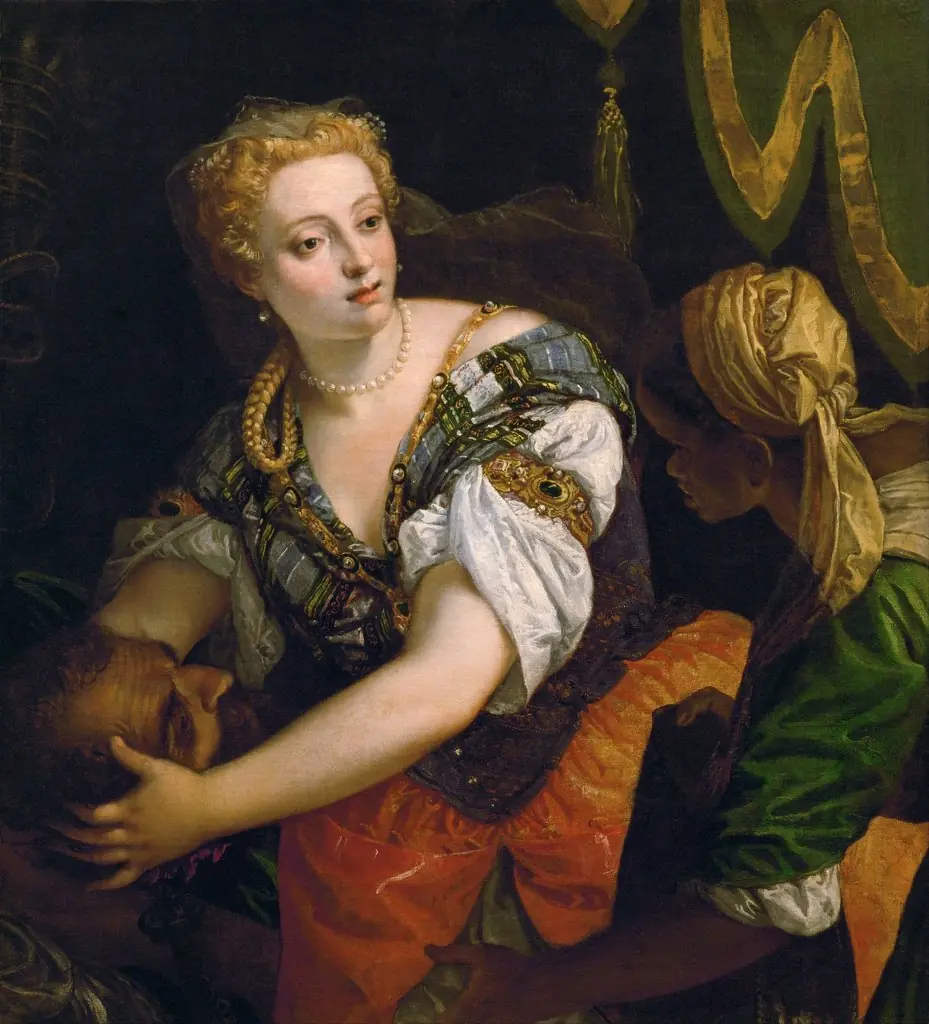
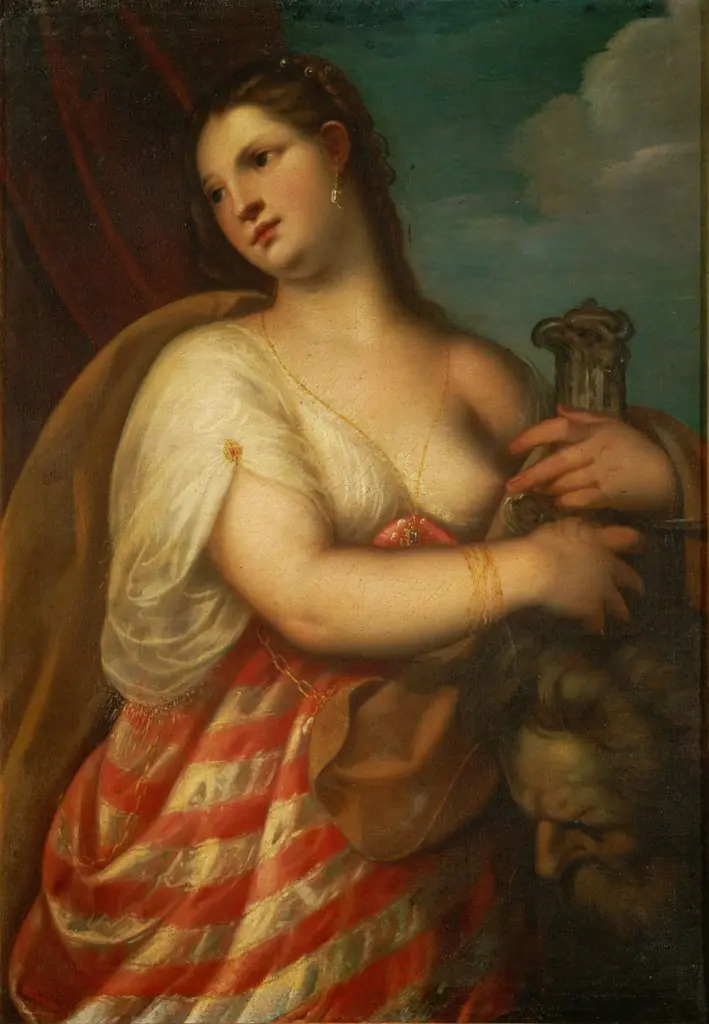
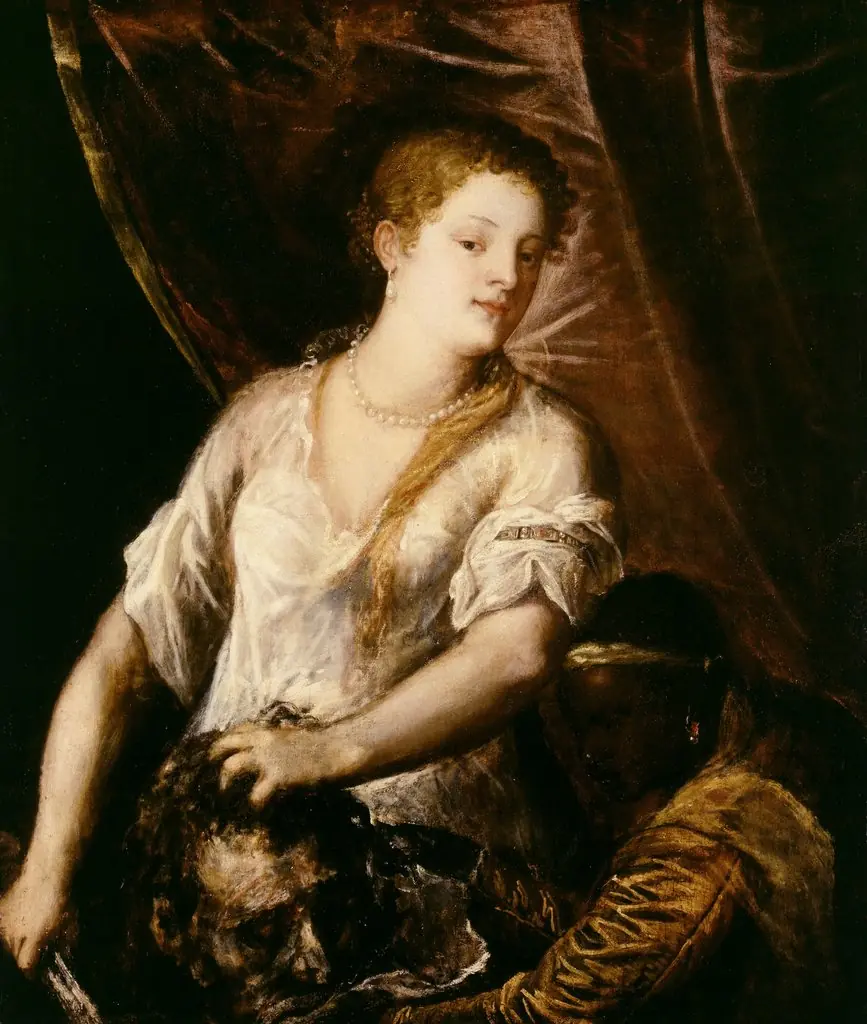
Artists have traditionally portrayed Judith either in the throes of triumph or in fearful alarm. This rendition diverges by opting for a muted emotional tone, aligning with a broader artistic trend that explores psychological depth over heroic spectacle. Comparable treatments of the same subject can be found in the collections of the Rijksmuseum, illustrating varied interpretive approaches.
Artist & collection

 Domestic Scene
 Giacomo and Cardinal Marco, investing Andrea, Abbot of San Zeno, with his Benefice
 The Nymph of Fontainebleau
 Portrait of a Woman
 Madonna and Child with Saints in the Enclosed Garden
 Venus and Minerva
 Family Group of Four on Sofa
 Wall painting from Room H of the Villa of P. Fannius Synistor at Boscoreale