Artwork
Judith with the Head of Holofernes
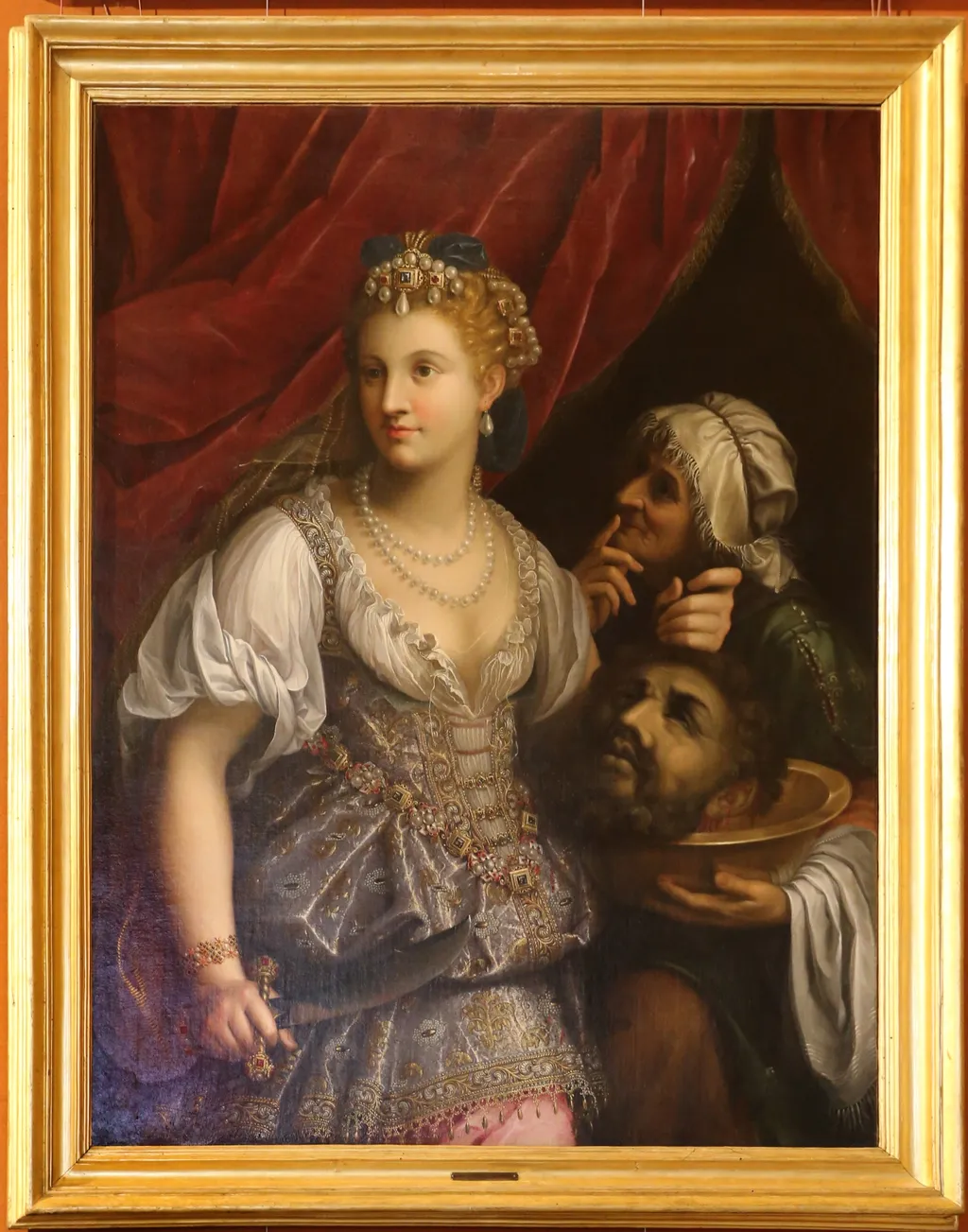
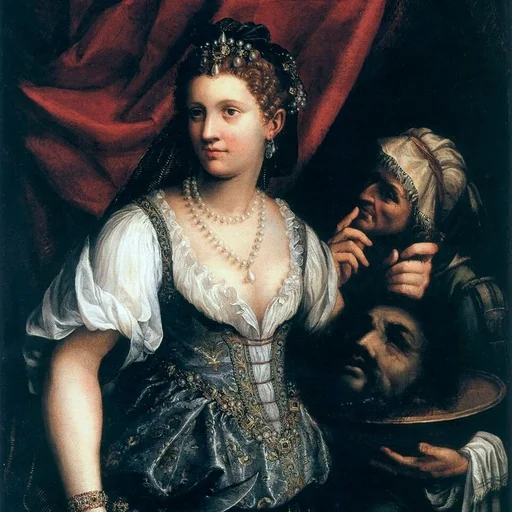
Judith with the Head of Holofernes is an unspecified painting by the Mannerist artist Fede Galizia. It dates from 1614 and is held in the collection of the Galleria Borghese.
About this work
Overview
Judith with the Head of Holofernes, painted circa 1614 by Fede Galizia, is a religious work by the Italian artist, known for her still-life, portrait, and religious compositions, despite limited court patronage compared to her contemporaries.
Subject & Meaning
The painting illustrates the biblical scene of Judith holding the severed head of Holofernes, accompanied by a sword, symbolizing her heroic act. The composition includes a servant with the head on a platter, contrasting Judith's regal attire with the servant's simplicity.
Technique & Style
Characteristic of the Mannerist movement, the work employs chiaroscuro, creating dramatic contrasts between light and dark. Intricate details, such as Judith's gold-embroidered, blue-sashed dress, and the red curtain background, enhance the scene's depth and emotional impact.
History & Provenance
Created around 1614, the painting's provenance is not detailed here, though it is attributed to Fede Galizia's religious oeuvre, distinct from her more common still-life works.
Context
As a female artist of her time with limited court connections, Galizia's work reflects her adaptability across genres, from still-life to religious themes, within the stylistic bounds of Mannerism.
Legacy
While specific legacy details are not provided, the painting's use of Mannerist techniques and its depiction of a strong biblical female figure contribute to its significance within early 17th-century Italian art.
Artist & collection
Artist
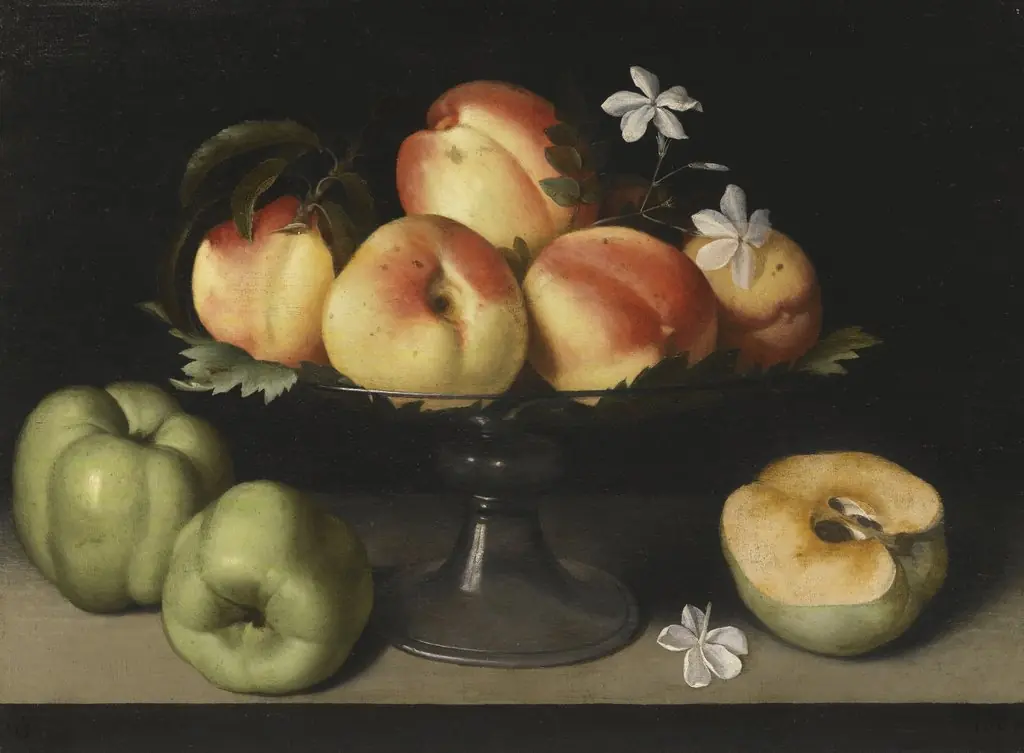
Fede Galizia (c. 1578 – c. 1630) was an Italian painter of still-lifes, portraits, and religious pictures. She is especially noted as a painter of still-lifes of fruit, a genre in which she was one of the earliest…

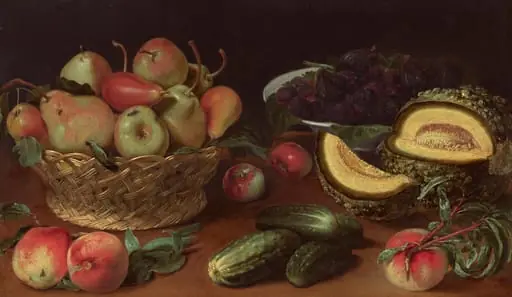
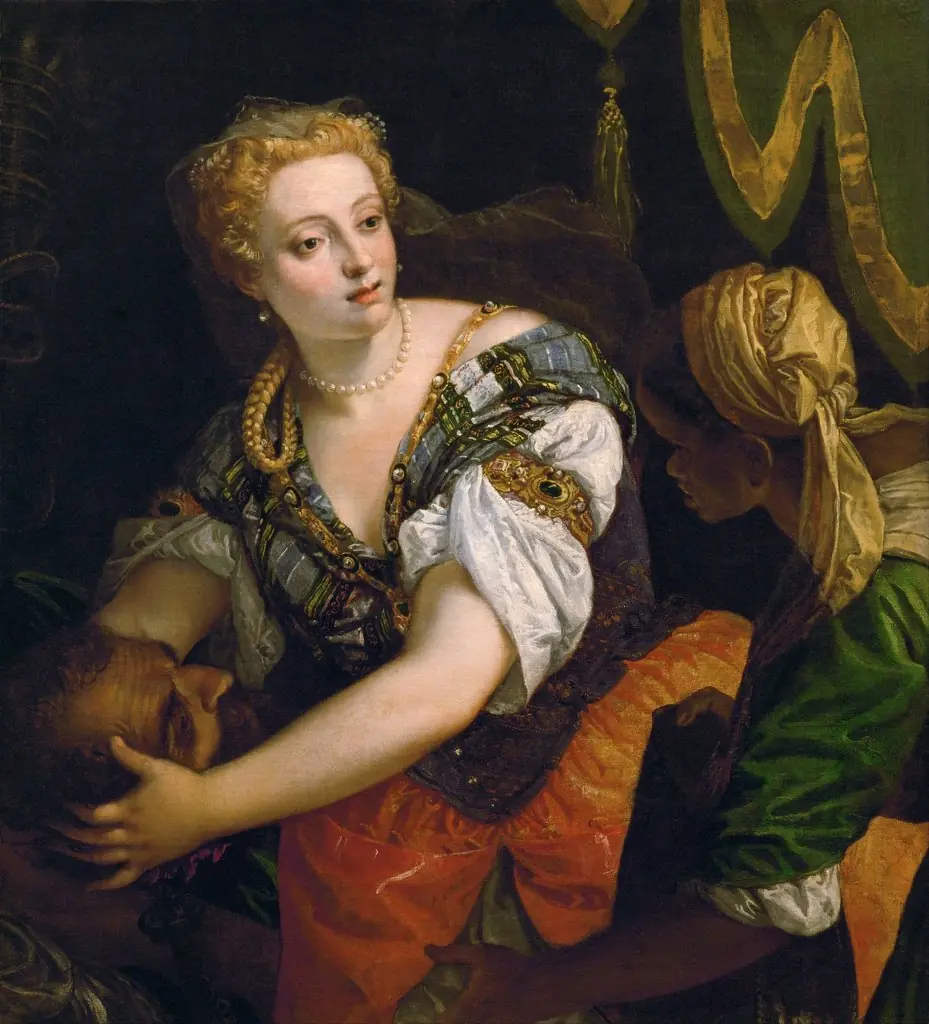 Judith with the Head of Holofernes
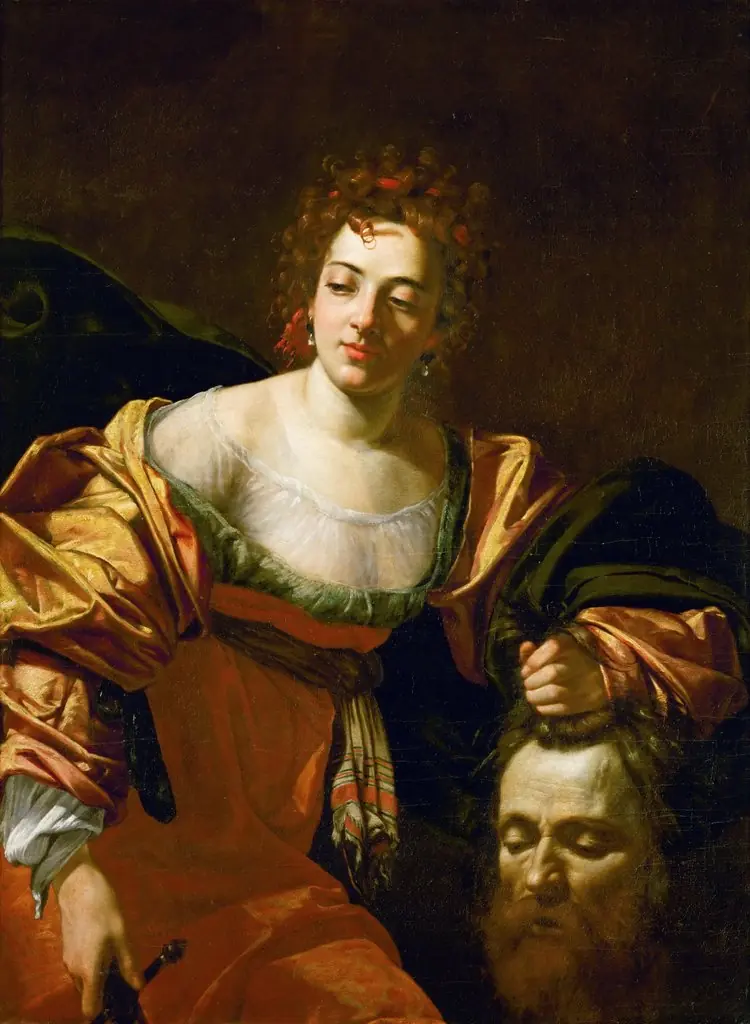 Judith with the Head of Holofernes
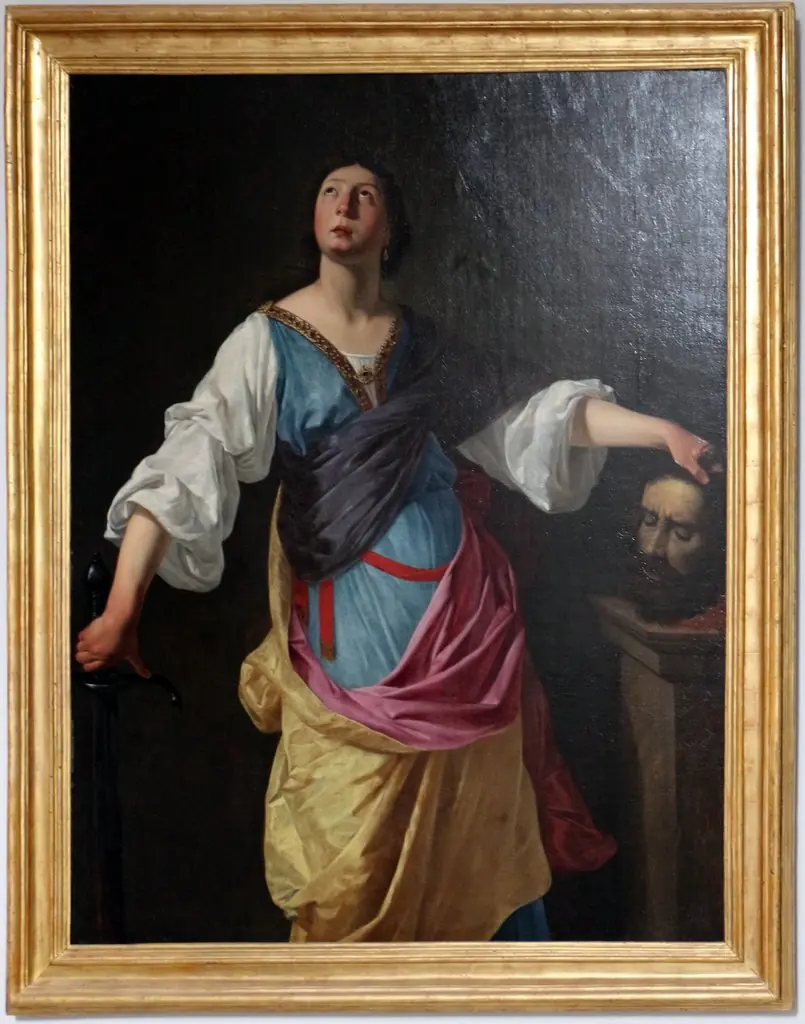 Judith and the Head of Holofernes
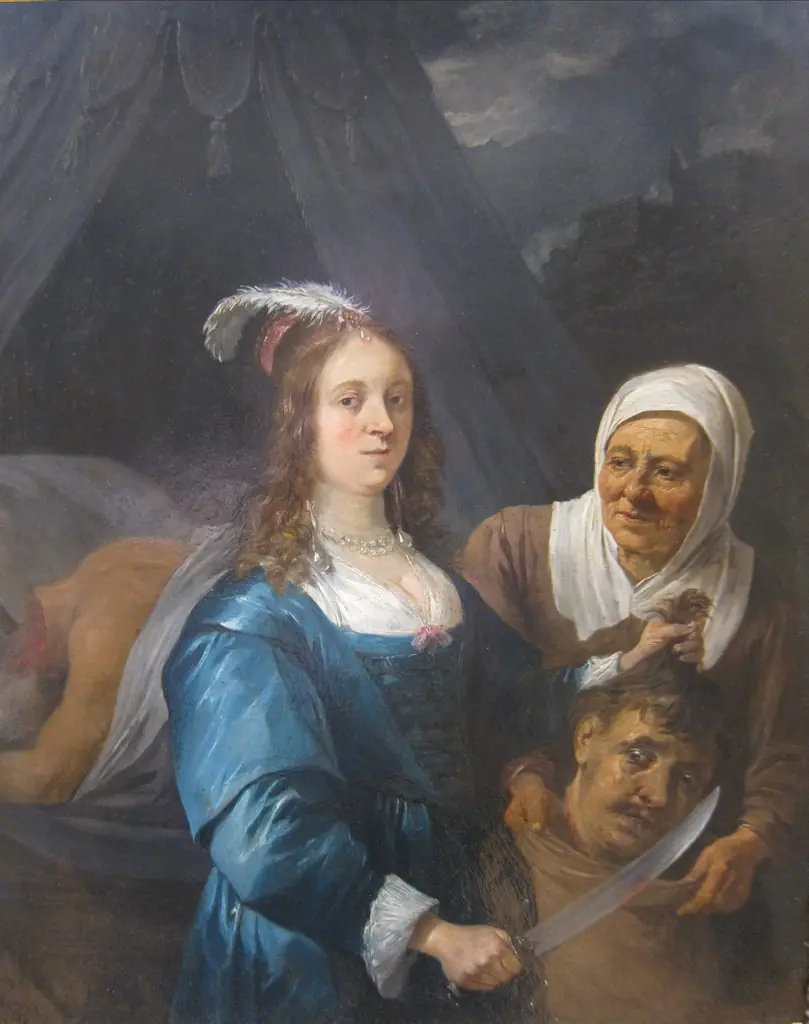 Judith with the Head of Holofernes
 Judith with the Head of Holofernes
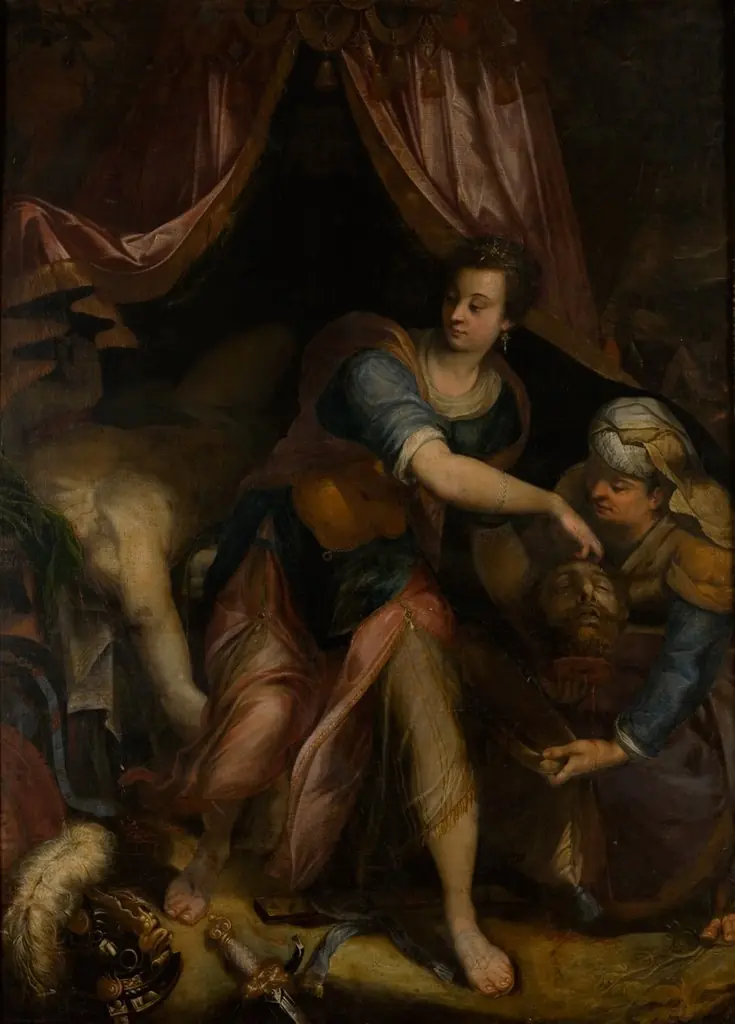 Judith with the Head of Holofernes
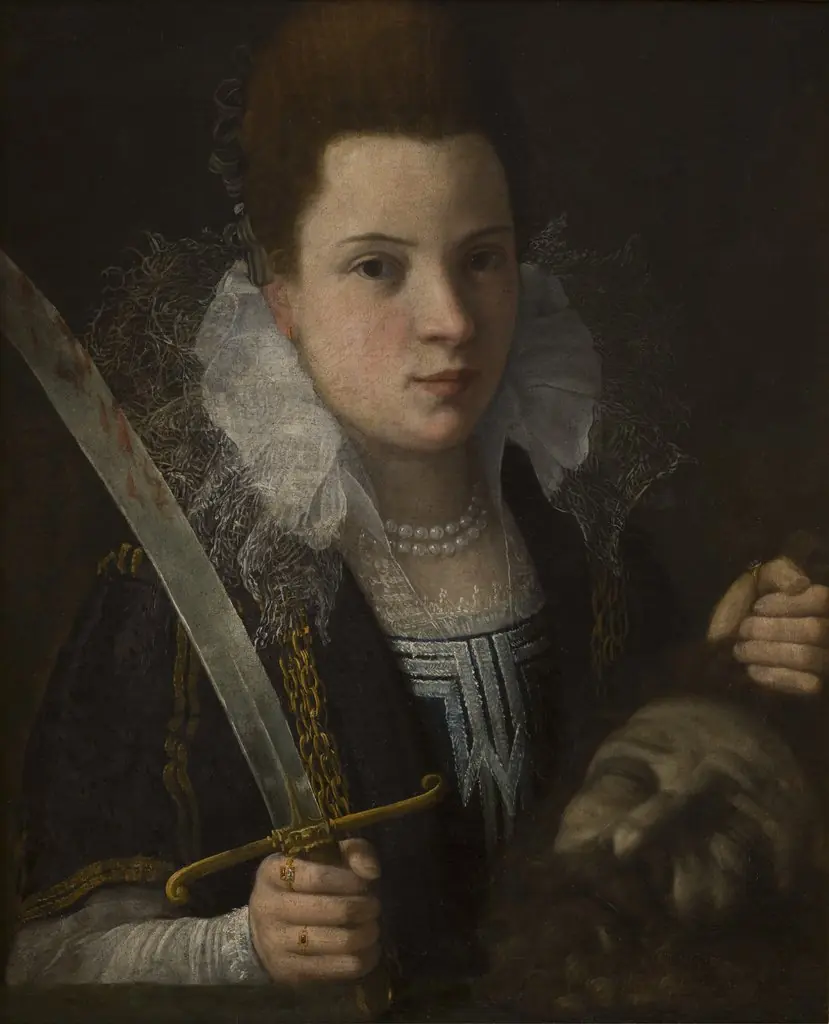 Judith with the Head of Holofernes
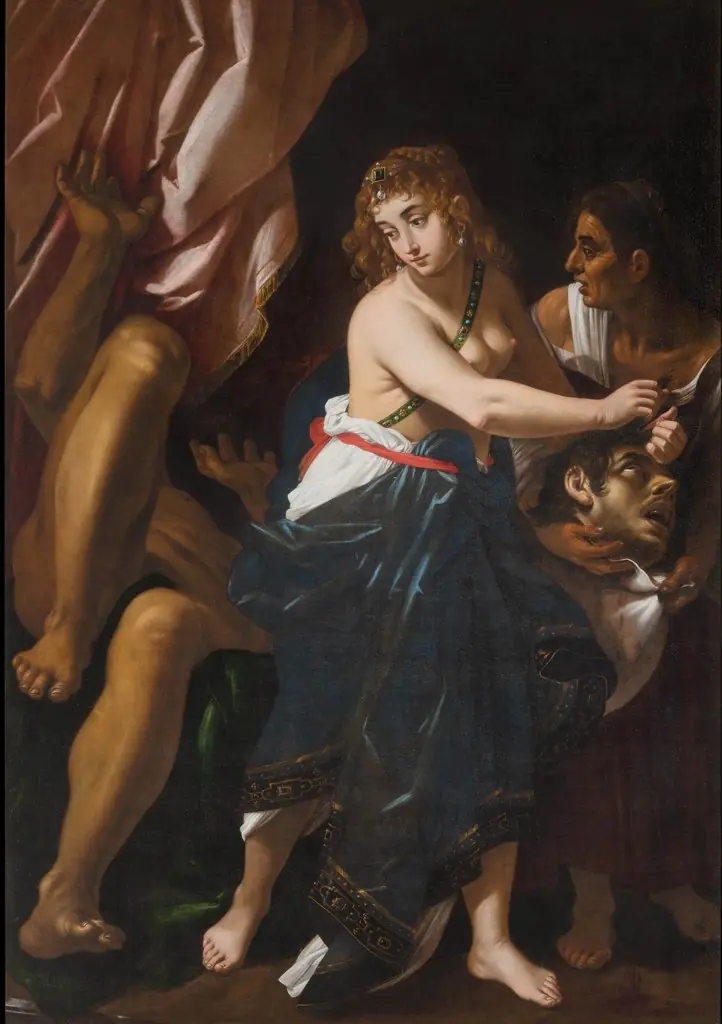 Judith and the Head of Holofernes
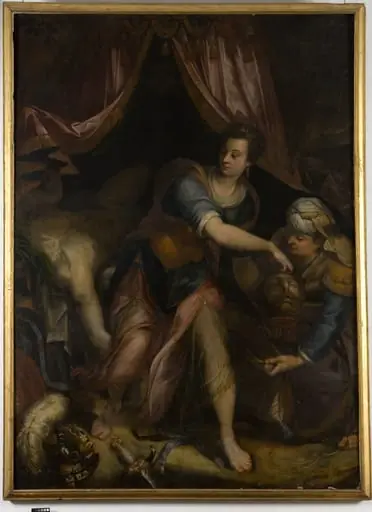 Judith with the Head of Holofernes
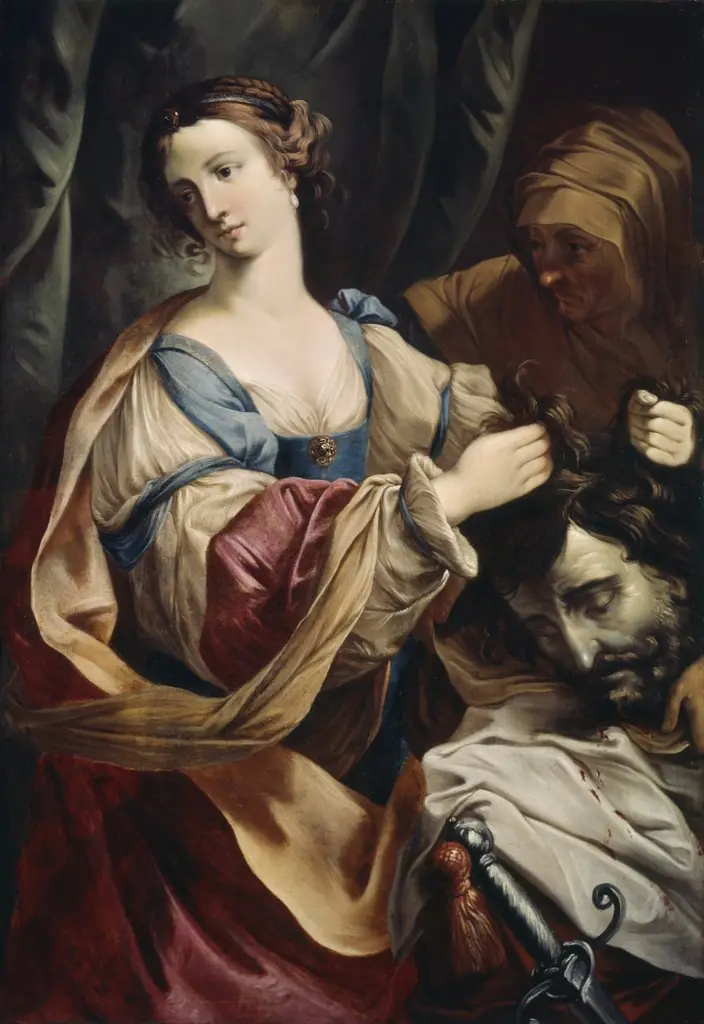 Judith with the Head of Holofernes
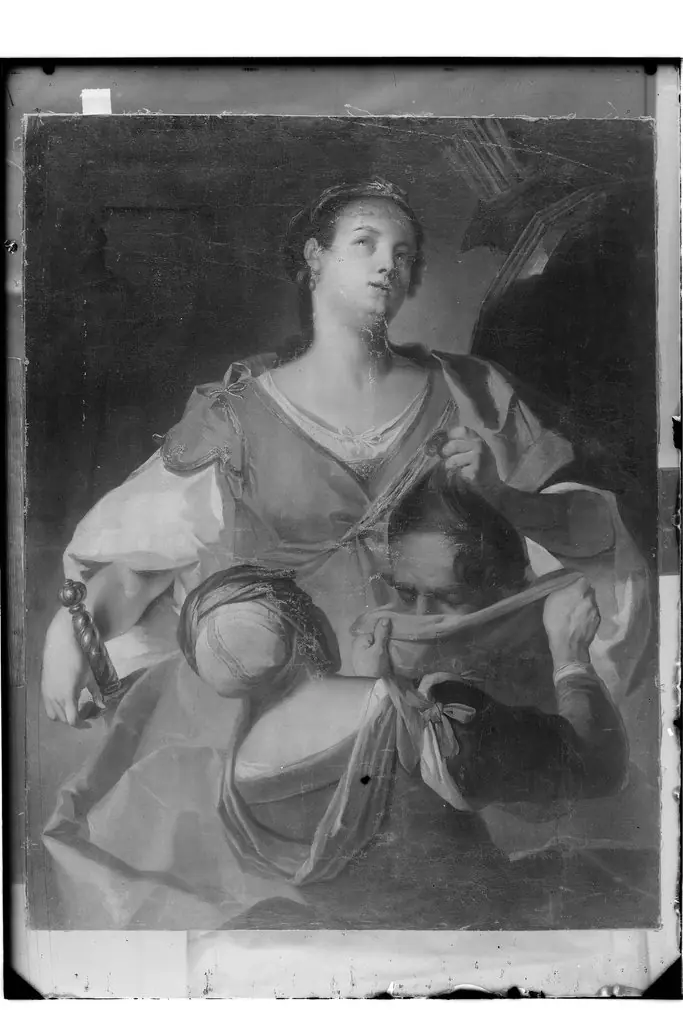 Judith with the head of Holofernes