Artwork
Landscape with Poet Tao Yuanming (365–472 CE)
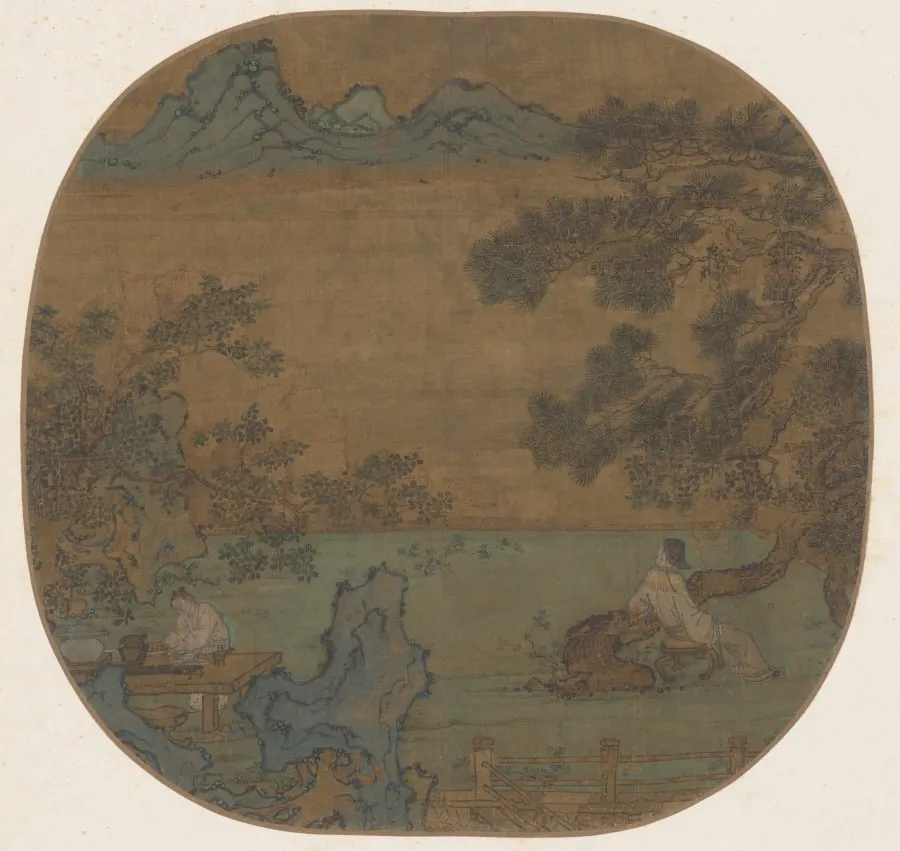
Landscape with Poet Tao Yuanming (365–472 CE) is an unspecified painting by the Ming dynasty painting artist Unknown. It dates from 1350 and is held in the collection of the Cleveland Museum of Art. This ink-on-paper scroll depicts the recluse poet Tao Yuanming in a tranquil natural setting, reflecting his retreat from official life.
About this work
The artist never signed the scroll, so we don’t know who made it—just that it was painted centuries after the poet died.
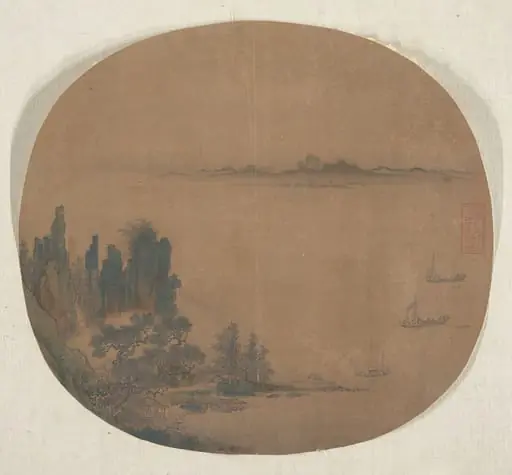
You see a quiet hillside dotted with bamboo, a scholar in a wide hat, and a servant carrying wine under a gnarled pine.
This painting shows the poet Tao Yuanming, who walked away from government work to live simply in nature. The artist never signed the scroll, so we don’t know who made it—just that it was painted centuries after the poet died.
Look up more paintings of china, ming dynasty (1368-1644) or earlier to see how later artists kept his story alive.
Overview
This ink-on-paper scroll depicts the recluse poet Tao Yuanming in a tranquil natural setting, reflecting his retreat from official life. Though the artist remains anonymous, the work belongs to a long tradition of Chinese painting that visualized literary ideals. Created centuries after Tao’s death, it embodies the enduring cultural reverence for his choice to embrace solitude and nature over courtly duty.
Subject & Meaning
Tao Yuanming is shown as a scholar in a broad-brimmed hat, accompanied by a servant bearing wine, evoking his famous verse about plucking chrysanthemums beneath a fence while gazing at distant hills. The scene symbolizes withdrawal from political strife and the pursuit of moral clarity through simplicity. His presence among bamboo, pines, and rolling hills reinforces the Confucian and Daoist values of integrity and harmony with the natural world.
Technique & Style
The painting employs delicate ink washes and restrained brushwork to suggest depth and atmosphere without overt detail. Figures are minimally rendered, emphasizing their integration into the landscape rather than individual prominence. The gnarled pine and clustered bamboo follow traditional conventions of literati painting, where nature’s forms convey moral resonance rather than mere representation.
History & Provenance
The scroll bears no artist’s signature, a common practice among scholar-painters who valued the idea over the individual. Its stylistic features suggest production during the Ming dynasty or earlier, when depictions of Tao Yuanming proliferated as expressions of scholarly identity. Its survival reflects its role as a cultural artifact, preserved not for fame but for its embodiment of enduring philosophical ideals.
Context
Tao Yuanming’s life and poetry became a touchstone for Chinese literati during periods of political instability, offering a model of ethical withdrawal. Paintings like this one emerged not as historical records but as meditative responses to his legacy. They were often collected by officials and scholars who saw in his example a quiet resistance to corruption and a reaffirmation of personal virtue.
Legacy
The image of Tao Yuanming in nature persisted across dynasties, inspiring countless paintings, poems, and calligraphic inscriptions. This work contributes to a visual canon that transformed a historical figure into an archetype of spiritual autonomy. Even without a known artist, its quiet composition continues to communicate the enduring appeal of a life chosen beyond the reach of power.
Artist & collection

 Domestic Scene
 Giacomo and Cardinal Marco, investing Andrea, Abbot of San Zeno, with his Benefice
 The Nymph of Fontainebleau
 Portrait of a Woman
 Madonna and Child with Saints in the Enclosed Garden
 Venus and Minerva
 Family Group of Four on Sofa
 Wall painting from Room H of the Villa of P. Fannius Synistor at Boscoreale
 南宋 佚名 洞天論道圖 團扇|Conversation in a cave
 Untitled
 Lake Scene
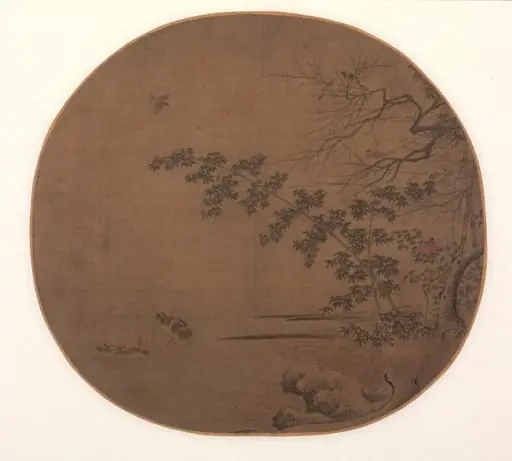 Birds on an Autumn Inlet
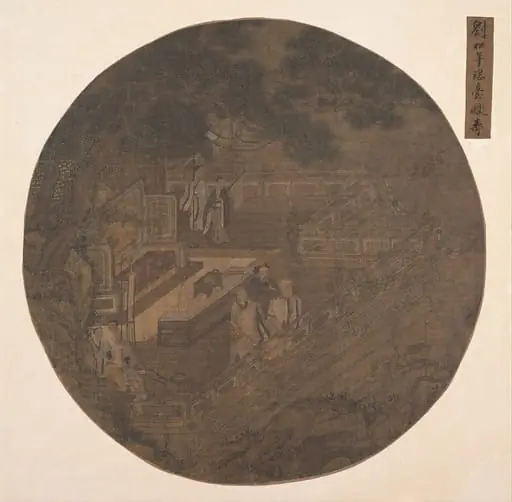 明 佚名 瑤臺獻壽圖 扇|Paying homage to Xiwangmu, the Queen Mother of the West
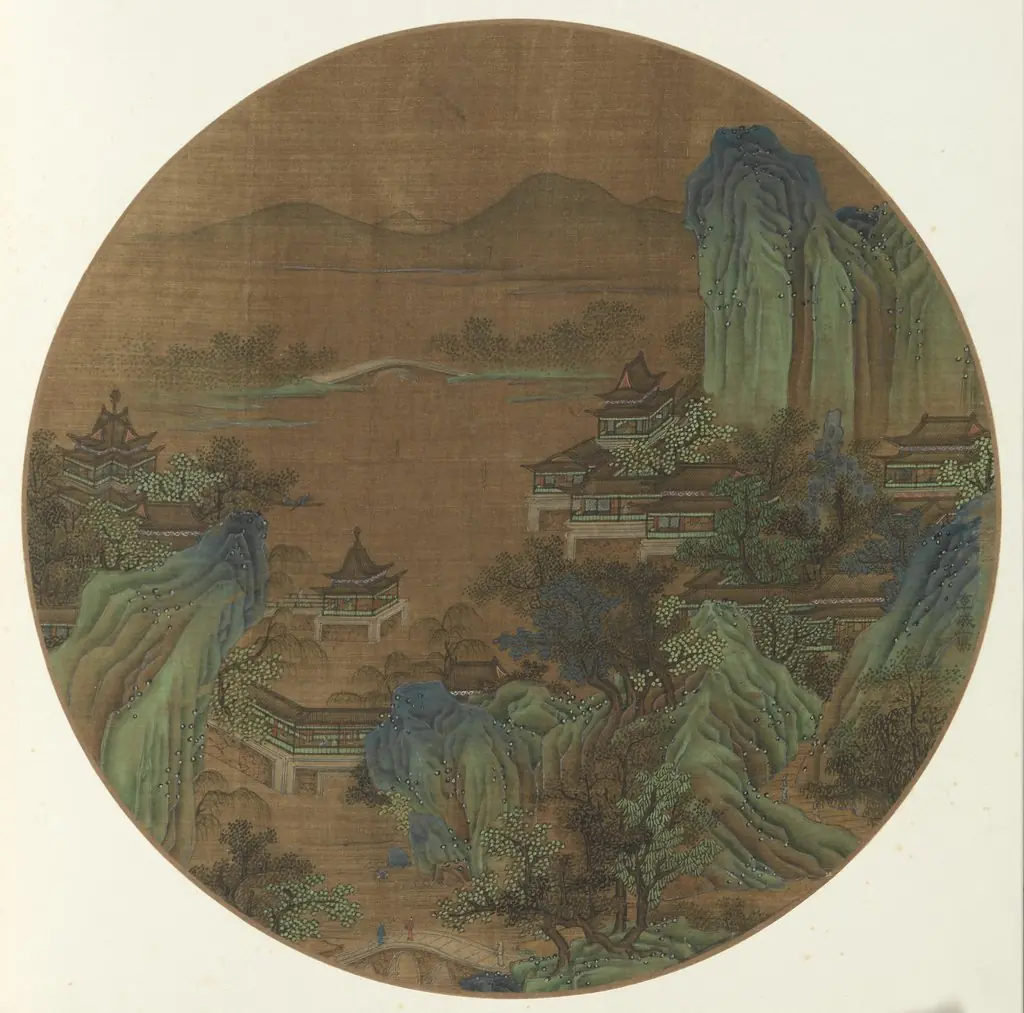 West Lake, Hangzhou
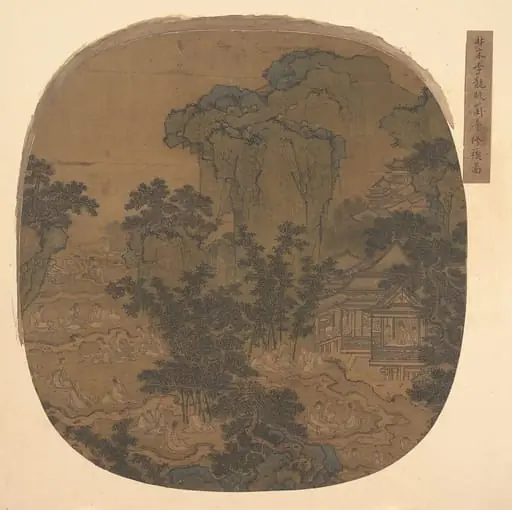 明 佚名 舊傳李公麟 蘭亭修禊圖 團扇|Gathering at the Orchid Pavilion
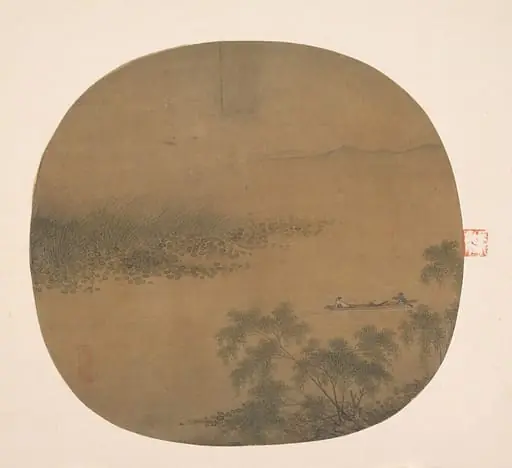 南宋 佚名 泛舟柳塘圖 團扇|Boating by a Willow Bank
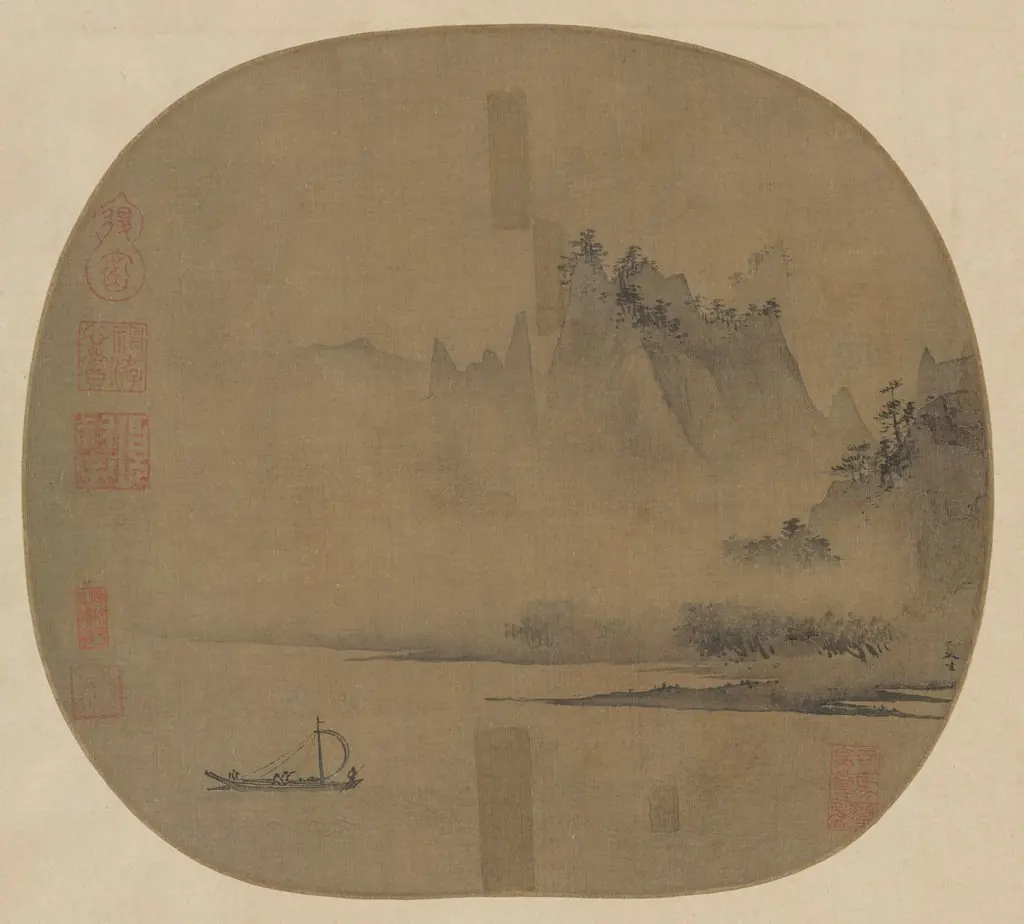 Full Sail on the Misty River
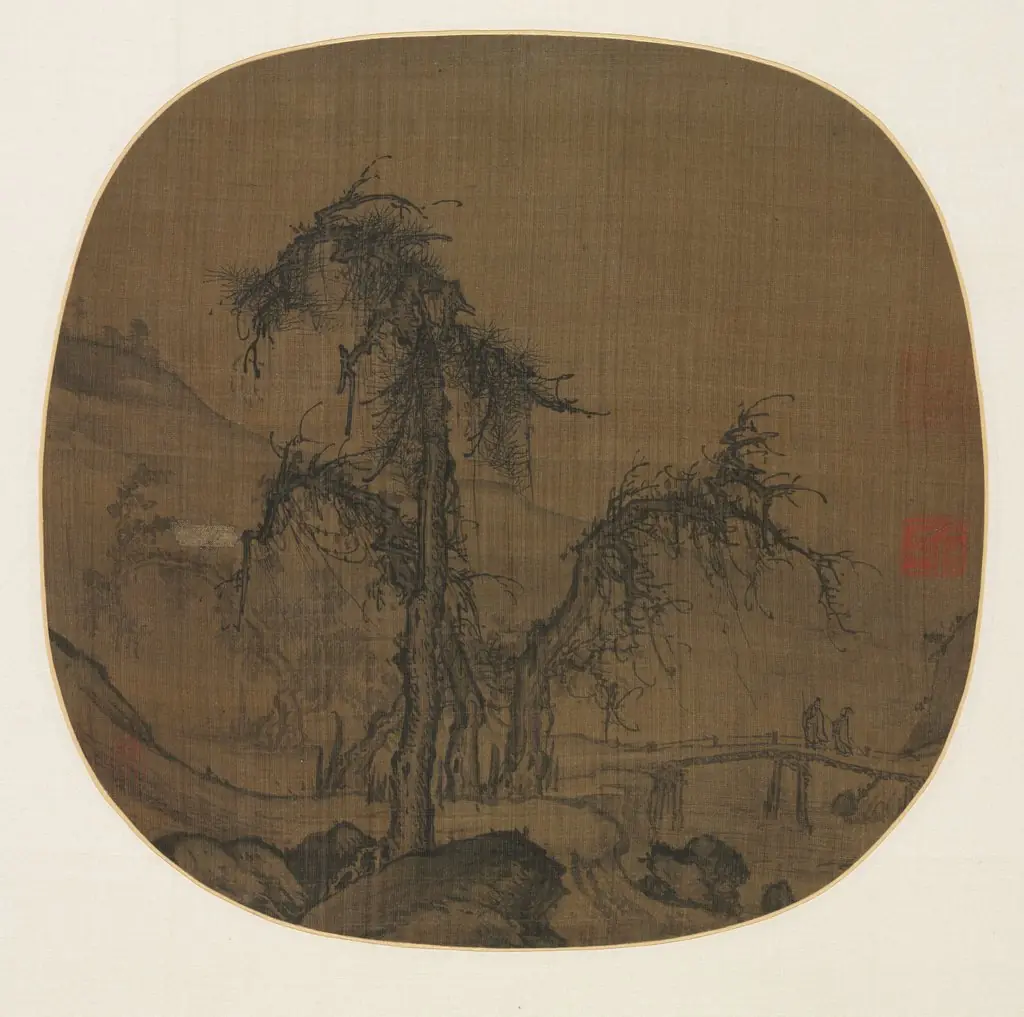 Ramblers over a Winding Stream
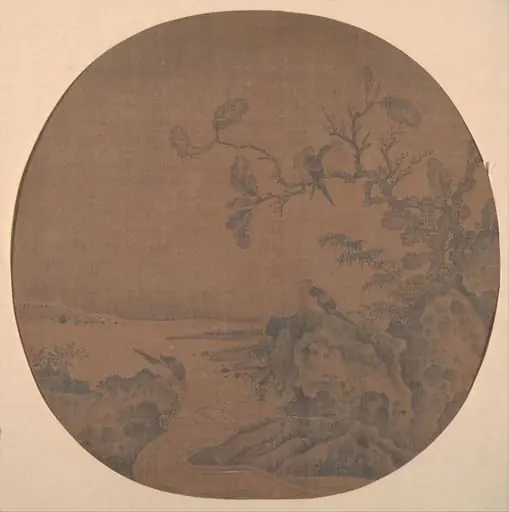 Untitled
 明 佚名 仿趙伯駒 春江行舟圖 團扇|Seascape