Artwork
Love in a Village
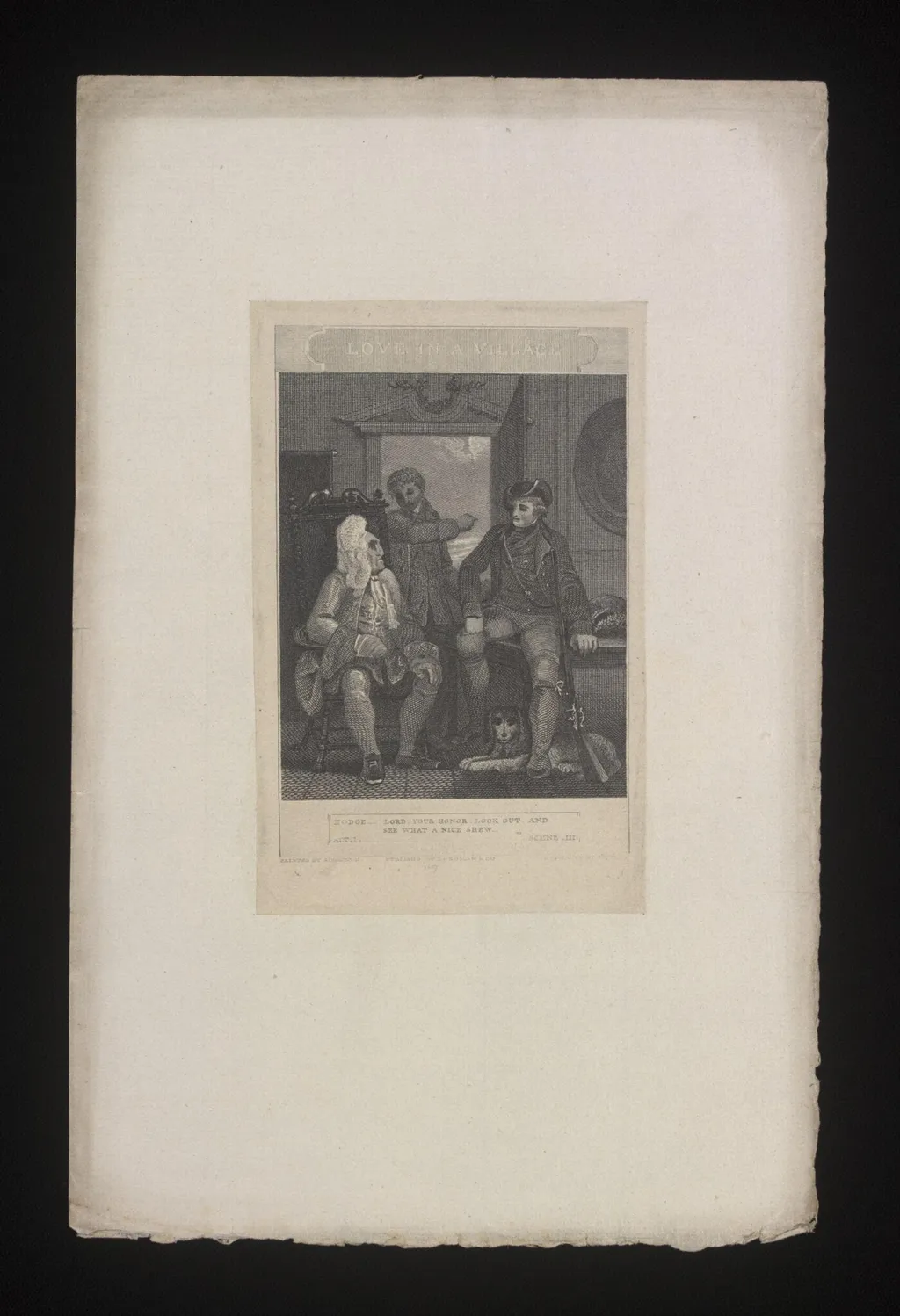
Love in a Village is a print by the Romanticist artist Unknown. It dates from 1807 and is held in the collection of the Victoria and Albert Museum. This 1807 print, published by Longman & Co.
About this work
Overview
Part of the Harry Beard Collection, it belongs to a broader tradition of affordable graphic prints that brought narrative imagery to middle-class households.
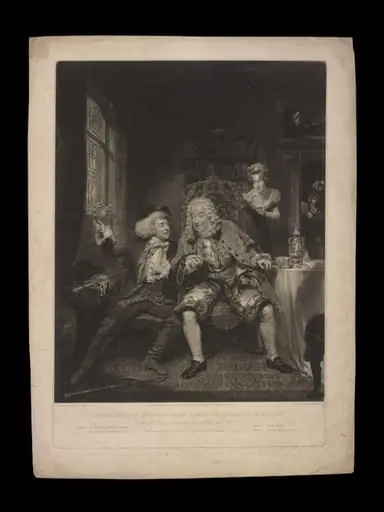
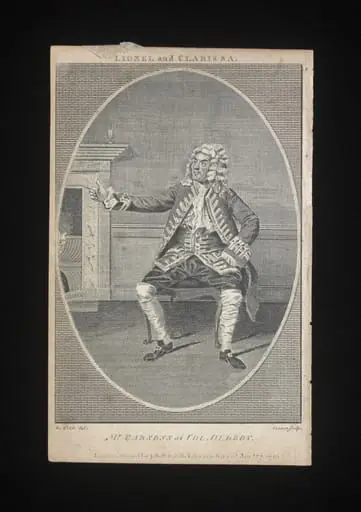
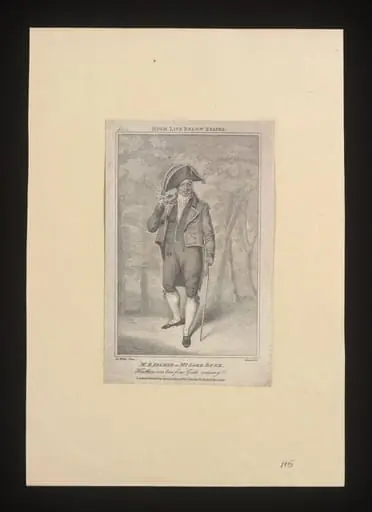
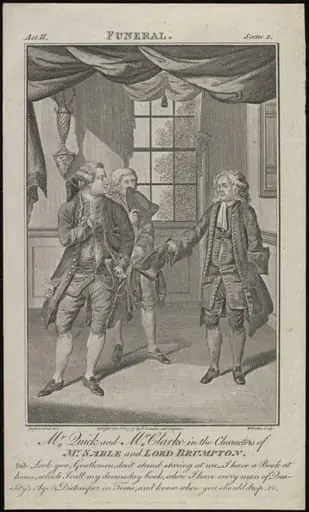
This 1807 print, published by Longman & Co. in London, illustrates a rural scene titled Love in a Village. Part of the Harry Beard Collection, it belongs to a broader tradition of affordable graphic prints that brought narrative imagery to middle-class households. The composition captures everyday village life, emphasizing human interaction over idealized drama, reflecting the era’s interest in domestic and pastoral themes.
Subject & Meaning
The scene portrays villagers engaged in quiet, intimate moments—courting, conversing, or attending to chores—suggesting a gentle celebration of ordinary affection. Rather than grand romance, the subject centers on communal warmth and moral decency, aligning with early 19th-century ideals of virtuous rural life. The title implies a narrative of tender connection, framed within a socially acceptable, pastoral context.
Technique & Style
The print employs tonal contrasts to model form and suggest depth, drawing from chiaroscuro principles adapted for engraving. Fine lines and hatching define figures and architecture, while areas of shadow ground the composition in realism. The style is precise but unadorned, prioritizing clarity and narrative legibility over dramatic flourish, typical of commercial print production of the period.
History & Provenance
Published by Longman & Co., a major London firm known for distributing illustrated prints, this work reached a broad audience through affordable reproduction. It entered the Harry Beard Collection, assembled in the late 19th century, which preserved hundreds of similar prints documenting British social life. Its survival reflects its cultural resonance rather than artistic prestige.
Context
In the early 1800s, prints like this flourished as Britain’s urban middle class sought visual narratives of idealized rural simplicity. They responded to industrialization by romanticizing village life, often drawing from stage comedies and moralizing literature. Such images reinforced social values through accessible imagery, bridging entertainment and cultural instruction.
Legacy
Though not attributed to a named artist, the print contributes to a documented genre of British graphic art that captured domestic and pastoral themes. Its preservation in institutional collections allows study of how visual culture shaped perceptions of community and morality. It remains a quiet testament to the era’s appetite for relatable, morally grounded imagery.
Artist & collection

 Domestic Scene
 Giacomo and Cardinal Marco, investing Andrea, Abbot of San Zeno, with his Benefice
 The Nymph of Fontainebleau
 Portrait of a Woman
 Madonna and Child with Saints in the Enclosed Garden
 Venus and Minerva
 Family Group of Four on Sofa
 Wall painting from Room H of the Villa of P. Fannius Synistor at Boscoreale