Artwork
H Beard Print Collection
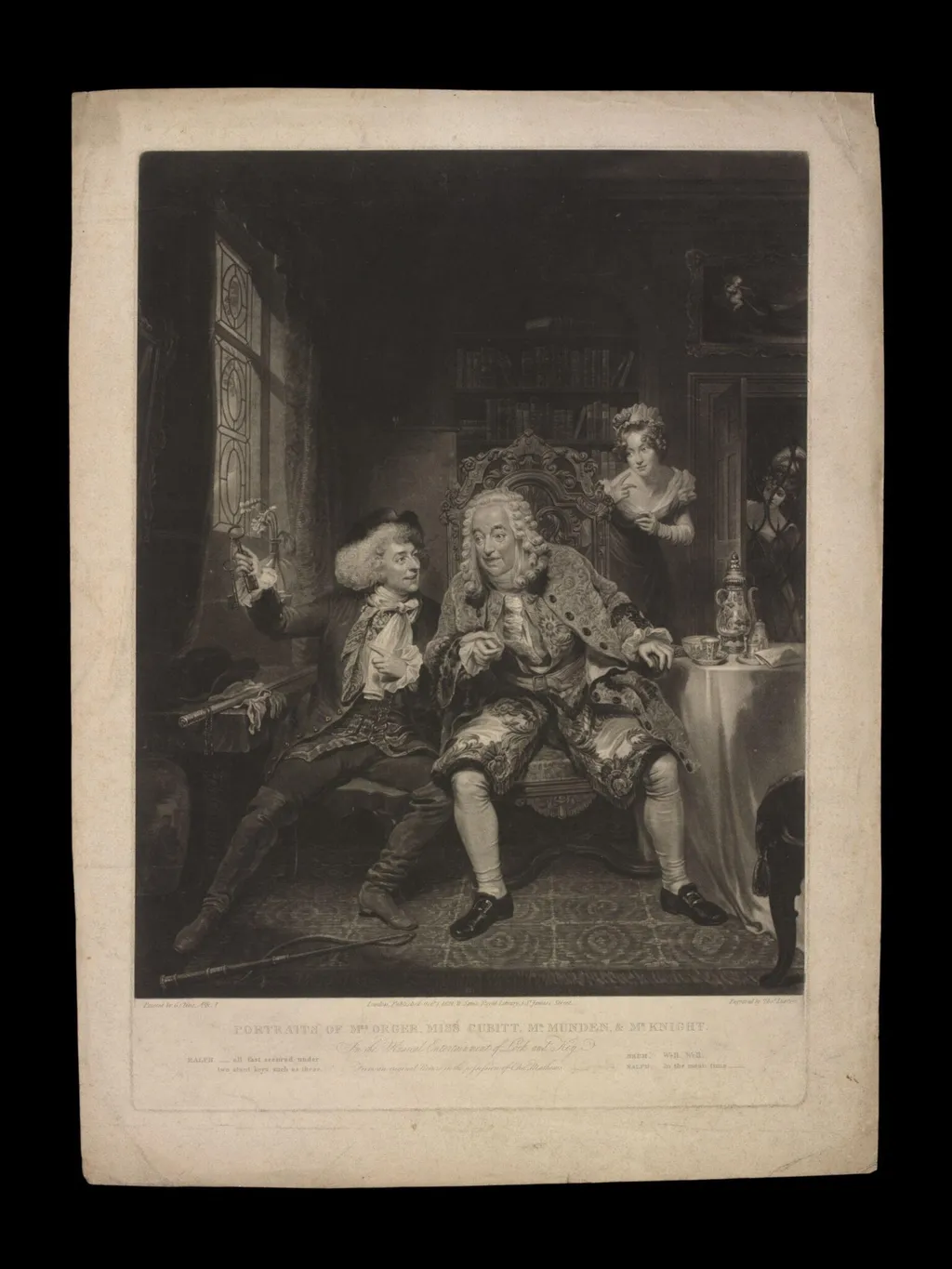
H Beard Print Collection is a print by the Romanticist artist Thomas Goff Lupton. It dates from 1 and is held in the collection of the Victoria and Albert Museum. This print is part of the H.
About this work
Overview
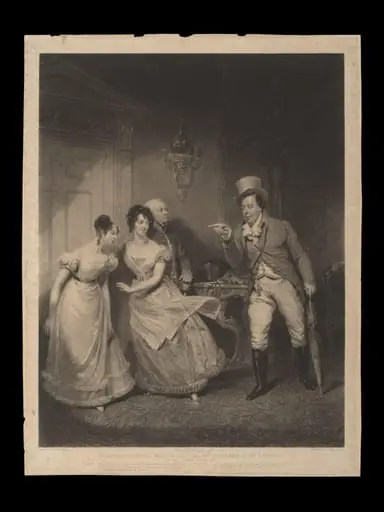
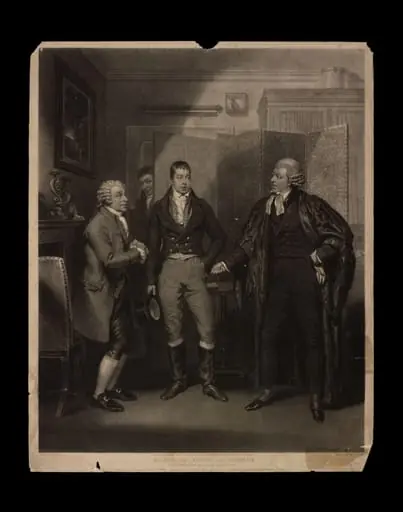
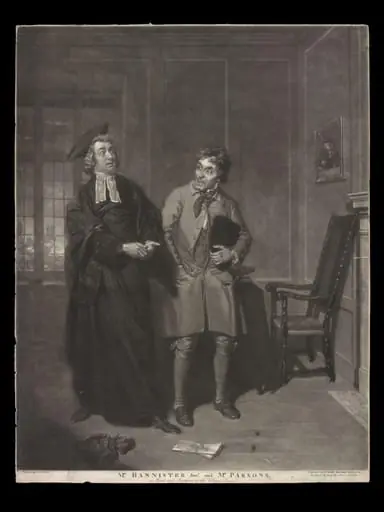
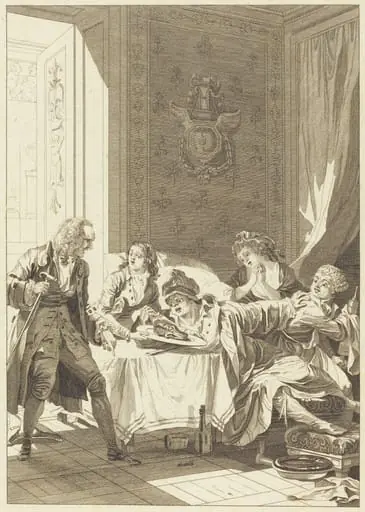
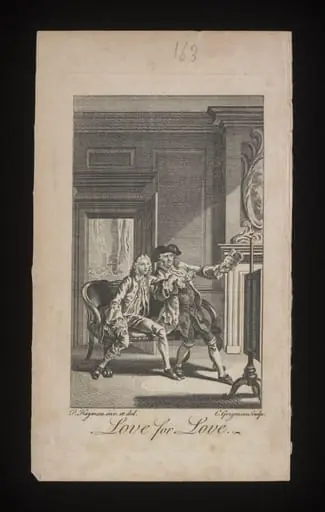
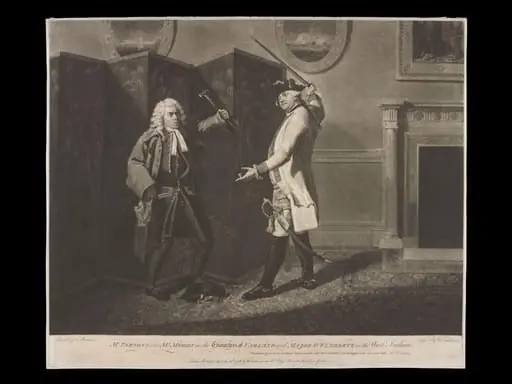
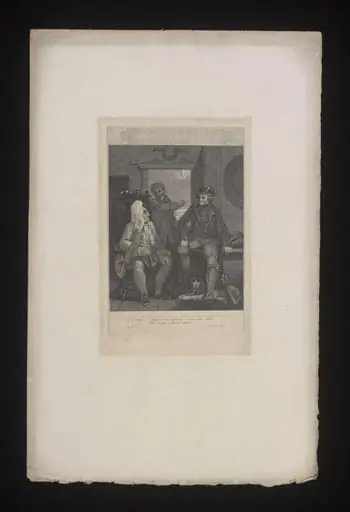
This print is part of the H. Beard Print Collection and captures a theatrical scene titled Lock and Key. It portrays four performers—Mrs. Orger, Miss Cubitt, Mr. Munder, and Mr. Knight—likely in character, rendered in a detailed, illustrative style typical of 19th-century stage prints. The composition focuses on their postures and attire, offering a snapshot of popular entertainment of the era.
Subject & Meaning
The print serves as both a record of performance and a promotional artifact, preserving the actors’ public personas for audiences beyond the theater.
The scene depicts a moment from the farce Lock and Key, a comedic play of the period centered on mistaken identities and domestic intrigue. The figures are arranged to suggest interaction, their gestures and expressions hinting at the play’s verbal wit and physical humor. The print serves as both a record of performance and a promotional artifact, preserving the actors’ public personas for audiences beyond the theater.
Technique & Style
Executed as a line-based print, likely an engraving or lithograph, the work emphasizes clear contours and subtle shading to define fabric, facial features, and spatial depth. The style is restrained yet precise, avoiding theatrical exaggeration in favor of recognizable likenesses. Details in costume and setting reflect contemporary fashion and stage design conventions of the time.
History & Provenance
The print originates from the H. Beard Print Collection, assembled by a 19th-century publisher known for documenting British theater. It was likely produced for public sale, catering to theatergoers who wished to own a memento of popular performances. The Victoria and Albert Museum holds related materials, suggesting institutional interest in preserving such ephemeral cultural artifacts.
Context
During the mid-1800s, theatrical prints like this were widely circulated, bridging the gap between live performance and domestic culture. Lock and Key was one of many farces that thrived in London’s minor theaters, appealing to middle-class audiences. These prints helped sustain the popularity of actors and plays beyond their initial run, contributing to the era’s visual record of popular entertainment.
Legacy
As a fragment of Victorian theatrical ephemera, the print contributes to the historical understanding of performance culture and public taste. It reflects how theater was documented and consumed outside the auditorium, offering insight into the social rituals of leisure. Today, such prints serve as primary sources for scholars studying 19th-century British stage life.
Artist & collection