Artwork
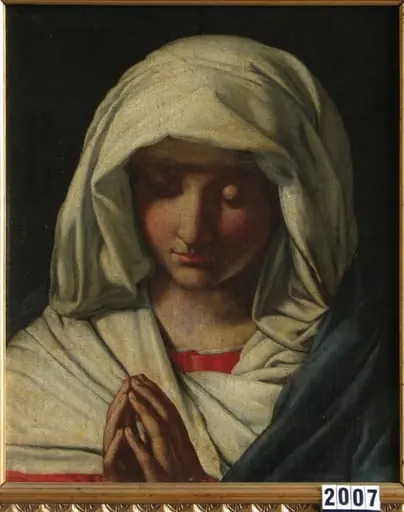
Mary Praying
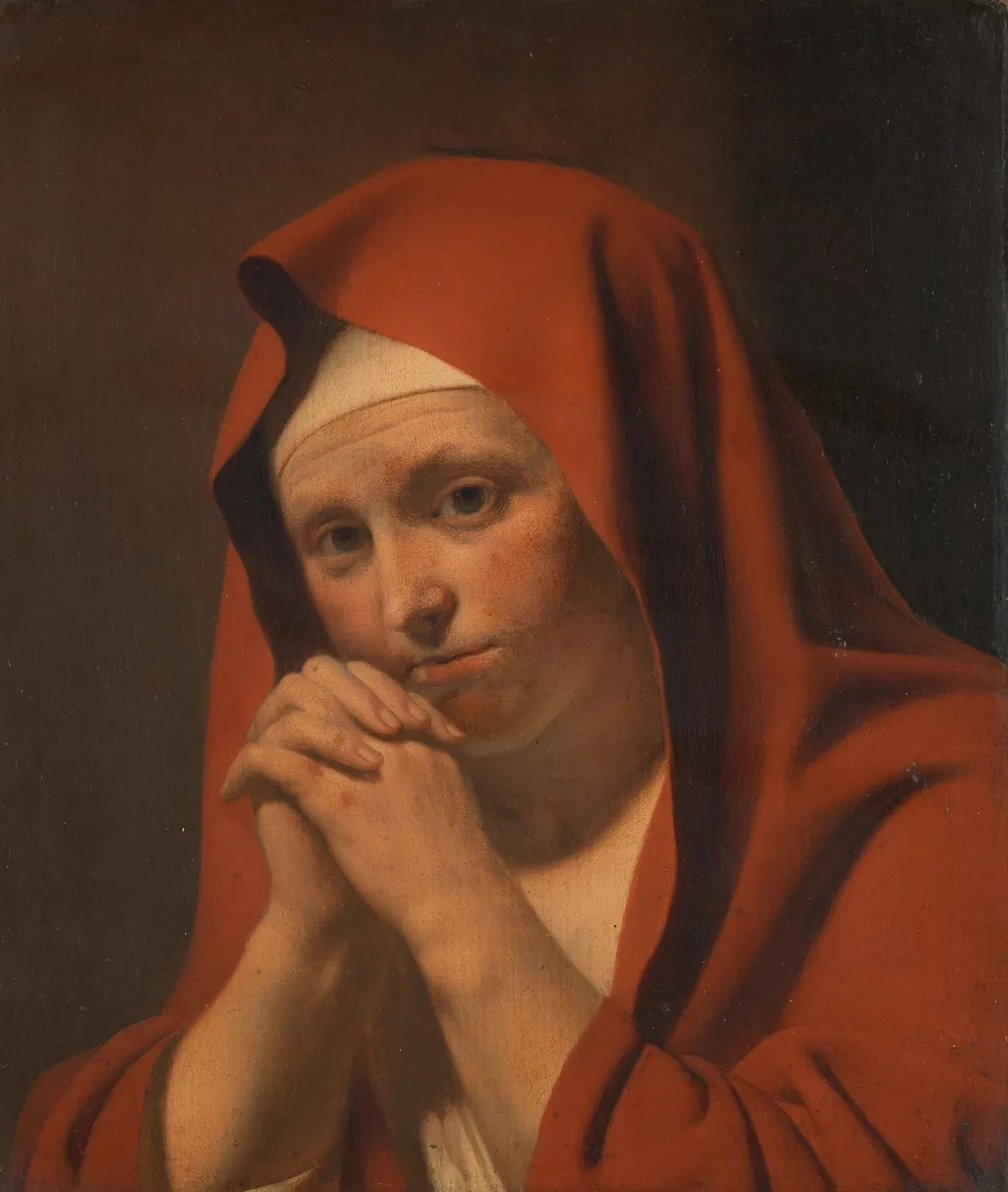
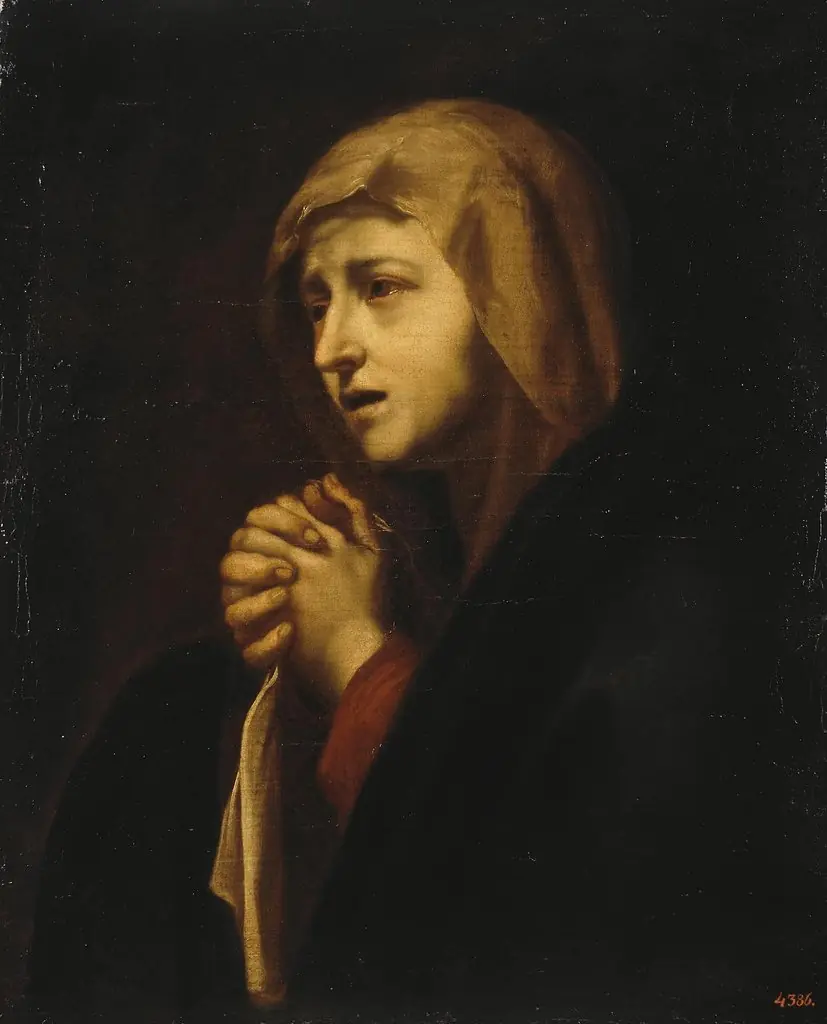
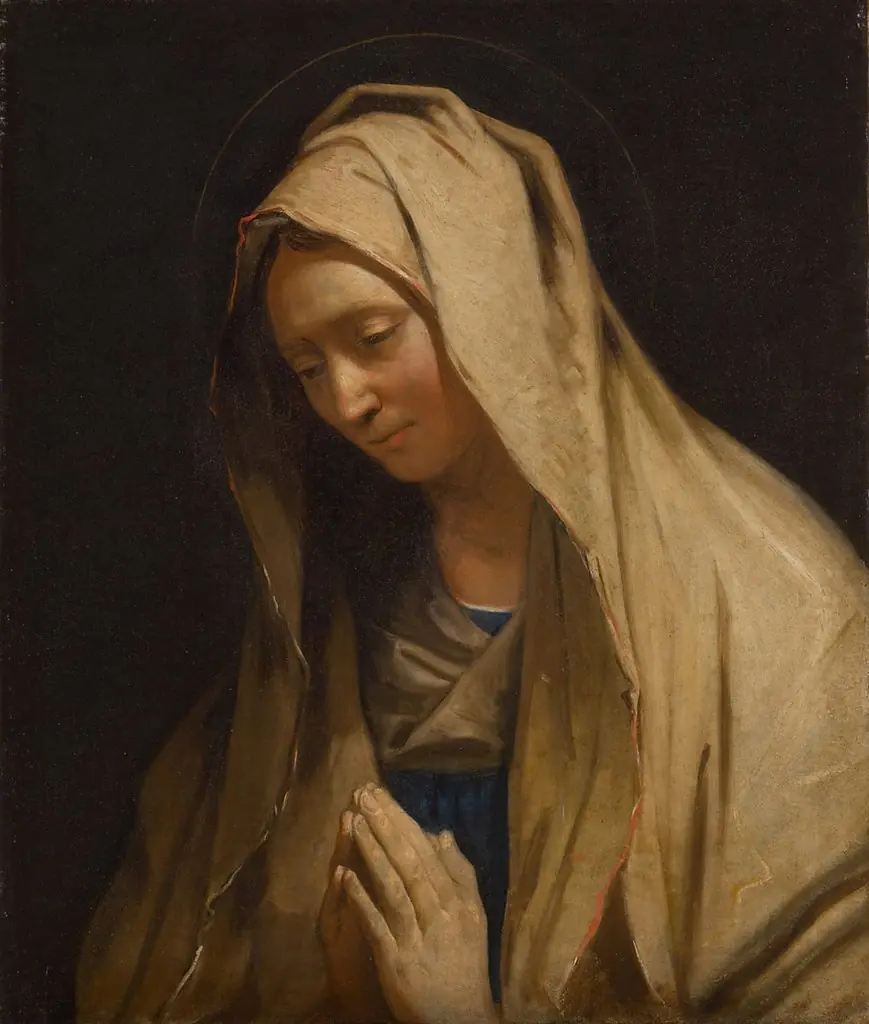
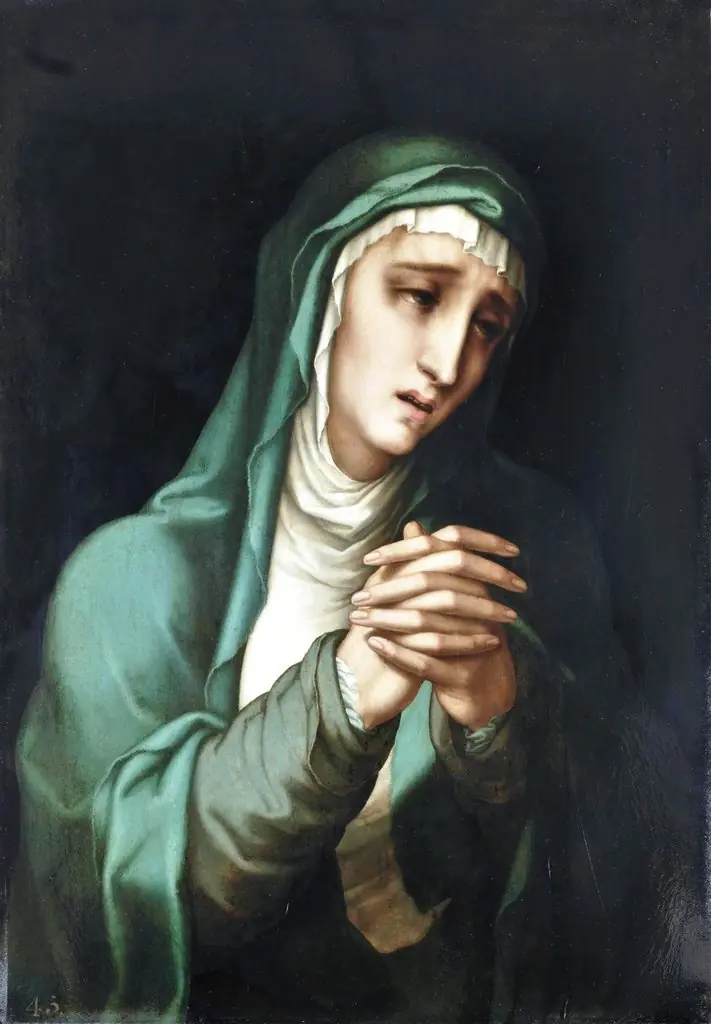
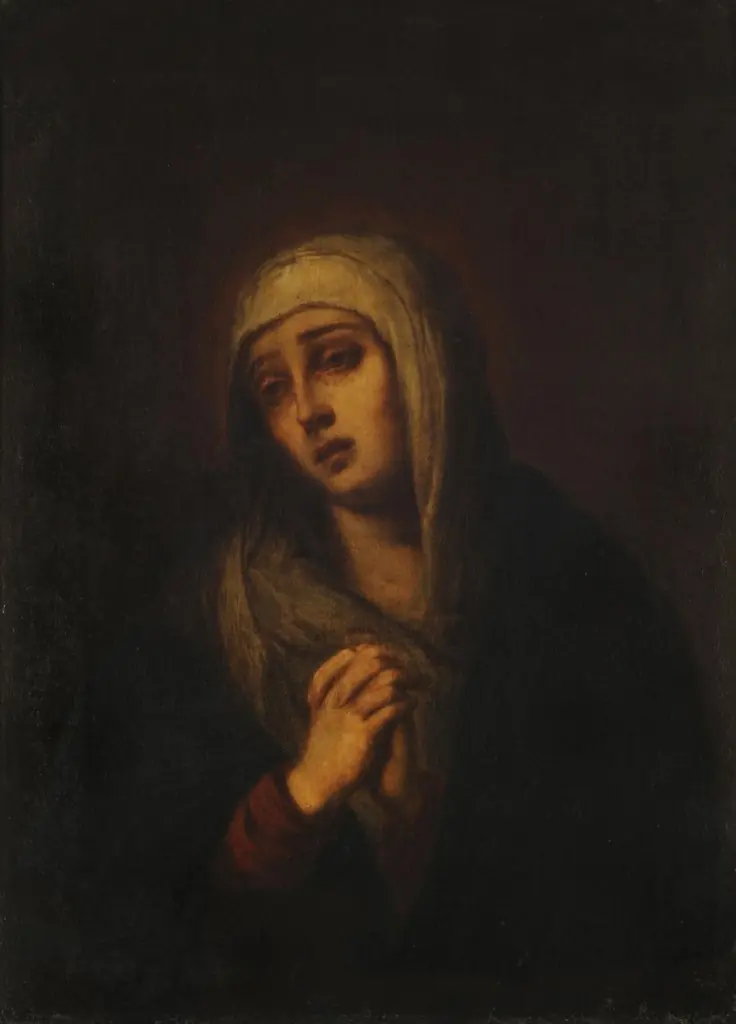
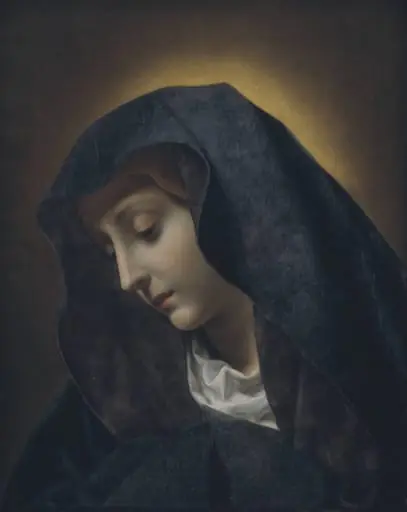
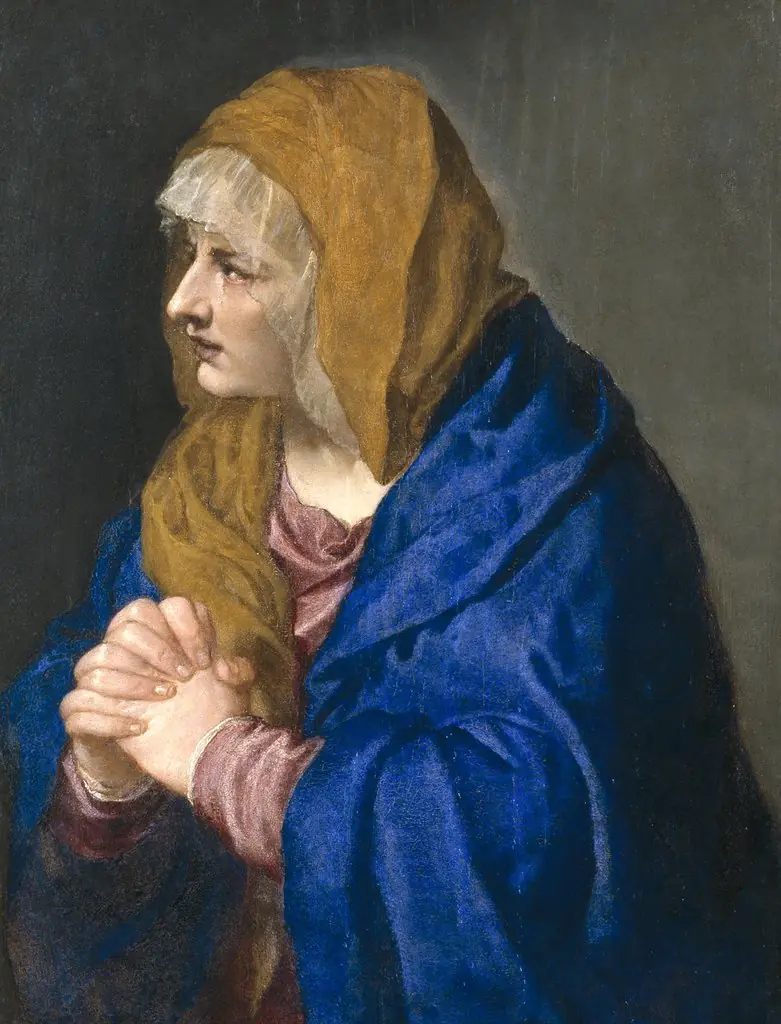
Mary Praying is an unspecified painting by the Dutch Golden Age artist Unknown. It dates from 1650 and is held in the collection of the Rijksmuseum. This small oil painting depicts a woman in quiet prayer, rendered with restrained realism typical of 17th-century Dutch art.
About this work
Overview
The figure is shown in a dim interior, illuminated by a single, soft light that highlights her folded hands while leaving the rest of the space in shadow.
This small oil painting depicts a woman in quiet prayer, rendered with restrained realism typical of 17th-century Dutch art. The figure is shown in a dim interior, illuminated by a single, soft light that highlights her folded hands while leaving the rest of the space in shadow. The absence of facial detail emphasizes introspection over identity, focusing attention on the act of devotion rather than the individual.
Subject & Meaning
The subject is a woman engaged in private prayer, her face obscured and posture bowed. This anonymity invites viewers to see her as a universal figure of piety, representative of the quiet, domestic spirituality valued in Dutch Protestant culture. The act of prayer, rendered without ritual objects or sacred imagery, suggests an intimate, personal connection to the divine, grounded in daily life rather than ecclesiastical ceremony.
Technique & Style
The artist employs chiaroscuro to isolate the figure’s hands in a narrow band of light, contrasting them against deep, muted tones. Brushwork is subtle and controlled, with no visible strokes or embellishment. The limited palette—earths, grays, and a single warm glow—enhances the sense of stillness. The composition’s simplicity and tight framing reinforce the intimacy of the moment, avoiding theatricality or narrative distraction.
History & Provenance
Created during the Dutch Golden Age, the painting reflects the era’s shift toward secular and domestic religious themes. It likely originated in a private collection, as such works were commonly owned by middle-class households seeking art that resonated with personal faith. Its survival and current location suggest it was preserved through generations, though its exact early ownership remains undocumented.
Context
In 17th-century Netherlands, public worship was regulated, and private devotion became a cultural norm. Artists responded by portraying prayer, reading scripture, or quiet household rituals as spiritually significant. This painting aligns with a broader trend of depicting faith as an inward, unadorned practice—distinct from Catholic iconography—reflecting the values of a society shaped by Reformation ideals and civic restraint.
Legacy
The work exemplifies how Dutch painters transformed ordinary moments into vessels of moral and spiritual reflection. Its influence can be seen in later realist traditions that prioritize emotional authenticity over grandeur. Though not widely exhibited, it remains a quiet reference point in studies of Protestant visual culture and the representation of inner life in early modern art.
Artist & collection

 Domestic Scene
 Giacomo and Cardinal Marco, investing Andrea, Abbot of San Zeno, with his Benefice
 The Nymph of Fontainebleau
 Portrait of a Woman
 Madonna and Child with Saints in the Enclosed Garden
 Venus and Minerva
 Family Group of Four on Sofa
 Wall painting from Room H of the Villa of P. Fannius Synistor at Boscoreale