Artwork
The Virgin
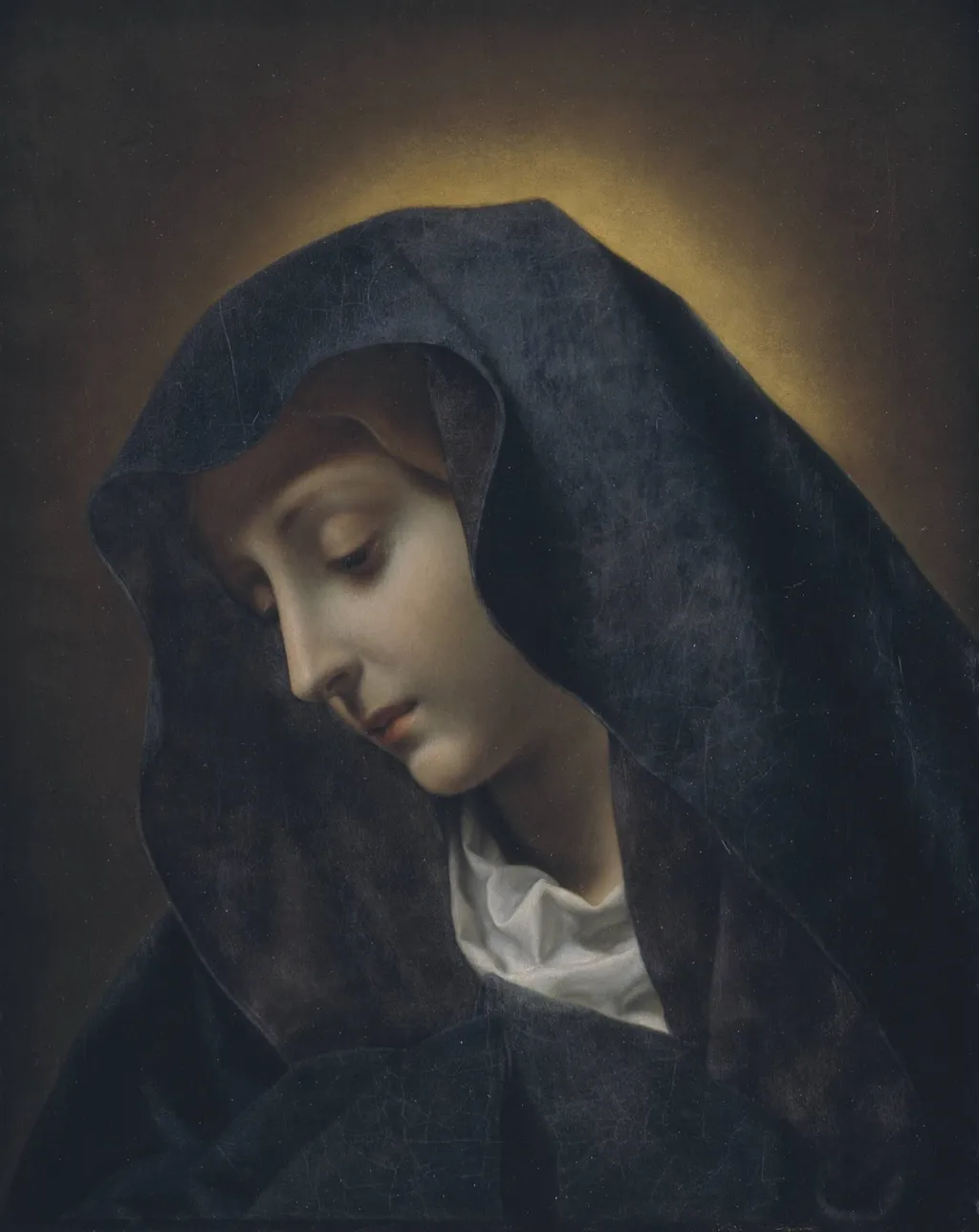
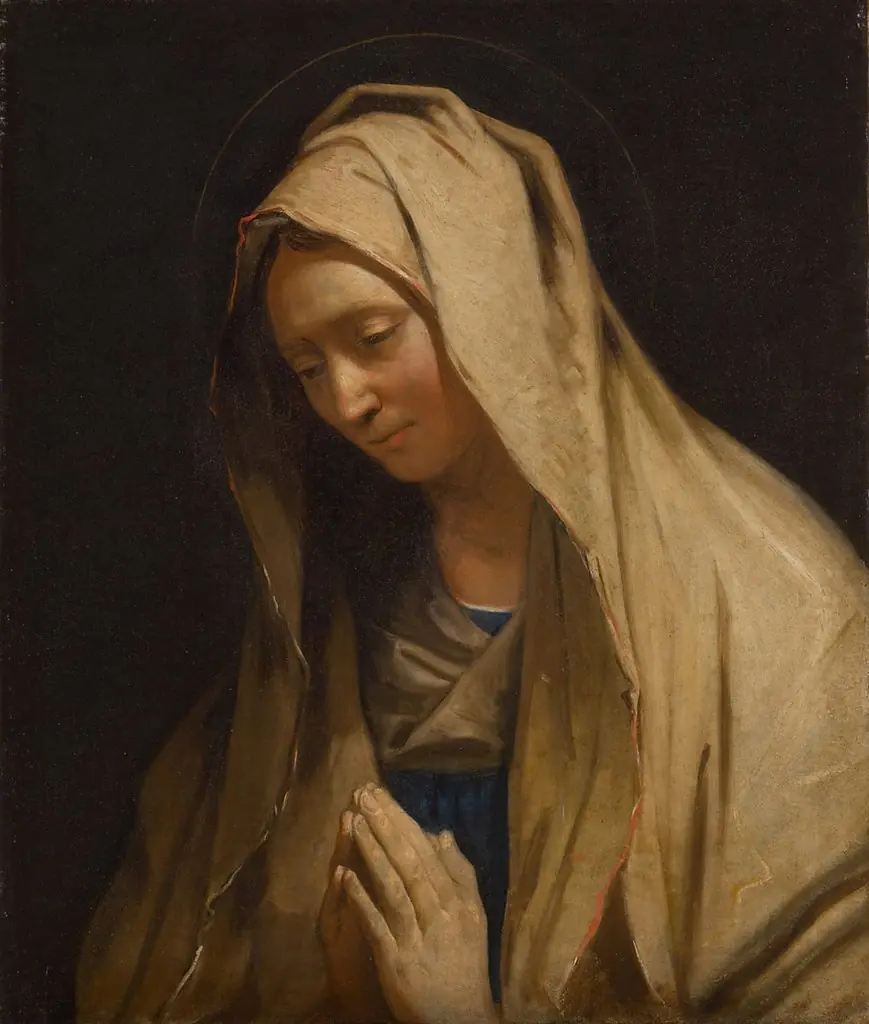
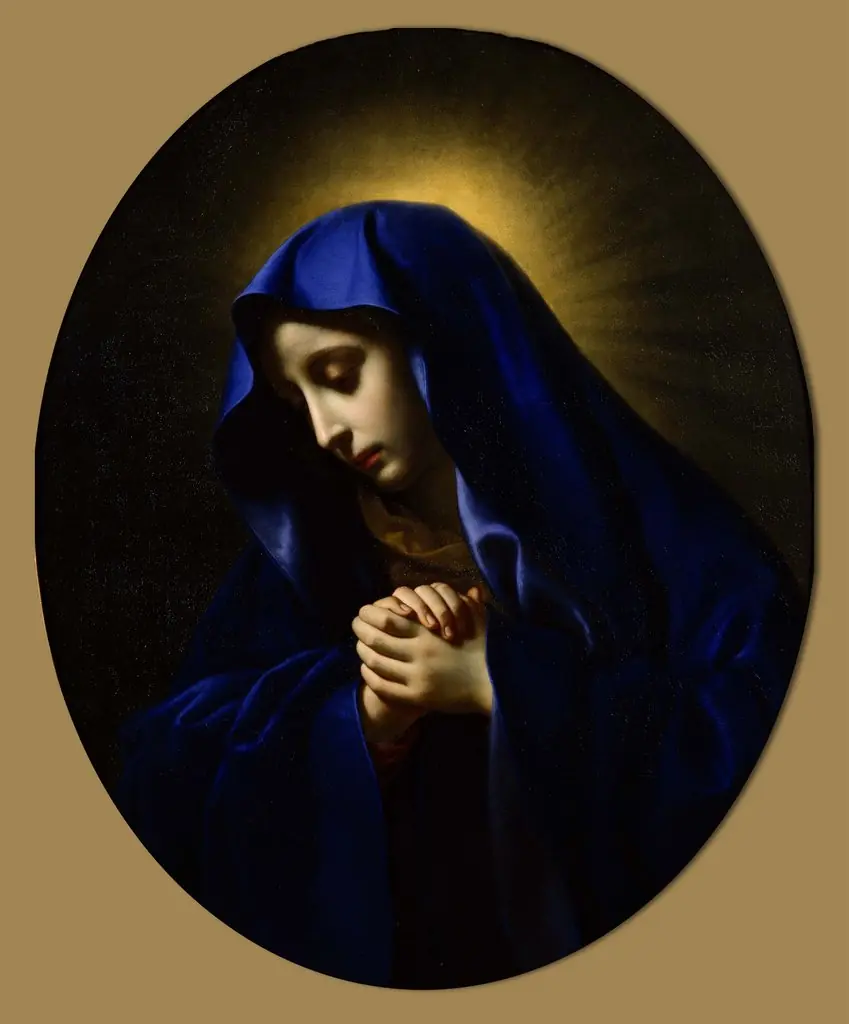
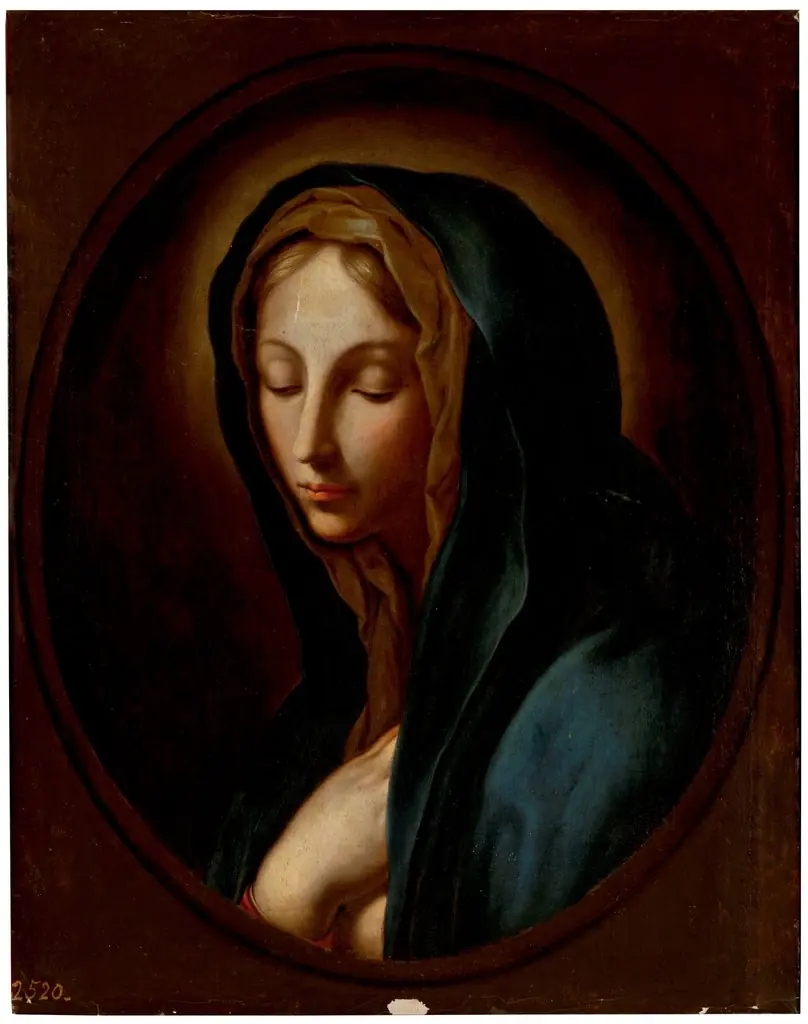
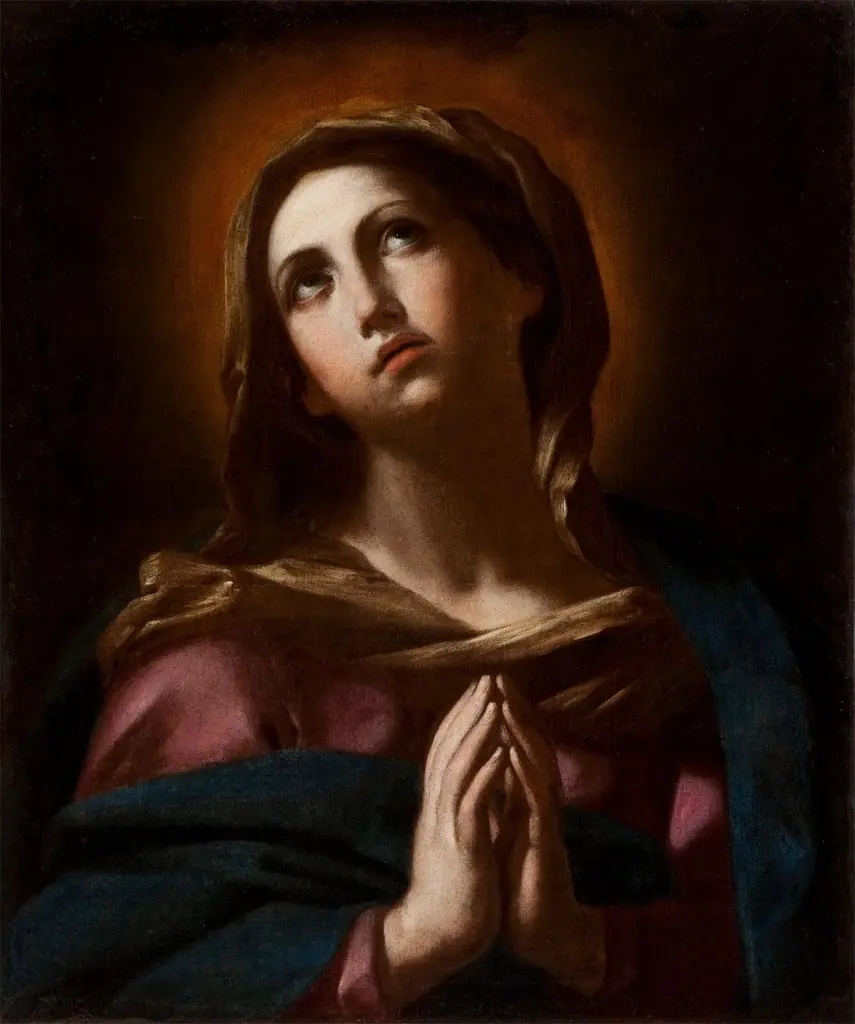
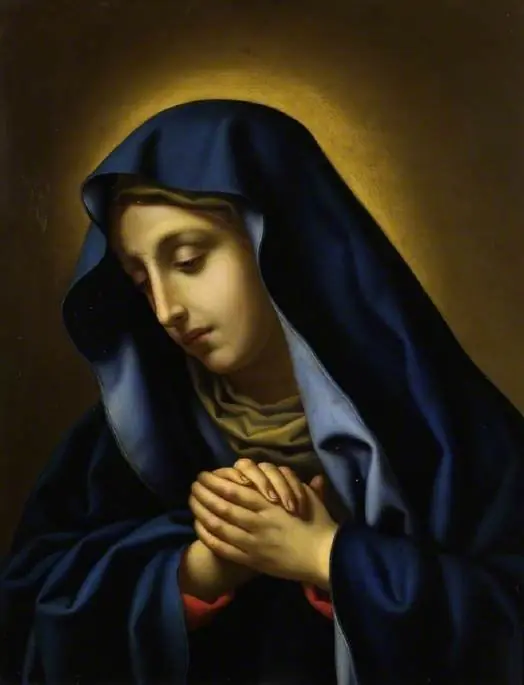
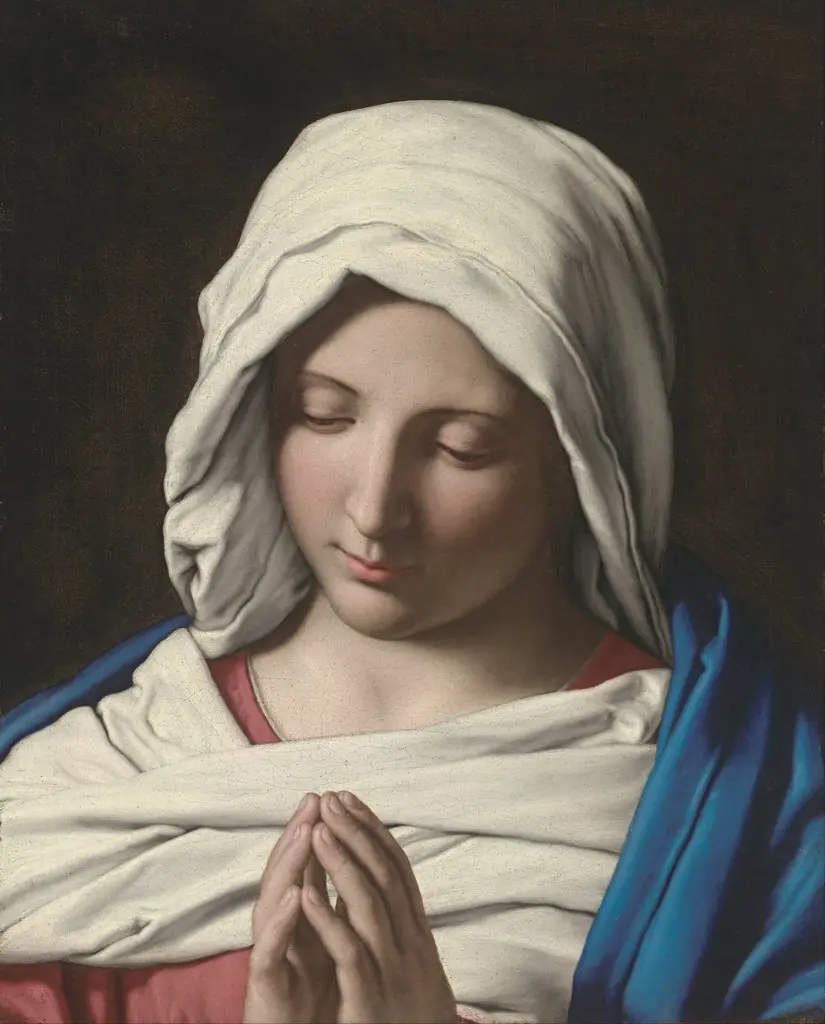
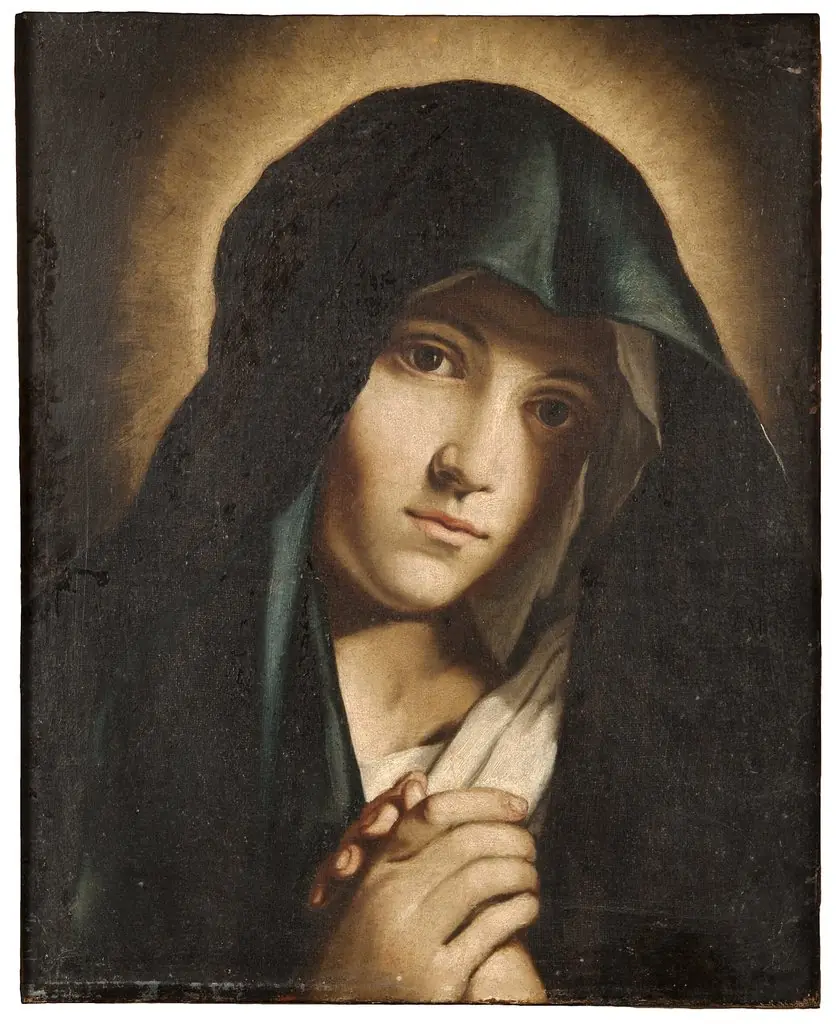
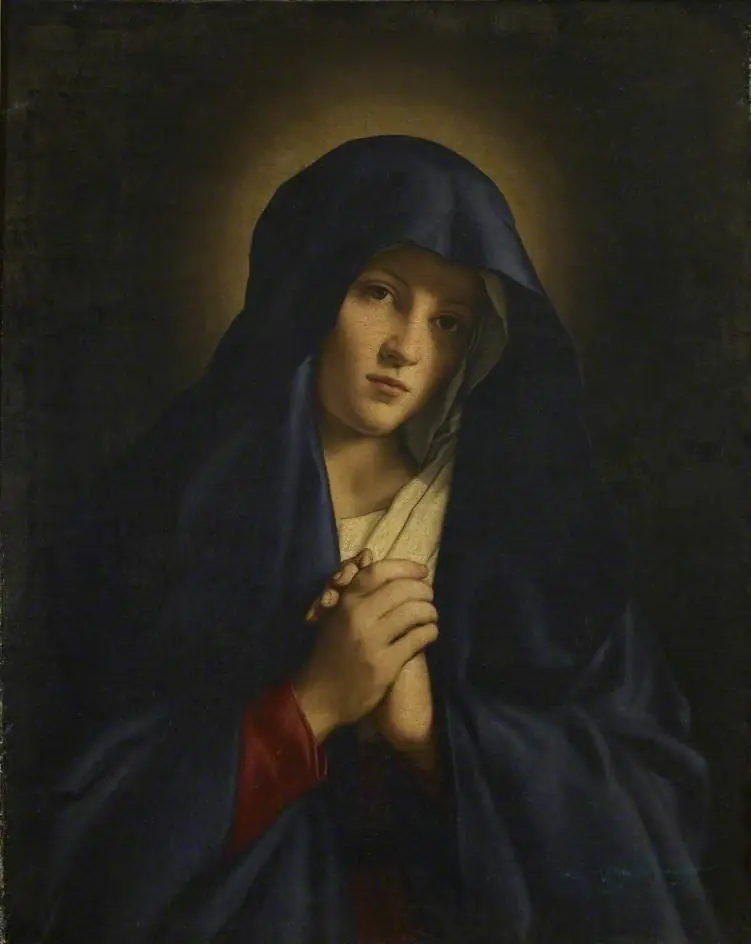
The Virgin is a photography by Unknown. It dates from 1658 and is held in the collection of the Statens Museum for Kunst.
About this work
Overview
The composition is set against an unadorned, dark background that emphasizes the figure’s pale complexion and the delicate drapery of her garment.
Created around 1658 by the artist known as 1630_person, the work titled The Virgin is part of the collection at the Museum of Ethnography. The image presents a solitary female figure whose face is partially hidden beneath a dark hood, her lips slightly ajar and eyes shut, suggesting a moment of prayer or introspection. The composition is set against an unadorned, dark background that emphasizes the figure’s pale complexion and the delicate drapery of her garment.
Subject & Meaning
The central figure appears to embody a contemplative, possibly sacred, presence, with the veil and closed eyes evoking a sense of inner devotion. The subtle parting of the lips may hint at a whispered prayer or a silent utterance, while the overall stillness invites viewers to consider themes of humility, spiritual withdrawal, and the mystery surrounding the identity of the depicted woman.
Technique & Style
The painting employs chiaroscuro, a contrast of light and shadow that models the face and folds of the robe, creating a soft illumination around the cheekbones and forehead. This handling of light not only gives the figure a three‑dimensional quality but also draws attention to the texture of the fabric and the translucence of the skin, a hallmark of mid‑seventeenth‑century portraiture.
History & Provenance
The Virgin entered the Museum of Ethnography’s holdings after being acquired in the early twentieth century, though precise details of its earlier ownership remain undocumented. Its attribution to 1630_person has been accepted by scholars based on stylistic analysis and the approximate dating to the late 1650s, aligning with the artist’s known period of activity.
Context
Produced during a time when religious and devotional imagery was prevalent across Europe, the work reflects contemporary artistic interests in personal piety and the use of dramatic lighting to convey spiritual intensity. Similar approaches to light and shadow can be observed in the works of Caravaggio and his followers, indicating a broader engagement with the chiaroscuro technique during the Baroque era.
Artist & collection

 Domestic Scene
 Giacomo and Cardinal Marco, investing Andrea, Abbot of San Zeno, with his Benefice
 The Nymph of Fontainebleau
 Portrait of a Woman
 Madonna and Child with Saints in the Enclosed Garden
 Venus and Minerva
 Family Group of Four on Sofa
 Wall painting from Room H of the Villa of P. Fannius Synistor at Boscoreale