Artwork
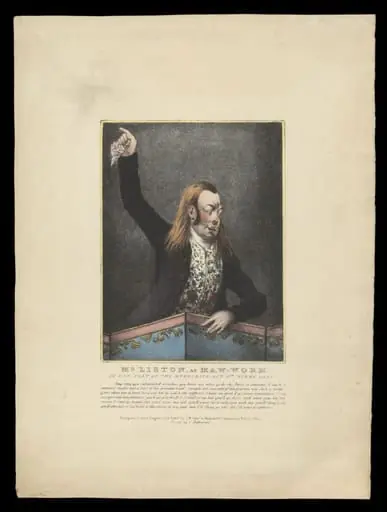
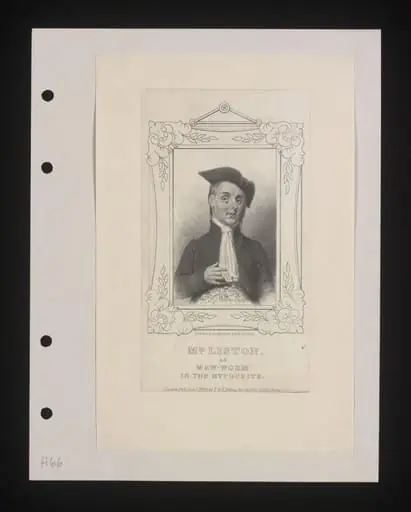
Mr Liston as Maw-Worm in the Hypocrite
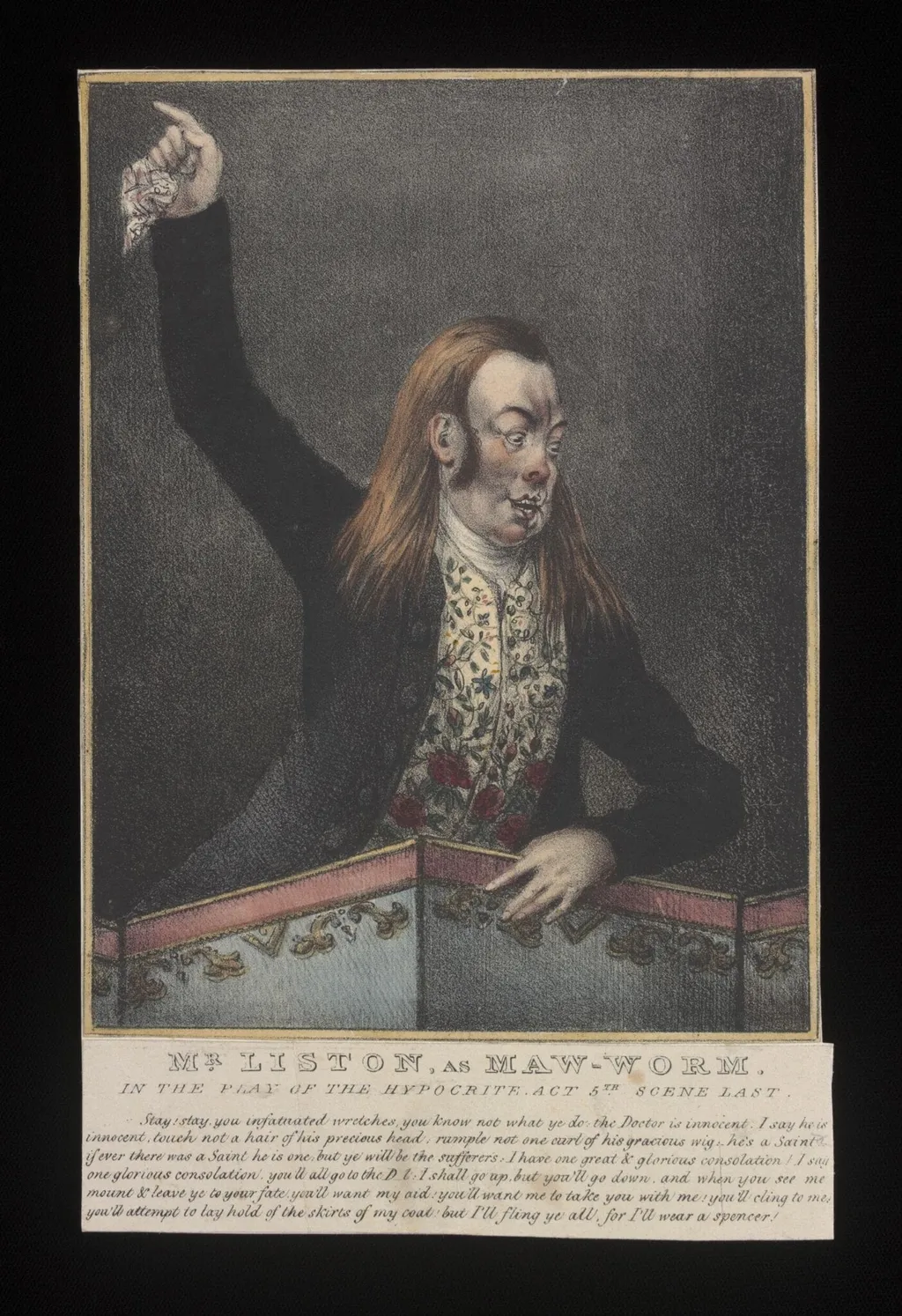
Mr Liston as Maw-Worm in the Hypocrite is a print by Unknown. It dates from 1850 and is held in the collection of the Victoria and Albert Museum. This early 19th-century print captures actor John Liston in the role of Maw-Worm from the play 'The Hypocrite.
About this work
Overview
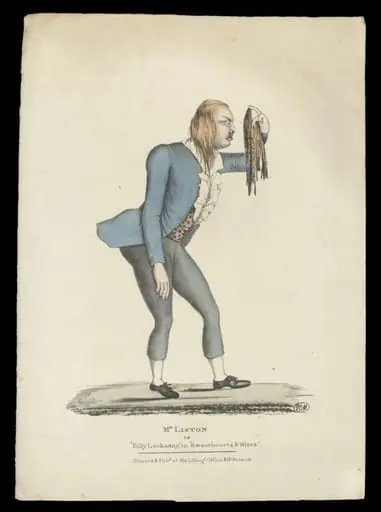
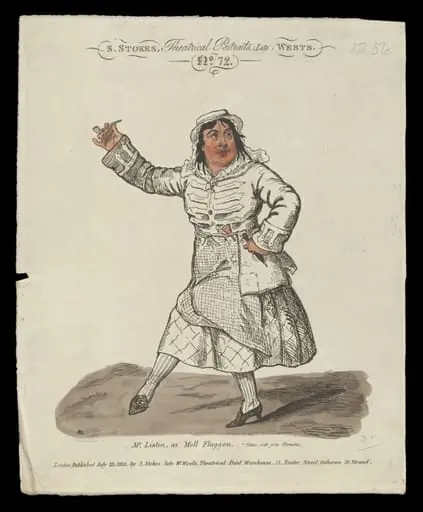
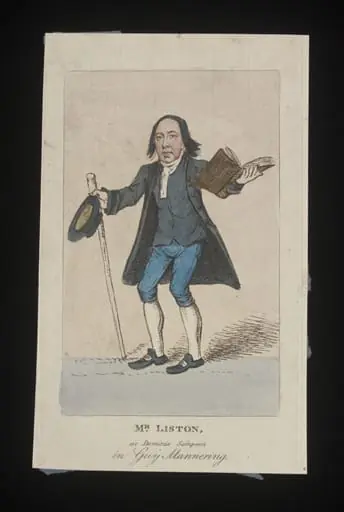
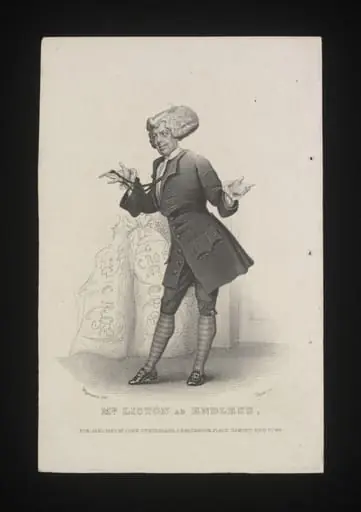
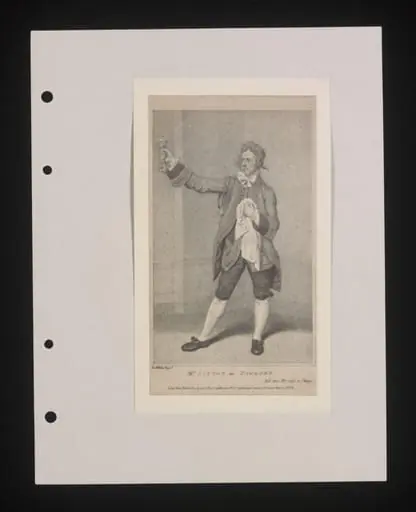
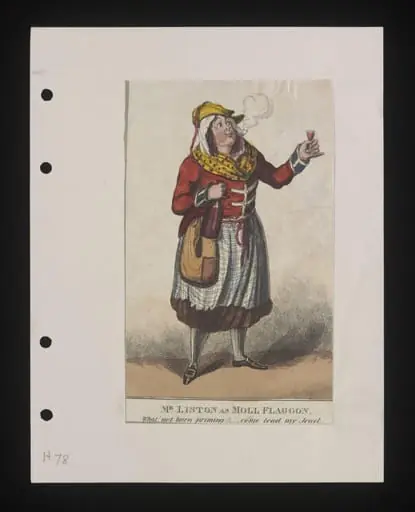
This early 19th-century print captures actor John Liston in the role of Maw-Worm from the play 'The Hypocrite.' Produced as a theatrical souvenir, it belongs to the Harry Beard Collection and reflects the popularity of stage performance imagery among contemporary audiences. The image was likely distributed to fans seeking a tangible connection to live theater, a common practice in the period.
Subject & Meaning
Maw-Worm is a satirical character known for exaggerated moral posturing, and Liston’s portrayal emphasized comedic hypocrisy through physical expressiveness.
Maw-Worm is a satirical character known for exaggerated moral posturing, and Liston’s portrayal emphasized comedic hypocrisy through physical expressiveness. The print freezes a moment of theatrical irony: Liston’s broad smile and ornate, outdated attire visually underscore the character’s absurdity. This depiction served not just as portraiture but as social commentary, inviting viewers to recognize the gap between appearance and intent.
Technique & Style
Rendered in a detailed line engraving style, the print uses fine cross-hatching to define fabric textures and facial features. The composition centers Liston’s expressive face and costume, minimizing background detail to focus on the actor’s performance. The tonal contrast and crisp outlines reflect standard theatrical portraiture of the era, designed for mass reproduction and clear visual impact at a glance.
History & Provenance
The print originates from the early 1800s and was part of the Harry Beard Collection, assembled by a noted theater enthusiast. Its survival reflects the cultural value placed on documenting popular stage performers. Though the original publisher is unrecorded, such prints were commonly sold outside London theaters as keepsakes, linking them to the commercial ecosystem of Regency-era entertainment.
Context
During the early 19th century, theatrical prints were widely circulated as affordable memorabilia, especially for popular comic roles. Liston, a celebrated actor of the Drury Lane and Covent Garden stages, was known for his physical comedy and distinctive voice. This image aligns with a broader trend of visual culture that celebrated actors as public figures, blurring the line between performance and celebrity.
Legacy
The print endures as a record of a specific performance tradition now lost to time. It contributes to the historical understanding of how theater was consumed visually, before photography became widespread. Institutions like the Victoria and Albert Museum preserve such items to illustrate the material culture of 19th-century British entertainment and its public reception.
Artist & collection

 Domestic Scene
 Giacomo and Cardinal Marco, investing Andrea, Abbot of San Zeno, with his Benefice
 The Nymph of Fontainebleau
 Portrait of a Woman
 Madonna and Child with Saints in the Enclosed Garden
 Venus and Minerva
 Family Group of Four on Sofa
 Wall painting from Room H of the Villa of P. Fannius Synistor at Boscoreale