Artwork
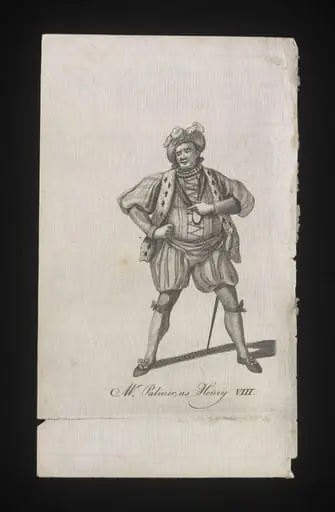
Mr Palmer as Henry VIII
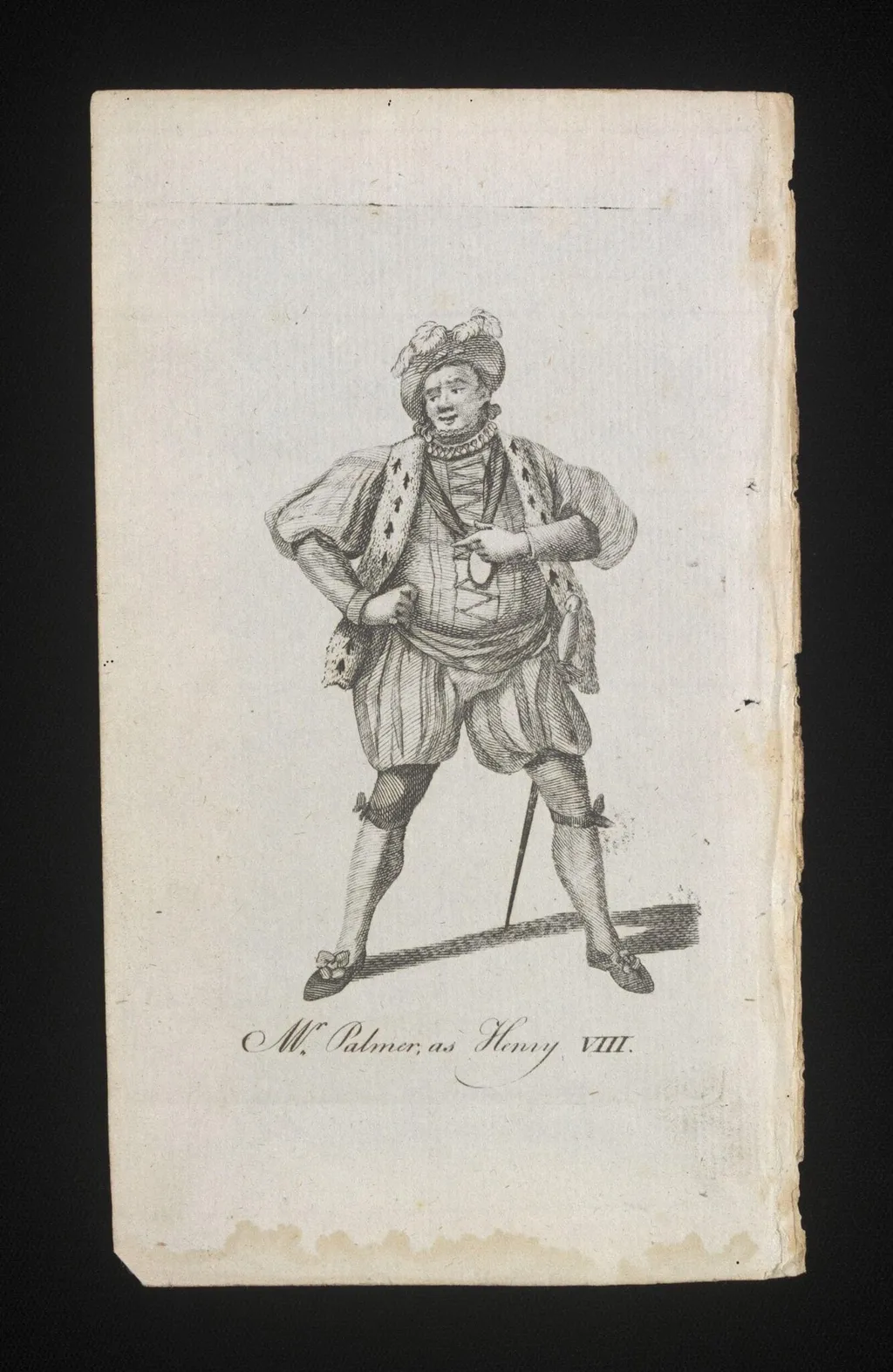
Mr Palmer as Henry VIII is a print by Unknown. It dates from 1850 and is held in the collection of the Victoria and Albert Museum. This 19th-century print captures actor John Palmer in the role of Henry VIII, produced during the height of British theatrical portraiture.
About this work
Overview
This 19th-century print captures actor John Palmer in the role of Henry VIII, produced during the height of British theatrical portraiture.
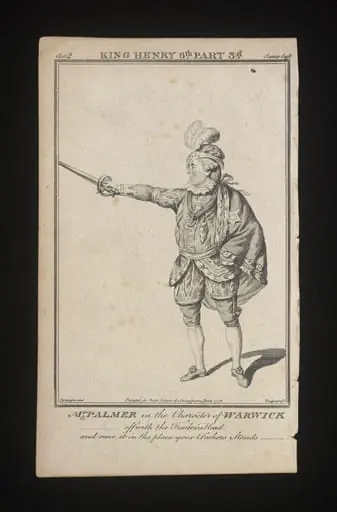
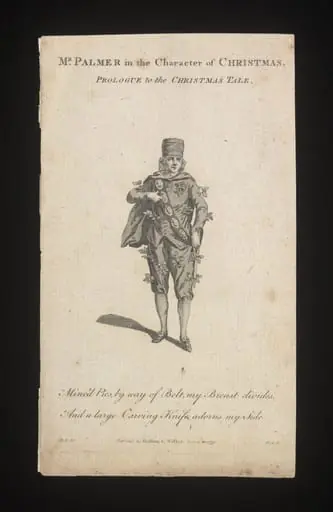
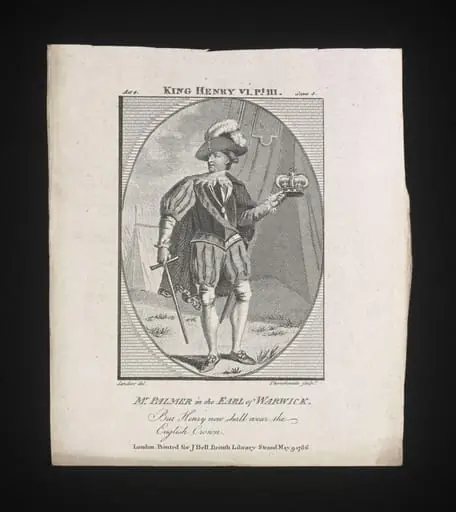
This 19th-century print captures actor John Palmer in the role of Henry VIII, produced during the height of British theatrical portraiture. It belongs to the Harry Beard Collection, a curated assembly of theatrical ephemera now held by the Victoria and Albert Museum. The image serves as a documentary record of stage performance rather than a historical portrait of the monarch, reflecting the era’s fascination with celebrity actors in iconic roles.
Subject & Meaning
The print presents John Palmer not as the historical king, but as the actor embodying him on stage. It emphasizes theatrical representation over historical accuracy, highlighting how 19th-century audiences engaged with monarchy through performance. Palmer’s portrayal became a cultural touchstone, allowing the public to visualize royal authority filtered through the lens of professional acting and costume.
Technique & Style
Executed in the standard printmaking methods of the period, likely an engraving or lithograph, the image relies on precise line work and tonal contrast to define costume and posture. The composition is formal, framing Palmer in full regalia against a plain background, focusing attention on the actor’s demeanor and the symbolic weight of the royal attire rather than narrative detail.
History & Provenance
Created in the 1800s, the print entered the collection of Harry Beard, a noted collector of theater memorabilia. After his death, the collection was acquired by the Victoria and Albert Museum, where it remains part of its extensive holdings on British performance history. Its preservation reflects institutional recognition of theater as a legitimate subject of cultural documentation.
Context
During the 19th century, public interest in Shakespearean and historical drama surged, and actors like Palmer became national figures. Prints such as this circulated widely, serving as affordable souvenirs for theatergoers and reinforcing the connection between stage portrayals and collective memory of historical figures, especially monarchs whose real lives were distant from everyday experience.
Legacy
The print endures as evidence of how performance shaped public perception of history. It illustrates the transition of royal imagery from official portraiture to popular media, where actors assumed the visual language of power. Today, it contributes to scholarly understanding of 19th-century British theater and the material culture of performance.
Artist & collection

 Domestic Scene
 Giacomo and Cardinal Marco, investing Andrea, Abbot of San Zeno, with his Benefice
 The Nymph of Fontainebleau
 Portrait of a Woman
 Madonna and Child with Saints in the Enclosed Garden
 Venus and Minerva
 Family Group of Four on Sofa
 Wall painting from Room H of the Villa of P. Fannius Synistor at Boscoreale