Artwork
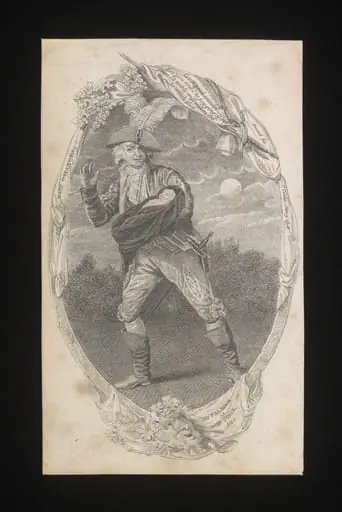
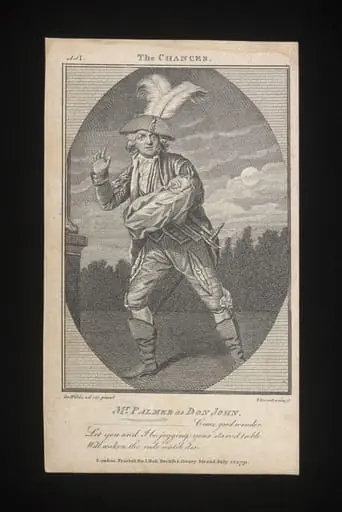
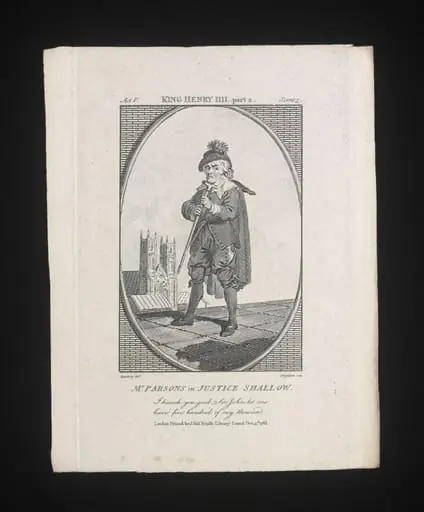
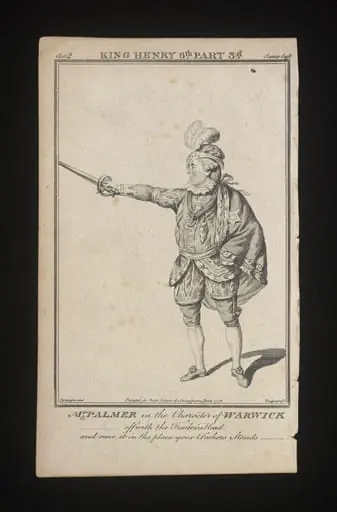
John Palmer Junior as the Earl of Warwick
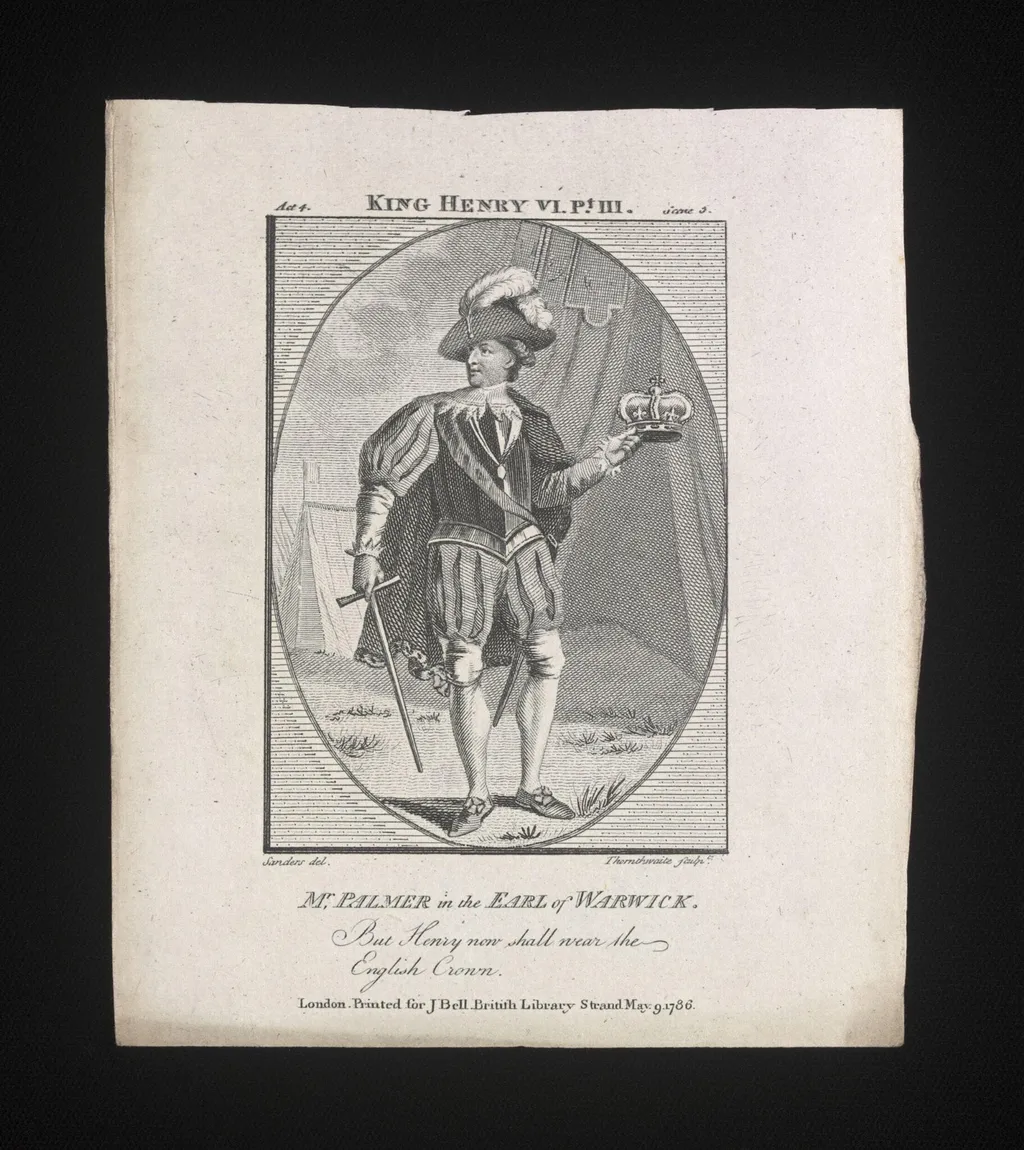
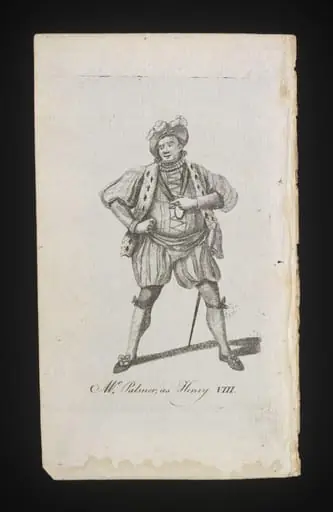
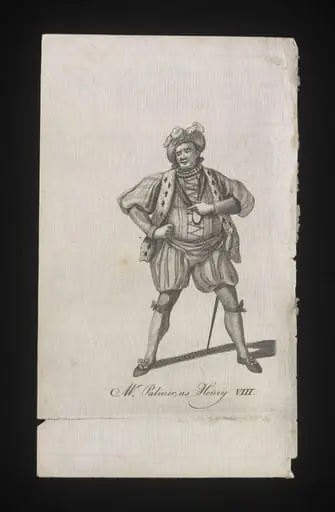
John Palmer Junior as the Earl of Warwick is a print by the Romanticist artist J. Thornthwaite. It dates from 9 and is held in the collection of the Victoria and Albert Museum. A 1786 print by J.
About this work
In 1786, a print showed John Palmer as the Earl of Warwick in *King Henry IV, Part III*. The print was made by J. Thornthwaite and published by John Bell in London.
It’s part of the Romantic movement, known for drama and emotion. The portrait captures a stage role, not a real person.
Look up the Victoria and Albert Museum.
Overview
Thornthwaite, published by John Bell in London, portrays actor John Palmer in the role of the Earl of Warwick from Shakespeare’s *King Henry IV, Part III*.
A 1786 print by J. Thornthwaite, published by John Bell in London, portrays actor John Palmer in the role of the Earl of Warwick from Shakespeare’s *King Henry IV, Part III*. Part of the Harry Beard Collection, it belongs to a series of theatrical portraits produced during the late 18th century to document stage performances. The image is not a likeness of a historical figure but a representation of a character as interpreted by a performer.
Subject & Meaning
The print captures John Palmer in a moment of dramatic intensity as the Earl of Warwick, a nobleman caught in the political turmoil of Shakespeare’s history play. Rather than depicting historical truth, it emphasizes theatrical expression—conveying authority, conflict, and emotional gravity through costume and gesture. The portrayal reflects the era’s fascination with Shakespearean roles as vehicles for psychological depth and moral complexity.
Technique & Style
Executed in line engraving, the print uses fine, controlled strokes to render texture in fabric, facial expression, and posture. The composition is formal, with the figure centered against a neutral background, focusing attention on costume and gesture. The style aligns with contemporary theatrical portraiture, prioritizing clarity and recognizability over atmospheric detail, suited for mass reproduction and public consumption.
History & Provenance
Published on May 9, 1786, by John Bell, the print was one of many in his series documenting leading actors of the London stage. It entered the Harry Beard Collection, later acquired by the Victoria and Albert Museum, where it remains part of a significant archive of British theatrical history. Its survival reflects the growing cultural interest in preserving ephemeral stage performances through printed media.
Context
In the late 18th century, British theatre experienced a revival of Shakespearean drama, with actors like Palmer gaining fame for their interpretations of historical roles. Prints such as this served both as souvenirs and as tools for shaping public perception of actors as artists. The Romantic movement’s emphasis on emotion and individuality influenced how these roles were staged and visually recorded, elevating performance beyond mere entertainment.
Legacy
This print contributes to a broader visual record of 18th-century British theatre, illustrating how performance was documented and disseminated before photography. It preserves the physicality and style of a specific actor’s interpretation, offering insight into the conventions of stage representation at the time. Today, it remains a reference for scholars studying the intersection of theatre, print culture, and identity in the Georgian era.
Artist & collection
Artist
This artist made prints of actors on stage in the 1700s, turning famous roles into portraits.

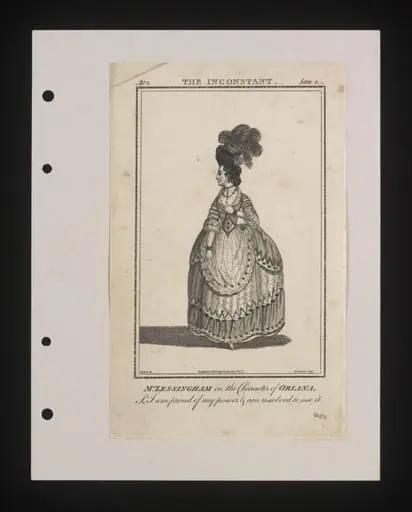 Mrs Lessingham in the character of Oriana
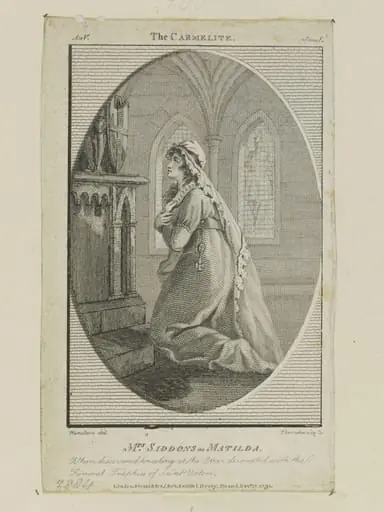 Mrs. Siddons as Matilda in the 'Carmelite'
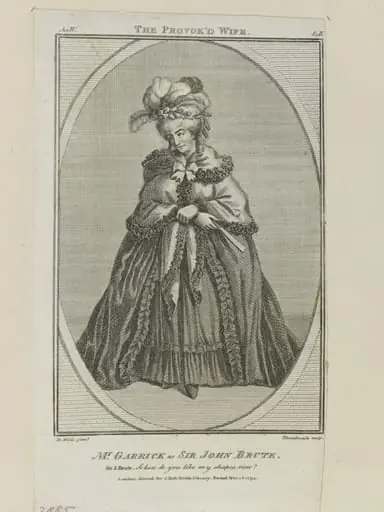 Mr. Garrick as Sir John Brute
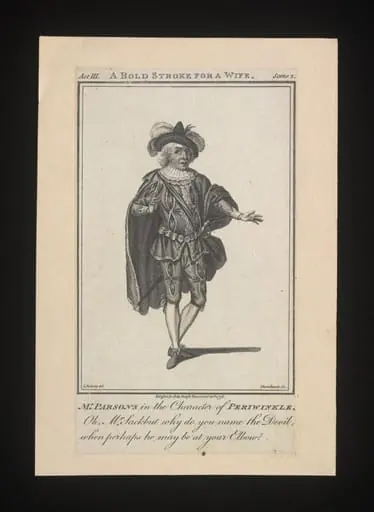 Mr Parsons in the character of Periwinkle in A Bold Stroke for a Wife
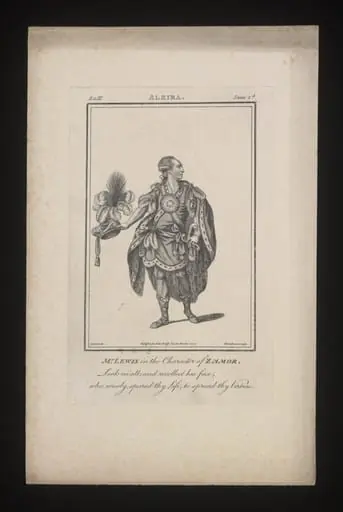 Mr. Lewis in the character of Zamor
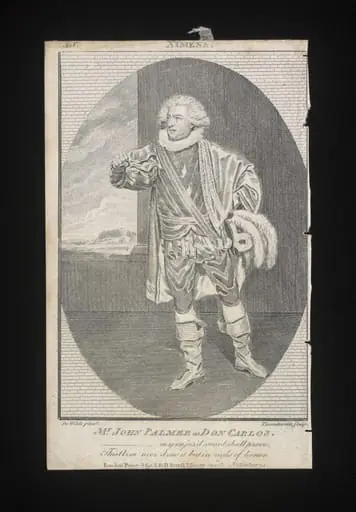 Mr John Palmer as Don Carlos
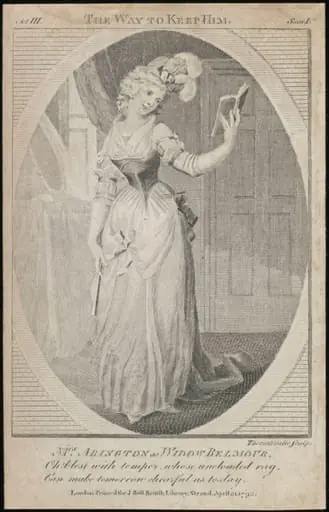 H Beard Print Collection
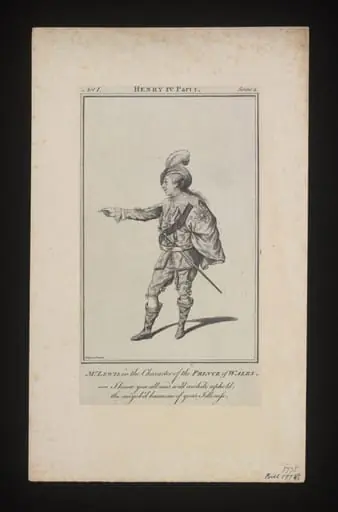
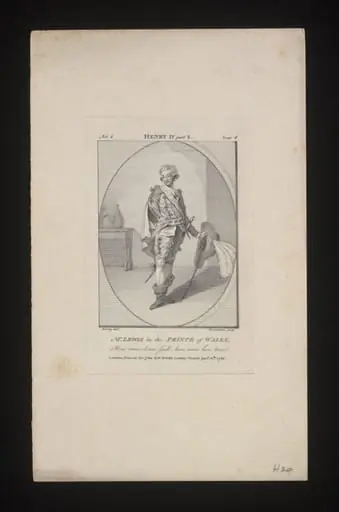 Mr. Lewis in the Prince of Wales