Artwork
One Hundred Images of Fudo (Acala)
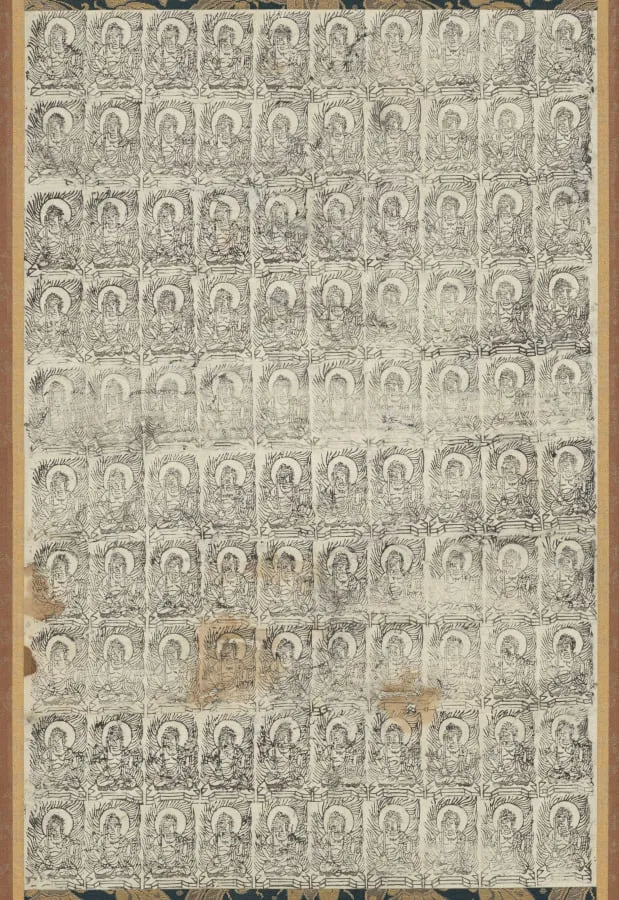
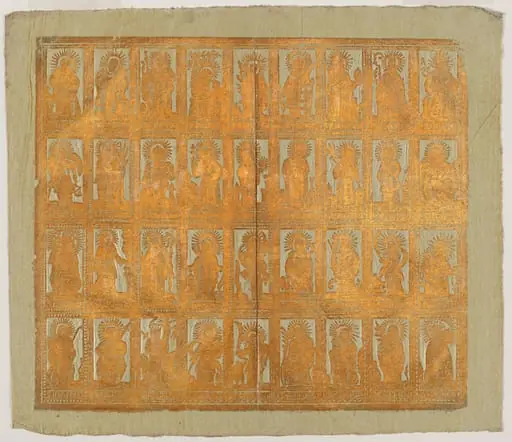
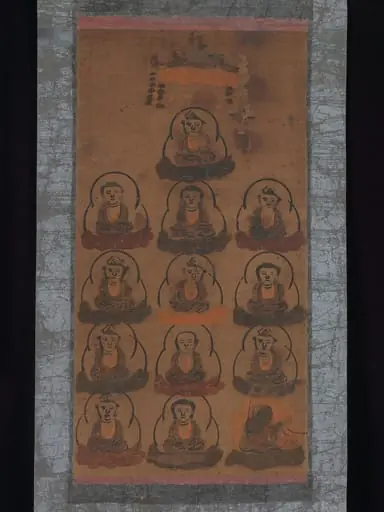
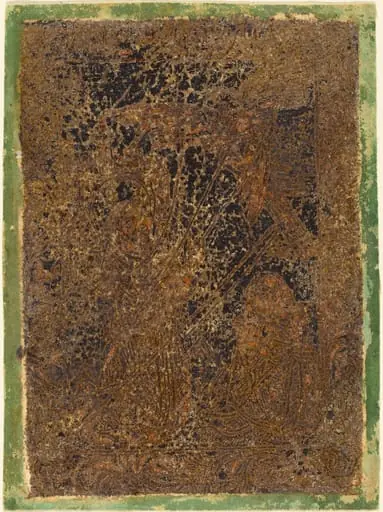
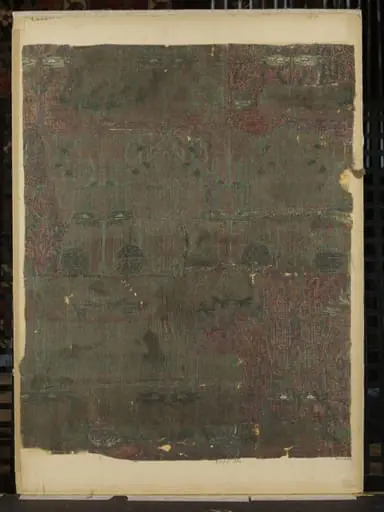
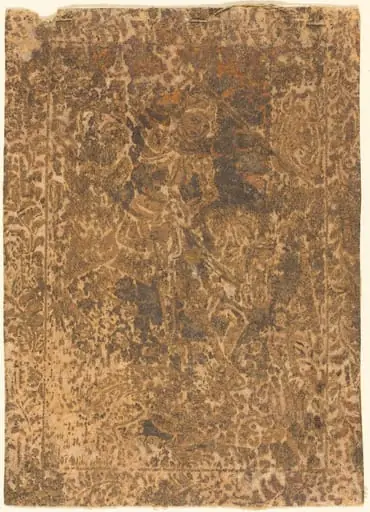
One Hundred Images of Fudo (Acala) is a print by Unknown. It dates from 1204 and is held in the collection of the Cleveland Museum of Art. The work consists of a hundred miniature depictions arranged in a ten‑by‑ten grid.
About this work
Overview
The work consists of a hundred miniature depictions arranged in a ten‑by‑ten grid. Each cell contains a single figure outlined in a darker pigment against a pale background, creating a uniform visual rhythm. The repeated motif emphasizes both the individuality of each portrayal and the collective presence of the subject across the entire surface.
Subject & Meaning
All hundred figures represent the Buddhist protector deity Fudo, known in Japanese as Acala. The deity is traditionally shown with a fierce expression, a halo, and a posture that conveys steadfastness. By presenting Fudo in numerous variations—arms raised, hands clasped—the artist explores the manifold aspects of his power and compassion within a single compositional framework.
Technique & Style
The images are rendered with a limited palette, employing a darker line work to define the deity against a light field, a method characteristic of Kamakura‑period Buddhist prints. The strict grid layout imposes a disciplined order, while subtle differences in pose and gesture introduce a measured dynamism, reflecting the period’s balance between formal structure and expressive detail.
Context
Created during Japan’s Kamakura era (1185–1333), a time when Buddhist iconography flourished in both sculpture and print, the piece aligns with the period’s devotional practices. The replication of a single sacred figure in multiple forms mirrors contemporary meditative techniques, wherein repeated visual contemplation was used to internalize the deity’s virtues.
Artist & collection

 Domestic Scene
 Giacomo and Cardinal Marco, investing Andrea, Abbot of San Zeno, with his Benefice
 The Nymph of Fontainebleau
 Portrait of a Woman
 Madonna and Child with Saints in the Enclosed Garden
 Venus and Minerva
 Family Group of Four on Sofa
 Wall painting from Room H of the Villa of P. Fannius Synistor at Boscoreale