Artwork
Endpaper with Saints
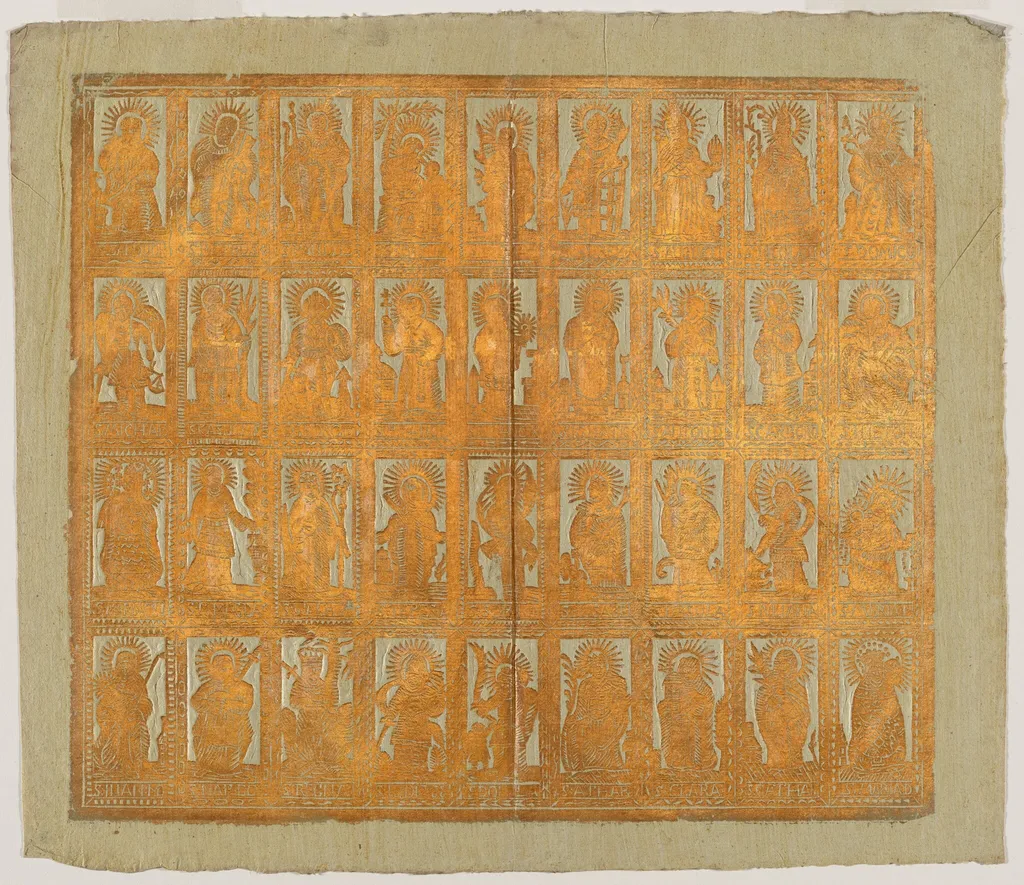
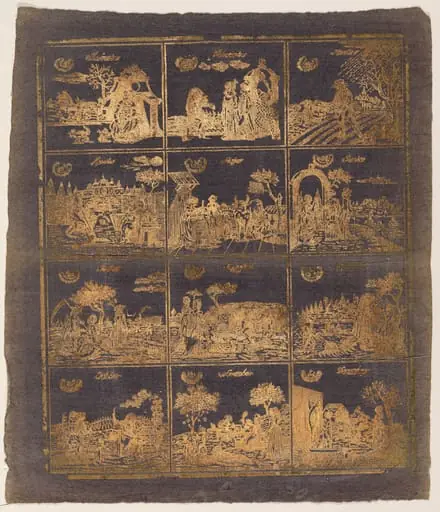
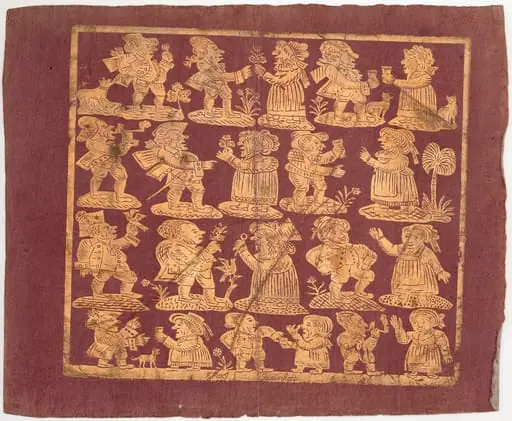
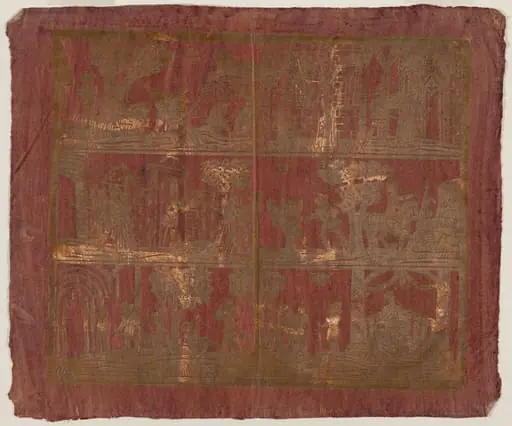
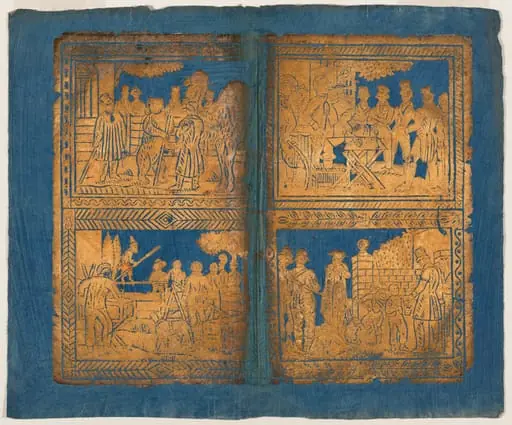
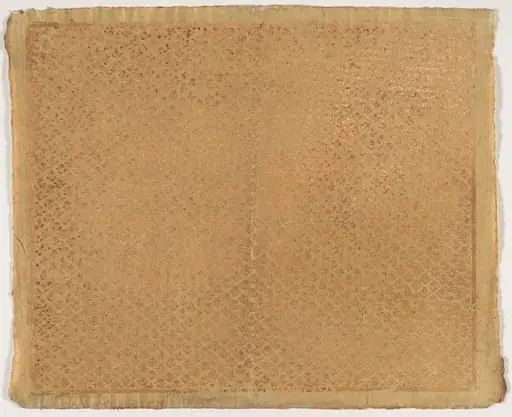
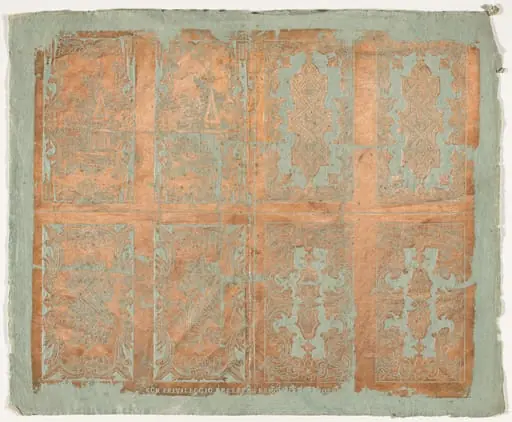
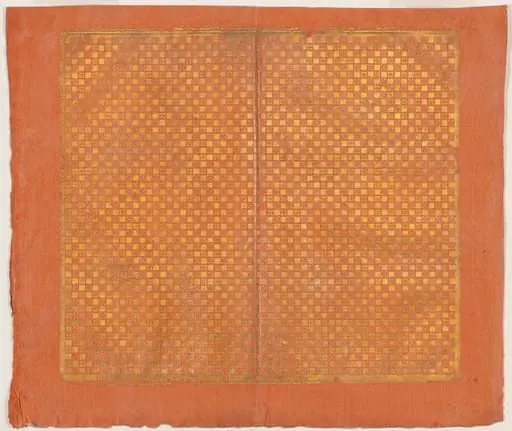
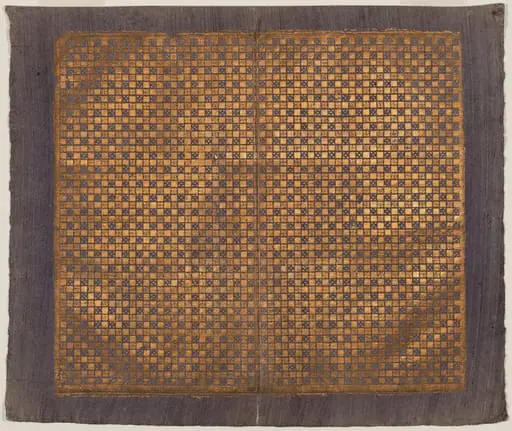
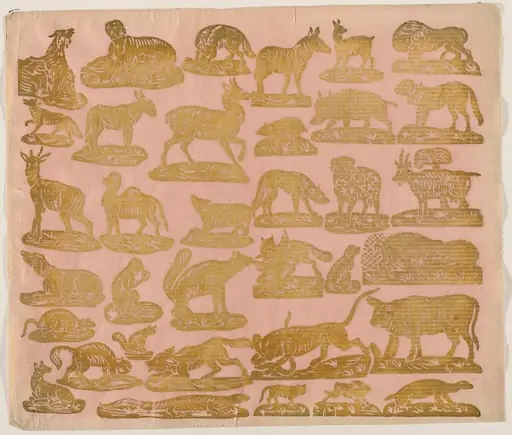
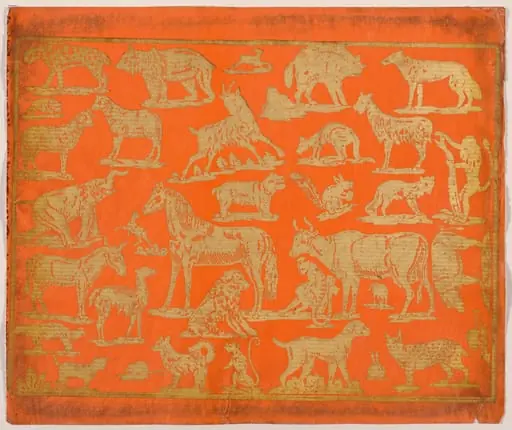
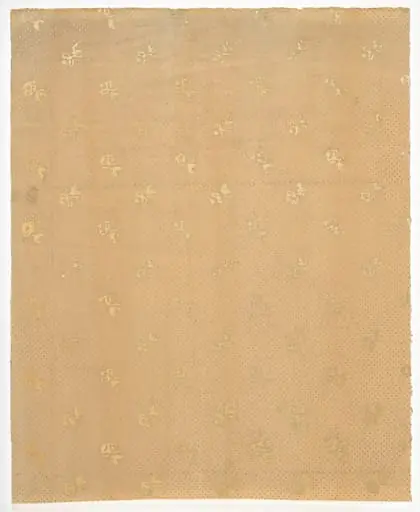
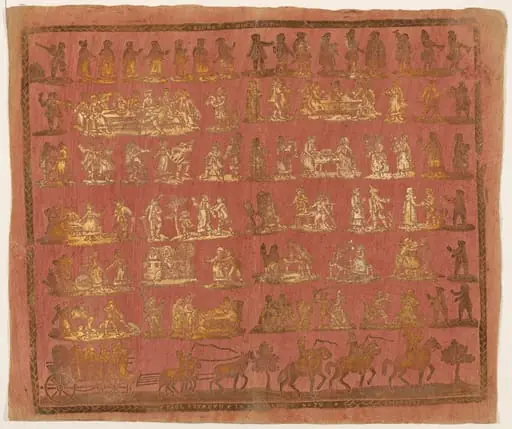
Endpaper with Saints is an ink print by the Baroque artist German 18th Century. It dates from 1750 and is held in the collection of the National Gallery of Art. The work is a hand‑washed yellow‑green sheet printed with a woodcut technique and applied in gold metallic ink.
About this work
Overview
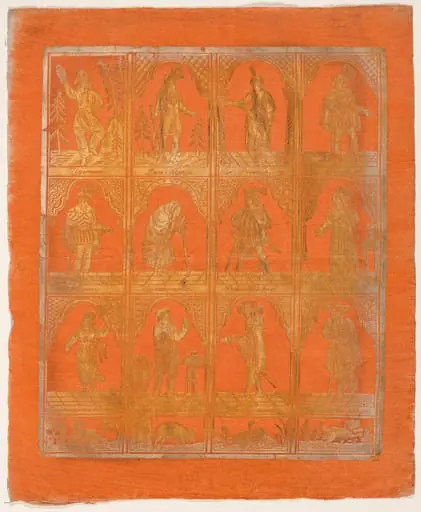
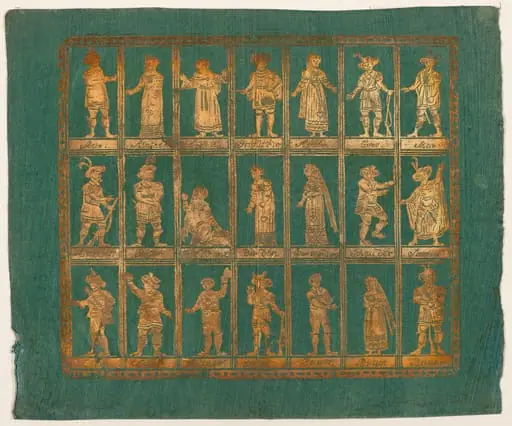
The work is a hand‑washed yellow‑green sheet printed with a woodcut technique and applied in gold metallic ink. The surface is populated by a series of small, framed vignettes, each depicting a haloed figure rendered in a warm, slightly muted gold against the paper’s pale background.
Subject & Meaning
Each vignette presents a saintly figure, some standing, others kneeling, often clutching symbolic items such as books, crosses, or other devotional objects. The solemn expressions and radiant halos emphasize their sanctity, suggesting a devotional purpose for the viewer.
Technique & Style
The image was produced by carving the design into a wood block, inking the raised surfaces with gold metallic pigment, and pressing the block onto the paper. The use of metallic ink creates a reflective quality, while the simple rectangular borders give each figure a window‑like presentation.
History & Provenance
The sheet is an endpaper, traditionally used to close the front or back of a bound volume. Its hand‑washed paper and gold woodcut align with early modern European book‑binding practices, though specific provenance details are not recorded.
Context
Such saintly endpapers were common in liturgical books and private devotional volumes, serving both as decorative closure and as a visual reminder of the holy figures invoked during prayer.
Artist & collection
Artist
This artist kept meticulous endpapers—like secret notebooks—filled with tiny gold figures standing in a row.