Artwork
Owl and Red Leaves
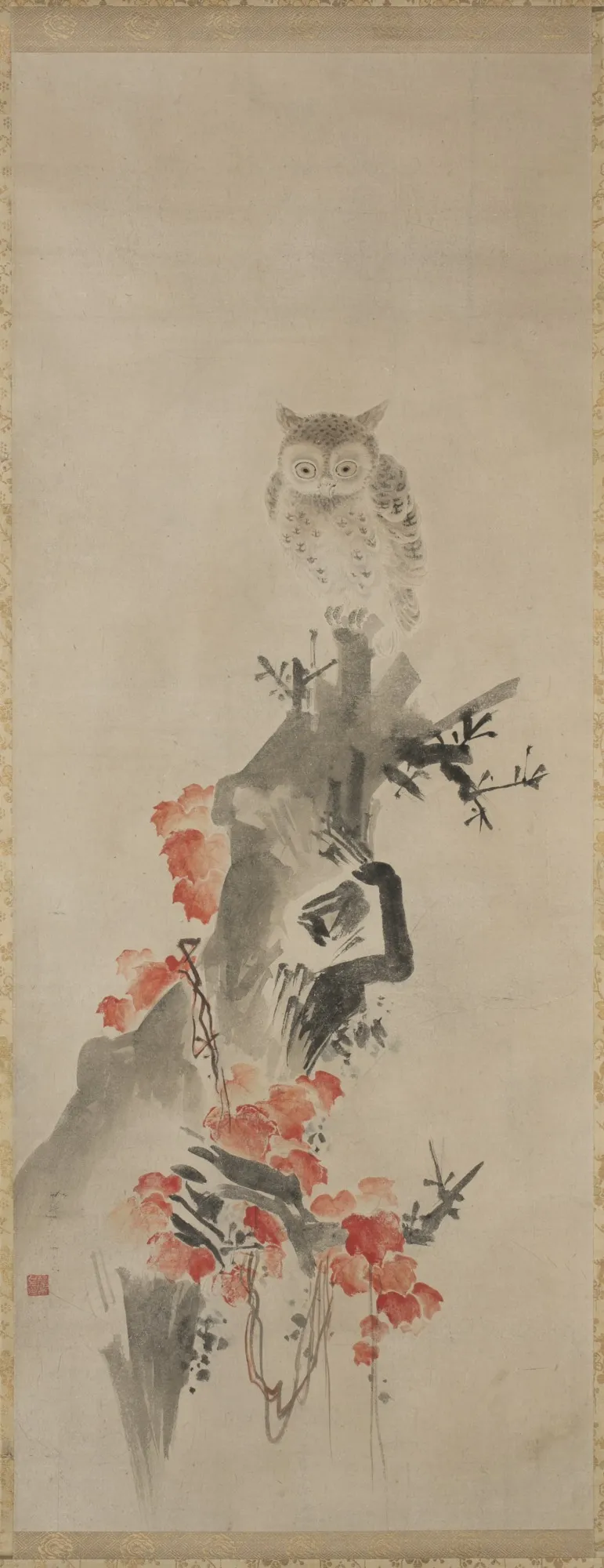
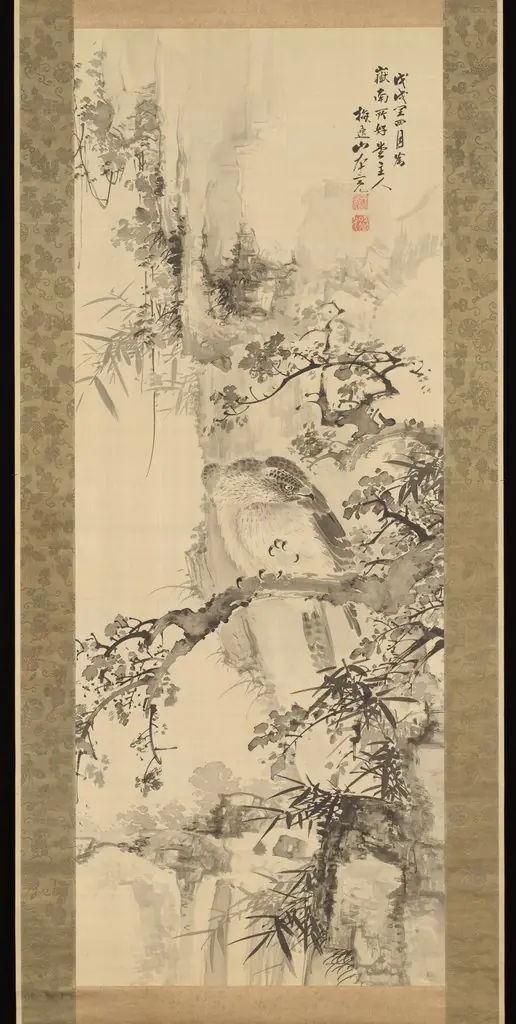
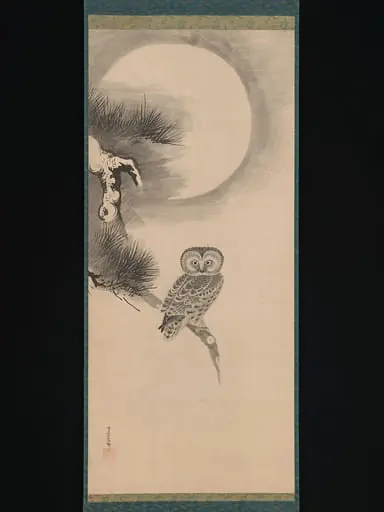
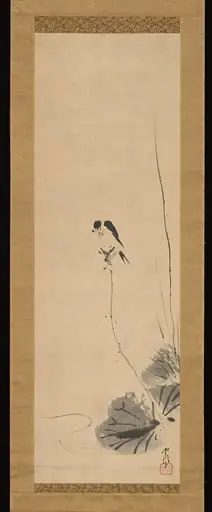
Owl and Red Leaves is an unspecified painting by Unknown. It dates from 1700 and is held in the collection of the Detroit Institute of Arts. This painting presents a solitary owl resting on a tree branch, set against a soft beige background.
About this work
Overview
This painting presents a solitary owl resting on a tree branch, set against a soft beige background. The owl’s pale form contrasts with the vivid red leaves that surround it, creating a quiet focal point. The composition is deliberately balanced, with the owl centered and the leaves arranged to guide the eye without clutter. The stillness of the scene invites contemplation rather than narrative.
Subject & Meaning
Its placement among falling red leaves suggests a moment suspended between seasons, possibly evoking themes of transition or quiet observation.
The owl, often associated with wisdom or solitude in cultural traditions, is rendered with direct eye contact that engages the viewer. Its placement among falling red leaves suggests a moment suspended between seasons, possibly evoking themes of transition or quiet observation. No overt symbolism is stated, but the pairing of the bird and seasonal foliage implies a subtle connection between nature and perception.
Technique & Style
The artist employs a restrained palette, using muted tones for the background to emphasize the owl and leaves. The owl is painted with soft, light hues and minimal detail, while the leaves are rendered in bold reds with loose, expressive brushwork. This contrast in texture and saturation creates visual harmony without relying on realism, suggesting an interest in mood over precise depiction.
History & Provenance
The painting is held in the collection of the Detroit Institute of Arts, though its origin and acquisition history are not widely documented. It is not attributed to a major historical figure, and little is known about the artist’s background or the date of creation. Its presence in the museum indicates it was selected for its aesthetic qualities rather than its historical significance.
Context
Created in a period when many artists explored intimate natural scenes, this work aligns with early 20th-century tendencies toward simplified forms and emotional resonance over narrative. It reflects a broader interest in capturing fleeting moments in nature, common in regional American art circles, though it lacks ties to any known movement or school.
Legacy
Though not widely reproduced or studied, the painting remains a quiet example of early modern American tonalism. Its enduring presence in the Detroit Institute of Arts suggests institutional recognition of its compositional restraint and emotional subtlety. It contributes to a lesser-known strand of nature-focused painting that values stillness over spectacle.
Artist & collection

 Domestic Scene
 Giacomo and Cardinal Marco, investing Andrea, Abbot of San Zeno, with his Benefice
 The Nymph of Fontainebleau
 Portrait of a Woman
 Madonna and Child with Saints in the Enclosed Garden
 Venus and Minerva
 Family Group of Four on Sofa
 Wall painting from Room H of the Villa of P. Fannius Synistor at Boscoreale