Artwork
Peisaj cu moară
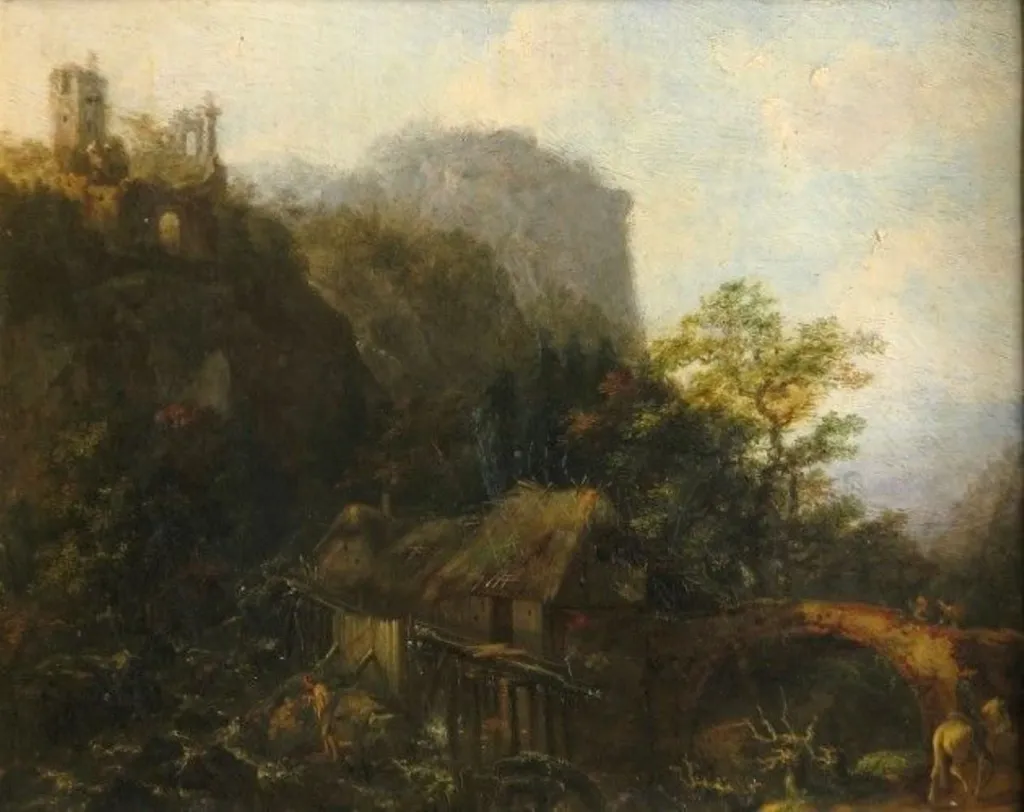
Peisaj cu moară is an unspecified painting by the Baroque artist Unknown. It dates from 1699 and is held in the collection of the Brukenthal National Museum.
About this work
Overview
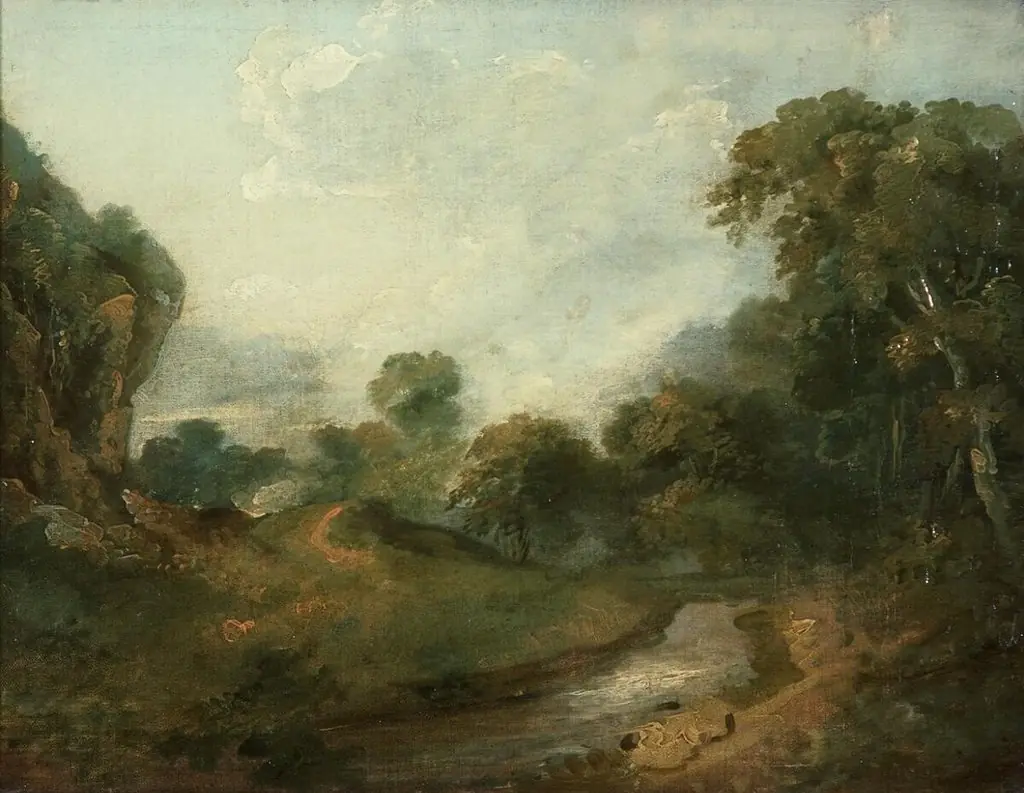
This landscape depicts a tranquil rural scene centered on a modest wooden structure with a thatched roof, adjacent to a waterwheel partially submerged in a slow-moving river. The composition is quiet and unembellished, emphasizing natural elements over human activity. Soft, muted tones and subtle shifts in light and shadow define the space, suggesting a moment of stillness rather than labor.
Subject & Meaning
The waterwheel implies a functional, agrarian setting—likely a mill powered by the river’s flow. The presence of stone ruins on the distant hill hints at layered history, contrasting the humble, working structure with older, abandoned architecture. The scene conveys quiet endurance, where human adaptation to the land persists without grandeur or drama.
Technique & Style
The artist employs a restrained palette of earthy grays, greens, and browns to unify the landscape. Chiaroscuro is used subtly to model forms, with gentle transitions between light and shadow giving volume to the house, wheel, and hills. Brushwork is soft and blended, avoiding sharp edges, reinforcing the calm, atmospheric mood of the scene.
History & Provenance
The painting’s origin and early ownership are not documented in available records. It appears to be a personal or regional study rather than a commissioned work, likely created during a period when artists turned to rural subjects as industrialization reshaped the countryside. Its survival suggests it was preserved within a private or local collection.
Context
This work aligns with 19th-century European tendencies to depict rural life with quiet realism, away from romanticized or dramatic narratives. Similar scenes were common among artists observing the changing relationship between communities and their environments, often recording structures and landscapes at risk of disappearing.
Legacy
Though not widely exhibited or reproduced, the painting contributes to a broader archive of regional landscapes that document everyday rural infrastructure. Its understated approach offers a counterpoint to more celebrated works, preserving a visual record of modest, functional architecture and its integration into natural settings.
Artist & collection

 Domestic Scene
 Giacomo and Cardinal Marco, investing Andrea, Abbot of San Zeno, with his Benefice
 The Nymph of Fontainebleau
 Portrait of a Woman
 Madonna and Child with Saints in the Enclosed Garden
 Venus and Minerva
 Family Group of Four on Sofa
 Wall painting from Room H of the Villa of P. Fannius Synistor at Boscoreale
 Abendliche Berglandschaft
 Arcadian Landscape with an Obelisk
 Llantrisant
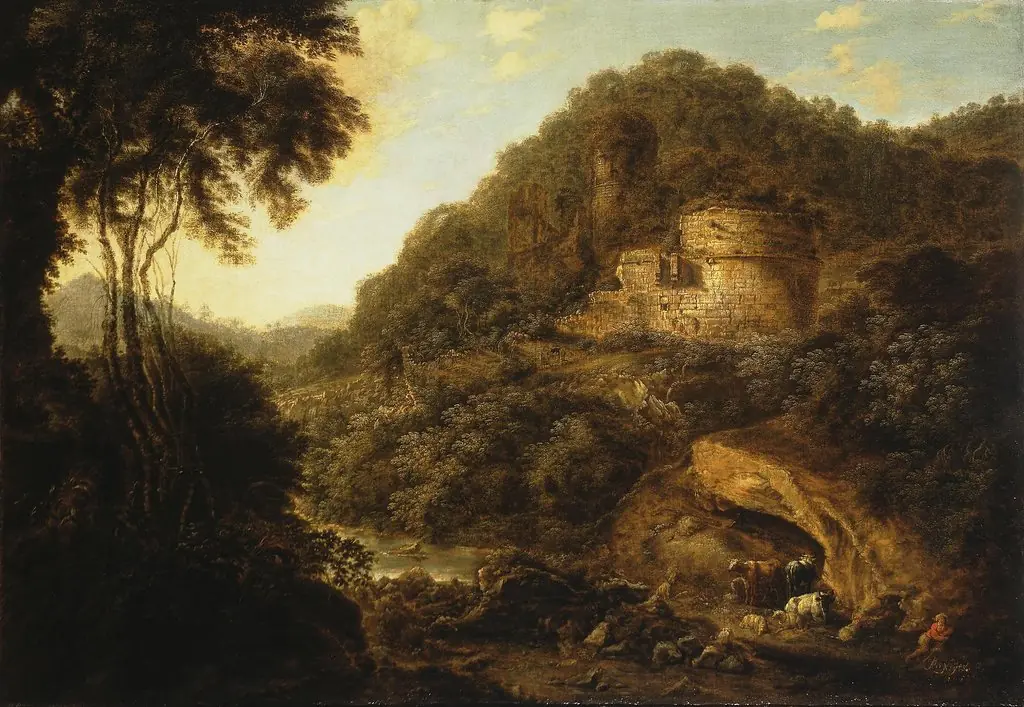 Landscape with Ruins
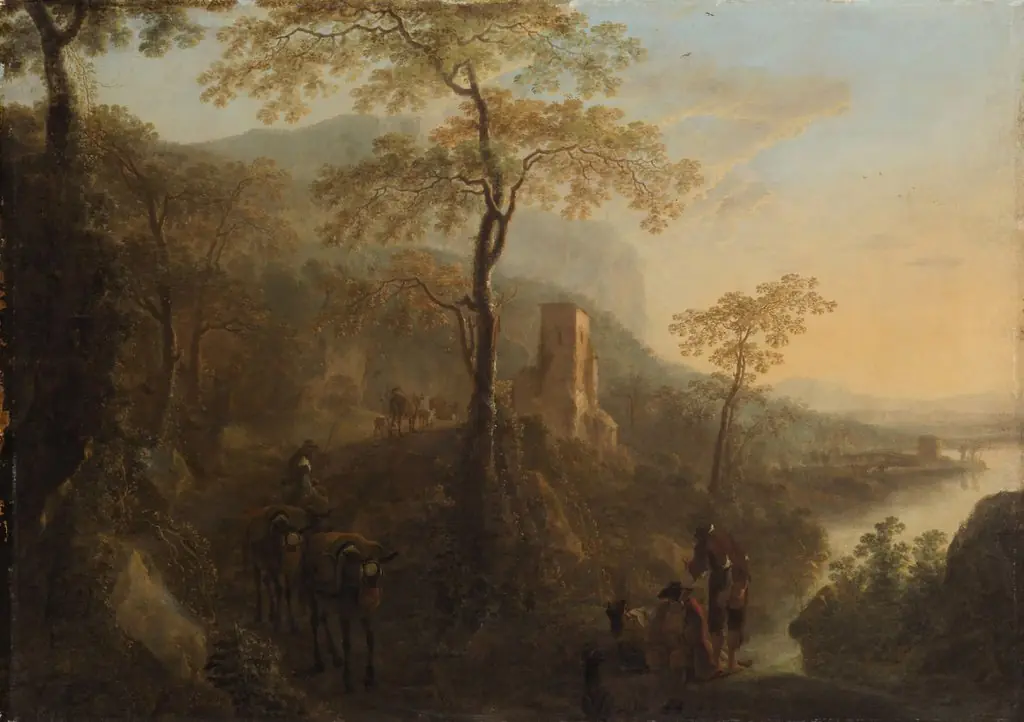 Italienische Landschaft
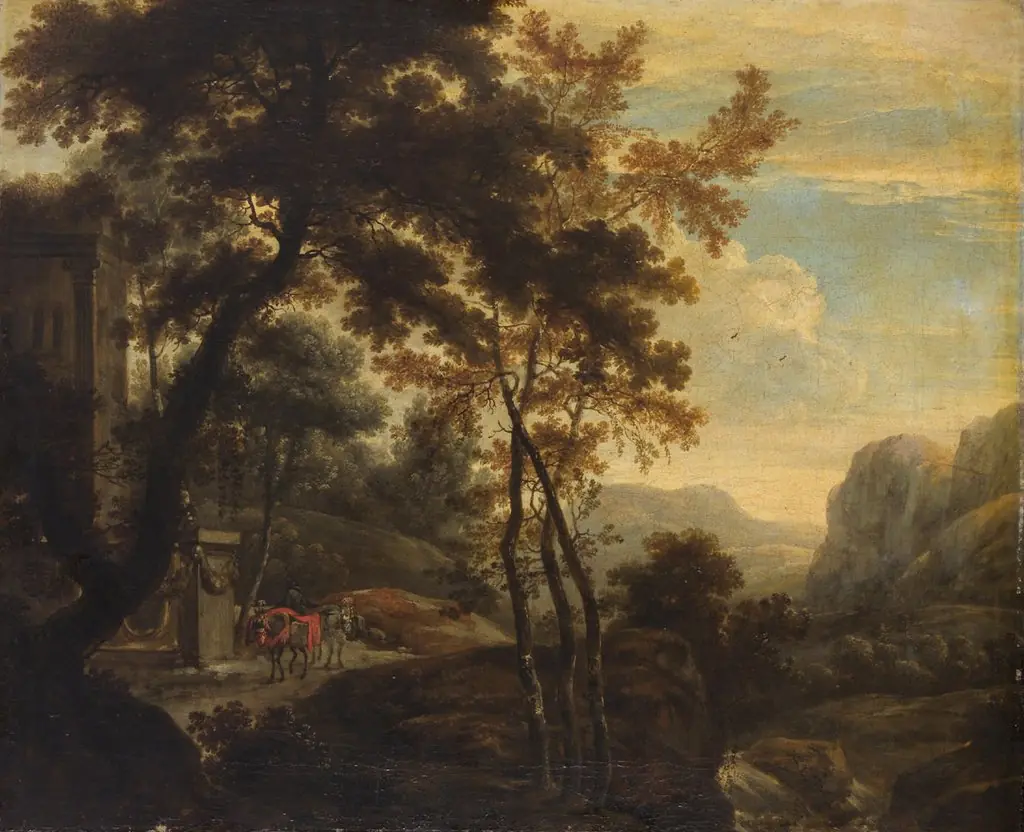 Mountainous landscape
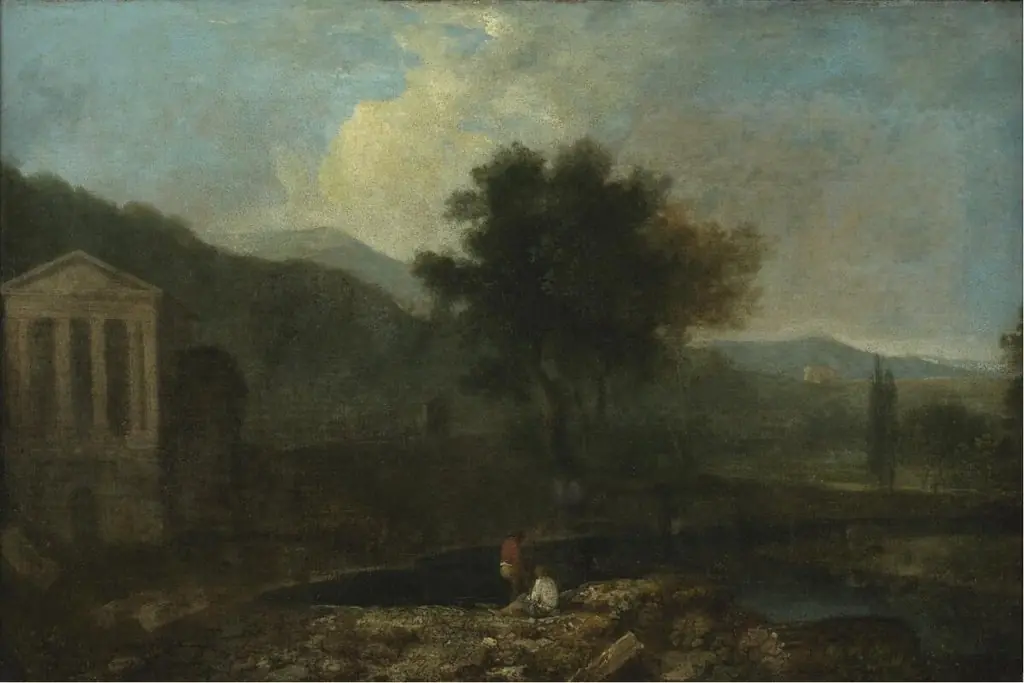 Temple of Clitumnus
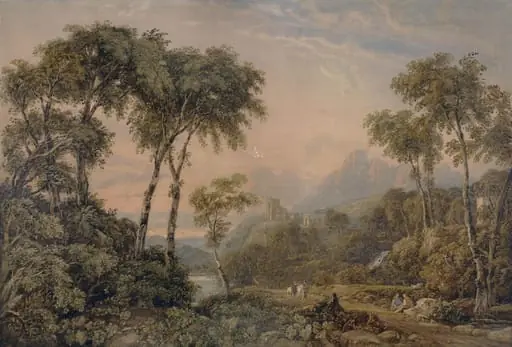 Landscape with Ruined Temple: Sunrise
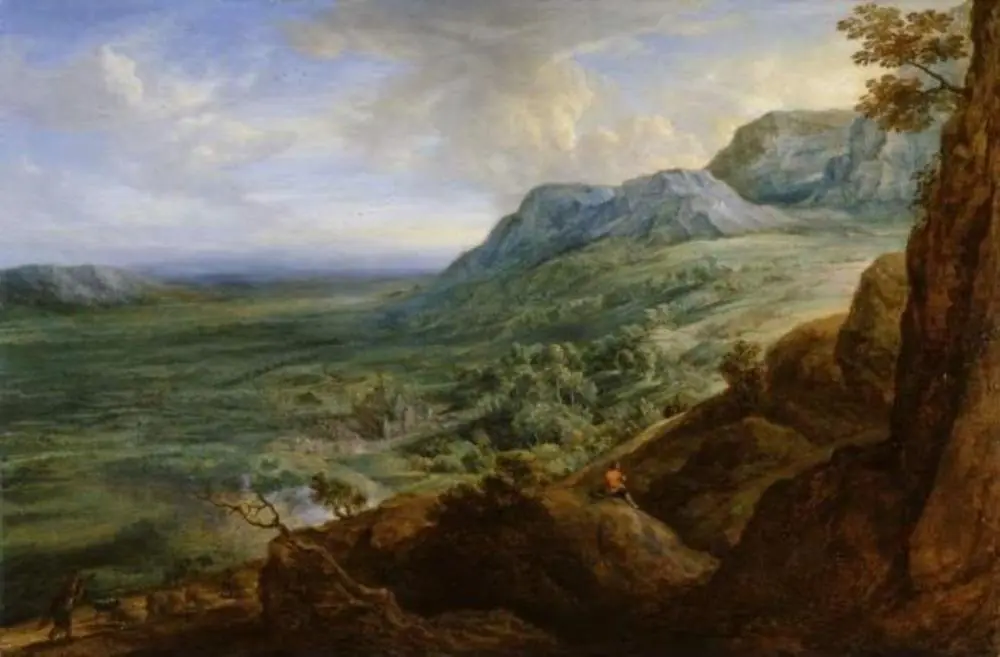 The Escorial from a foot-hill of the Guadarrama Mountains (after Sir Peter Paul Rubens)
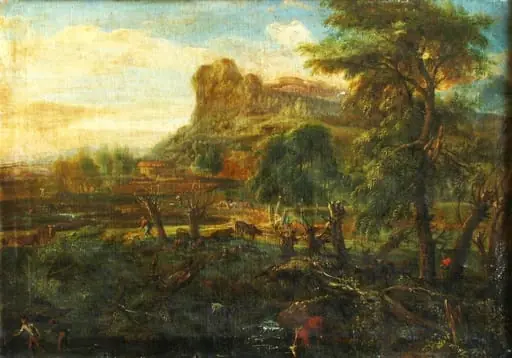 Peisaj cu arbori ciuntiți; pandant: Peisaj cu arbori
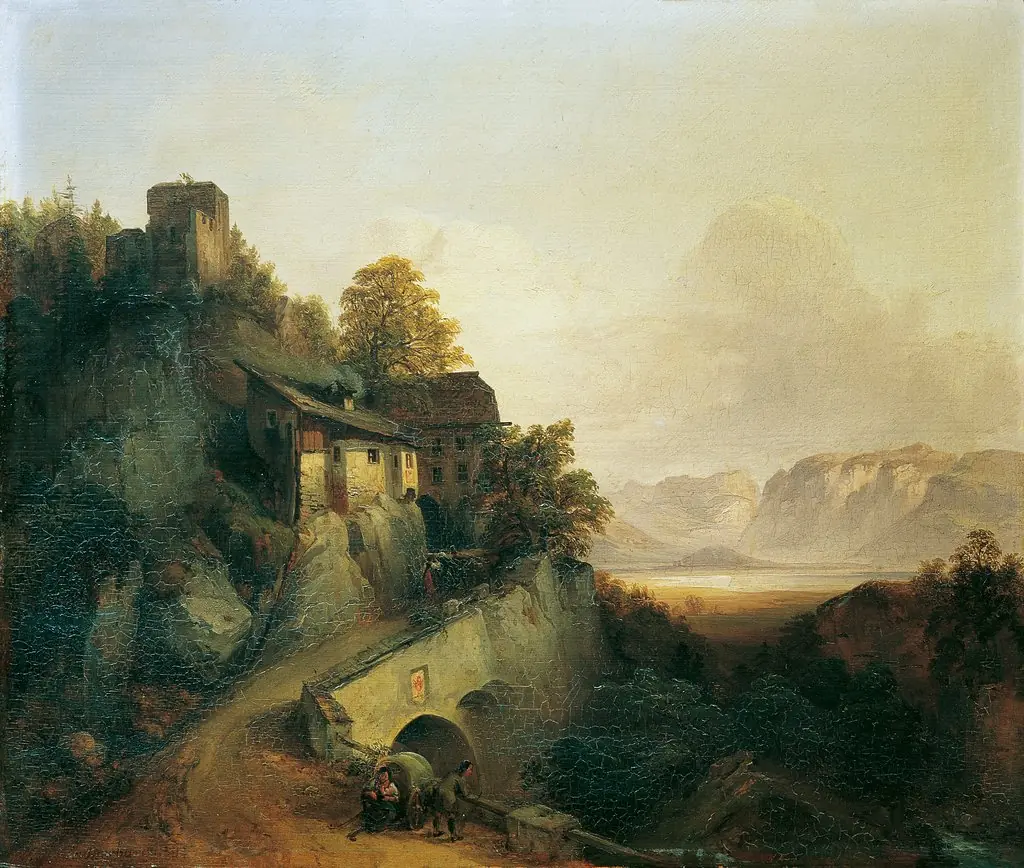 Mountain Road in Tirol
 Landscape and river