Artwork
Portrait of a Gentleman
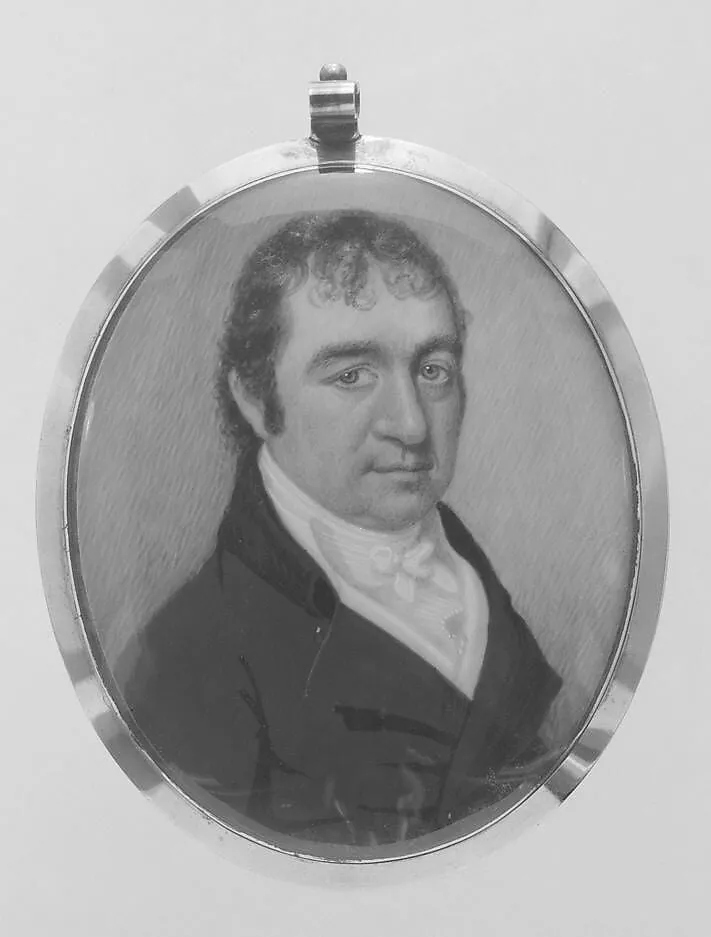
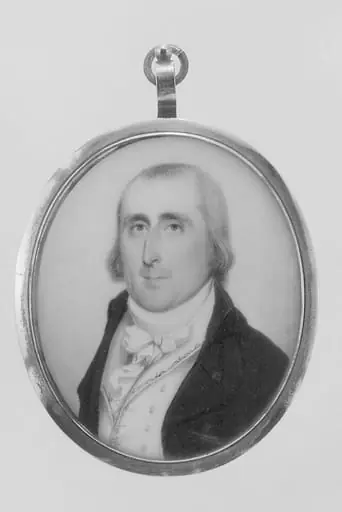
Portrait of a Gentleman is a watercolor painting. It dates from 1802 and is held in the collection of the Metropolitan Museum of Art.
About this work
Overview
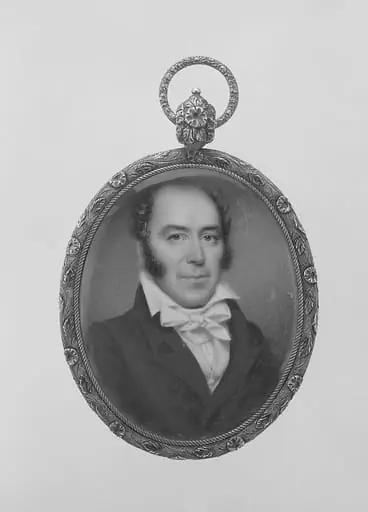
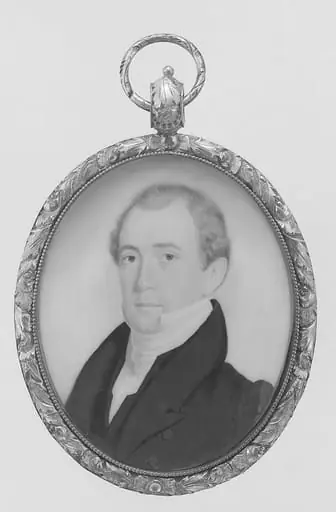
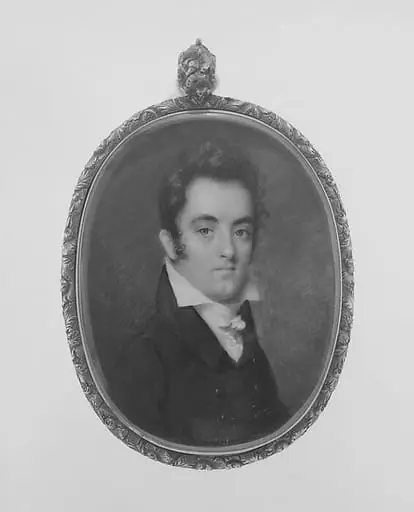
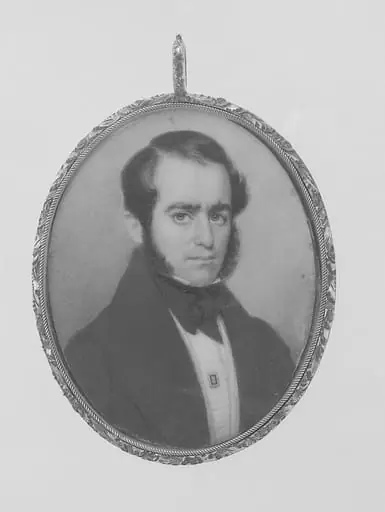
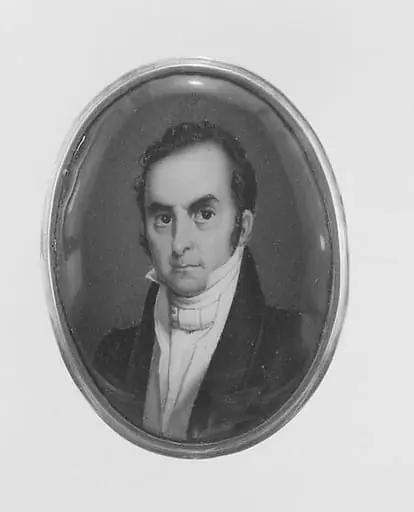
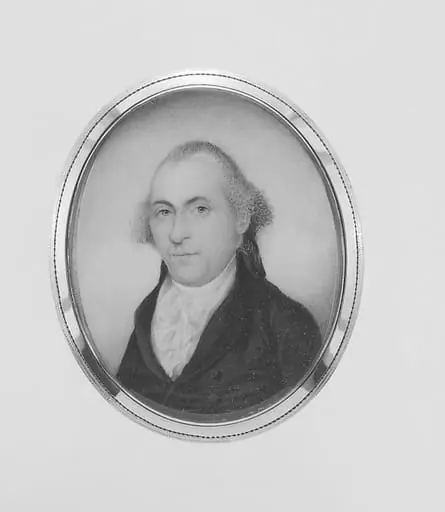
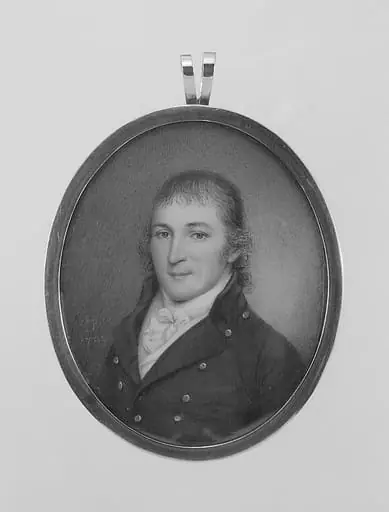
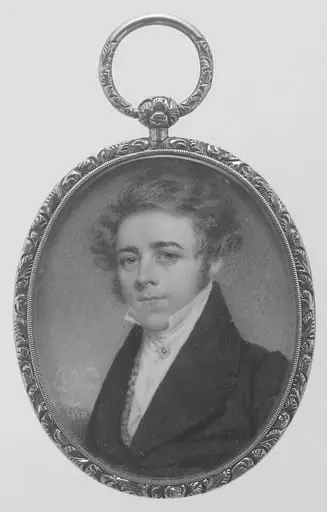
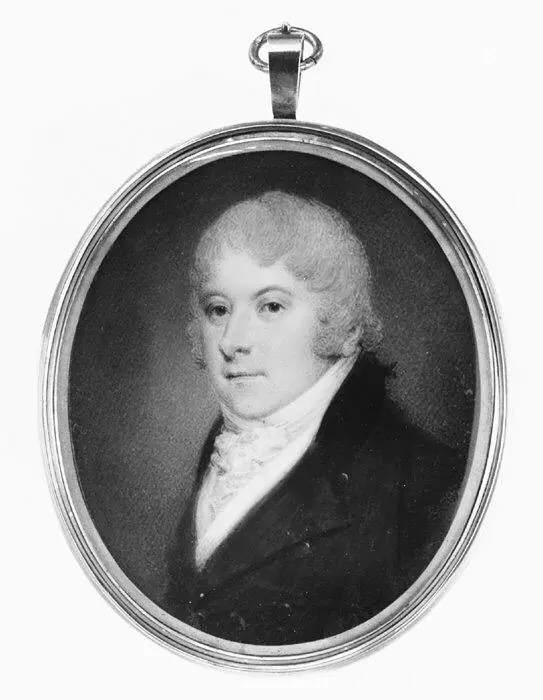
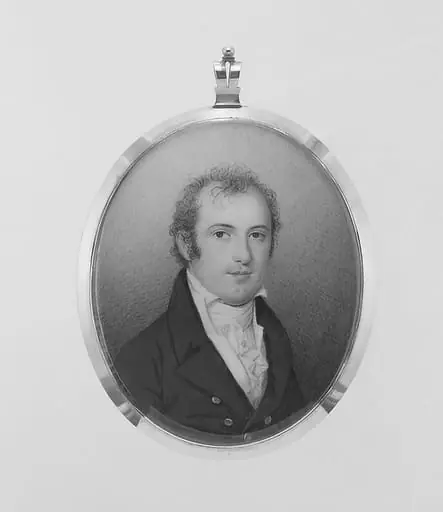
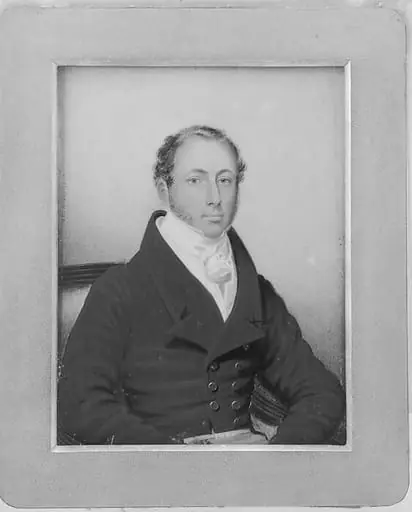
This miniature, titled Portrait of a Gentleman, is rendered in watercolor on ivory. It depicts a man in formal attire, his gaze directed forward. The artwork's diminutive scale, small enough to be held in one's hand, suggests an intimate purpose. His crisp cravat and carefully styled hair indicate a refined appearance, characteristic of the era.
Technique & Style
The artist employed watercolor on a thin sheet of ivory, a material chosen for its translucent qualities. When illuminated, the ivory ground imparts a subtle luminosity, enhancing the lifelike quality of the painted skin tones. This delicate medium allowed for fine detail within the small format, a common characteristic of such portraits.
Subject & Meaning
The subject, a gentleman in a dark coat, presents a composed demeanor, his white cravat neatly arranged and his hair tied back. His direct gaze engages the viewer, creating a sense of personal connection despite the painting's small size. Such miniature portraits were often commissioned for private devotion or as tokens of affection, intended for close viewing.
Context
Given its small dimensions and delicate medium, this portrait was likely intended for personal adornment or safekeeping. It could have been set into a locket or worn as a pendant, allowing the owner to carry the image of a loved one close to them. This practice underscores the intimate and portable nature of miniature painting during its period of popularity.
Artist & collection