Artwork
Portrait of a Lady
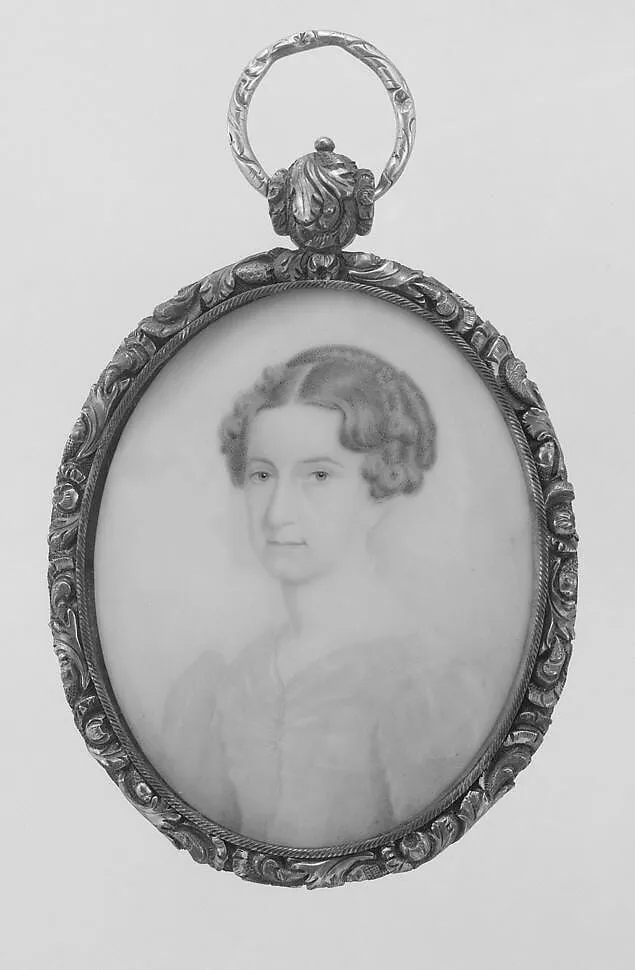
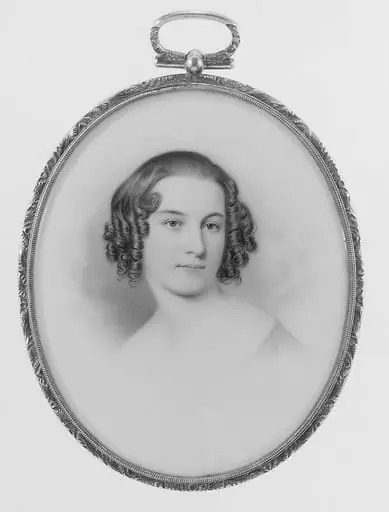
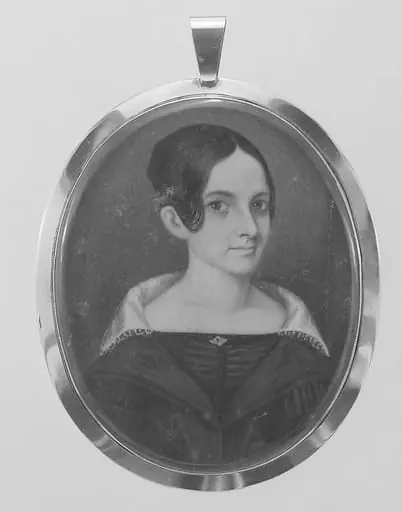
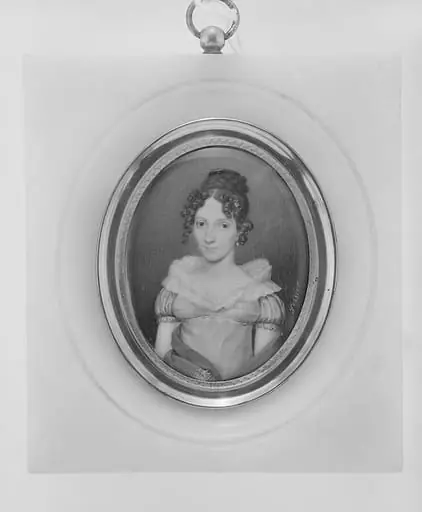
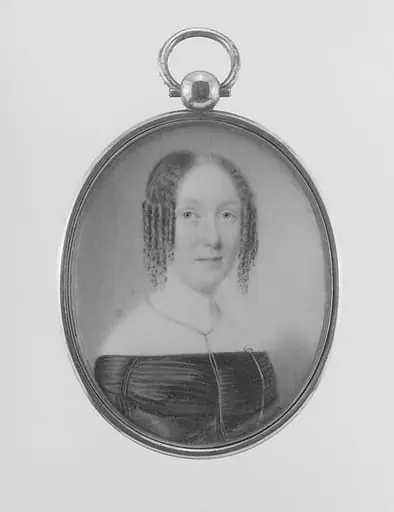
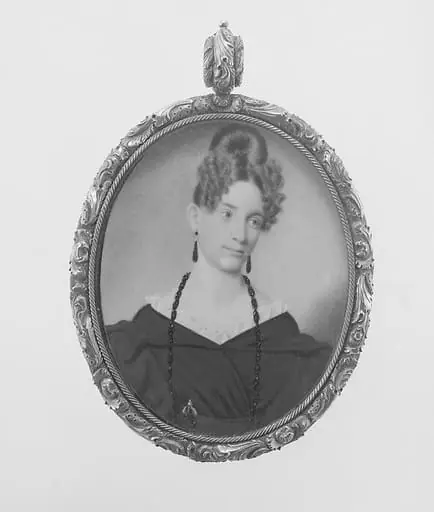
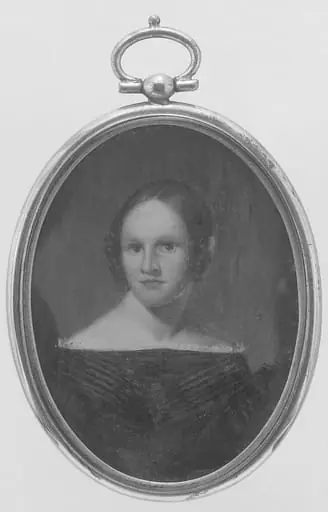
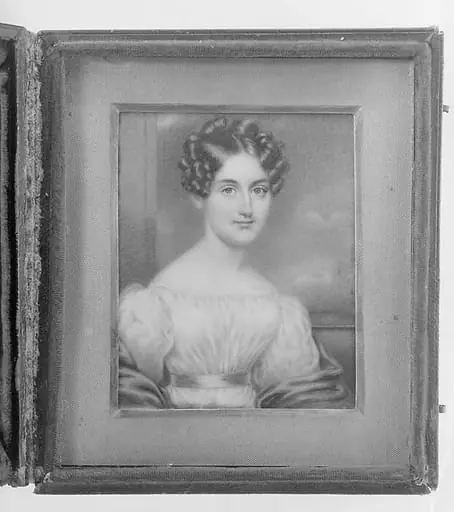
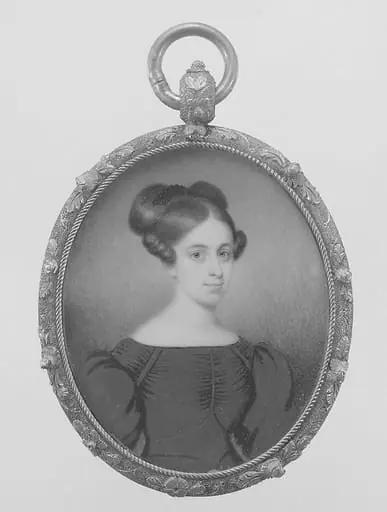
Portrait of a Lady is a watercolor painting. It dates from 1828 and is held in the collection of the Metropolitan Museum of Art.
About this work
Overview
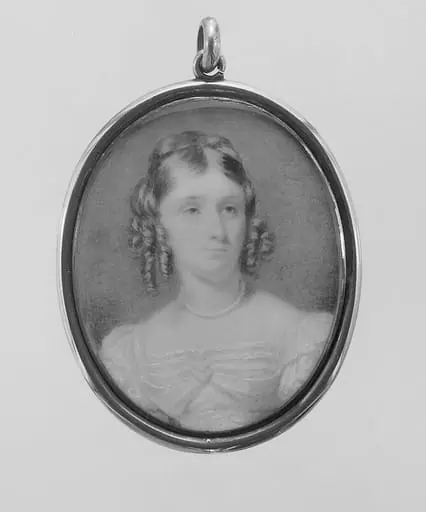
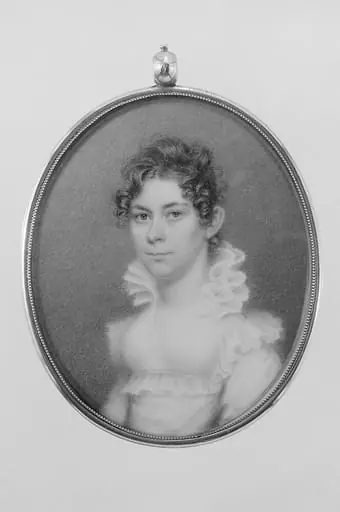
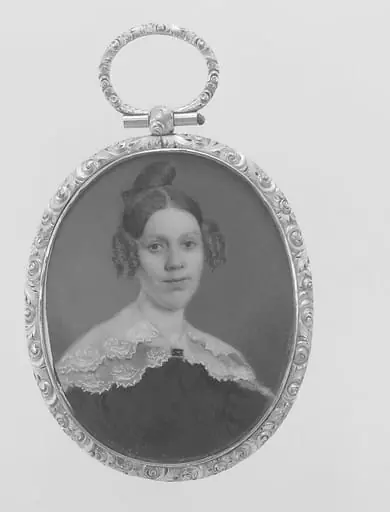
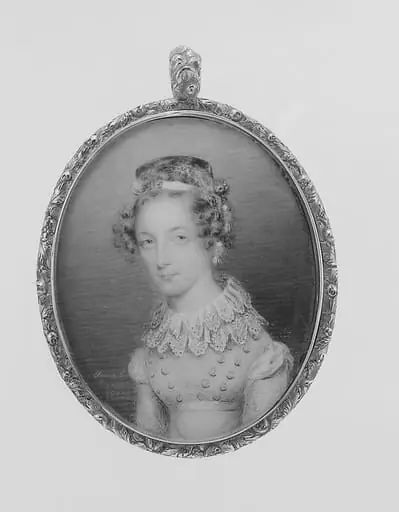
Rendered in watercolor on a thin sheet of ivory, the miniature is housed within a gilded copper case, suggesting it was designed for personal possession.
This small-scale artwork, titled Portrait of a Lady, depicts a woman in a white dress, her gaze directed forward. Rendered in watercolor on a thin sheet of ivory, the miniature is housed within a gilded copper case, suggesting it was designed for personal possession. Its diminutive size, fitting comfortably in the palm, aligns with the common practice of creating portable portraits during its era.
Subject & Meaning
The subject, a woman with dark curls, is presented in a white dress, her expression composed as she meets the viewer's gaze. The intimate scale of the portrait, designed to be held or worn, suggests it served as a personal memento. Such miniatures often commemorated loved ones or significant life events, offering a private connection to the depicted individual.
Technique & Style
Unlike larger oil paintings, this portrait employs watercolor applied to a delicate, translucent ivory support. This choice of medium allows light to pass through the thin material, contributing to the luminous quality of the skin tones. The artist achieved remarkable detail in elements like lace and a single pearl earring, employing nearly invisible brushstrokes to create a lifelike rendering within the miniature format.
Context
During the 19th century, miniature portraits like this one were a popular art form, serving as cherished personal objects. Their small size made them ideal for carrying or wearing, often encased in decorative frames or lockets. These portable artworks allowed individuals to keep images of family members or romantic partners close, predating the widespread availability of photography as a means of personal portraiture.
Artist & collection