Artwork
Portrait of a Lady
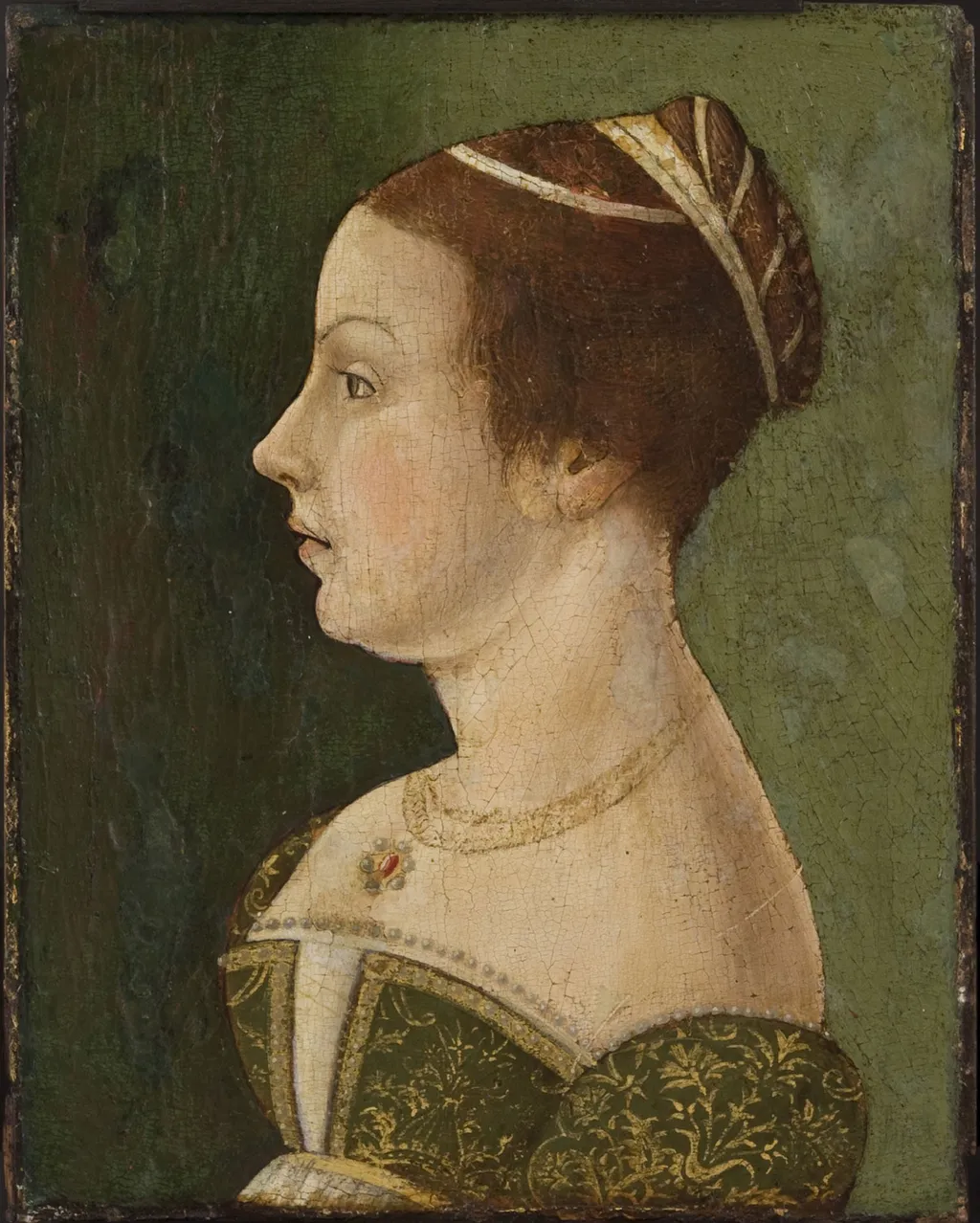
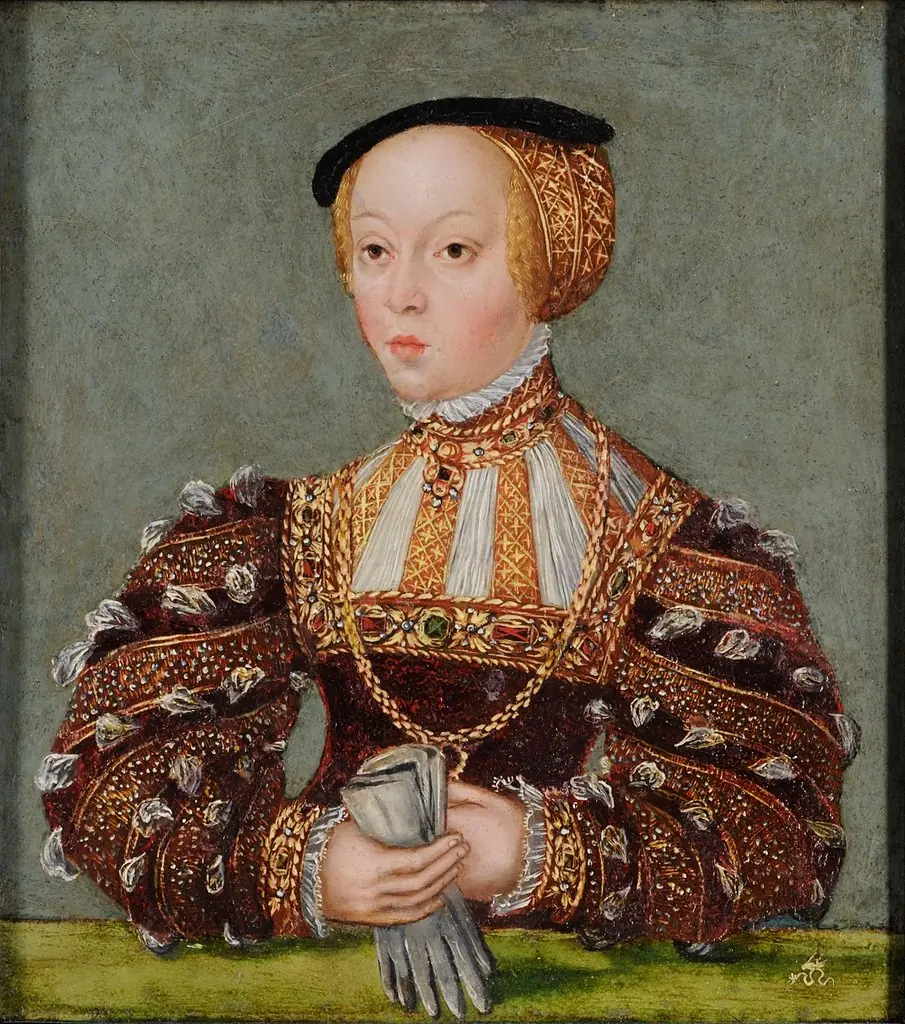
Portrait of a Lady is an oil painting by the Northern Renaissance artist Unknown. It dates from 1489 and is held in the collection of the Philadelphia Museum of Art. This oil painting depicts a woman in profile, turned slightly to the left, rendered with quiet composure.
About this work
Overview
This oil painting depicts a woman in profile, turned slightly to the left, rendered with quiet composure. Dressed in a dark green gown adorned with gold trim and a matching headband, she wears a modest brooch at her chest. Her hair is smoothly drawn back, emphasizing facial structure. The muted green background recedes softly, focusing attention on her poised presence without distraction.
Subject & Meaning
The subject’s restrained expression and formal attire suggest nobility or high social standing, though her identity remains unconfirmed. The absence of overt symbolism or narrative elements points to a focus on personal dignity rather than status display. The portrait conveys refinement through subtlety, inviting contemplation rather than assertion.
Technique & Style
The artist employs smooth, controlled brushwork to define the contours of the face and fabric, with delicate highlights on the gold accents catching the light. The palette is limited yet harmonious, relying on tonal variations in green to create depth. The background is rendered with minimal detail, enhancing the three-dimensionality of the figure through atmospheric contrast.
History & Provenance
The painting resides in the Philadelphia Museum of Art, where it has been part of the collection since at least the early 20th century. Its earlier ownership history is undocumented in public records, and no definitive attribution to a known artist has been established. It is generally dated to the late 15th or early 16th century based on stylistic features.
Context
Created during a period when portraiture in Northern Europe increasingly emphasized individual likeness and quiet elegance, this work reflects the influence of courtly ideals. Similar profiles appear in works from the Burgundian and Flemish regions, where such compositions served to convey status through restraint rather than ornamentation.
Legacy
Though unsigned and unattributed, the portrait endures as an example of early Renaissance portraiture that values subtlety over spectacle. Its preservation in a major museum underscores its role as a representative study of feminine poise in early modern European art, contributing to scholarly understanding of non-royal portraiture.
Artist & collection

 Domestic Scene
 Giacomo and Cardinal Marco, investing Andrea, Abbot of San Zeno, with his Benefice
 The Nymph of Fontainebleau
 Portrait of a Woman
 Madonna and Child with Saints in the Enclosed Garden
 Venus and Minerva
 Family Group of Four on Sofa
 Wall painting from Room H of the Villa of P. Fannius Synistor at Boscoreale
 Portrait of a Lady
 Portrait of a Woman
 Mary of Burgundy
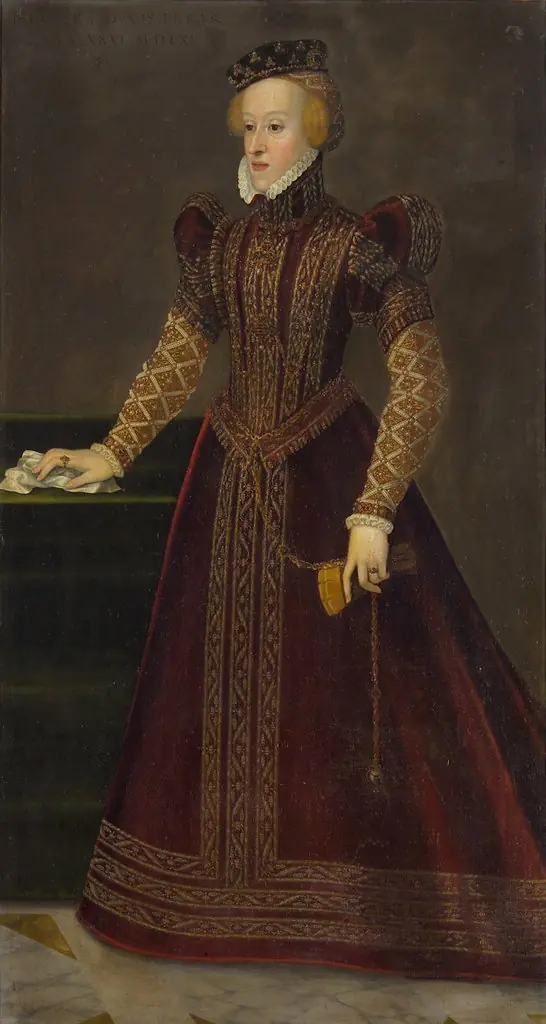 Erzherzogin Barbara (1539-1572), Herzogin von Ferrara in ganzer Figur
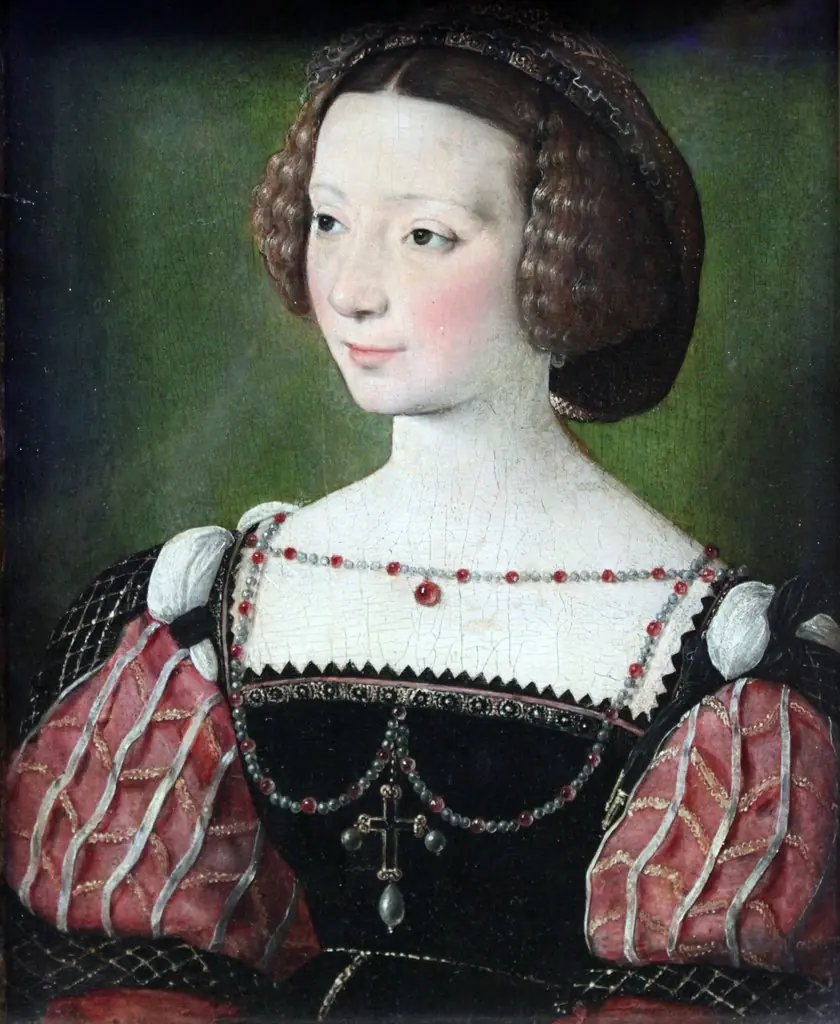 Portrait of Beatrix Pacheco, Countess of Montbel und Entremonts
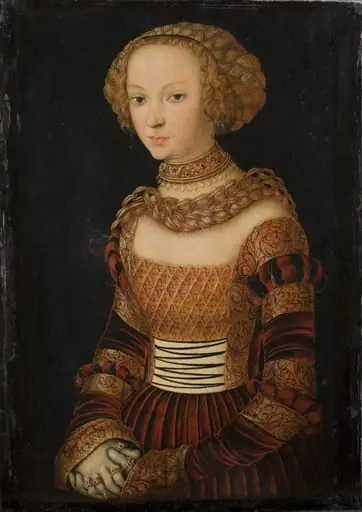 Portrait of a Young Woman. Princess Emily of Saxony?
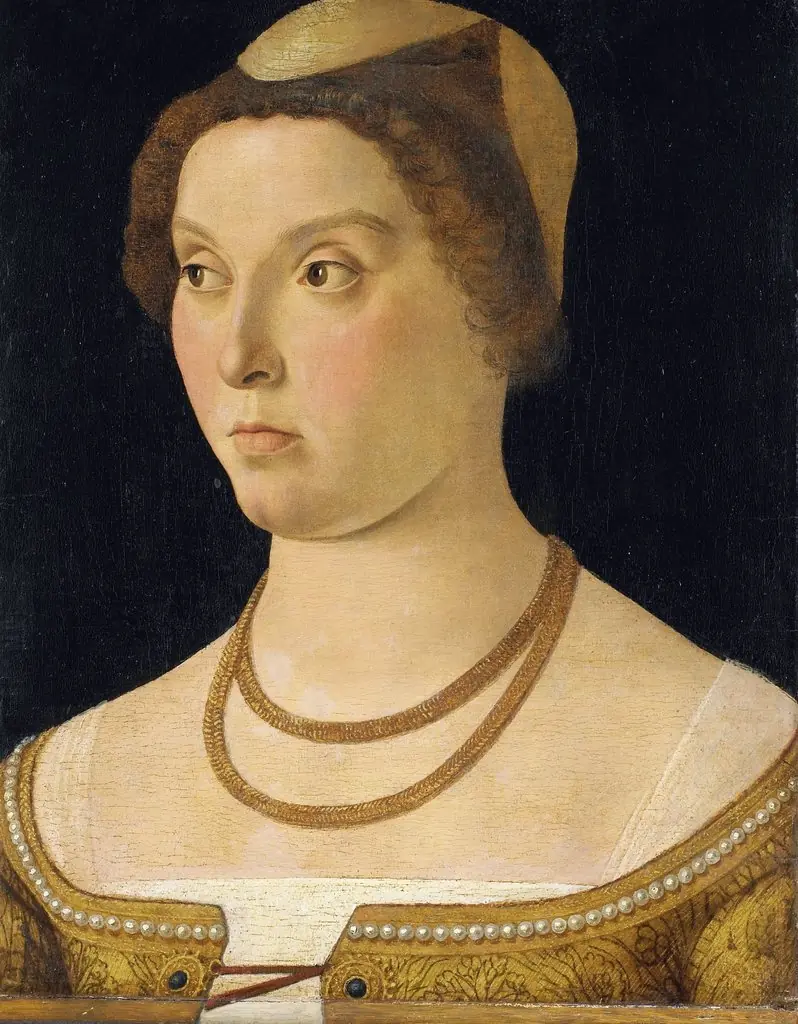 bust of woman
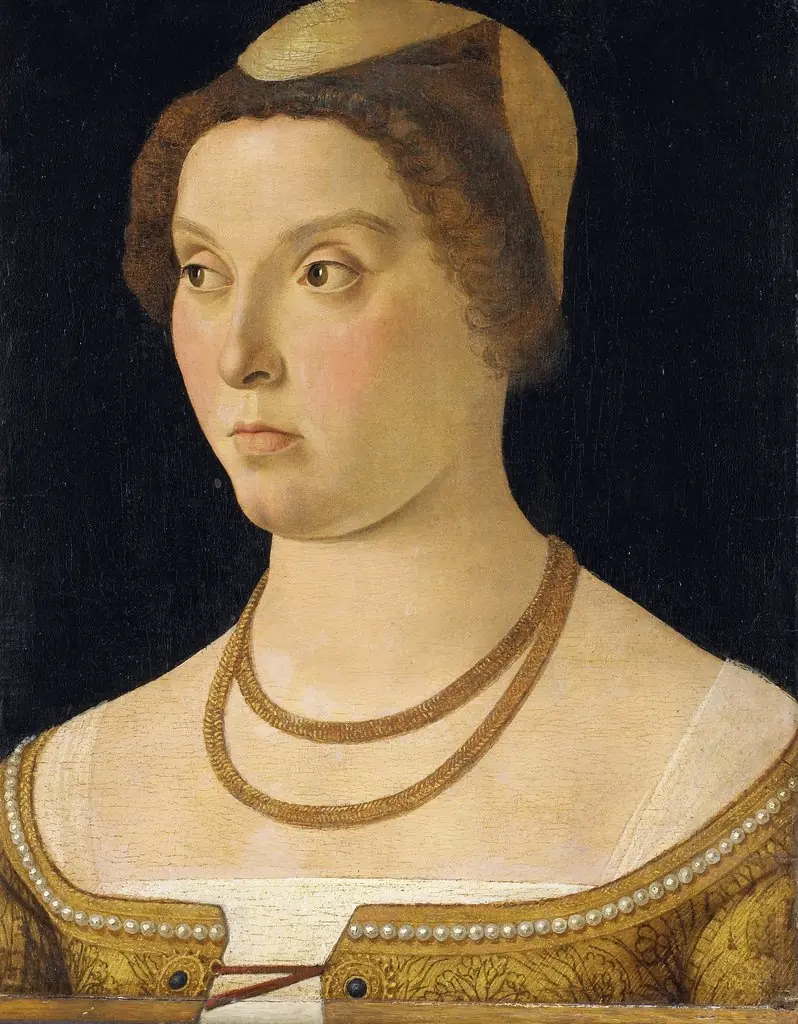 Portrait of a Woman
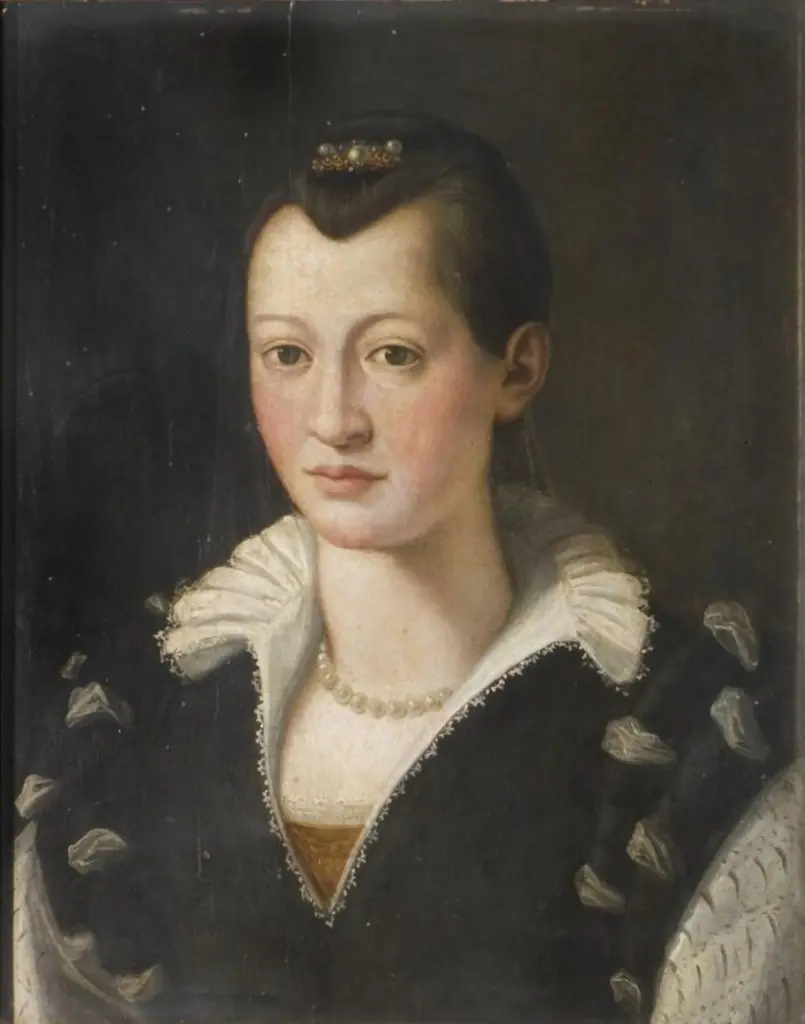 Portrait of a Lady in a Black Dress
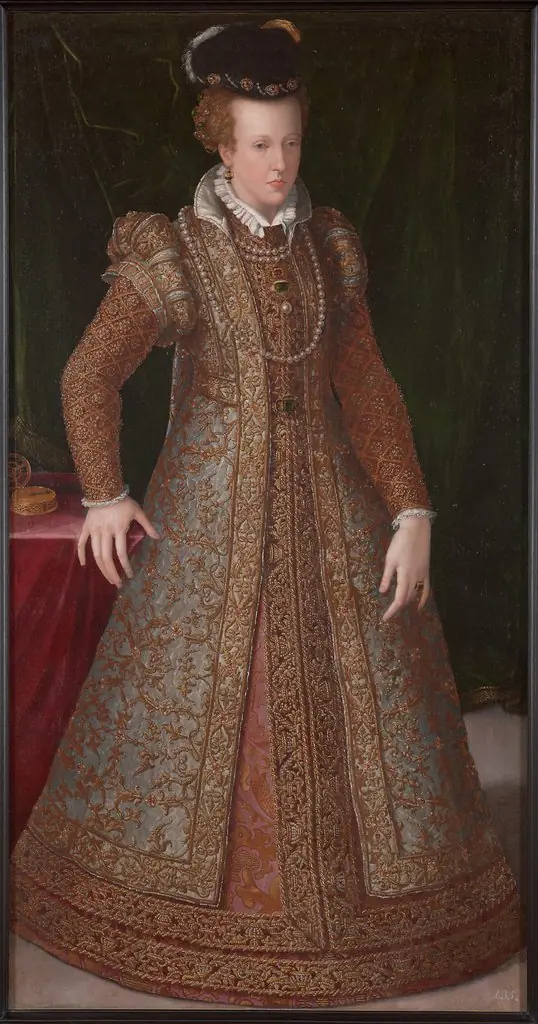 Portrait of Joanna of Austria, Grand Duchess of Tuscany
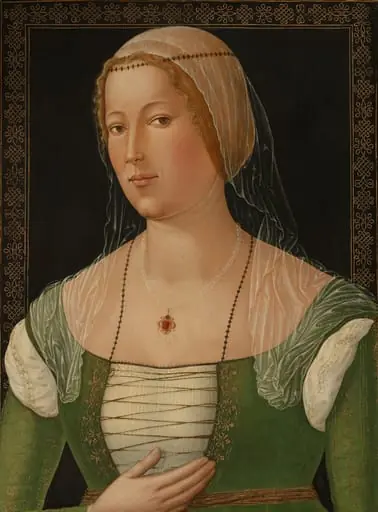 Portrait of a Young Woman
 Elisabeth of Austria