Artwork
Portrait of a Man
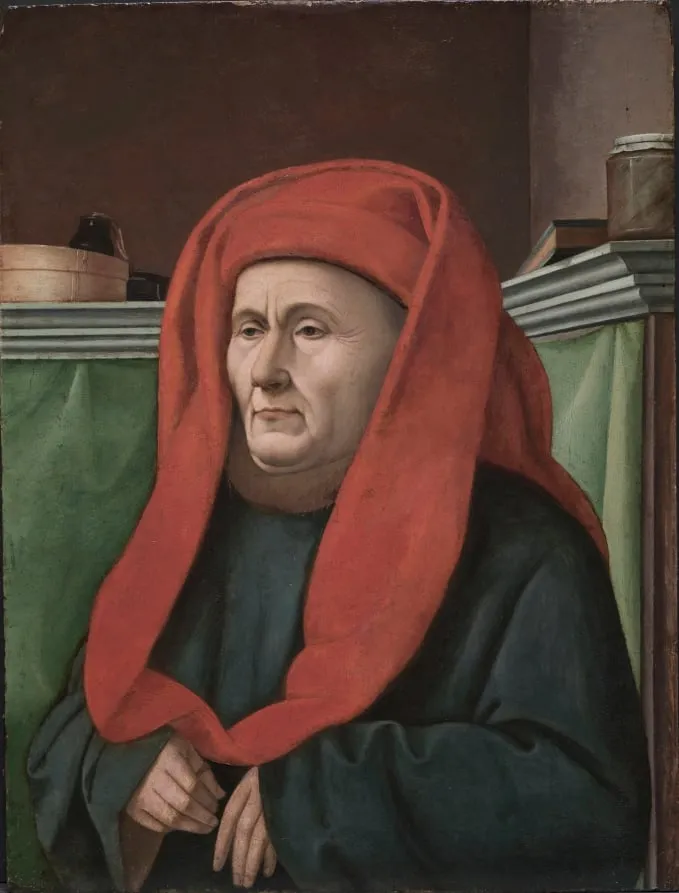
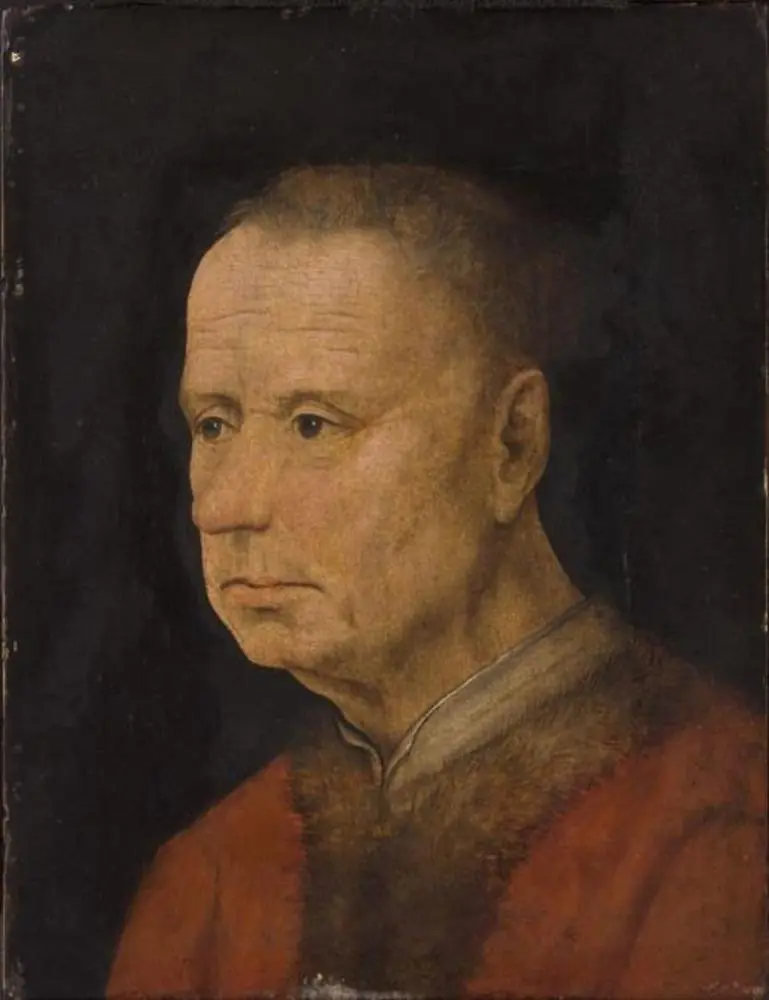
Portrait of a Man is an unspecified painting by the Northern Renaissance artist Unknown. It dates from 1450 and is held in the collection of the Cleveland Museum of Art. This 15th-century portrait depicts a man in a red hat and dark robe, with a pale, contemplative face and sharp facial shadows.
About this work
This portrait was probably made to hang in a church or a wealthy home in southern France.
You see a man in a red hat and dark robe, his hands folded, staring straight at you. His face is pale, almost ghostly, with sharp shadows under his cheekbones.
This portrait was probably made to hang in a church or a wealthy home in southern France. Experts still argue over who painted it—some say a Flemish artist, others an Italian. The mix of styles shows how artists traveled and shared ideas in the 1400s.
Look up *France, Provence, 15th century* to see more paintings from this time and place.
Overview
This 15th-century portrait depicts a man in a red hat and dark robe, with a pale, contemplative face and sharp facial shadows. Its creator and original purpose remain uncertain, with attributions debated among art historians.
Subject & Meaning
The subject's identity is speculative, potentially a physician or an Old Testament prophet, suggesting a possible origin as part of an altarpiece. His attire and demeanor imply a figure of reverence or intellectual pursuits.
Technique & Style
The painting blends stylistic influences from the Netherlands, Provence, and Italy, characteristic of the artistic exchange prevalent in the 1400s. The use of sharp shadows and a direct gaze reflects the fusion of these regional styles.
History & Provenance
Originally attributed to either Colantonio (Neapolitan) or Berthélemy d'Eyck (Flemish), the work is now associated with the Provençal school. Its likely placement in a southern French church or wealthy home underscores its regional context.
Context
Created during a period of significant artistic mobility, the painting exemplifies the cross-cultural exchange of the 15th century, with artists influencing one another across Europe.
Legacy
Despite uncertainties surrounding its authorship, the portrait remains a valuable example of 15th-century artistic syncretism, contributing to the understanding of medieval European art's eclectic development.
Artist & collection

 Domestic Scene
 Giacomo and Cardinal Marco, investing Andrea, Abbot of San Zeno, with his Benefice
 The Nymph of Fontainebleau
 Portrait of a Woman
 Madonna and Child with Saints in the Enclosed Garden
 Venus and Minerva
 Family Group of Four on Sofa
 Wall painting from Room H of the Villa of P. Fannius Synistor at Boscoreale
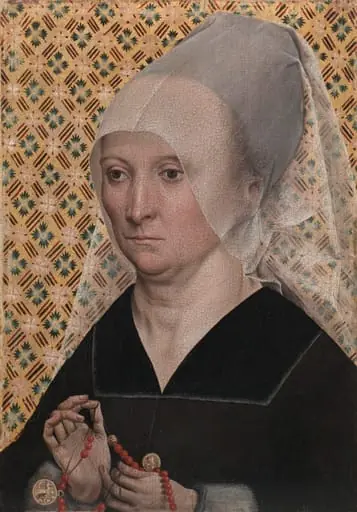 Portrait of a Woman
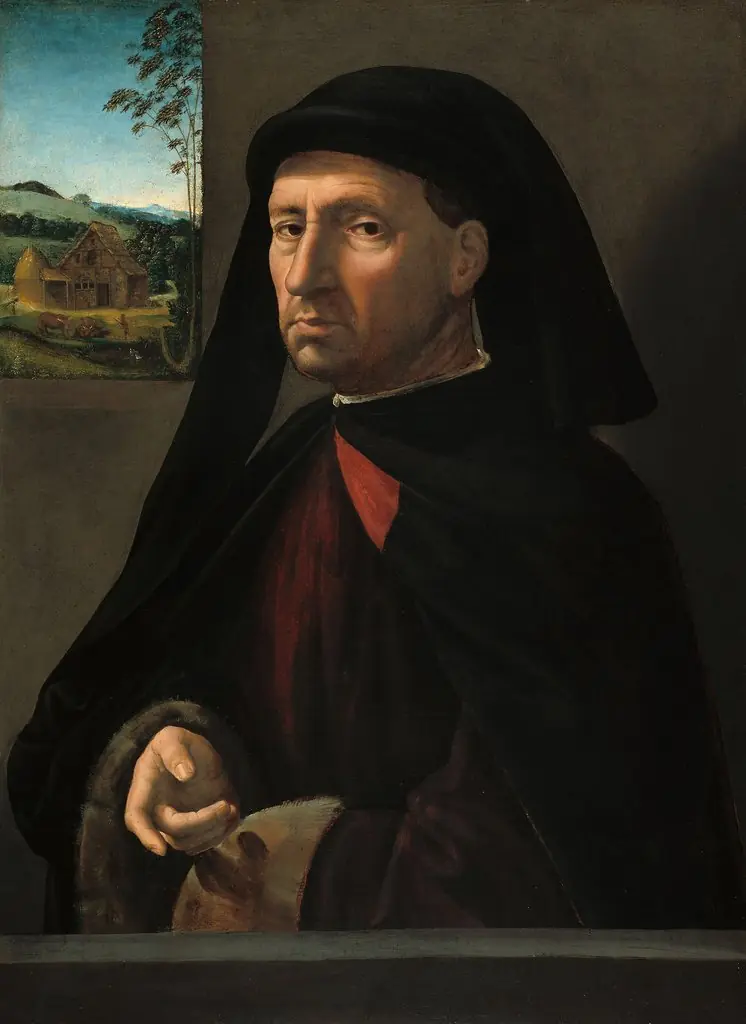 Portrait of a Gentleman
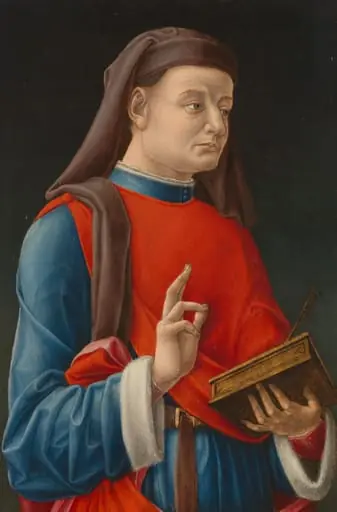 Saint Cosmas (or Damian)
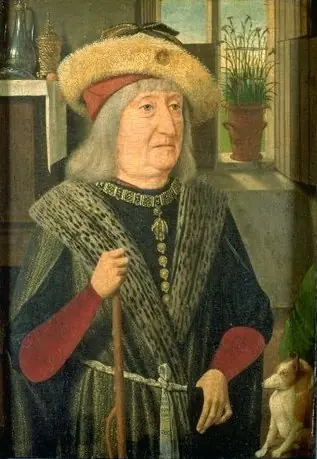 Portrait of hertog Adolf van Kleef (1425-1492)
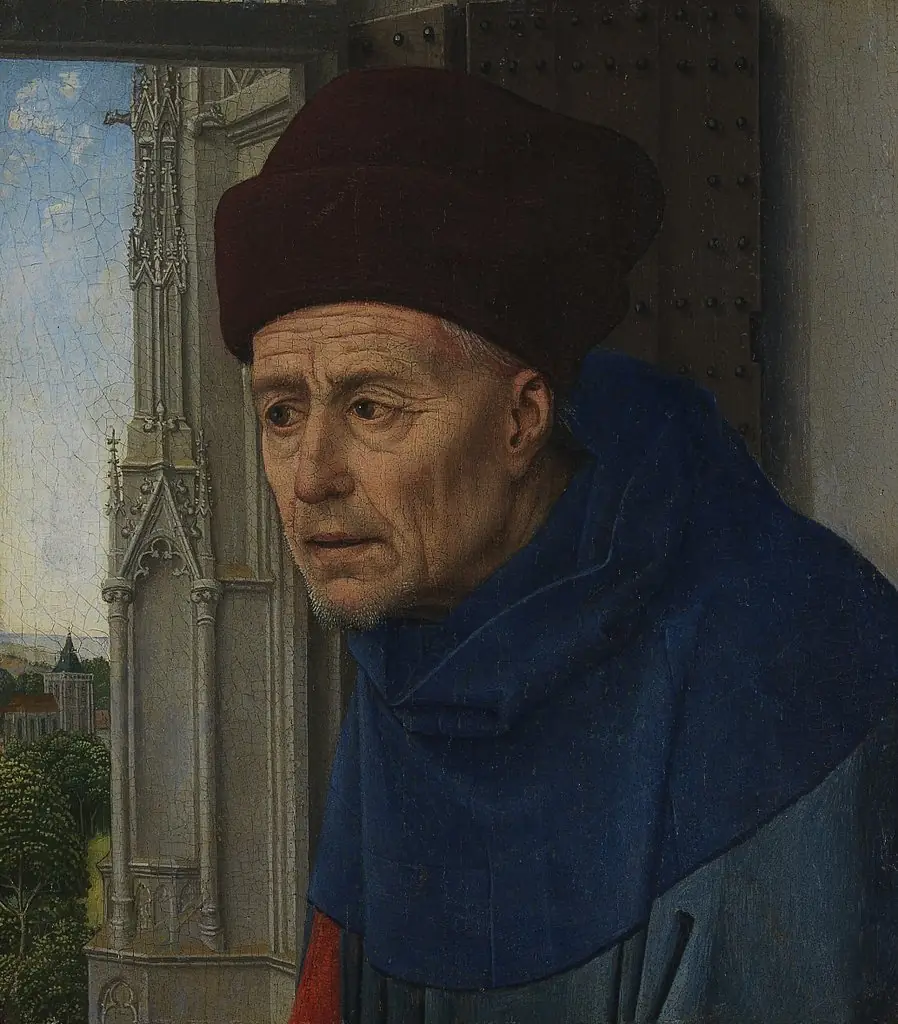 Bust of Saint Joseph
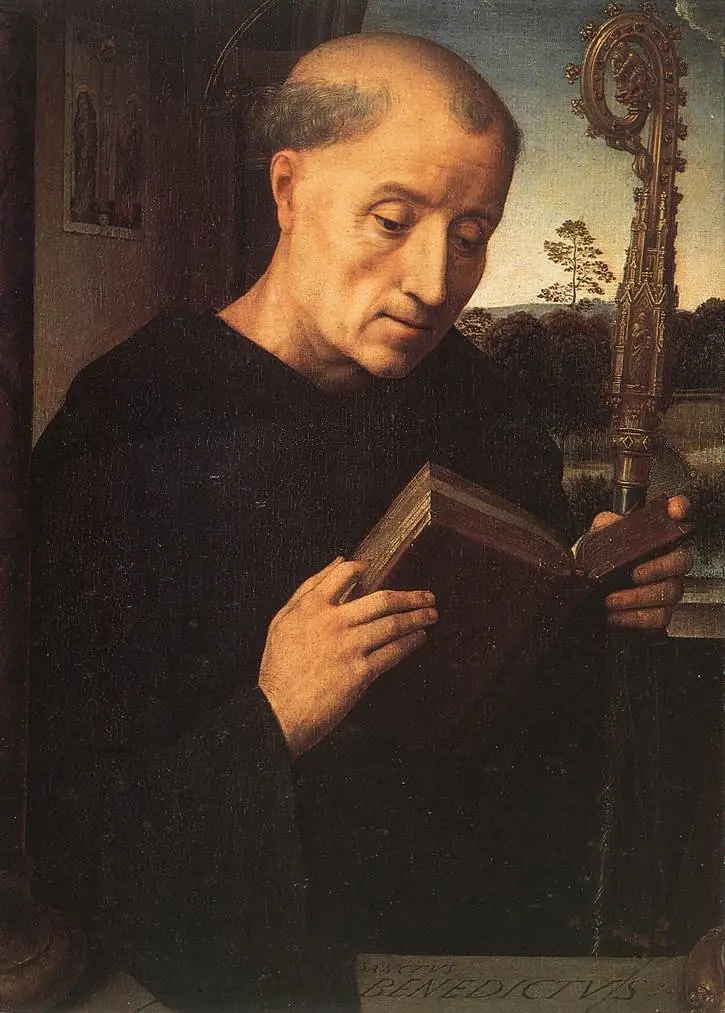 Saint Benedict: Left wing
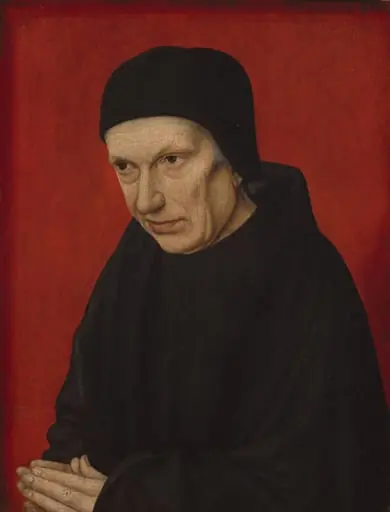 Portrait of an Ecclesiastic
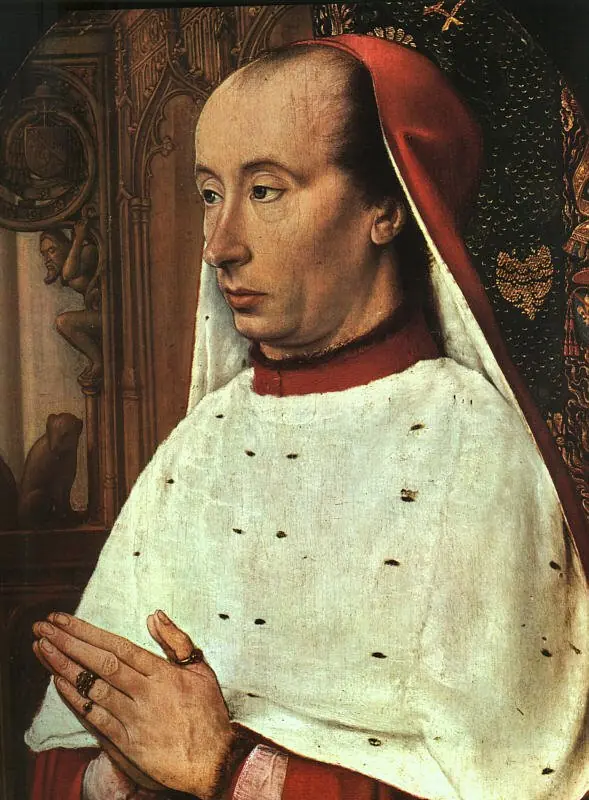 Portrait of Charles II of Bourbon
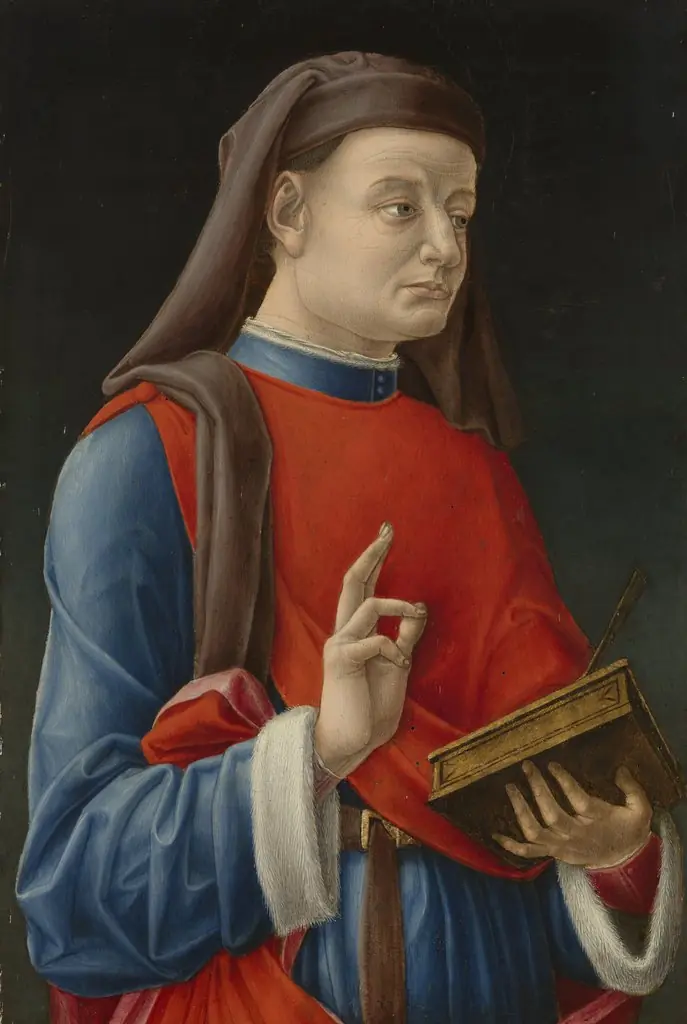 Saint Cosmas (or Damian)
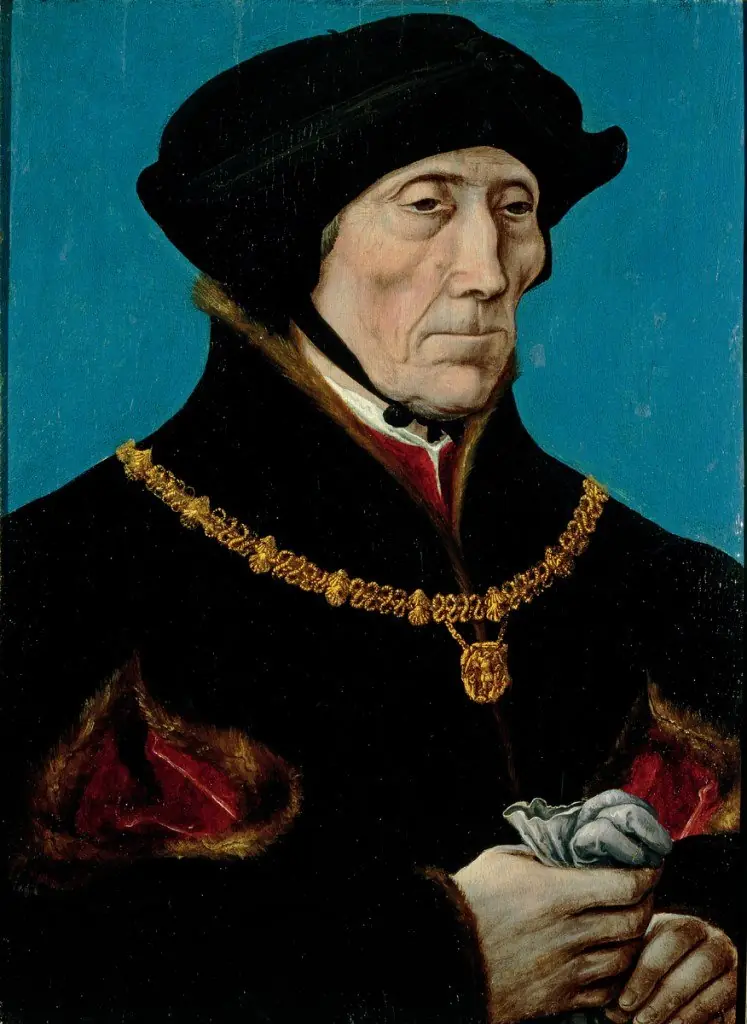 Guillaume de Montmorency
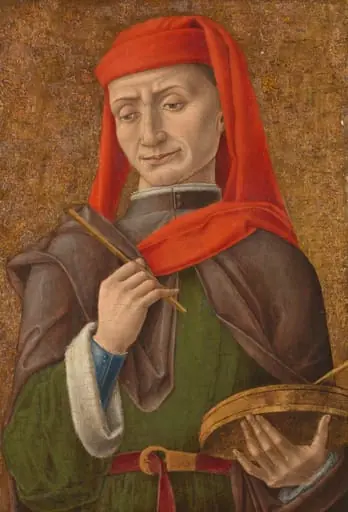 Saint Damian (or Cosmas)
 Portrait of a Man