Artwork
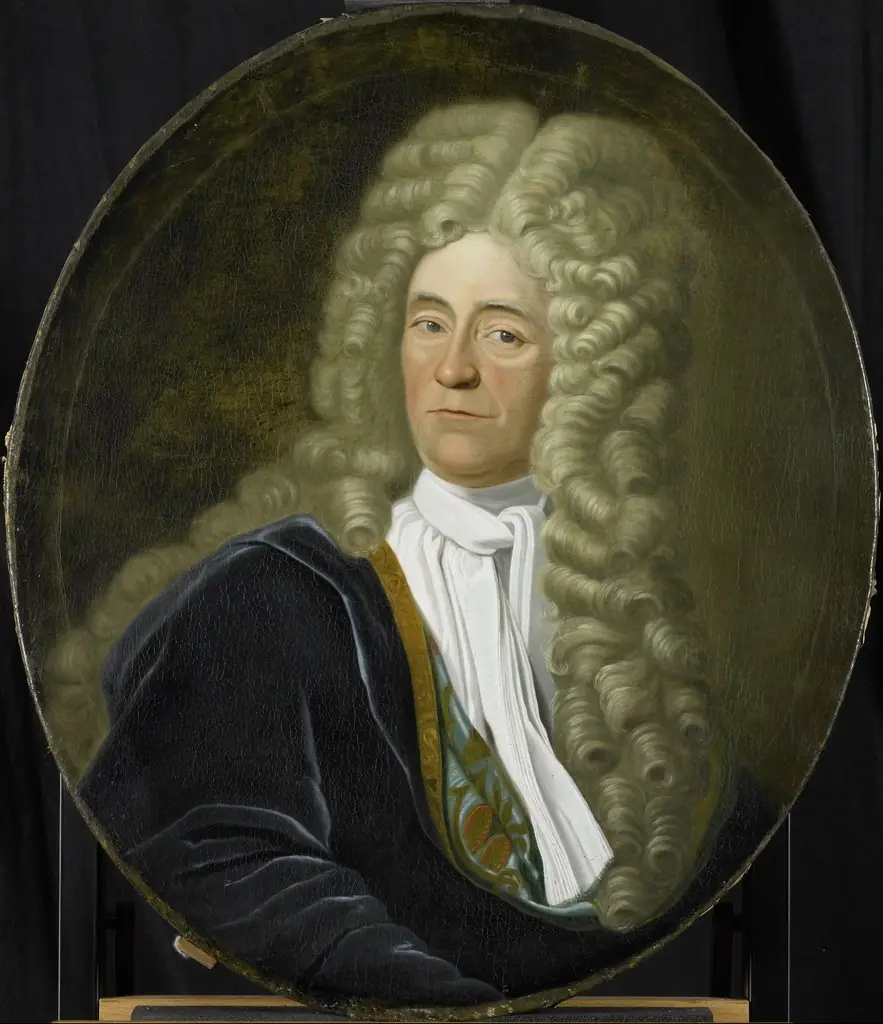
Portrait of Adriaen Paets, Director of the Rotterdam Chamber of the Dutch East India Company, elected 1734
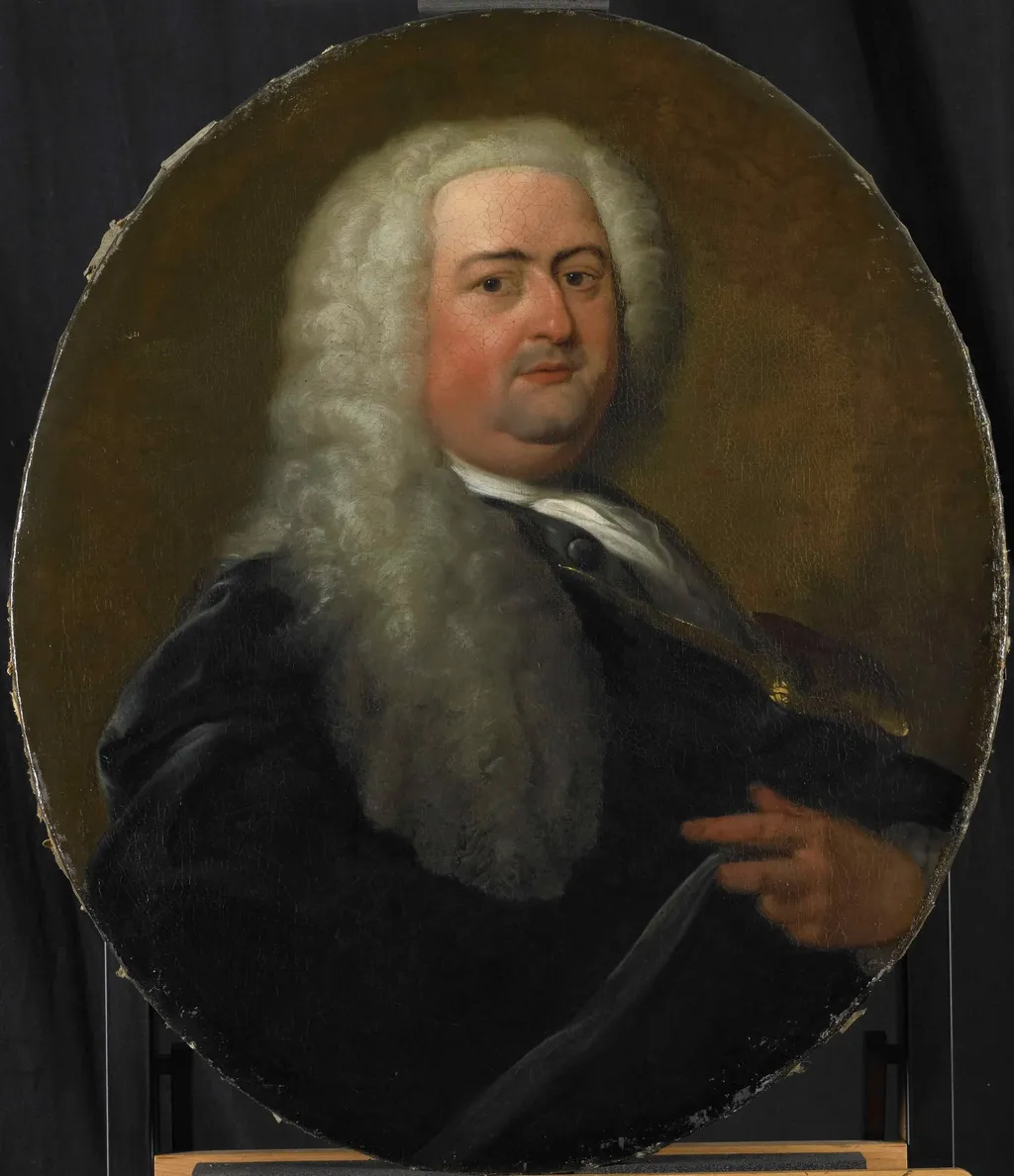
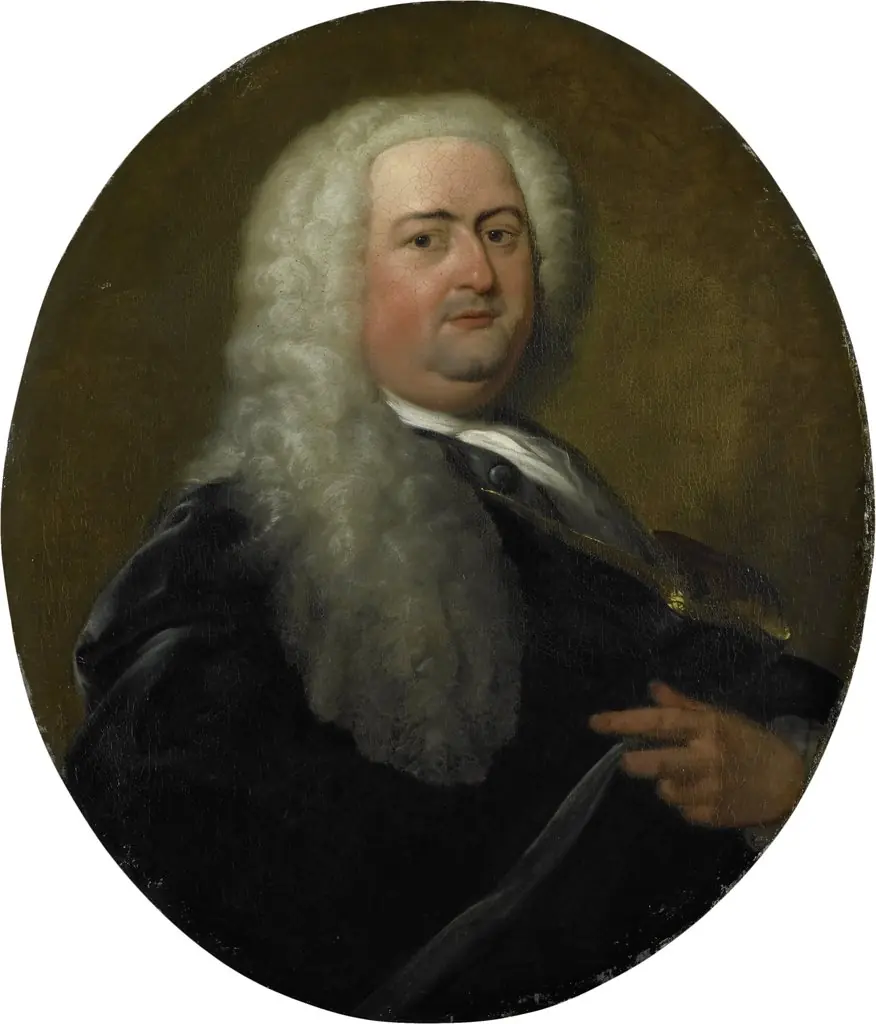
Portrait of Adriaen Paets, Director of the Rotterdam Chamber of the Dutch East India Company, elected 1734 is an unspecified painting by the Rococo painting artist Unknown. It dates from 1749 and is held in the collection of the Rijksmuseum. This portrait depicts Adriaen Paets, who became director of the Rotterdam chamber of the Dutch East India Company in 1734.
About this work
Overview
This portrait depicts Adriaen Paets, who became director of the Rotterdam chamber of the Dutch East India Company in 1734.
This portrait depicts Adriaen Paets, who became director of the Rotterdam chamber of the Dutch East India Company in 1734. Painted in the early 18th century, it presents him in formal attire against a neutral brown background. The artist remains unidentified, though the composition reflects conventions of Dutch civic portraiture of the period, emphasizing dignity and social standing through restrained detail and composed posture.
Subject & Meaning
Paets is portrayed with a solemn demeanor, his gaze steady and hands clasped over his chest—an gesture suggesting authority and introspection. His white hair and elaborate collar signal age and status, while the black coat conveys the seriousness of his role in a powerful commercial institution. The portrait functions less as personal expression and more as a visual affirmation of his position within the VOC’s administrative hierarchy.
Technique & Style
The painting employs a muted palette dominated by dark tones, with subtle variations in the fabric of his coat and the sheen of his shirt to suggest texture. Brushwork is precise but unobtrusive, avoiding dramatic lighting or ornate detail. The background is deliberately plain, focusing attention on the figure’s posture and facial expression, consistent with the sober aesthetic of Dutch civic portraiture in the early 1700s.
History & Provenance
The portrait was likely commissioned to commemorate Paets’s election as director in 1734, a common practice among VOC officials. Its early history is undocumented, but it likely remained in Rotterdam’s civic or corporate collections. No records of ownership changes or exhibitions are known, and the work has not been attributed to any identified artist of the period.
Context
During the 1730s, the Dutch East India Company remained a dominant force in global trade, and its directors held considerable influence. Portraits of such figures were not merely personal memorials but institutional statements, reinforcing the connection between individual leadership and corporate power. This work aligns with a broader tradition of Dutch civic portraiture that valued restraint, clarity, and moral gravitas.
Legacy
As an unsigned work by an unknown hand, the portrait survives as a quiet testament to the administrative culture of the VOC. It contributes to the visual record of Dutch mercantile leadership without the fame of more celebrated artists. Its significance lies in its embodiment of institutional identity rather than artistic innovation, preserving the image of a man who helped manage one of the world’s first multinational corporations.
Artist & collection

 Domestic Scene
 Giacomo and Cardinal Marco, investing Andrea, Abbot of San Zeno, with his Benefice
 The Nymph of Fontainebleau
 Portrait of a Woman
 Madonna and Child with Saints in the Enclosed Garden
 Venus and Minerva
 Family Group of Four on Sofa
 Wall painting from Room H of the Villa of P. Fannius Synistor at Boscoreale
 Portrait of Adriaen Paets, Director of the Rotterdam Chamber of the Dutch East India Company, elected 1734
 Portrait of Hugo du Bois, Director of the Rotterdam Chamber of the Dutch East India Company, elected 1734
 Portrait of Adriaen Paets, Director of the Rotterdam Chamber of the Dutch East India Company, elected 1668
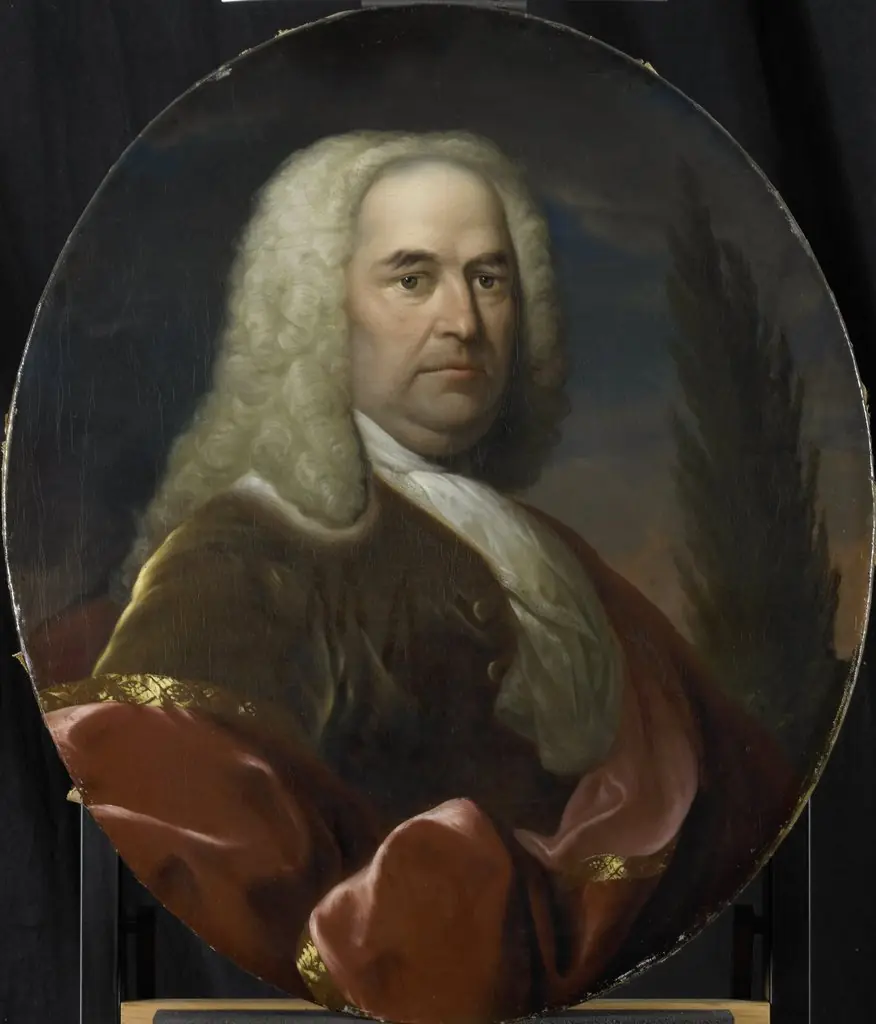 Portrait of Hugo du Bois, Director of the Rotterdam Chamber of the Dutch East India Company, elected 1734
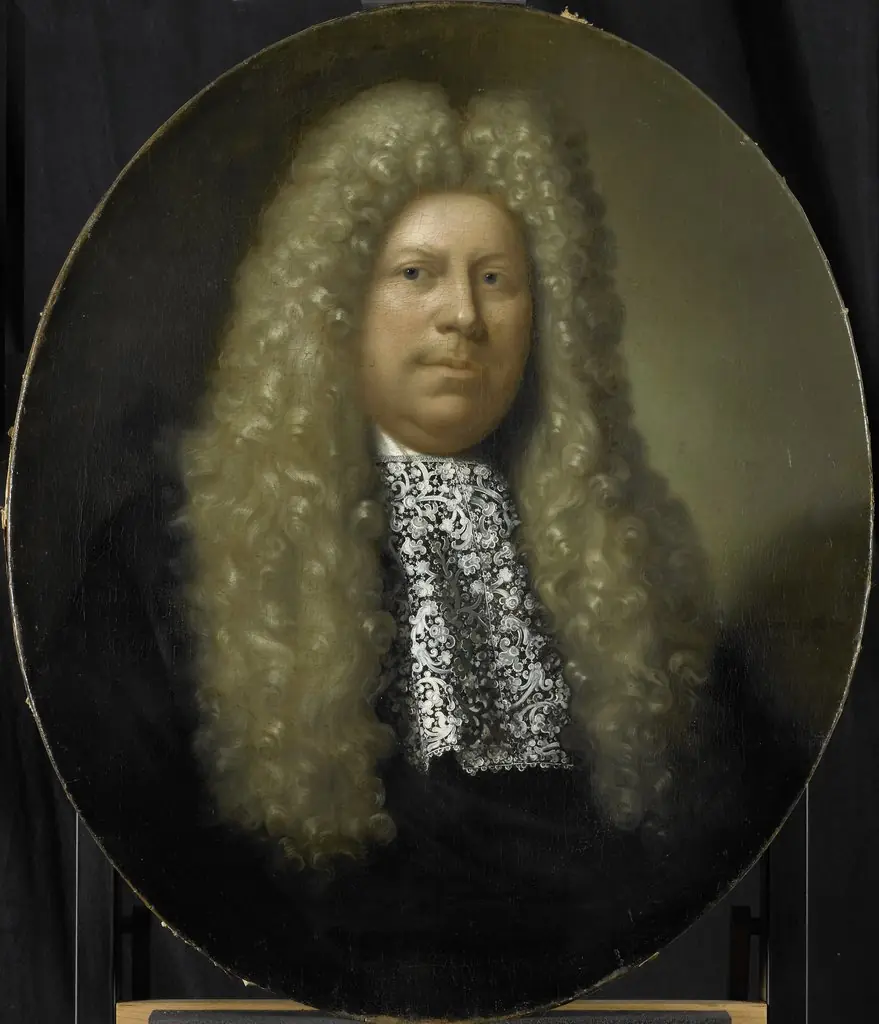 Portrait of Jacob Dane, Director of the Rotterdam Chamber of the Dutch East India Company, elected 1689
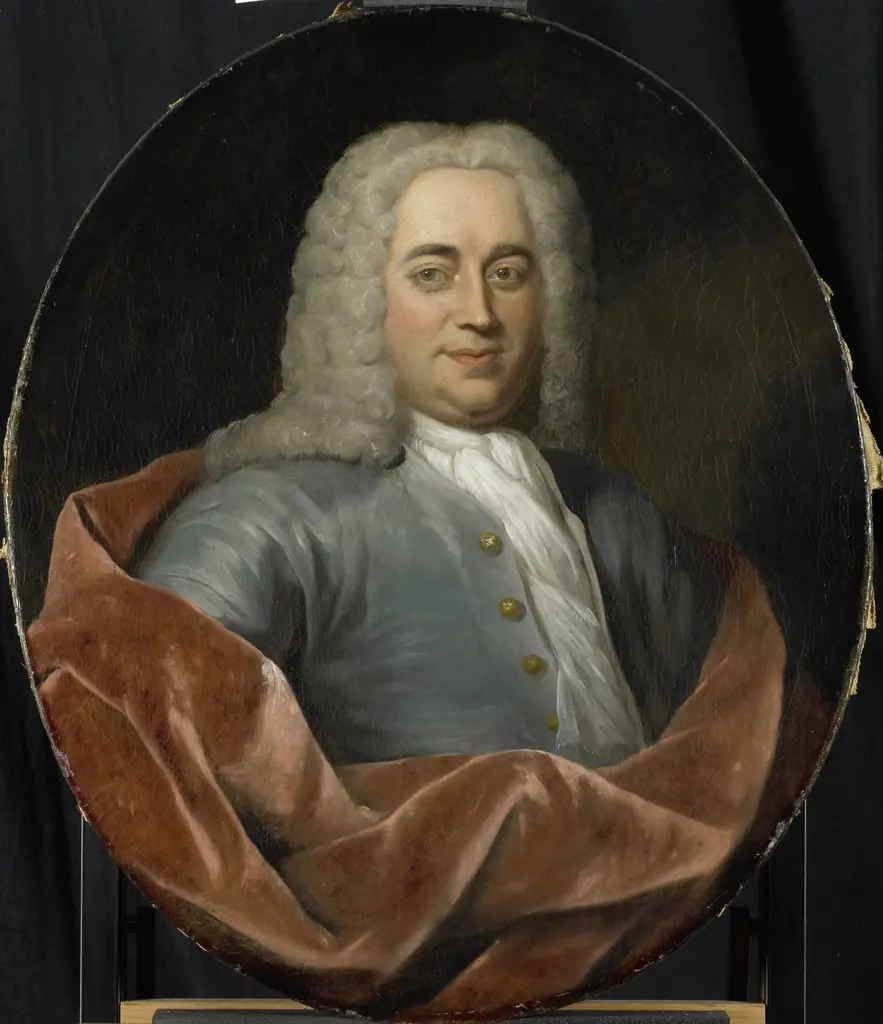 Portrait of Walter Senserff, Director of the Rotterdam Chamber of the Dutch East India Company, elected 1731
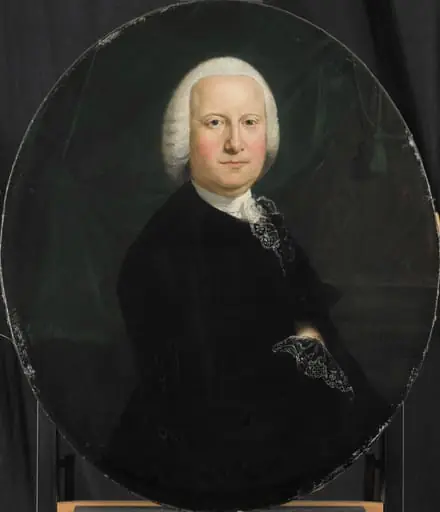 Portrait of Adriaan du Bois, Director of the Rotterdam Chamber of the Dutch East India Company, elected 1742
 Portrait of Willem van Hogendorp, Director of the Rotterdam Chamber of the Dutch East India Company, elected 1692