Artwork
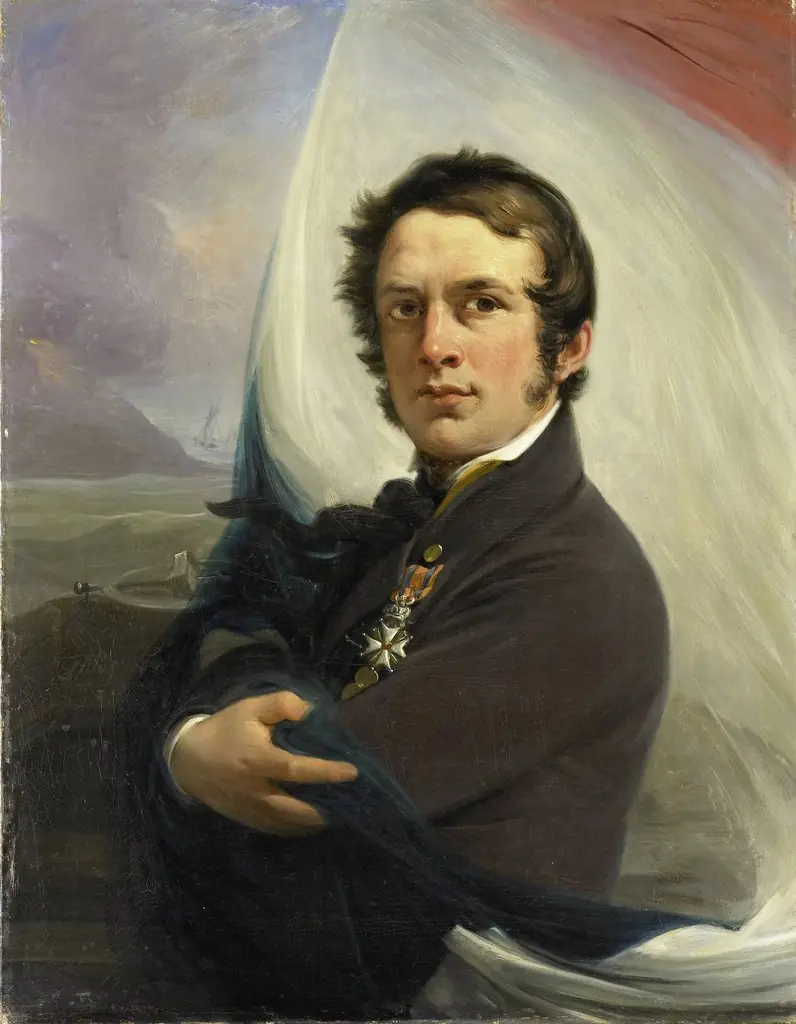
Portrait of Jacob Hobein, Rescued the Dutch Flag under Enemy Fire, 18 March 1831
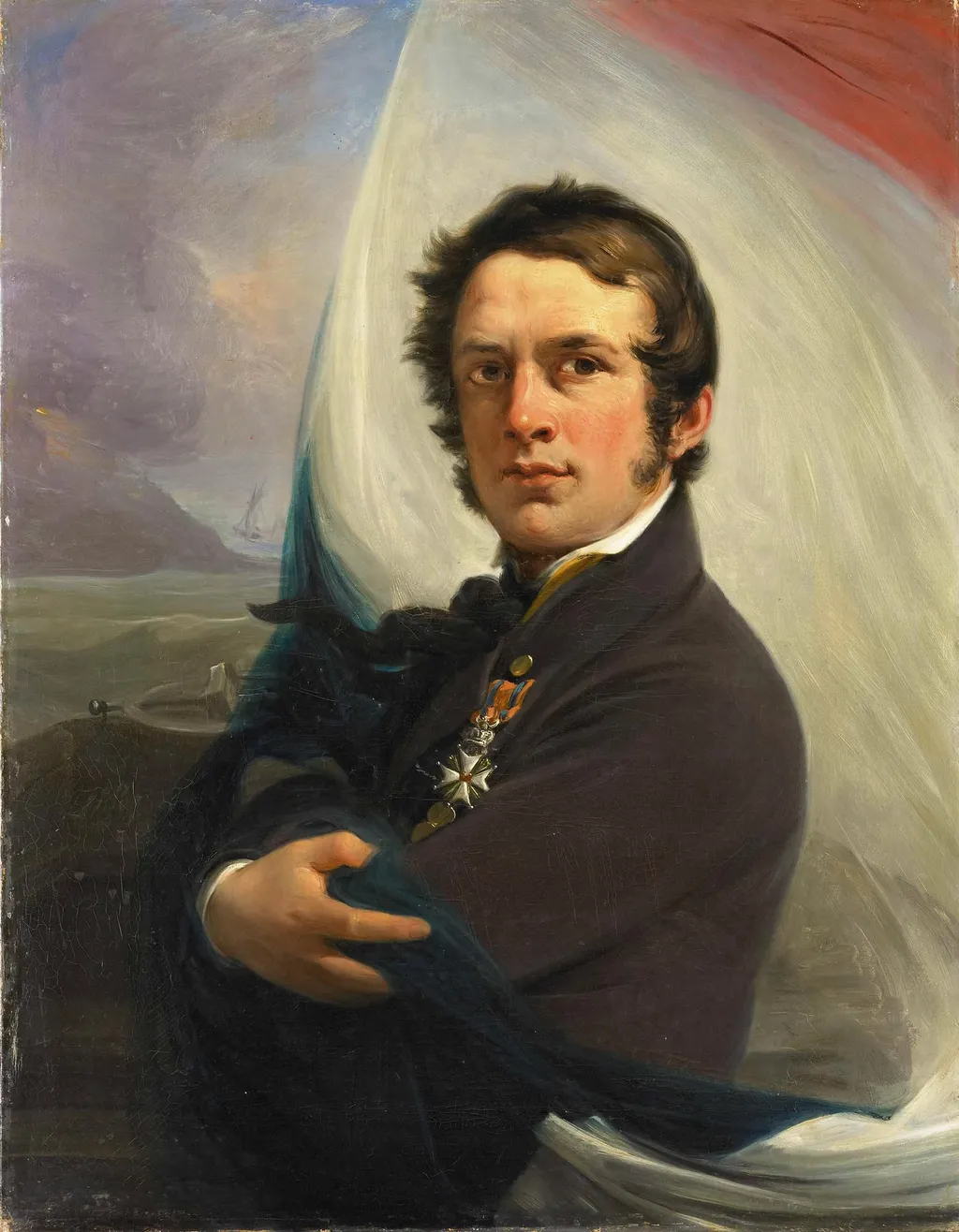
Portrait of Jacob Hobein, Rescued the Dutch Flag under Enemy Fire, 18 March 1831 is an unspecified painting by the Biedermeier artist Unknown. It dates from 1832 and is held in the collection of the Rijksmuseum.
About this work
Overview
This portrait depicts Jacob Hobein, a Dutch naval officer honored for retrieving a national flag under enemy fire during the Belgian Revolution.
This portrait depicts Jacob Hobein, a Dutch naval officer honored for retrieving a national flag under enemy fire during the Belgian Revolution. Painted on 18 March 1831, the work captures him in civilian attire, emphasizing his personal courage rather than military uniform. The composition balances intimate portraiture with a distant, atmospheric seascape, suggesting the event’s significance beyond the individual.
Subject & Meaning
Jacob Hobein is shown wearing a medal awarded for bravery during the retrieval of the Dutch flag under fire. The act symbolized loyalty and resilience amid political upheaval. His calm demeanor and direct gaze convey quiet dignity, while the medal anchors his identity as a hero of a contested moment in Dutch history. The scene invites reflection on personal sacrifice within national conflict.
Technique & Style
The artist employs loose, expressive brushwork and strong contrasts of light and shadow to evoke emotional intensity. The background dissolves into a hazy maritime horizon, drawing focus to the figure’s face and medal. This approach aligns with Romantic tendencies, prioritizing mood and narrative over precise detail. The texture of fabric and the softness of the sky enhance the sense of immediacy and personal drama.
History & Provenance
Commissioned shortly after the event of 18 March 1831, the portrait commemorates Hobein’s actions during the Dutch attempt to retain control over the southern provinces. It likely originated in the Netherlands, possibly within military or civic circles. Its survival suggests enduring local recognition of his deed, though its full provenance remains undocumented beyond its early 19th-century origins.
Context
Painted during the Belgian Revolution, the portrait reflects tensions between the Netherlands and its southern provinces seeking independence. Hobein’s act was one of many symbolic gestures in a conflict where flags and symbols carried heavy political weight. Art of the period increasingly served to memorialize civic heroism, blending personal narrative with national identity amid shifting borders.
Legacy
The portrait stands as a modest but enduring record of individual valor during a turbulent era. While not widely exhibited today, it contributes to the visual documentation of Dutch military culture in the early 1800s. Its emphasis on quiet heroism, rather than grandeur, reflects a shift in how bravery was represented—grounded in personal resolve rather than ceremonial display.
Artist & collection

 Domestic Scene
 Giacomo and Cardinal Marco, investing Andrea, Abbot of San Zeno, with his Benefice
 The Nymph of Fontainebleau
 Portrait of a Woman
 Madonna and Child with Saints in the Enclosed Garden
 Venus and Minerva
 Family Group of Four on Sofa
 Wall painting from Room H of the Villa of P. Fannius Synistor at Boscoreale
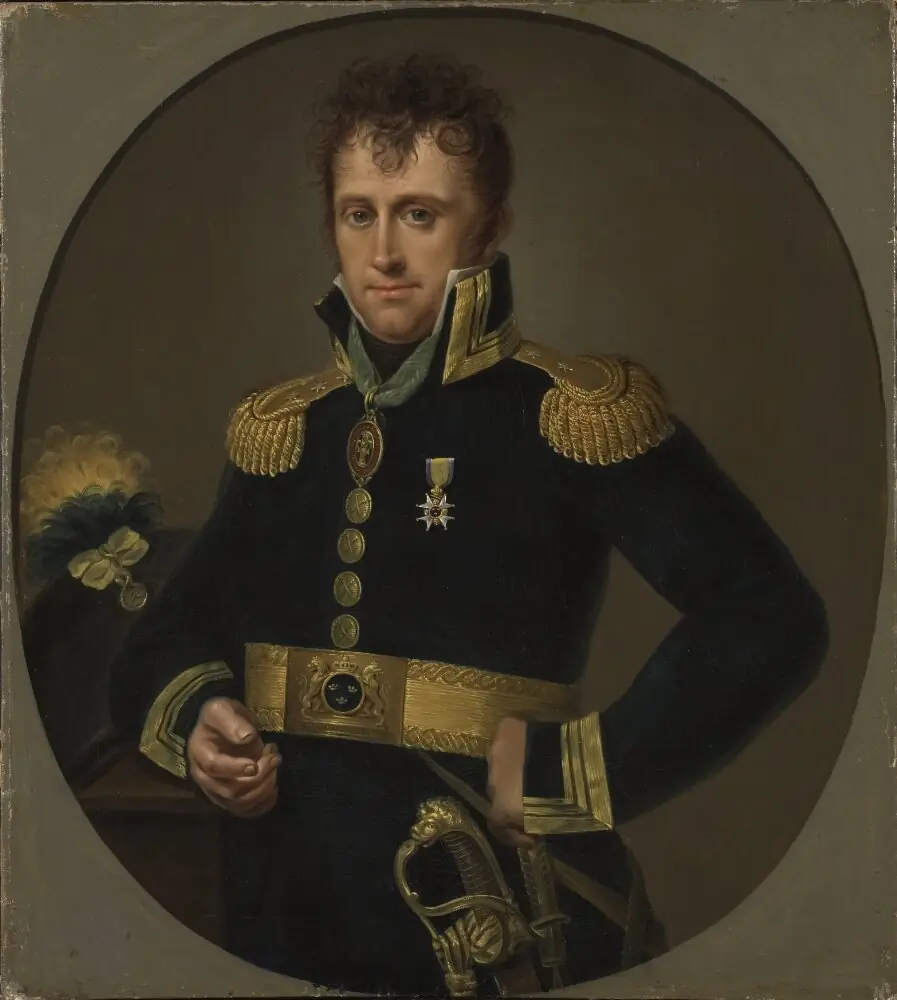 Carl von Dannfelt (1773-1841), officer, överadjutant
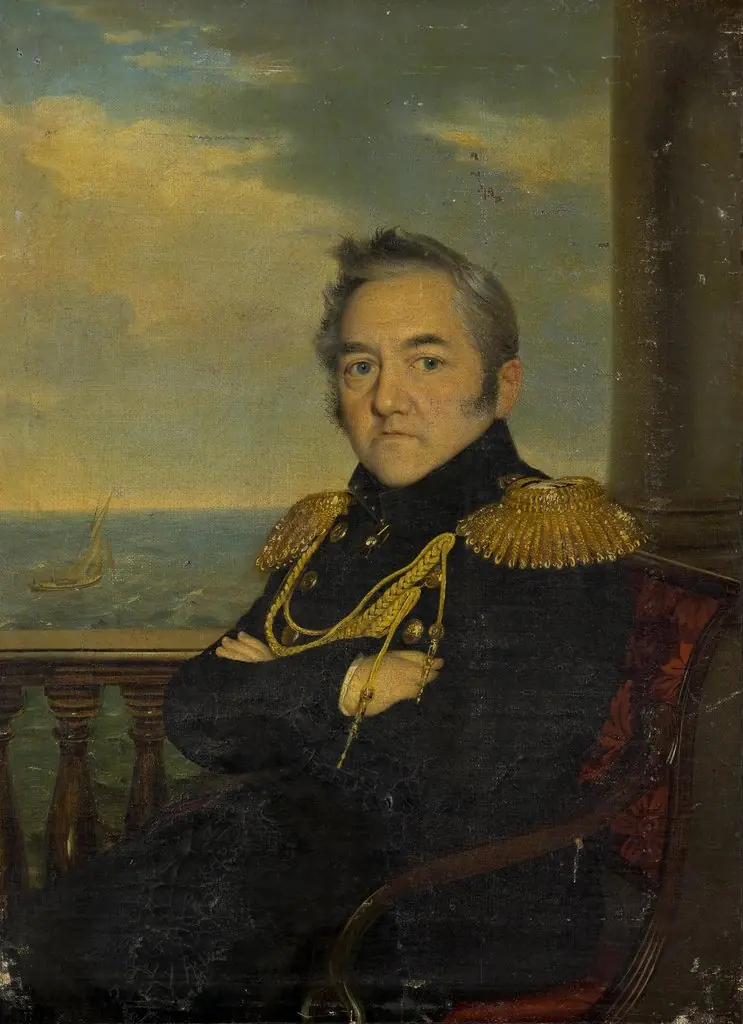 Portrait of Admiral Mikhail Lazarev
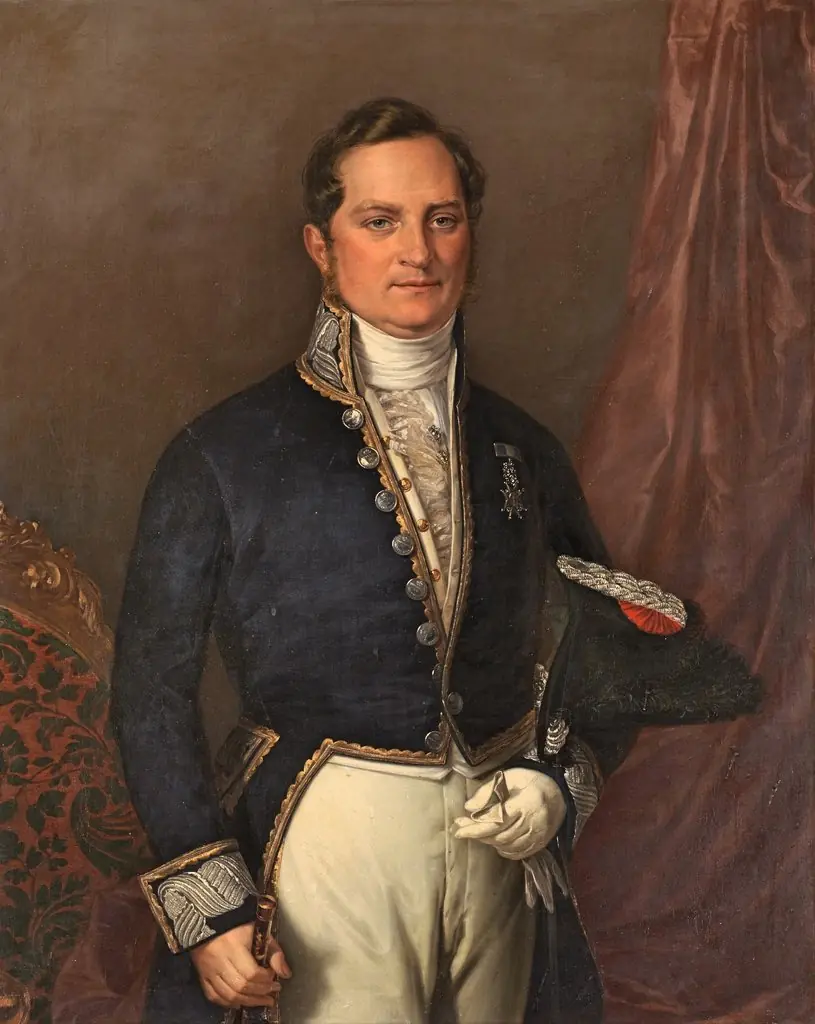 Retrato de caballero
 Lt. Edward Owen Johnes (Taffy)
 Portrait of a Man
 Portrait of Fyodor V. Driesen (1781-1851)
 Portrait of a Man
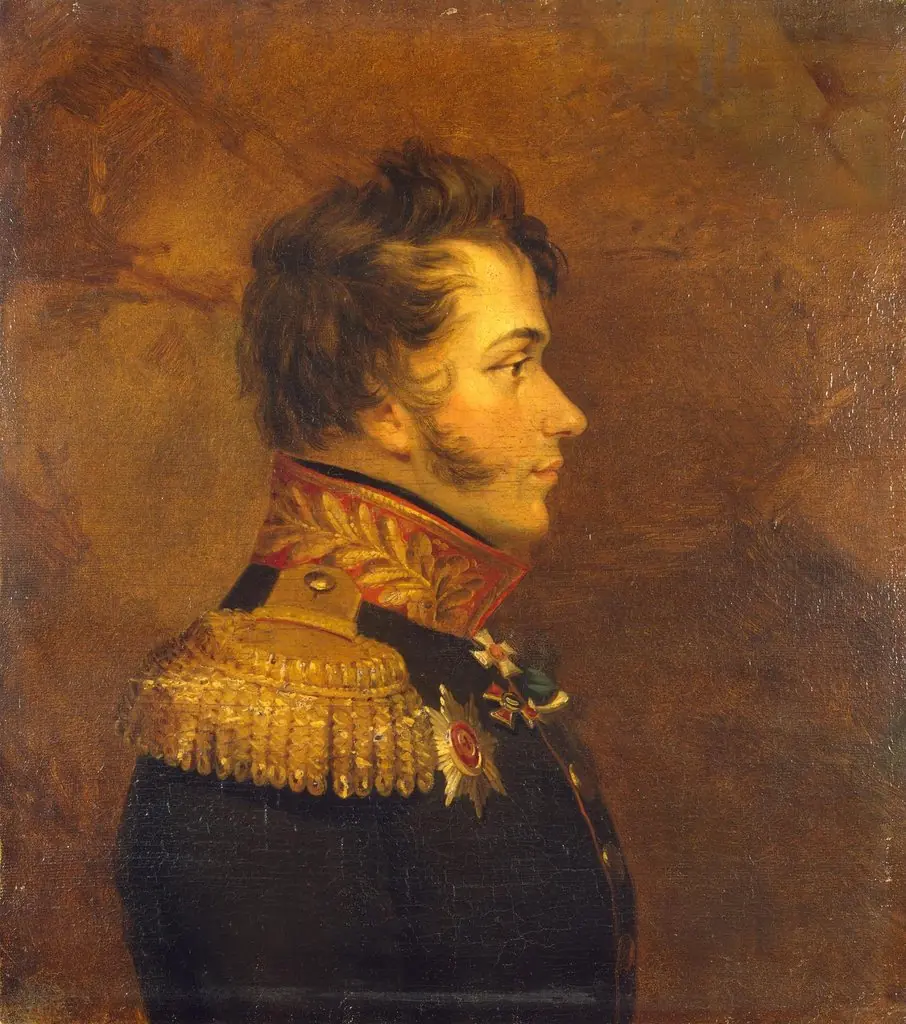 Portrait of Nikolai D. Kudashev (1784-1813)
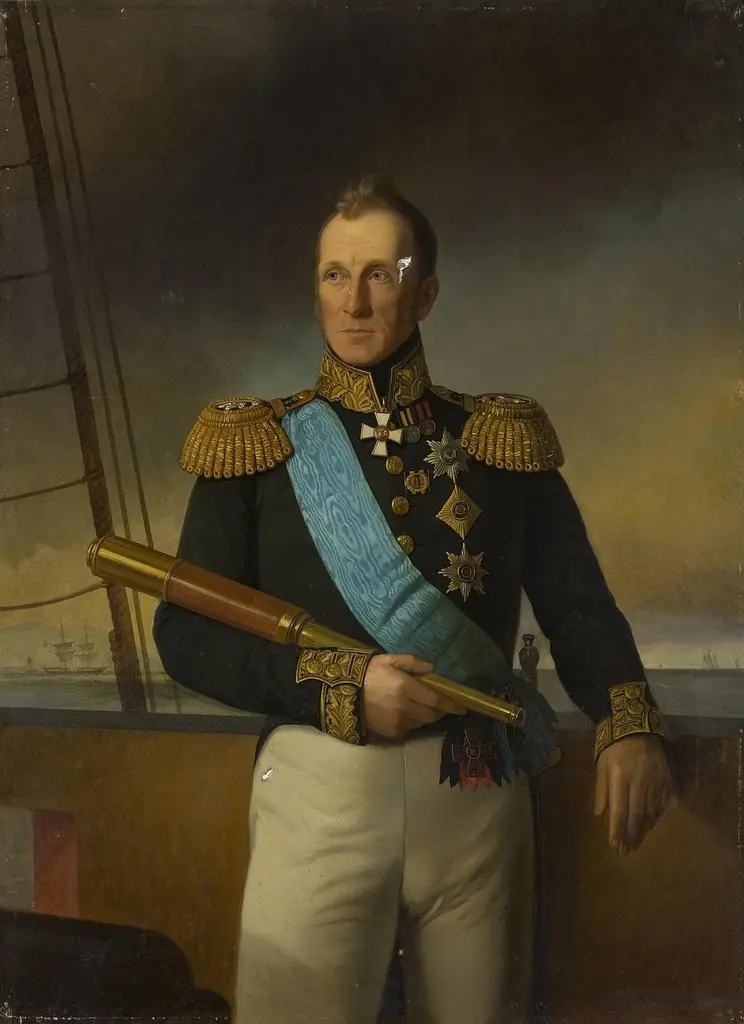 Portrait of Admiral Alexei Greig
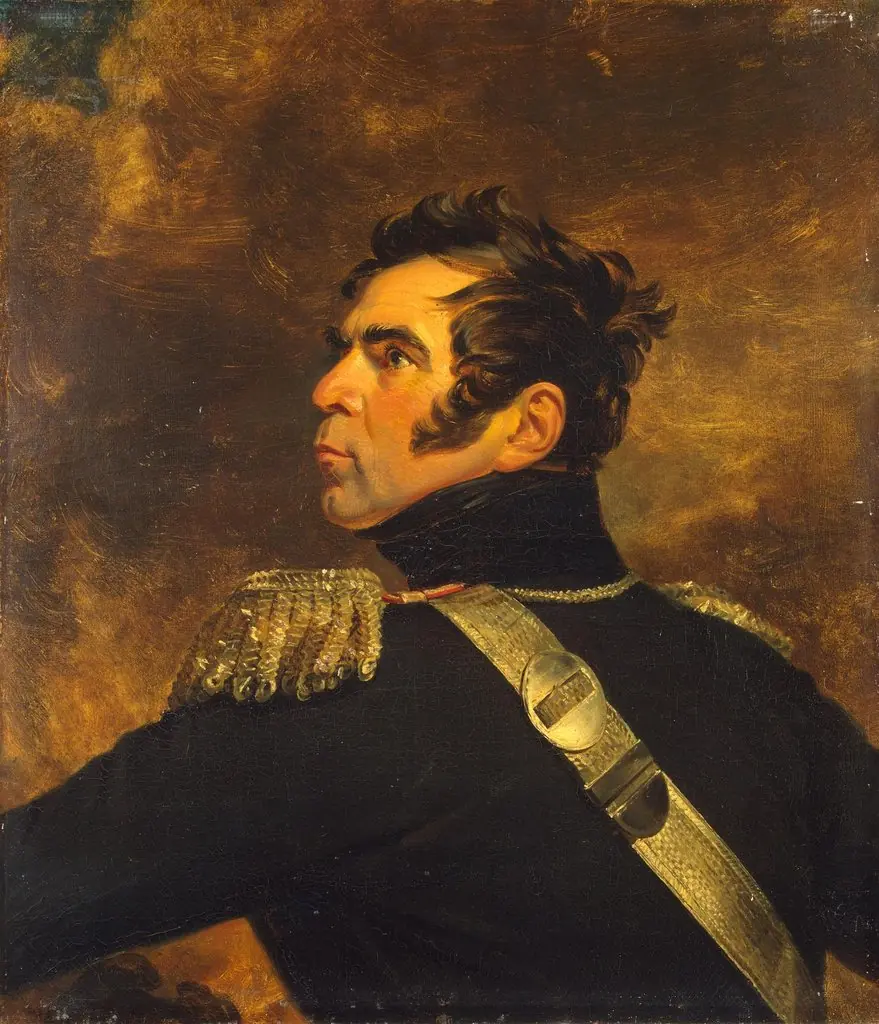 Portrait of Vasily V. Yeshin (1771-1825)
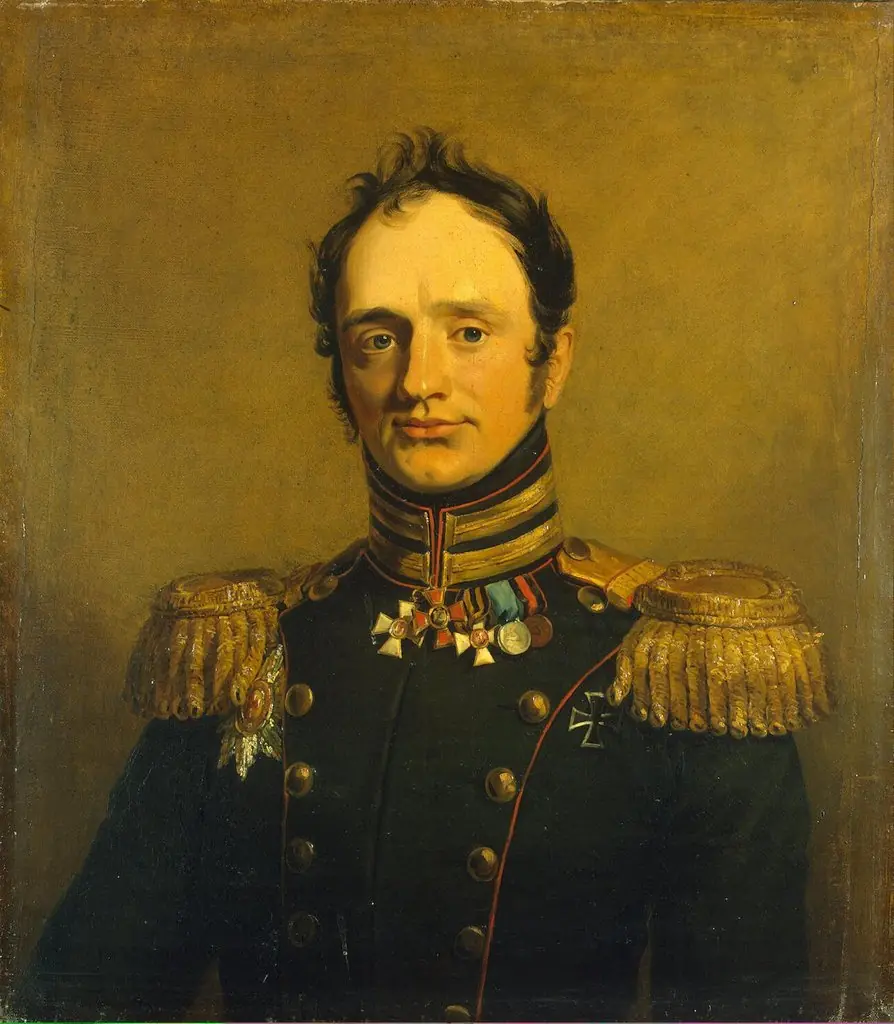 Portrait of Boris Kh. Richter (1782-1832)
 Portrait of Jacob Hobein, Rescued the Dutch Flag under Enemy Fire, 18 March 1831