Artwork
Portrait of a Man
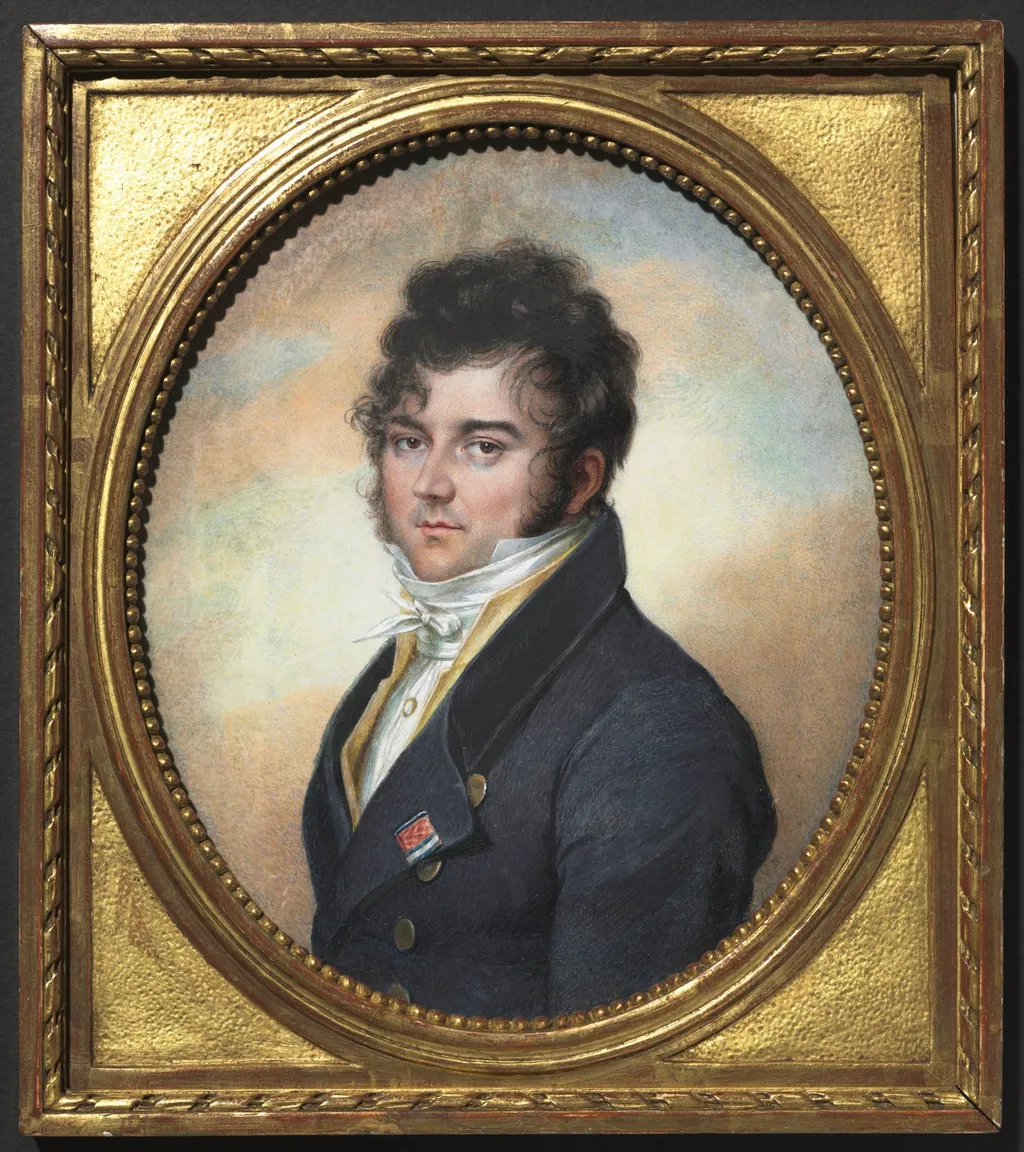
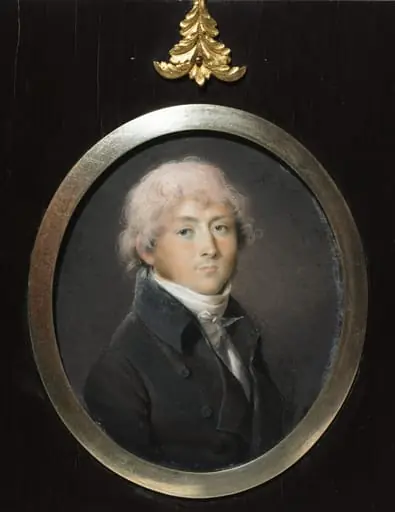
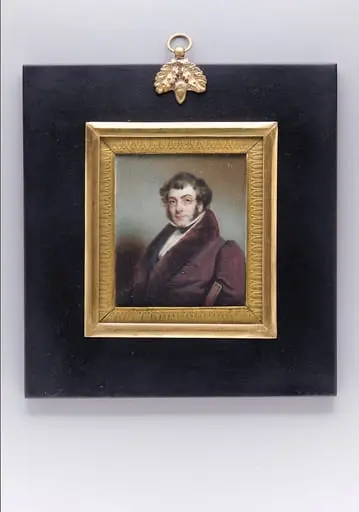
Portrait of a Man is an unspecified portrait miniature by the Romanticist artist Jean-Urbain Guérin. It dates from 1810 and is held in the collection of the Cleveland Museum of Art.
About this work
Overview
Executed in watercolor on ivory, the work exemplifies the refined tradition of French portrait miniatures during the early 19th century.
Painted circa 1810 by Jean-Urbain Guérin, this miniature portrait captures a man in formal attire with quiet precision. Executed in watercolor on ivory, the work exemplifies the refined tradition of French portrait miniatures during the early 19th century. Guérin, known for his delicate handling and attention to detail, was among the most respected miniaturists of his time, having rendered portraits of European nobility and political figures before and after the Revolution.
Subject & Meaning
The sitter, dressed in a dark coat with a white cravat and gold-buttoned waistcoat, presents an image of restrained elegance. The small ribbon pin on his lapel suggests membership in a chivalric or civic order, signaling social standing without overt display. His composed expression and neat hairstyle reflect ideals of decorum common among the post-Revolutionary elite, emphasizing dignity over flamboyance in a time of shifting social hierarchies.
Technique & Style
Guérin employed watercolor on ivory, a standard medium for miniatures, allowing for fine gradations of tone and luminous skin rendering. The background is softly muted, directing focus to the sitter’s face and attire. Brushwork is precise yet subtle, with minimal visible strokes, characteristic of the genre’s demand for clarity and intimacy. The gold frame, adorned with a dotted motif, complements the portrait’s formality without distracting from its subject.
History & Provenance
The portrait entered the collection of The Cleveland Museum of Art, where it remains today. While its exact provenance prior to acquisition is not fully documented, Guérin’s documented clientele—spanning French aristocracy and revolutionary deputies—suggests the sitter likely belonged to the educated or administrative class. The work’s survival reflects the enduring value placed on miniature portraiture as a personal and portable form of identity preservation.
Context
Created after the fall of the monarchy and during the Napoleonic era, this portrait reflects a cultural shift toward understated authority. Unlike the opulence of pre-Revolutionary portraiture, it conveys status through restraint: fine fabrics, precise grooming, and symbolic accessories rather than heraldry or grand settings. This aesthetic aligns with broader trends in early Romanticism, where individual character and quiet dignity replaced ceremonial display.
Legacy
Guérin’s work, including this portrait, represents the culmination of French miniature painting before the rise of photography. His technical mastery and ability to capture likeness with economy influenced later generations of portraitists. Though the genre declined in the mid-19th century, his pieces remain important for understanding how personal identity was visually constructed during a period of profound political and social transformation.
Artist & collection
Artist
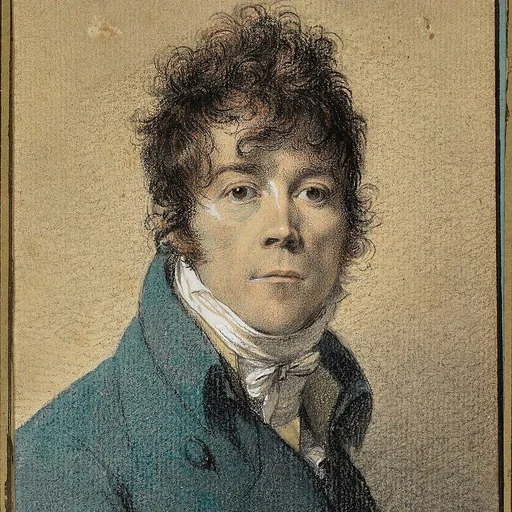
Jean-Urbain Guérin (French pronunciation: ; 1760 – 29 October 1836) was a French draughtsman and miniaturist.

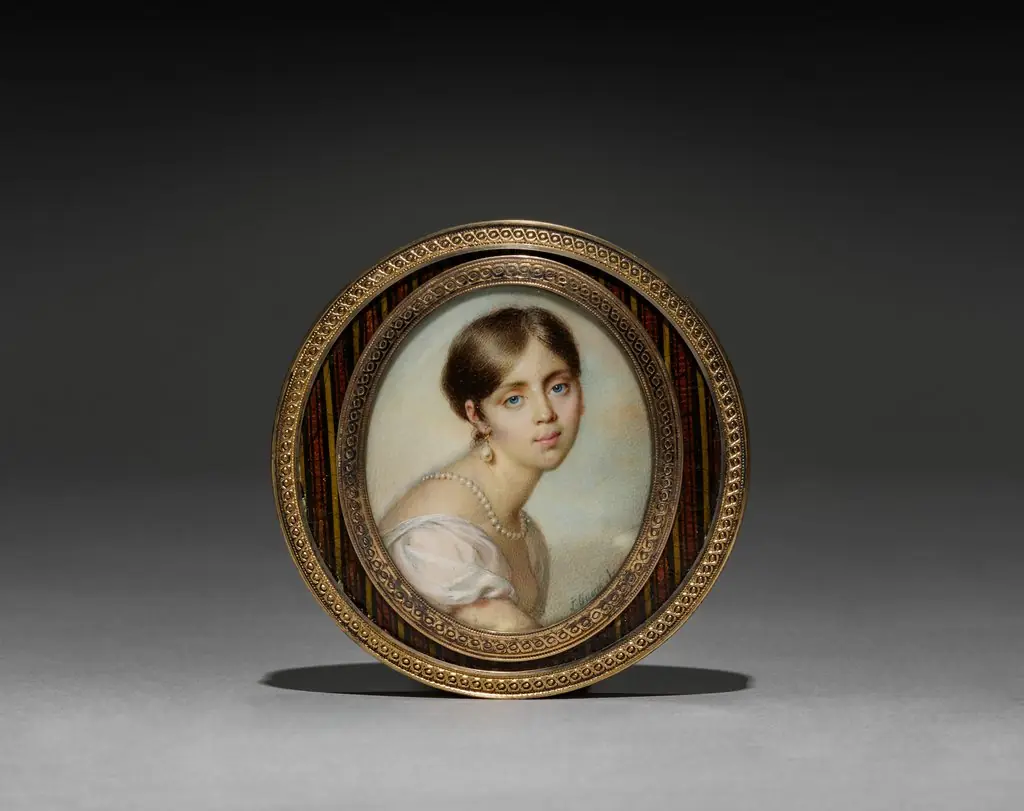
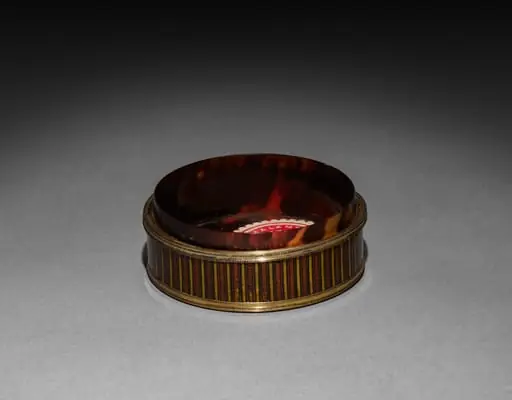
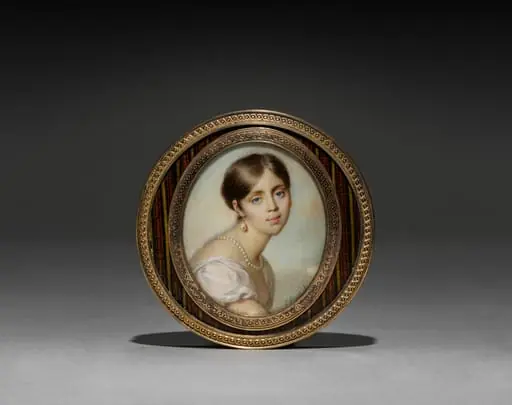
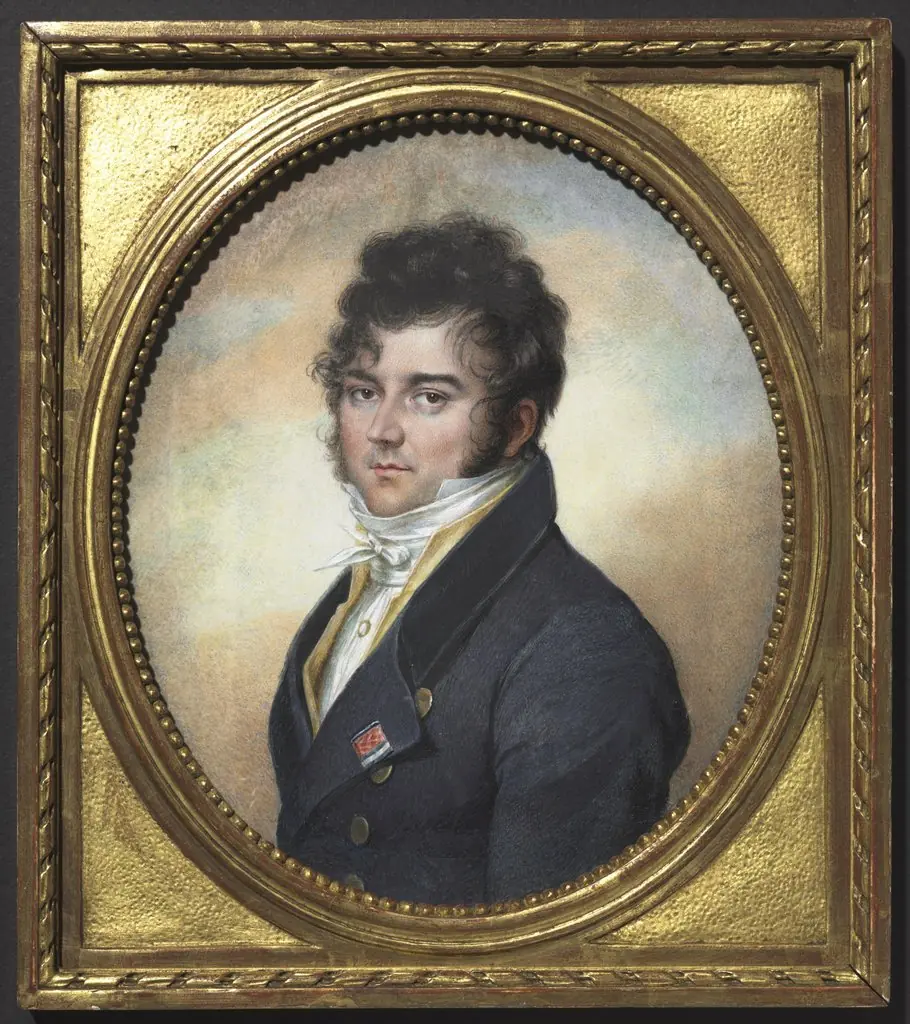 Portrait of a Man
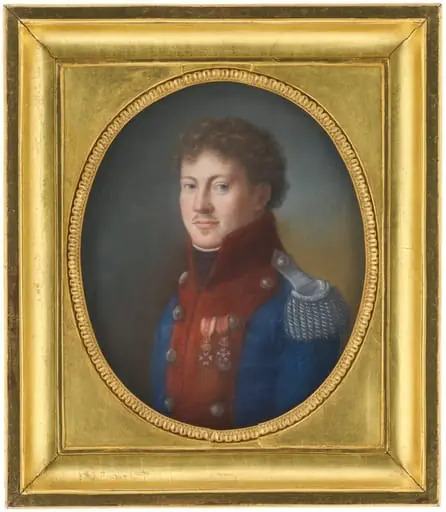 Rittmeister Heinrich Bauer
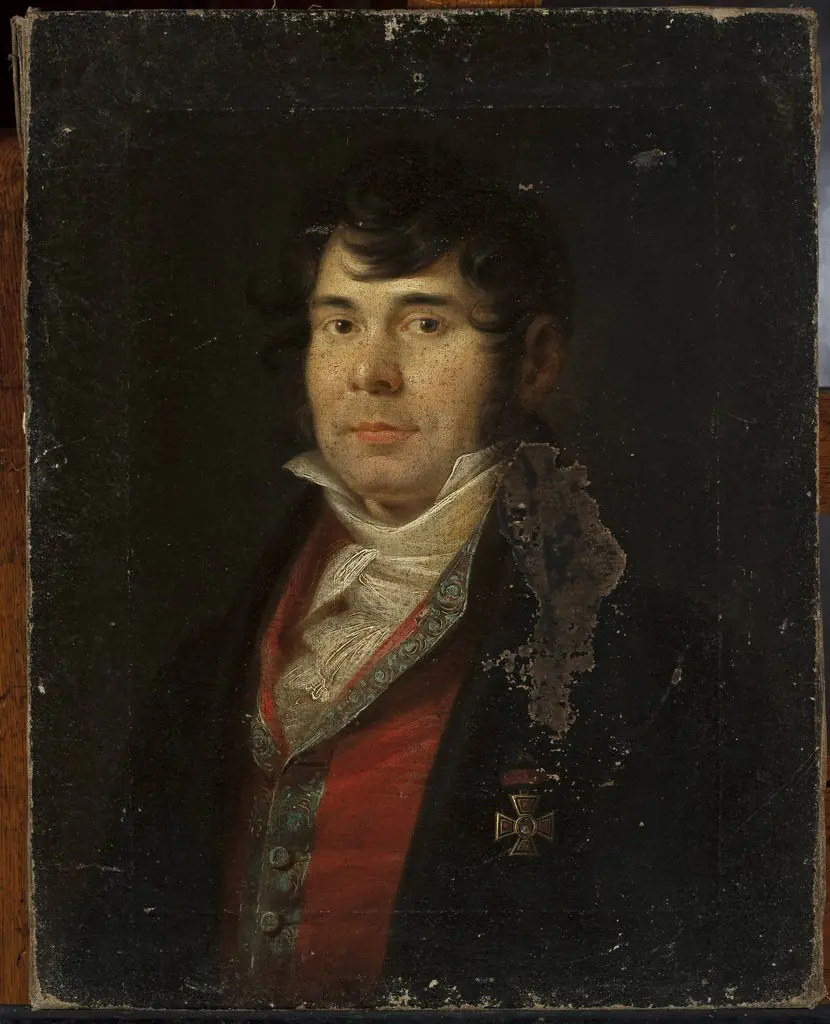 Male portrait
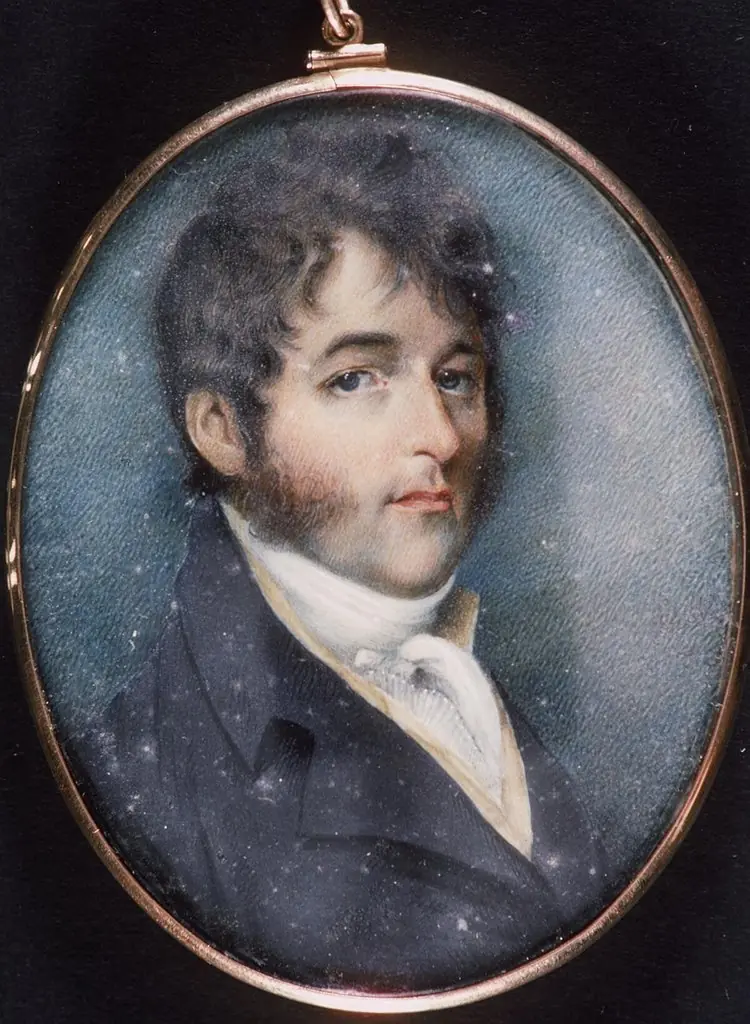 Portrait of M.P. for Cardigan 1818-49
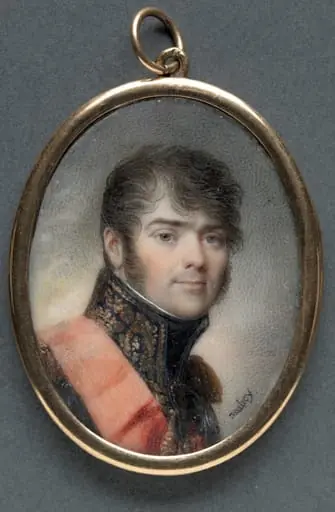 Portrait of Henri Gratien, Comte Bertrand
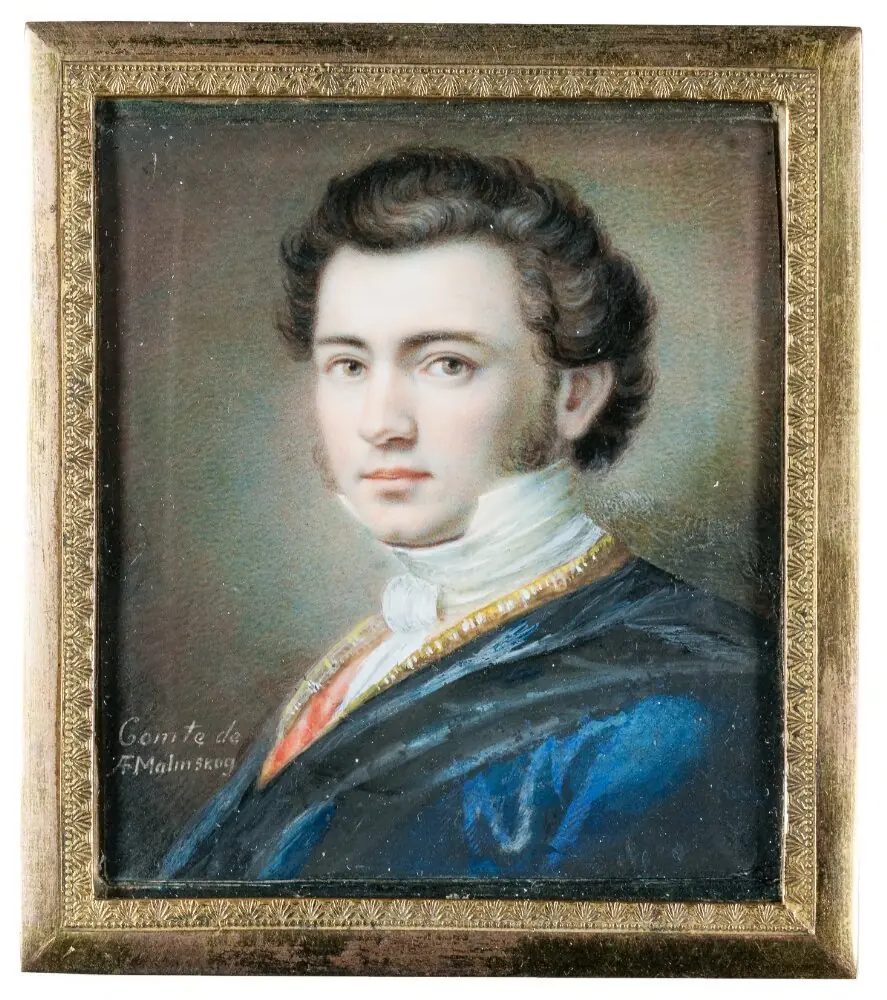 Self-portrait
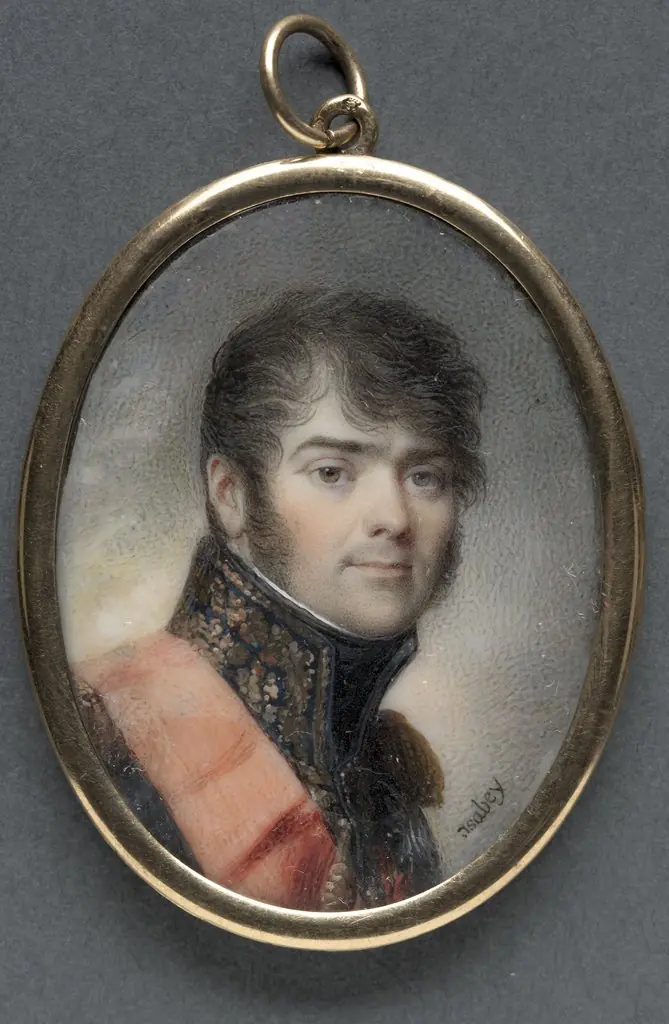 Portrait of Henri Gratien, Comte Bertrand
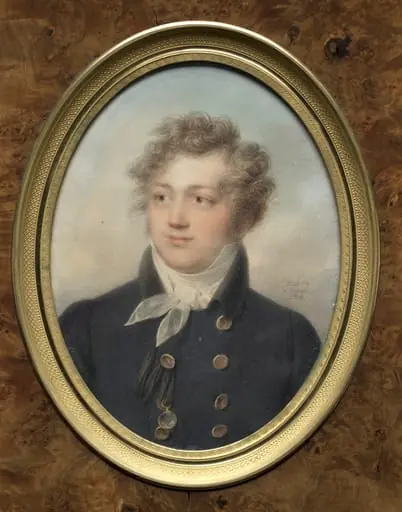 Portrait of a Man, possibly Alexander I, Emperor of Russia
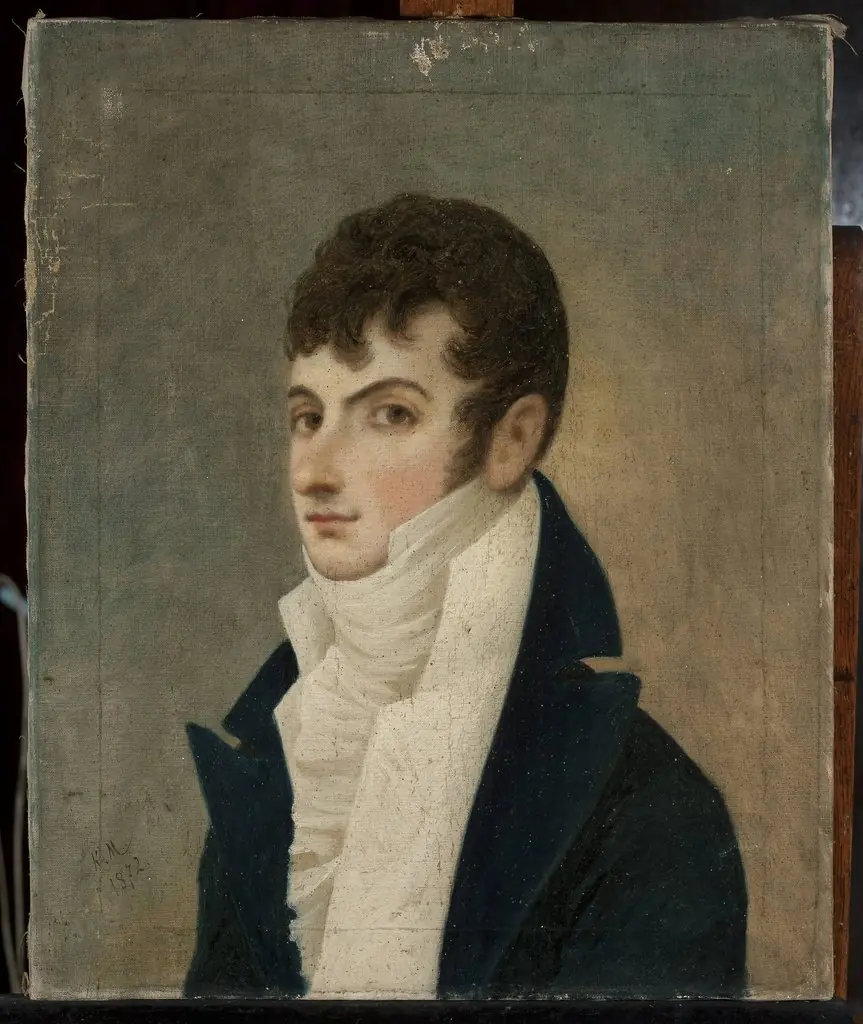 Portrait of Count Paweł Sołtyk, castellan of Sandomierz
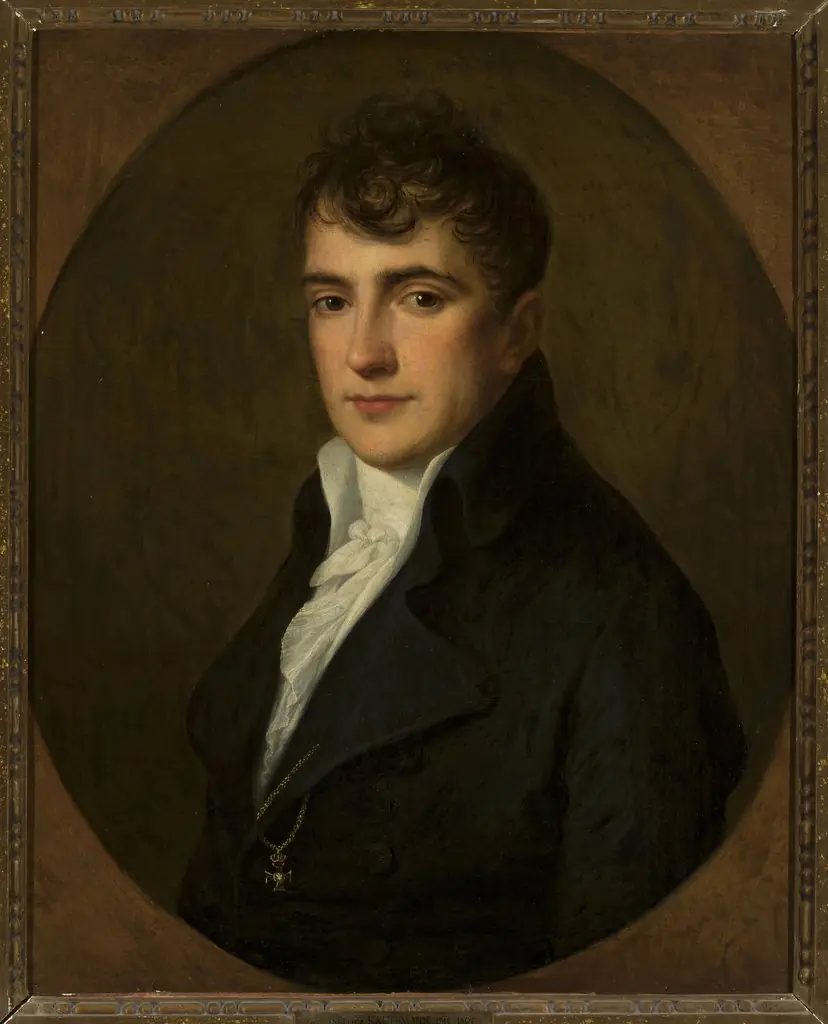 Portrait of Wojciech Męciński
 Frederick Gore King