Artwork
Portrait of Valerian Bibikov
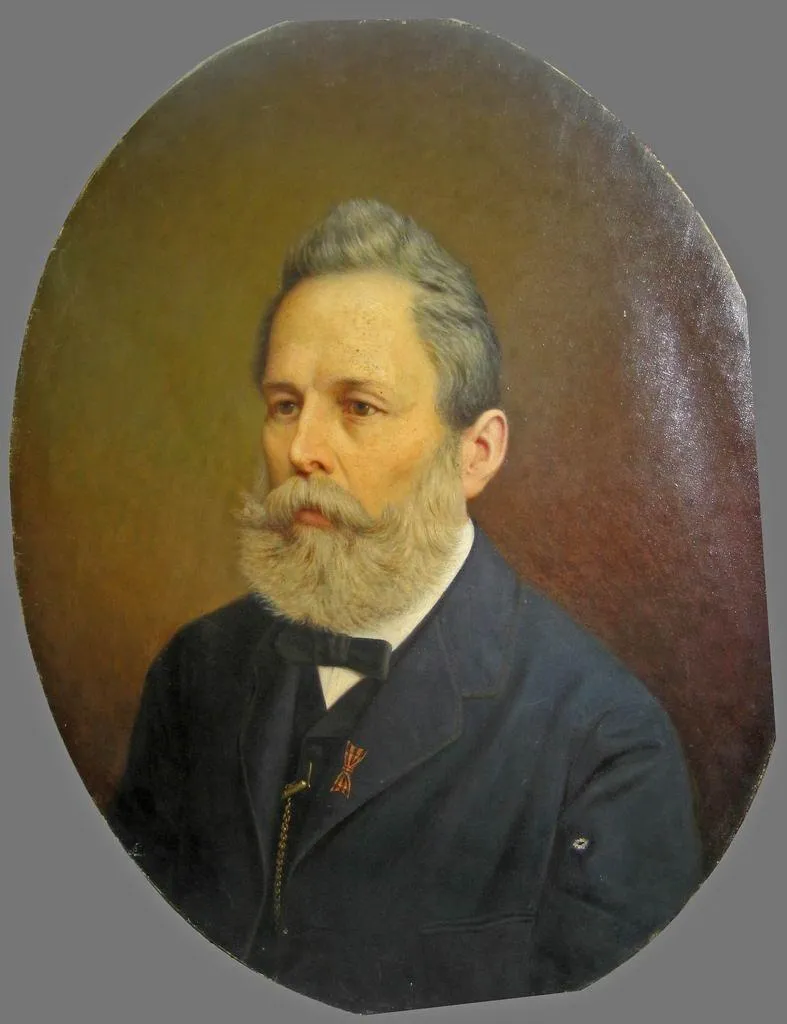
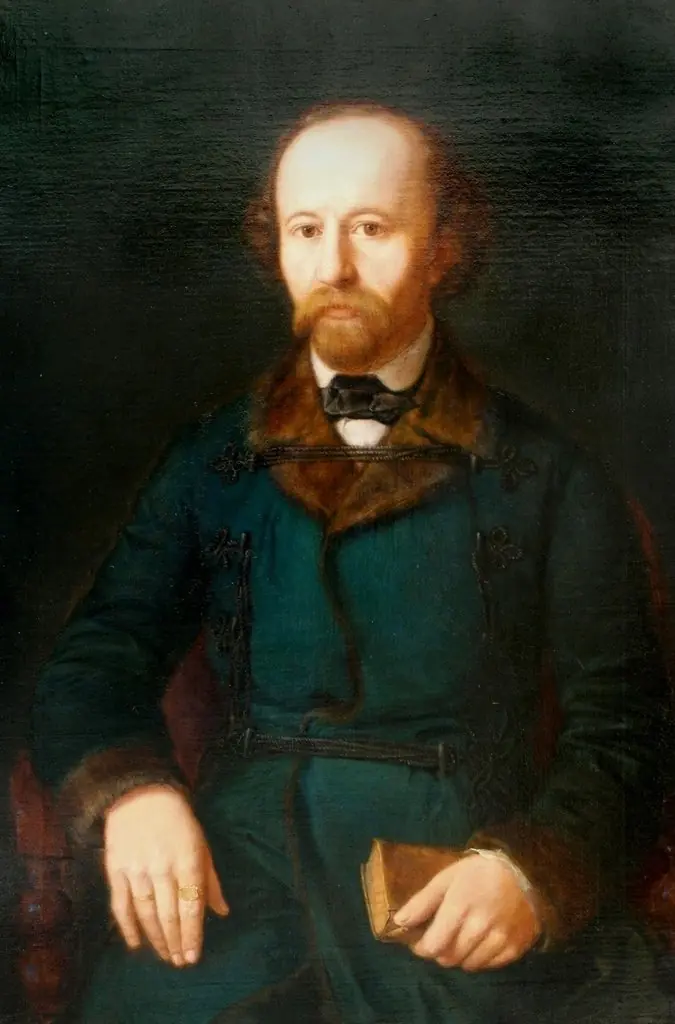
Portrait of Valerian Bibikov is an oil painting by the Realist artist Unknown. It dates from 1874 and is held in the collection of the Hermitage Museum. This oil painting depicts Valerian Bibikov, a Russian nobleman, in a formal portrait rendered with restrained elegance.
About this work
Overview
This oil painting depicts Valerian Bibikov, a Russian nobleman, in a formal portrait rendered with restrained elegance. The composition isolates the subject against a dark, unadorned background, eliminating distractions and emphasizing his presence. The lighting is carefully modulated to model his facial structure, drawing attention to his expression and attire without embellishment.
Subject & Meaning
Bibikov is portrayed with dignity, his thick beard and neatly combed hair suggesting both personal character and social standing.
Bibikov is portrayed with dignity, his thick beard and neatly combed hair suggesting both personal character and social standing. The white shirt and bow tie reflect 19th-century formal dress, while the small lapel pin may indicate affiliation or honor. The direct gaze and stillness convey quiet authority, typical of aristocratic portraiture of the period, where identity and status were communicated through composure rather than gesture.
Technique & Style
The artist employs chiaroscuro to define the contours of Bibikov’s face, using subtle gradations of light and shadow to model his features. Soft transitions between tones avoid harsh contrasts, creating a naturalistic effect. Brushwork is controlled and smooth, particularly in the rendering of skin and fabric, reflecting a preference for realism over expressive flourish. The dark background enhances the three-dimensionality of the figure.
History & Provenance
The portrait was likely commissioned by Bibikov’s family or associates during the mid-19th century, a time when Russian nobility frequently commissioned formal likenesses to affirm their social position. Its early provenance remains undocumented, but it has been held in private Russian collections before entering public stewardship. No records indicate public exhibition prior to the 20th century.
Context
This portrait aligns with broader trends in Russian aristocratic portraiture of the 1800s, where realism and restraint replaced the ornate styles of earlier eras. Artists increasingly focused on psychological presence and social identity, influenced by European academic traditions. Bibikov’s image reflects a cultural moment in which personal dignity and lineage were visually codified through formal dress and composed demeanor.
Legacy
The painting serves as a quiet testament to the visual language of Russian nobility in the 19th century. Though not widely known outside specialized circles, it contributes to the historical record of how elite individuals presented themselves during a period of social transition. Its understated technique and focus on character offer insight into the values of self-representation among the Russian gentry.
Artist & collection

 Domestic Scene
 Giacomo and Cardinal Marco, investing Andrea, Abbot of San Zeno, with his Benefice
 The Nymph of Fontainebleau
 Portrait of a Woman
 Madonna and Child with Saints in the Enclosed Garden
 Venus and Minerva
 Family Group of Four on Sofa
 Wall painting from Room H of the Villa of P. Fannius Synistor at Boscoreale
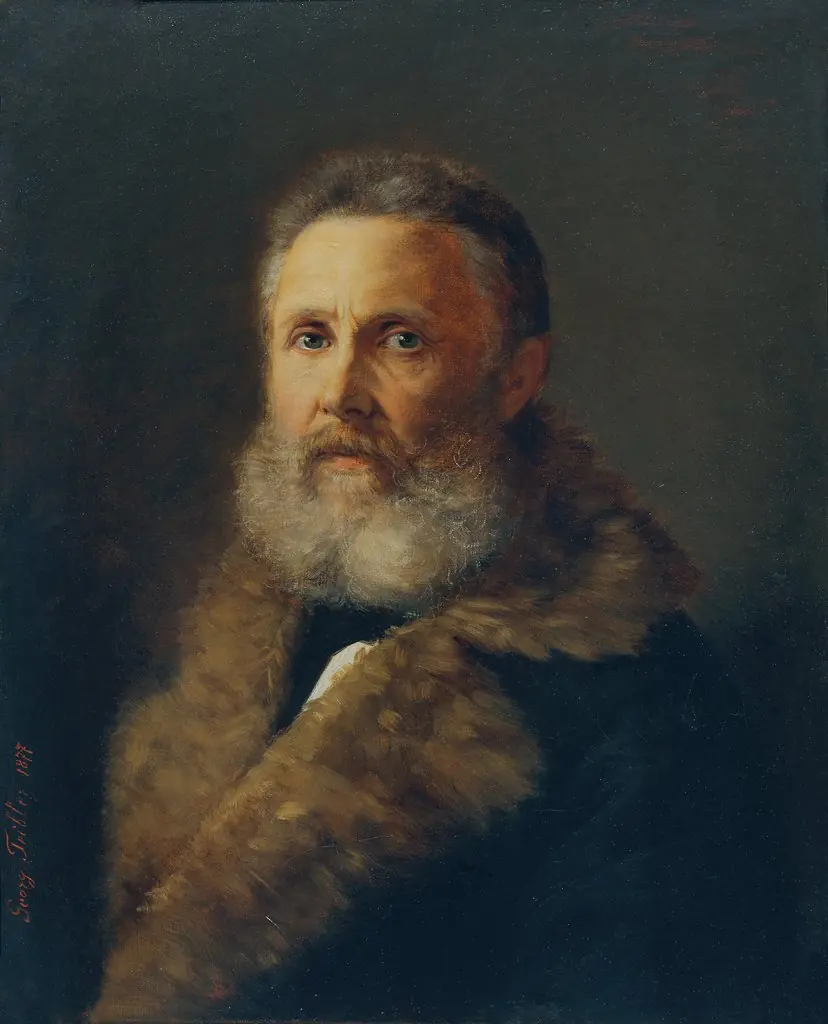 Der Maler Carl Teibler, der Vater des Künstlers
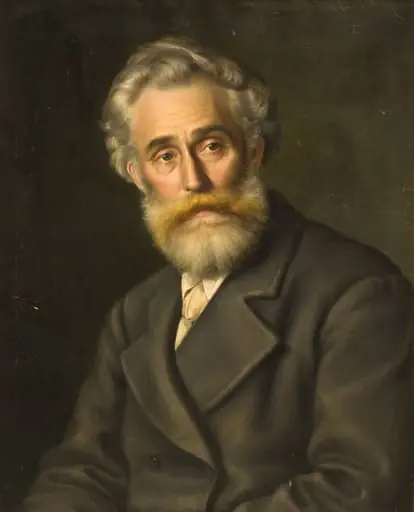 The Painter Vilhelm Kyhn
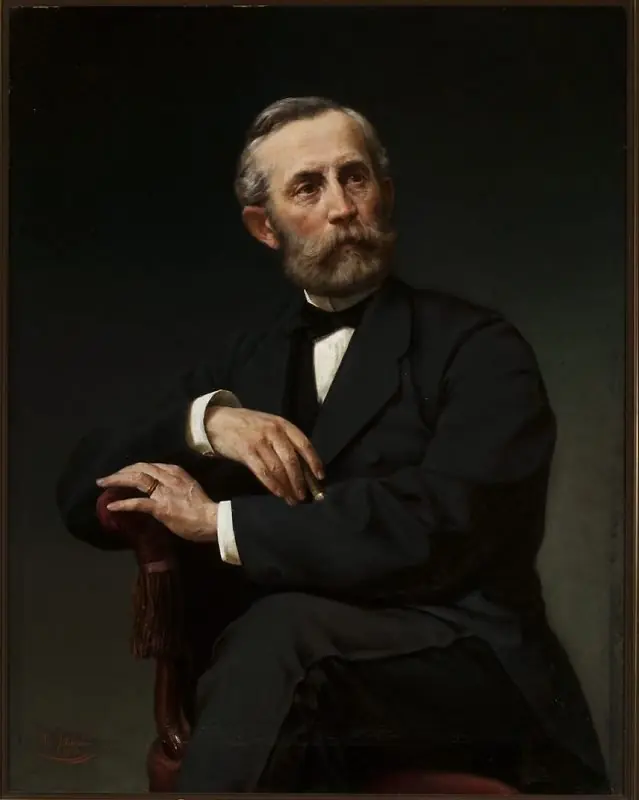 Portrait of Ewaryst Mejer, president of the Sectional Directorate of the Land Credit Association in Warsaw
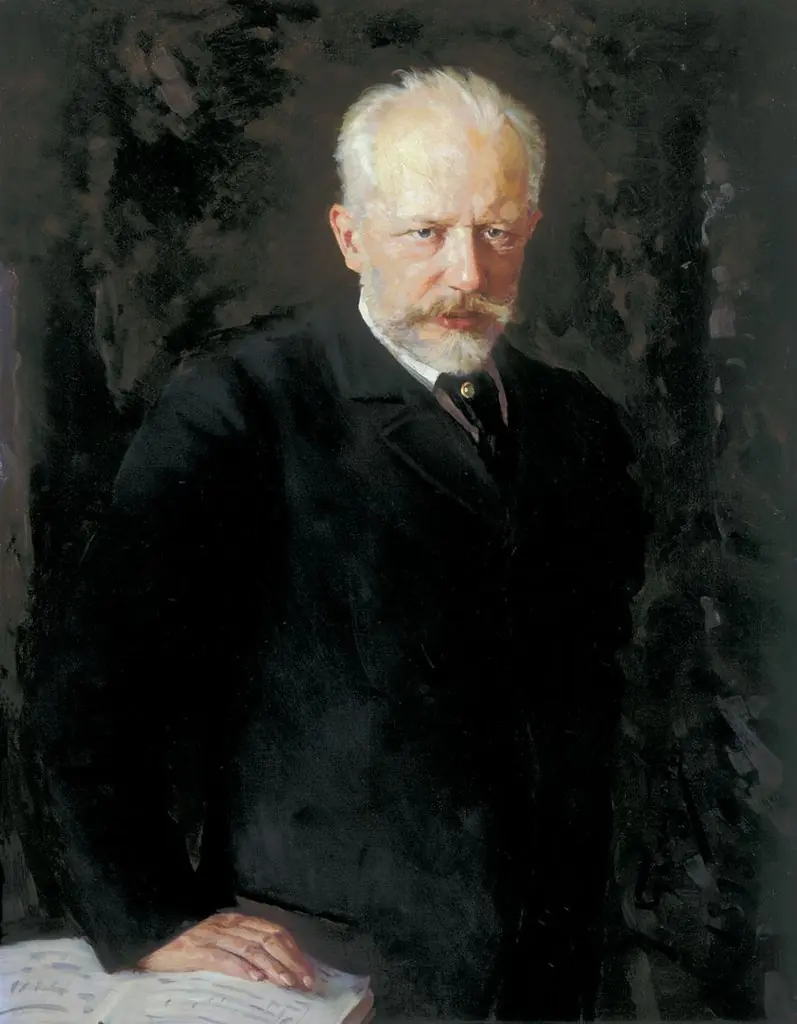 Pyotr Tchaikovsky
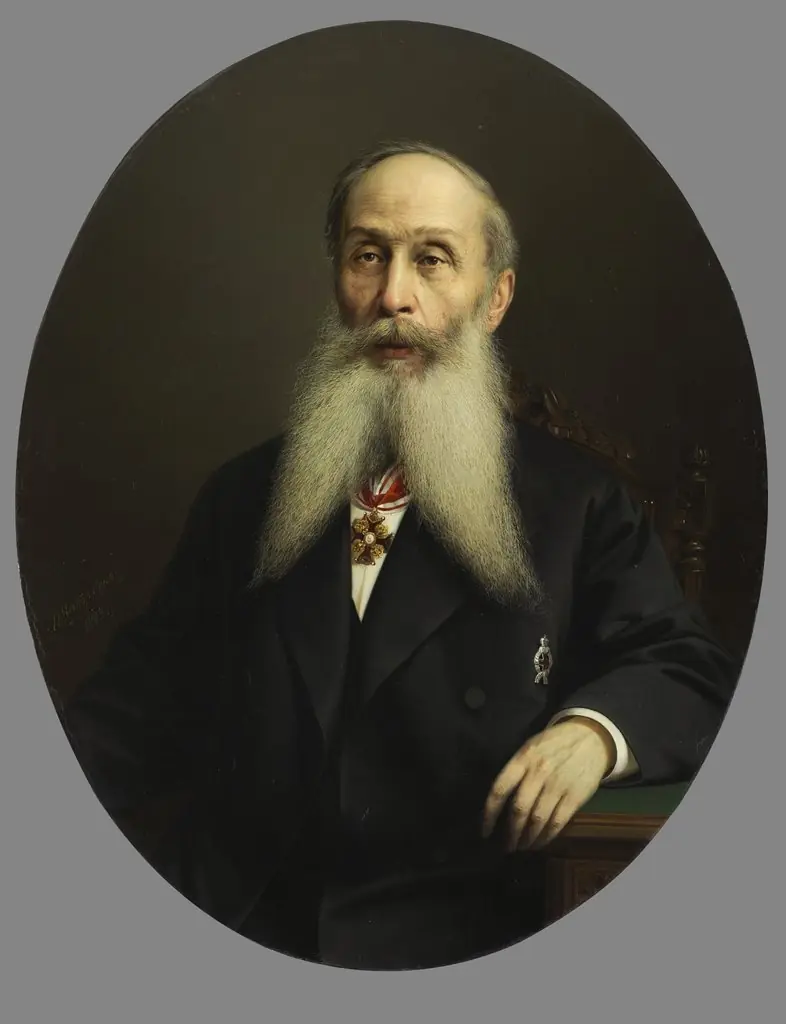 Portrait of V.A.Chernokhvostov
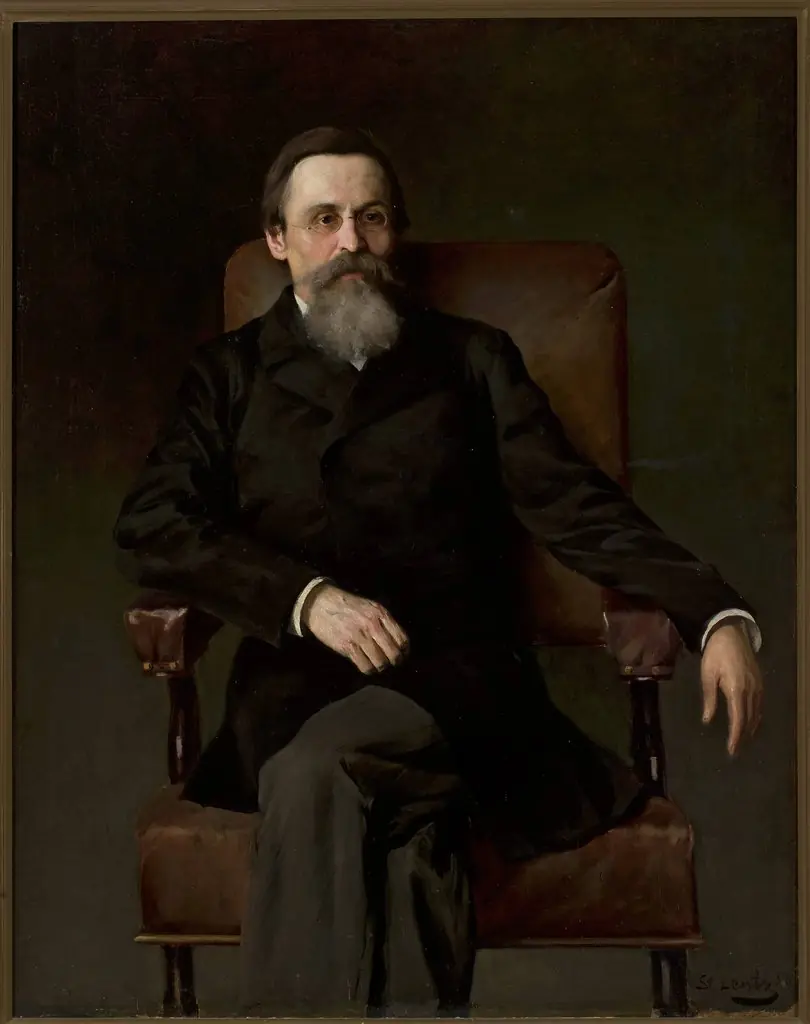 Portrait of Tadeusz Korzon
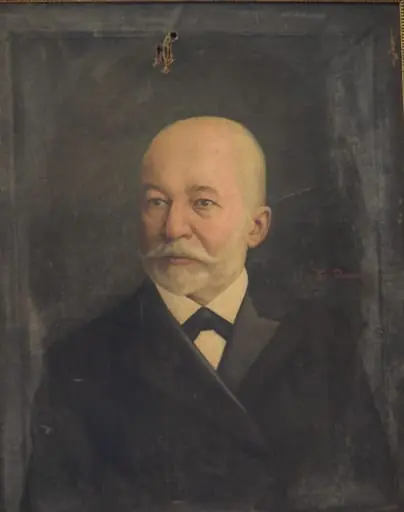 Portretul lui Dumitrie A. Sturza
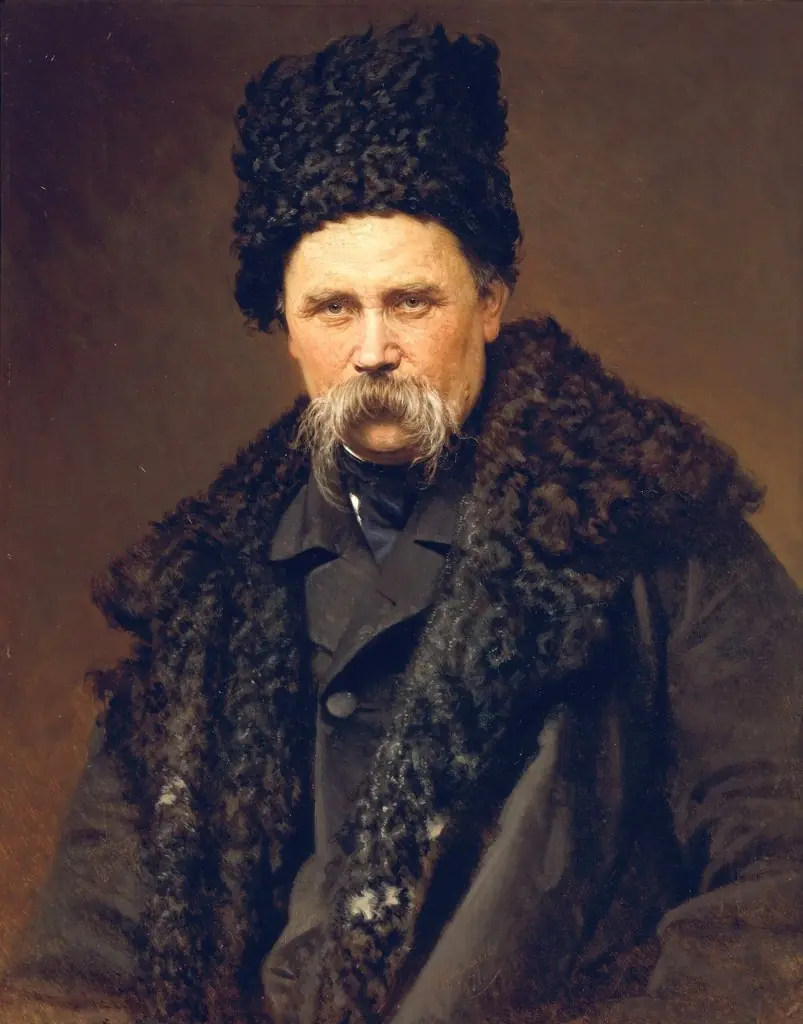 Portrait of Taras Shevchenko
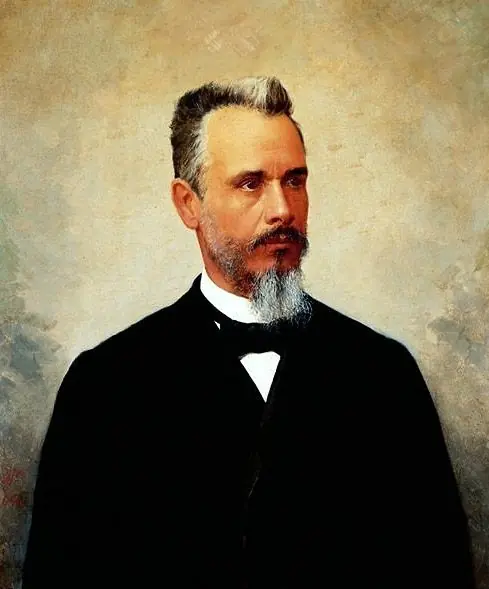 Portrait of Bernardino de Campos
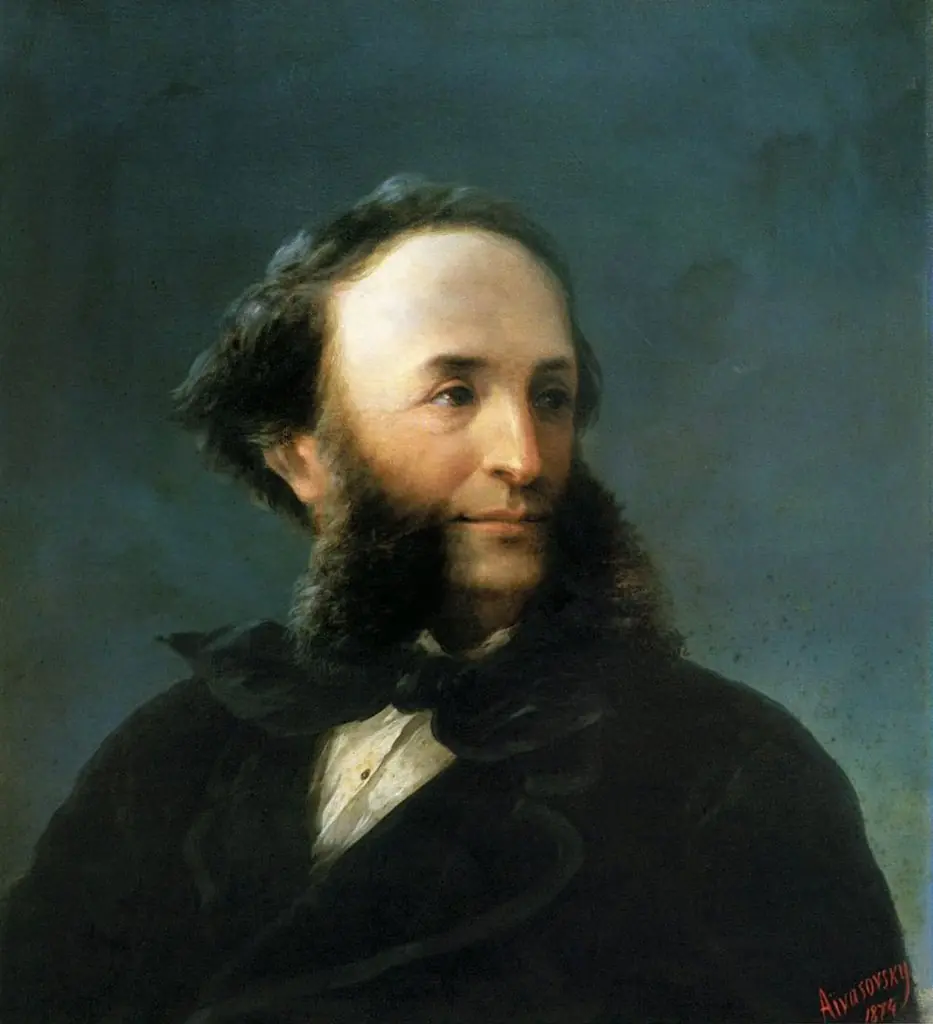 Self-portrait
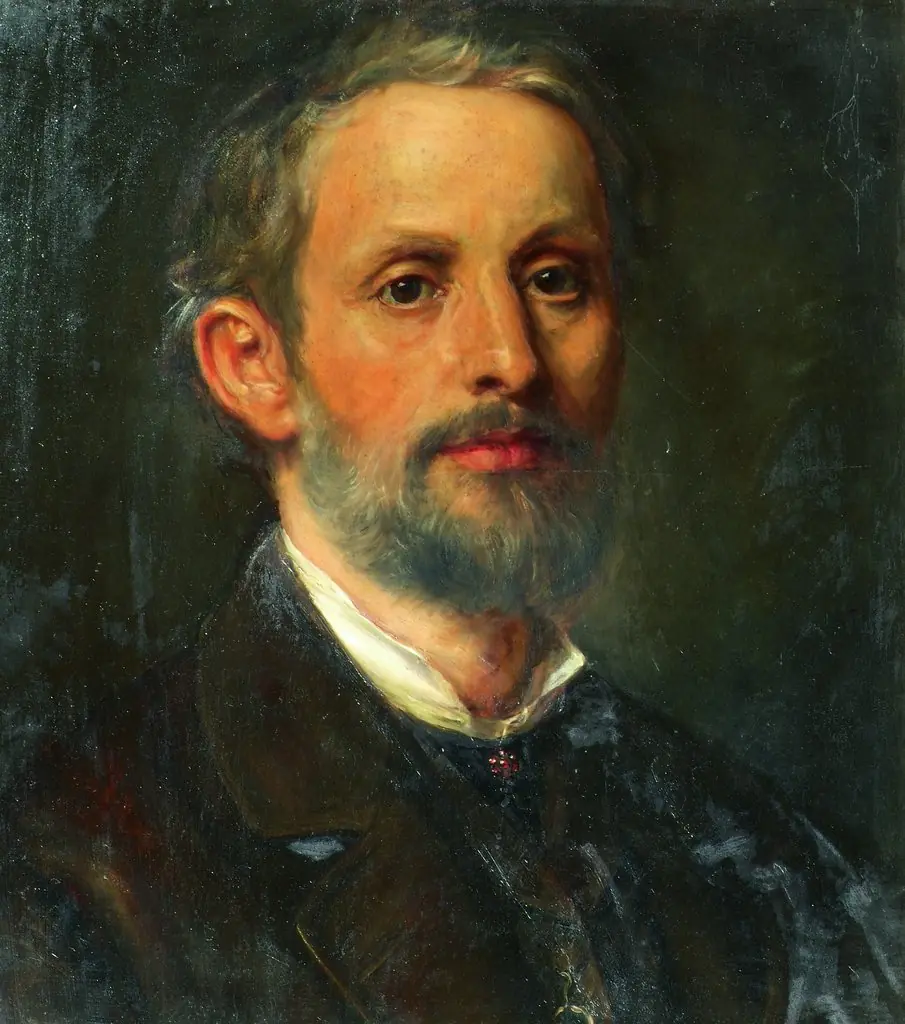 Selbstbildnis
 Portret Leonarda Serafińskiego