Artwork
Portrait Panel of George Washington
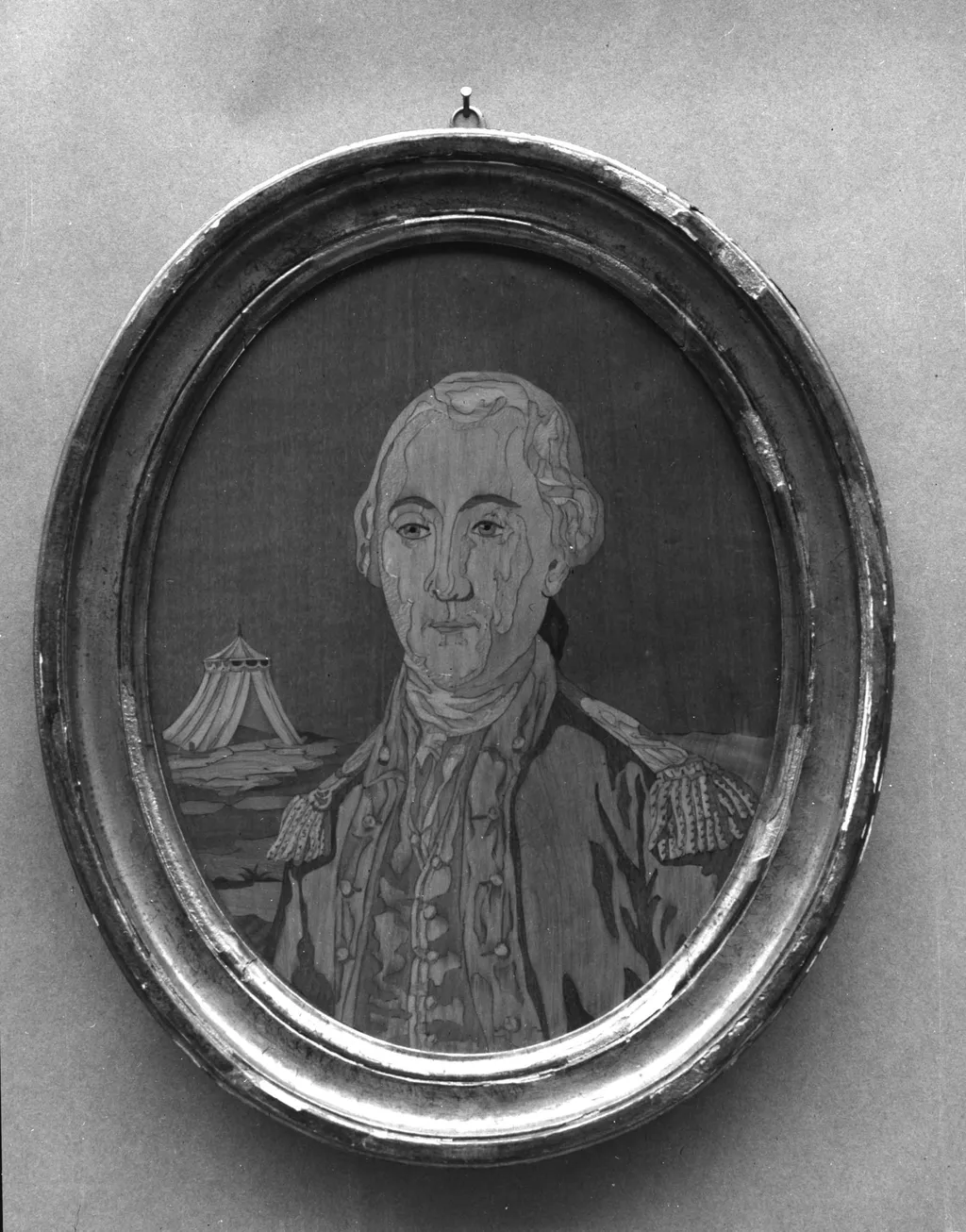
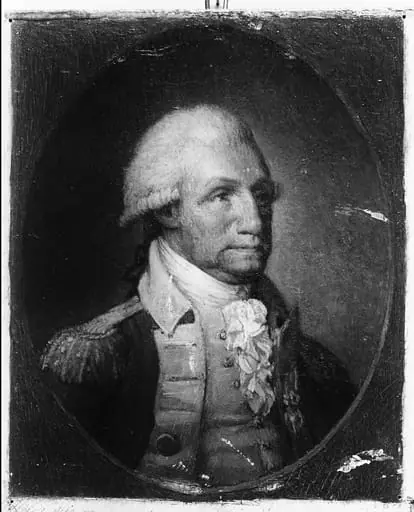
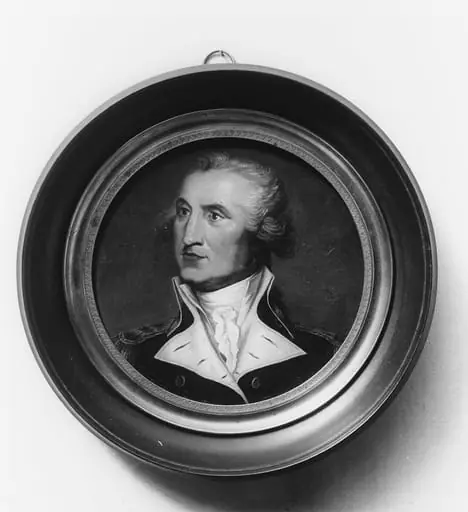
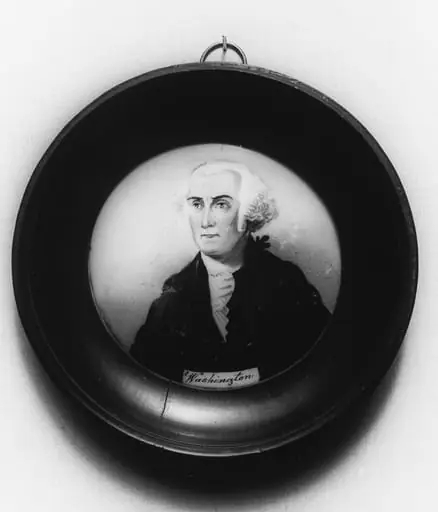
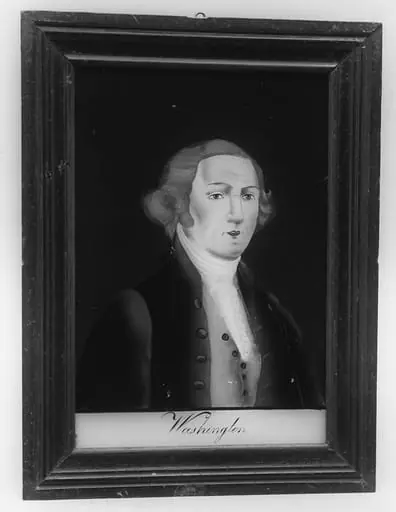
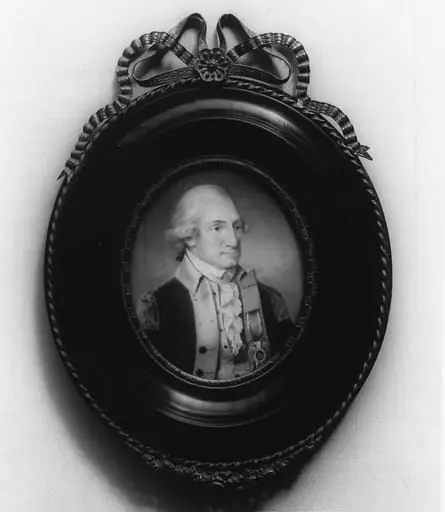
Portrait Panel of George Washington is a wood painting. It dates from 1780 and is held in the collection of the Metropolitan Museum of Art. The work is a circular portrait panel depicting a man in a military uniform, rendered in black and white.
About this work
Overview
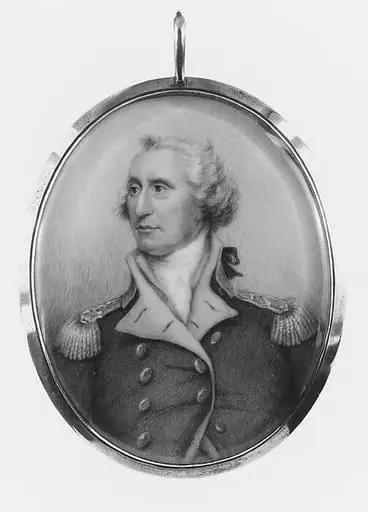
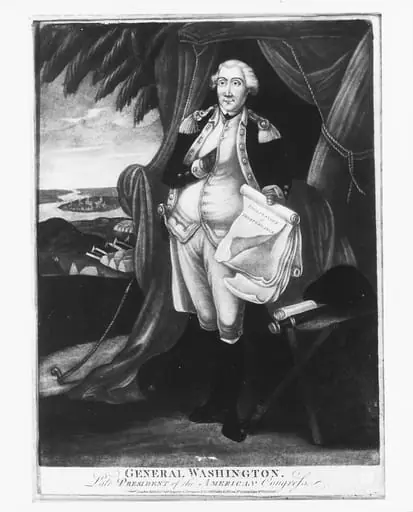
The work is a circular portrait panel depicting a man in a military uniform, rendered in black and white. He is shown with short hair, a jacket featuring epaulets, and a scarf around his neck, set against a backdrop that includes a tent positioned behind his left shoulder. The panel is framed in an aged, worn frame and is part of the American Wing collection.
Subject & Meaning
The figure represented is George Washington, presented in a formal military attire that emphasizes his role as commander. The inclusion of the tent suggests a field or campaign setting, reinforcing his leadership in wartime and the practical aspects of his service.
Technique & Style
Executed on a panel made from linden, holly, sycamore, or harewood, the image relies on monochromatic shading rather than color, giving it a stark, graphic quality. The composition’s circular format and the simplified, almost linear rendering align with aesthetic tendencies associated with Romanticism, emphasizing emotion and individual heroism.
History & Provenance
The portrait is housed within the American Wing, though specific details of its acquisition and prior ownership are not recorded in the available information. Its current placement situates it among other artifacts related to early American history.
Context
Created during a period when Romantic sensibilities were influencing American visual culture, the panel reflects a broader interest in heroic portraiture and national identity. The use of native woods for the support connects the work to local material traditions of the early United States.
Legacy
As a visual representation of Washington, the panel contributes to the enduring iconography of the first president, offering a glimpse into 19th‑century approaches to commemorating foundational figures through intimate, panel-sized works.
Artist & collection