Artwork
Post-Mortem on Pillow
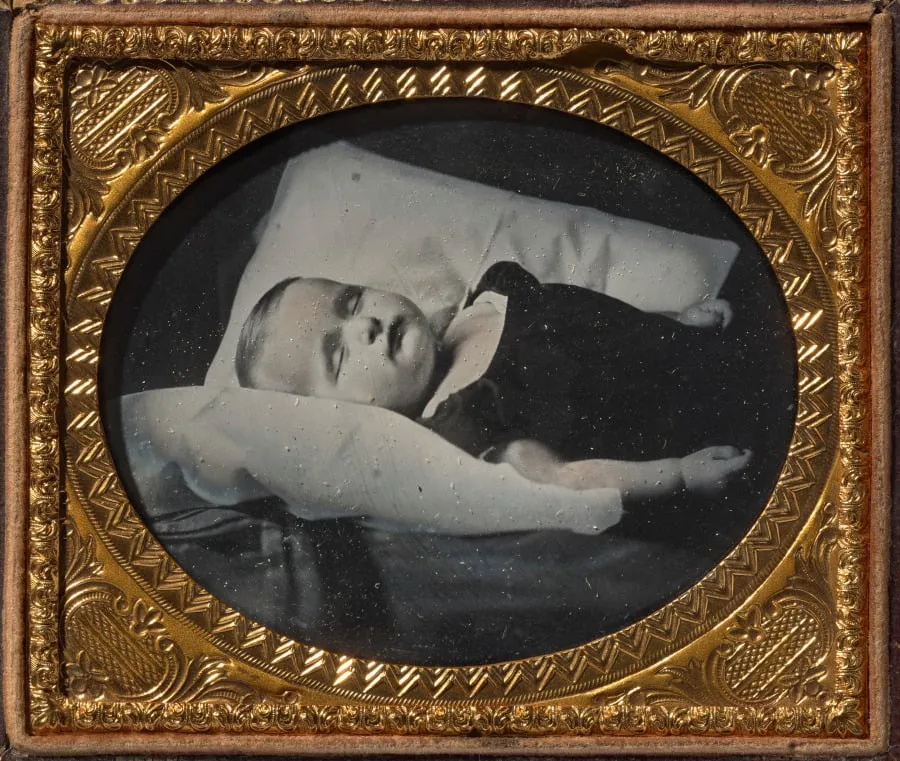
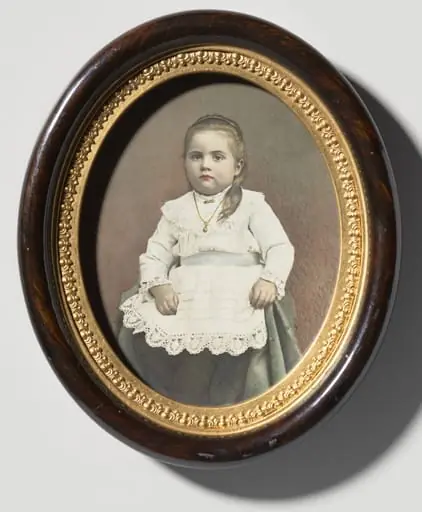
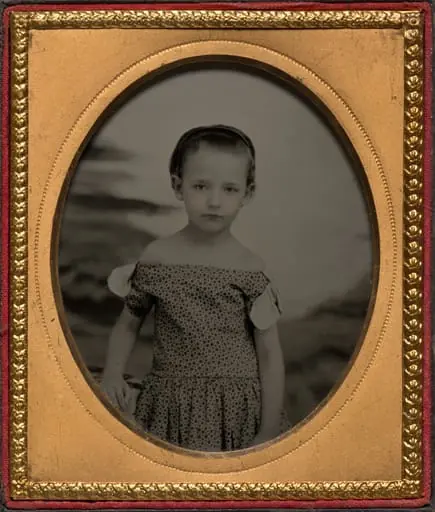
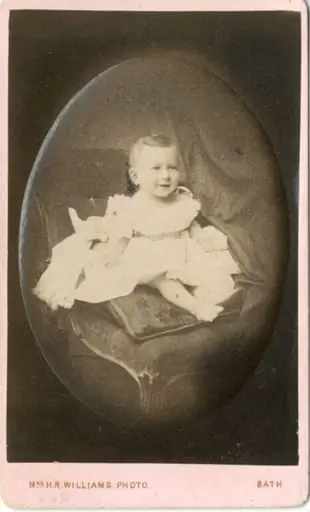
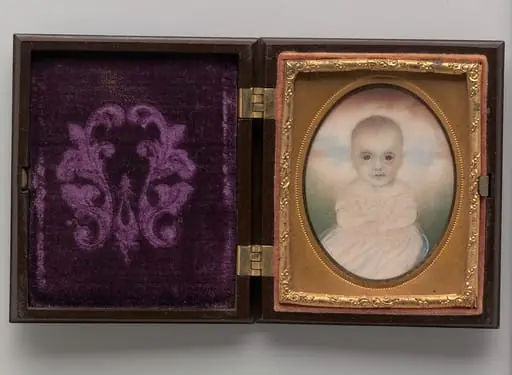
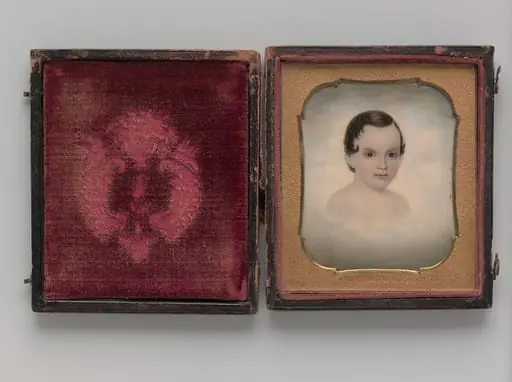
Post-Mortem on Pillow is a photography by the Impressionist artist Unknown. It dates from 1855 and is held in the collection of the Cleveland Museum of Art. This photograph captures a deceased child lying peacefully on a pillow, dressed in white, eyes closed.
About this work
Overview
Taken in the mid-19th century, it belongs to a practice known as post-mortem photography, where families preserved the likeness of children who died young.
This photograph captures a deceased child lying peacefully on a pillow, dressed in white, eyes closed. Taken in the mid-19th century, it belongs to a practice known as post-mortem photography, where families preserved the likeness of children who died young. The composition avoids overt grief, instead emphasizing stillness and serenity, reflecting cultural norms around death and remembrance in an era of high child mortality.
Subject & Meaning
The child, rendered in quiet repose, is not portrayed as lost but as sleeping—a deliberate visual choice to soften the reality of death. In a time when infant and childhood mortality rates were high, such images served as the only lasting visual record many families would ever have. The white garment symbolized purity, while the pillow suggested rest rather than finality, offering comfort through familiarity.
Technique & Style
The image employs soft, even lighting and careful attention to fabric texture, lending it a painterly quality often associated with studio portraiture. The child’s stillness and the shallow depth of field suggest a long exposure, typical of early photographic processes. Composition is restrained, focusing attention on the face and clothing, minimizing background detail to heighten emotional intimacy.
History & Provenance
Produced between the 1840s and 1870s, this photograph emerged alongside the rise of daguerreotypes and ambrotypes, technologies that made portraiture more accessible. While few records survive of individual subjects, such images were commonly commissioned by middle- and working-class families. Their existence reflects a broader cultural shift toward private mourning and the material preservation of memory.
Context
In the 19th century, nearly one in three children died before age five, often from infectious disease or poor sanitation. Without photography, visual memory of the dead was limited to sketches or verbal accounts. Post-mortem images filled this gap, becoming a routine, if somber, part of domestic life. They were sometimes displayed in homes or sent to distant relatives as tokens of remembrance.
Legacy
These photographs, once private and deeply personal, are now held in archives and museums as historical documents. They offer insight into how grief was managed before modern medicine and mass media. While the practice faded with improved child survival rates and changing attitudes toward death, these images remain poignant records of familial love and loss in a vulnerable era.
Artist & collection

 Domestic Scene
 Giacomo and Cardinal Marco, investing Andrea, Abbot of San Zeno, with his Benefice
 The Nymph of Fontainebleau
 Portrait of a Woman
 Madonna and Child with Saints in the Enclosed Garden
 Venus and Minerva
 Family Group of Four on Sofa
 Wall painting from Room H of the Villa of P. Fannius Synistor at Boscoreale