Artwork
Print Collection
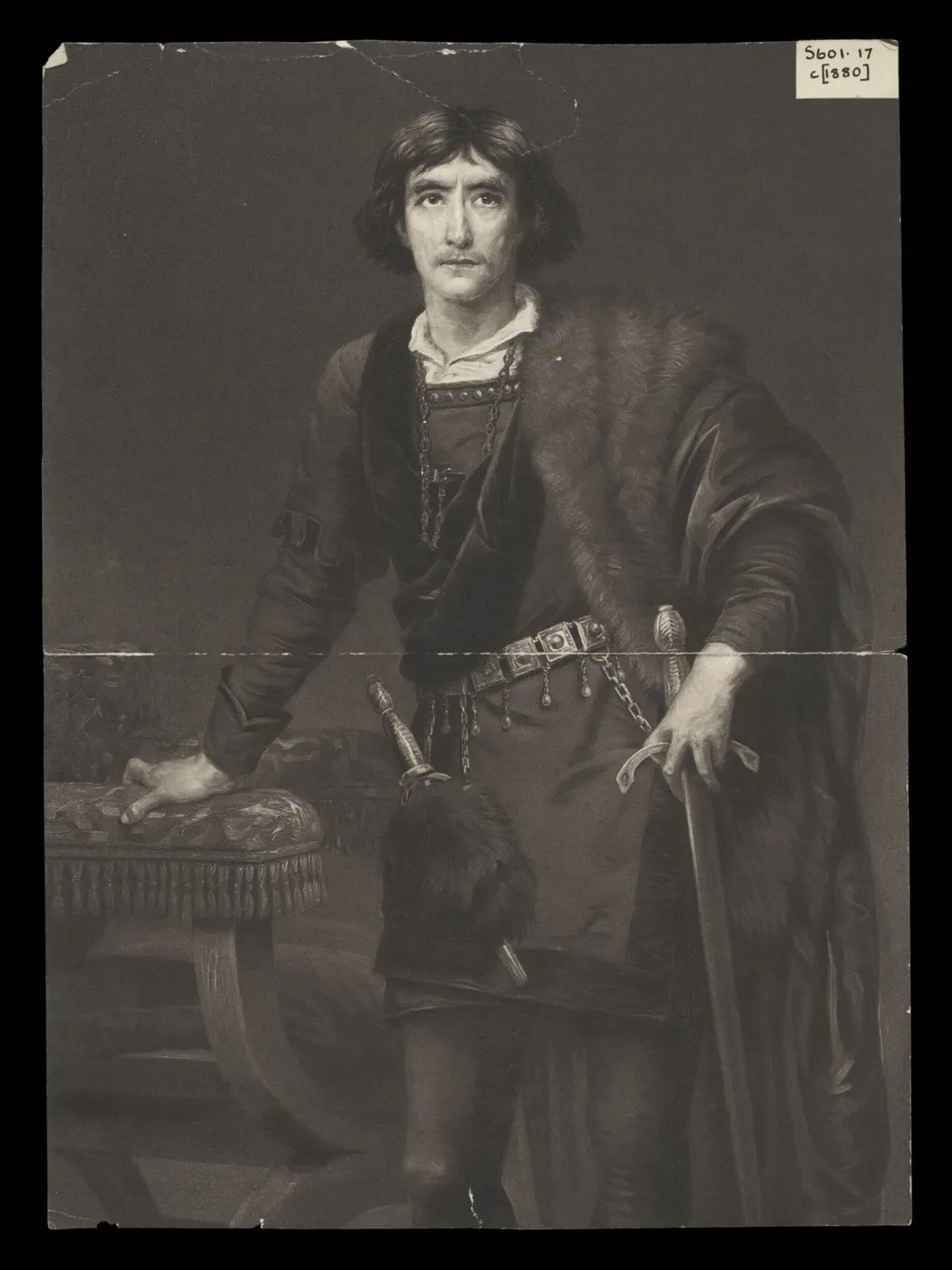
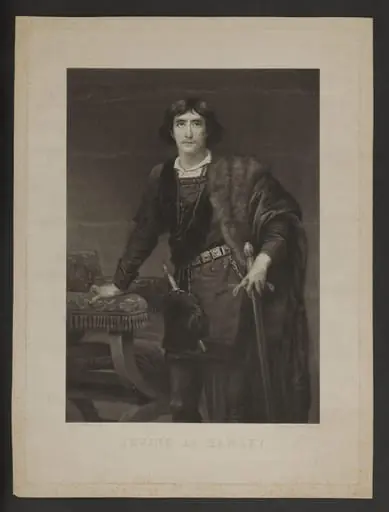
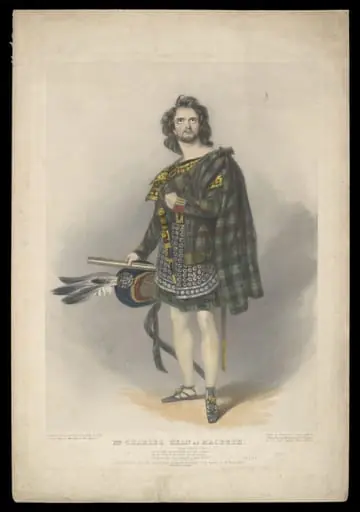
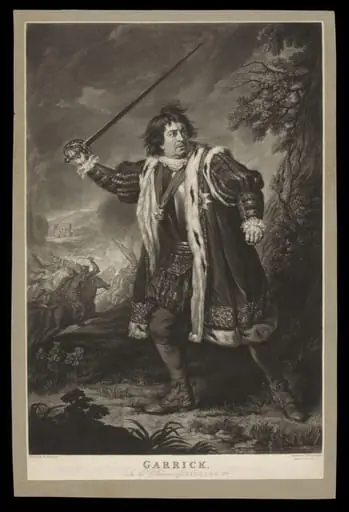
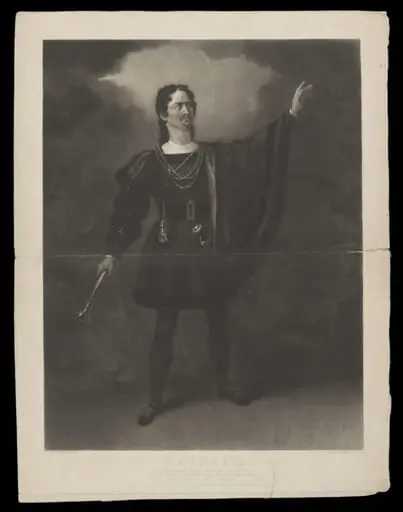
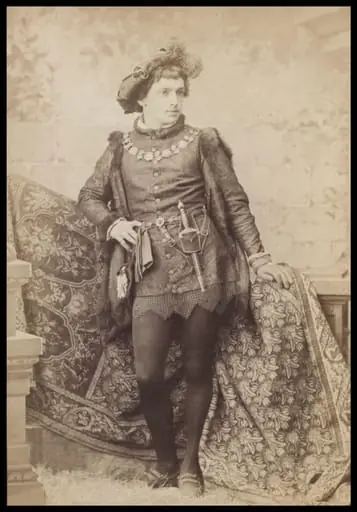
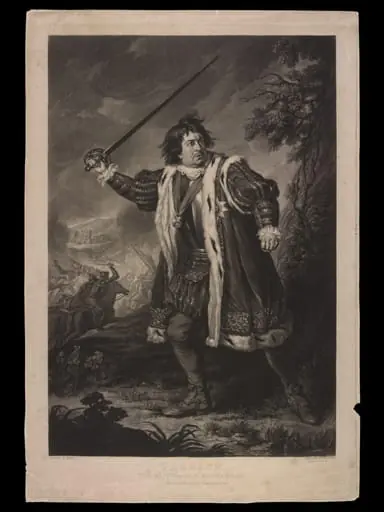
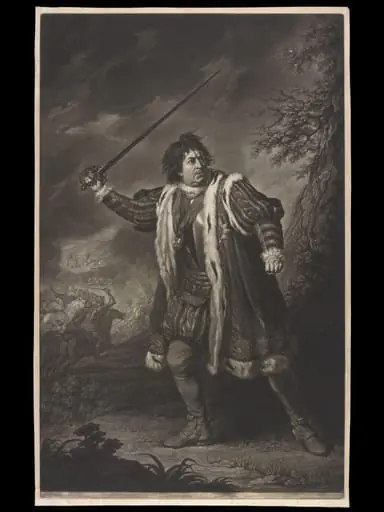
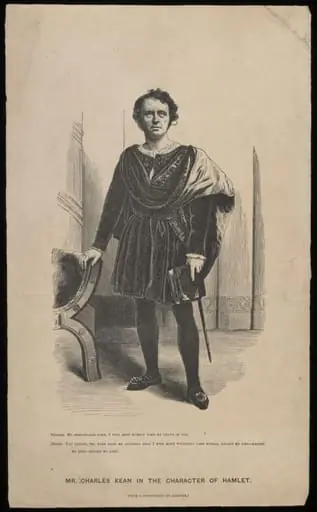
Print Collection is a print by the Impressionist artist Unknown. It dates from 1880 and is held in the collection of the Victoria and Albert Museum. The work is a printed portrait dating from around 1880 that depicts the celebrated Victorian actor Henry Irving in the role of Macbeth.
About this work
The portrait is interesting because it gives us a glimpse into the theater world of the time, and Henry Irving was a famous actor.
This painting shows a portrait of Henry Irving as Macbeth.
It's a detailed print from around 1880.
The portrait is interesting because it gives us a glimpse into the theater world of the time, and Henry Irving was a famous actor.
The print is well-done, with Irving's costume and expression standing out.
This was a significant role for Irving, and the print may have been used to promote his performances.
You can learn more about this kind of print by looking into the technique of chiaroscuro.
Overview
The work is a printed portrait dating from around 1880 that depicts the celebrated Victorian actor Henry Irving in the role of Macbeth. Rendered as a single image, it captures the actor in full costume, presenting a visual record of a notable theatrical performance of the period.
Subject & Meaning
Irving, renowned for his Shakespearean interpretations, is shown assuming the tragic king’s mantle, his expression conveying the brooding intensity associated with the character. The portrait functions both as a likeness of the performer and as a visual embodiment of the dramatic persona he inhabited onstage.
Technique & Style
Executed as a detailed print, the image employs strong contrasts of light and dark reminiscent of chiaroscuro, enhancing the three‑dimensionality of Irving’s attire and facial features. The careful line work and tonal gradations give the figure a sculptural presence within the flat medium.
History & Provenance
Created shortly after Irving’s acclaimed turn as Macbeth, the print likely served promotional purposes, circulating among theatre audiences and patrons. Its survival in the collection provides insight into the marketing practices of late‑19th‑century British theatre.
Artist & collection

 Domestic Scene
 Giacomo and Cardinal Marco, investing Andrea, Abbot of San Zeno, with his Benefice
 The Nymph of Fontainebleau
 Portrait of a Woman
 Madonna and Child with Saints in the Enclosed Garden
 Venus and Minerva
 Family Group of Four on Sofa
 Wall painting from Room H of the Villa of P. Fannius Synistor at Boscoreale