Artwork
Selbstbildnis (?)
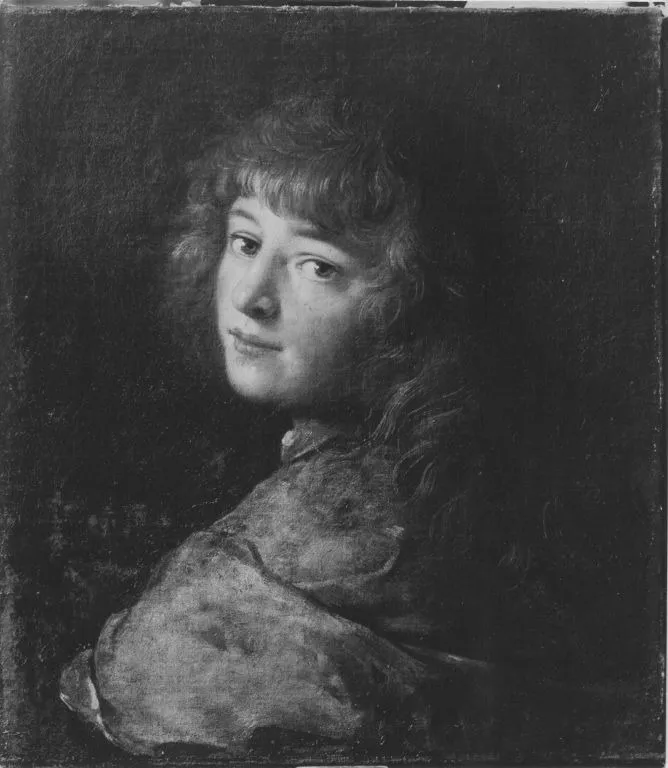
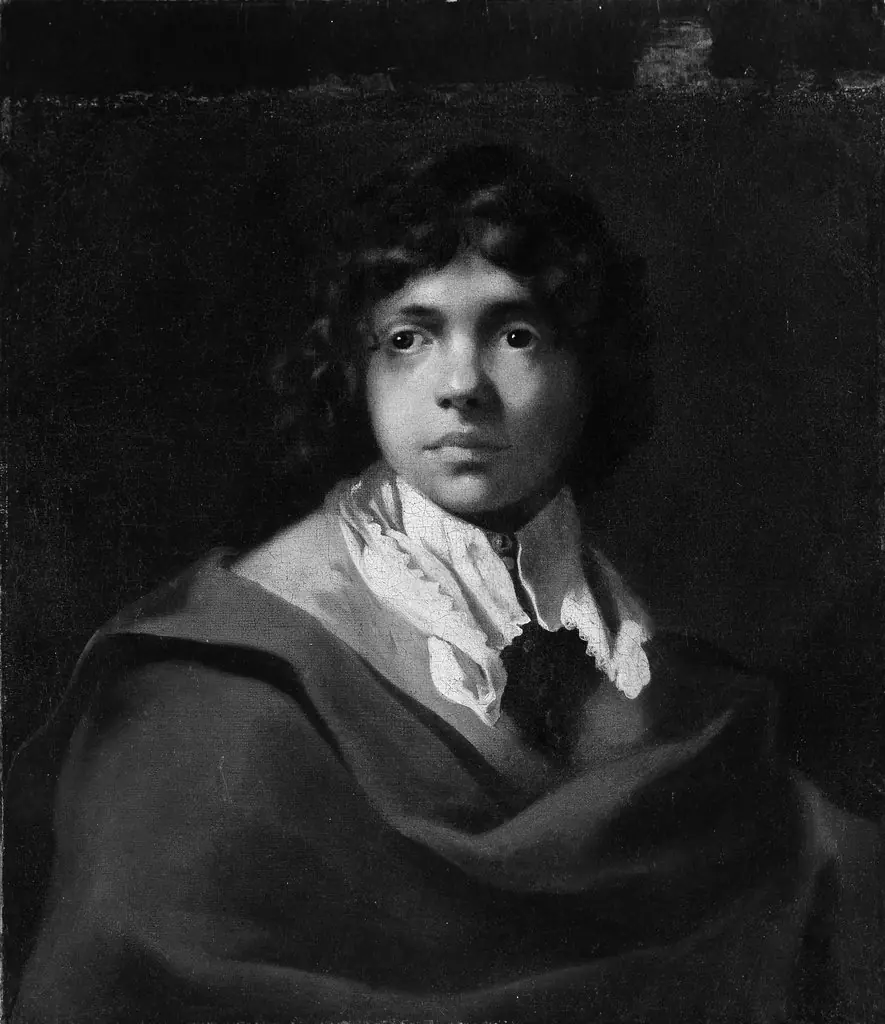
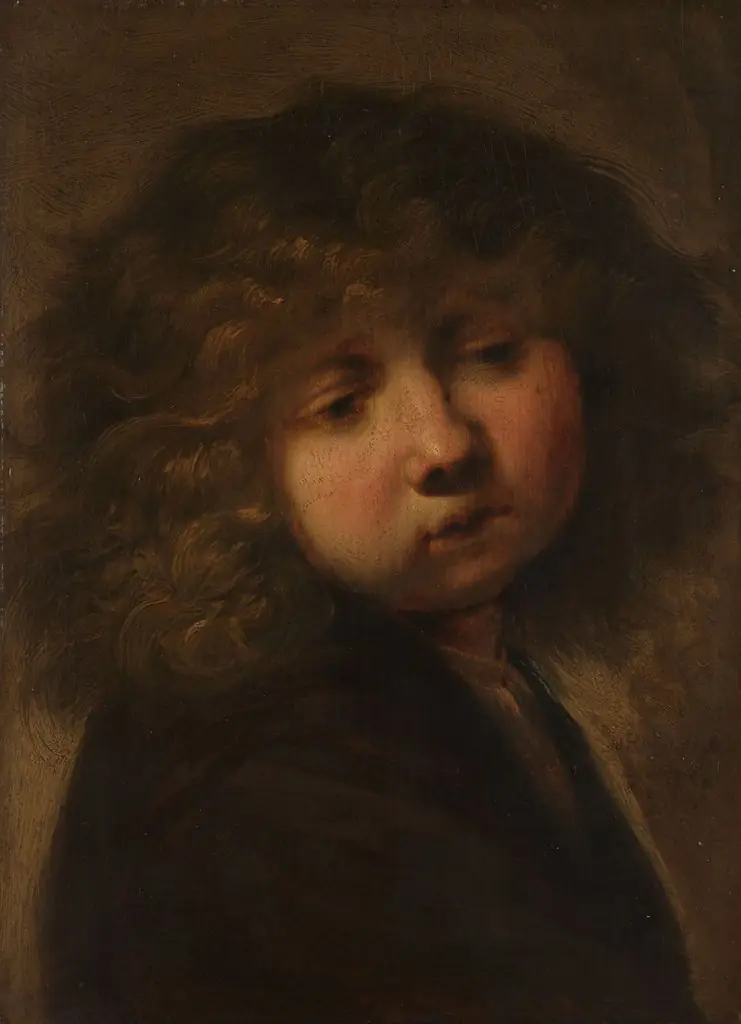
Selbstbildnis (?) is an unspecified painting by the Early Baroque Italian artist Unknown. It dates from 1631 and is held in the collection of the Bavarian State Painting Collections. This portrait depicts a young man in a dark, high-collared jacket, rendered against a deep, unbroken background.
About this work
Overview
Though unsigned and undated, the work is attributed to a Northern Renaissance artist and resides in the Alte Pinakothek in Munich.
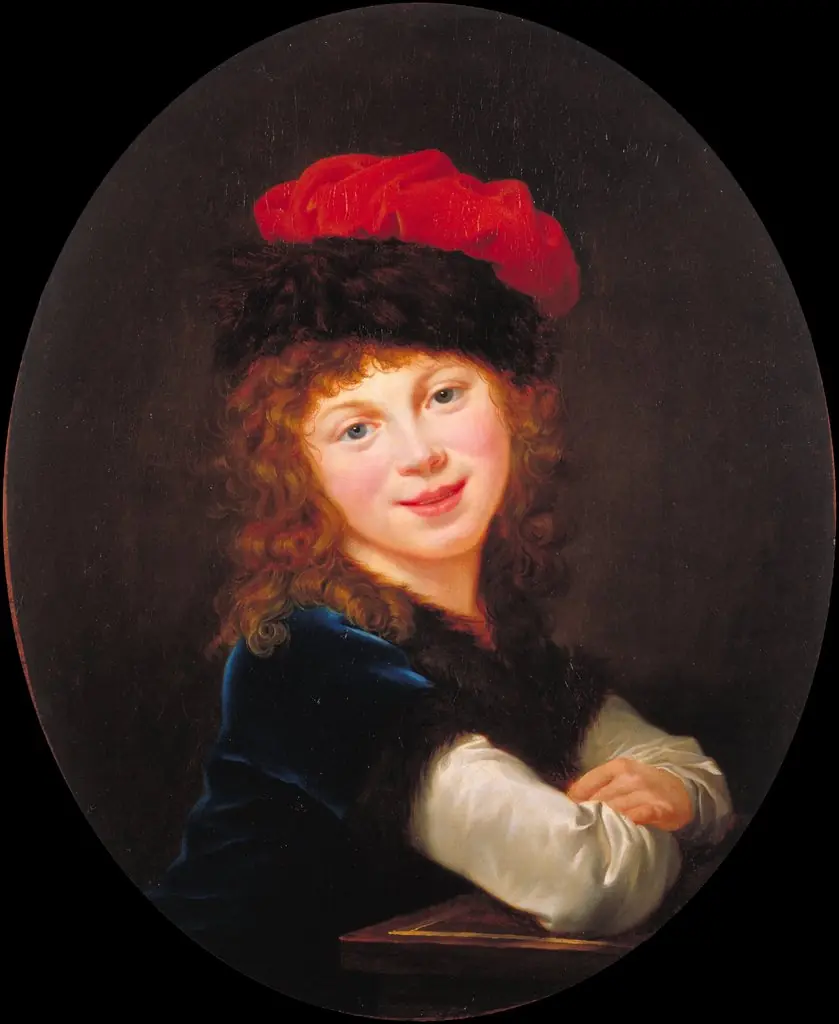
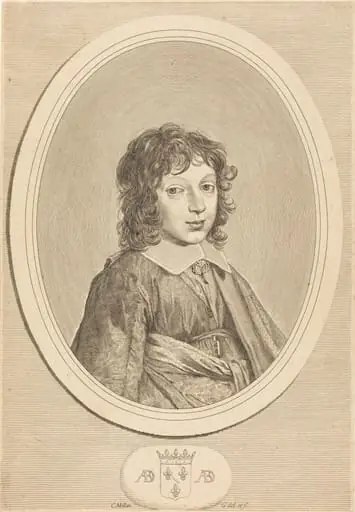
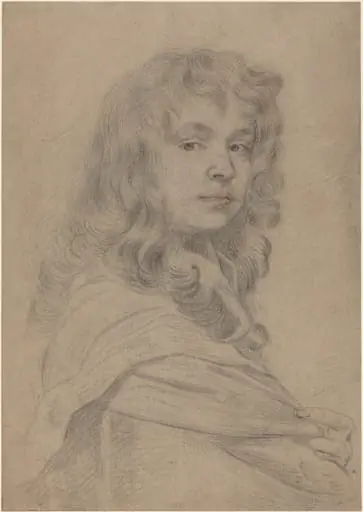
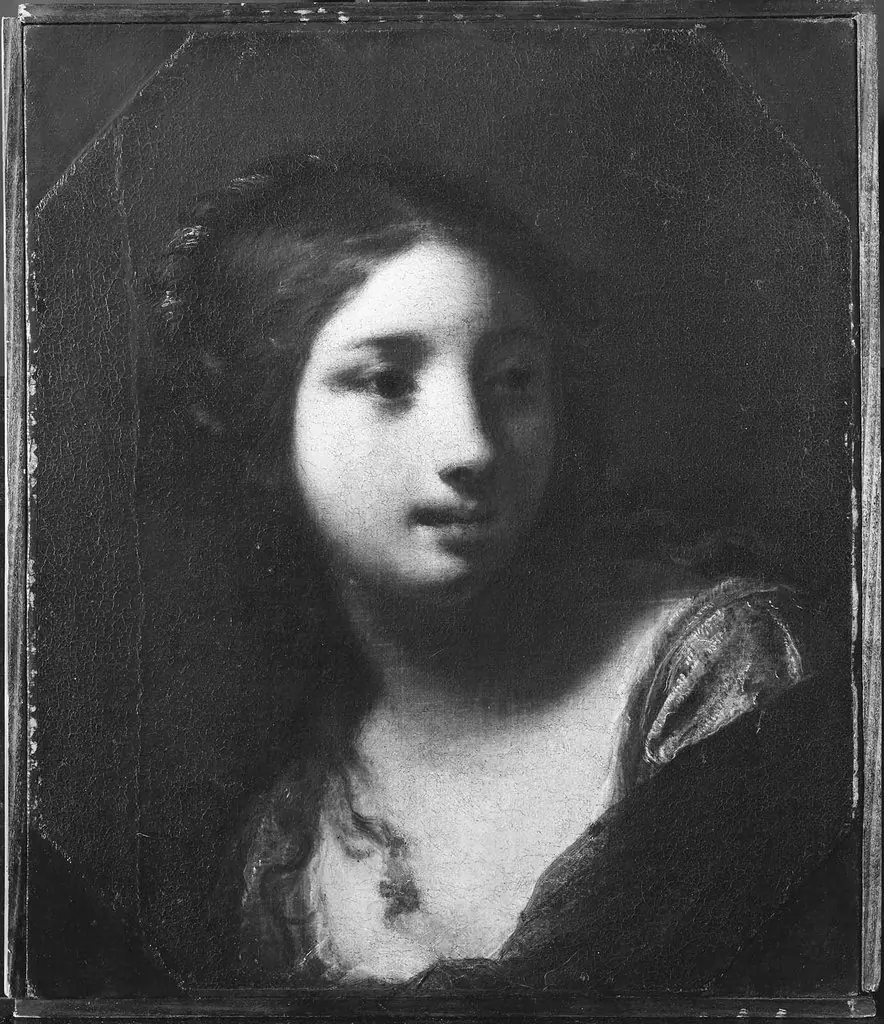
This portrait depicts a young man in a dark, high-collared jacket, rendered against a deep, unbroken background. His long, curly hair and downward gaze contribute to a quiet, inward atmosphere. The lighting isolates his face with precision, emphasizing texture and form without embellishment. Though unsigned and undated, the work is attributed to a Northern Renaissance artist and resides in the Alte Pinakothek in Munich.
Subject & Meaning
The identity of the sitter remains uncertain, though the dignified posture and refined attire suggest a person of modest social standing, possibly a scholar or artisan. His averted gaze and stillness evoke introspection rather than engagement, inviting contemplation rather than narrative. The absence of symbols or context reinforces a focus on inner life, characteristic of early portraiture seeking psychological depth.
Technique & Style
The artist employs fine brushwork to define facial features and the texture of fabric, with subtle gradations of tone modeling the cheeks and collar. The dark background enhances the three-dimensionality of the figure, a technique common in 16th-century Northern European portraiture. There is no visible brushstroke excess; the execution is restrained, prioritizing clarity and emotional resonance over ornamentation.
History & Provenance
The painting entered the collection of the Alte Pinakothek in the 19th century, likely acquired as part of a broader consolidation of German and Netherlandish works. Its attribution has been debated, with some scholars linking it to artists active in the Rhineland or southern Germany. No documentation confirms its original commission or ownership prior to its museum acquisition.
Context
Created during a period when secular portraiture expanded beyond nobility to include educated middle classes, this work reflects a growing interest in individual identity. Unlike religious imagery, it offers no divine reference, instead presenting the human subject as worthy of quiet observation. Similar portraits from the era emphasize psychological presence over social status.
Legacy
Though not widely reproduced or publicly celebrated, the painting contributes to the understanding of early modern portraiture’s shift toward psychological nuance. Its quiet intensity aligns with a broader Northern European tradition that valued subtlety and restraint. It remains a quiet example of how simplicity in composition could convey depth of character without narrative or symbolism.
Artist & collection

 Domestic Scene
 Giacomo and Cardinal Marco, investing Andrea, Abbot of San Zeno, with his Benefice
 The Nymph of Fontainebleau
 Portrait of a Woman
 Madonna and Child with Saints in the Enclosed Garden
 Venus and Minerva
 Family Group of Four on Sofa
 Wall painting from Room H of the Villa of P. Fannius Synistor at Boscoreale