Artwork
Ein Botaniker
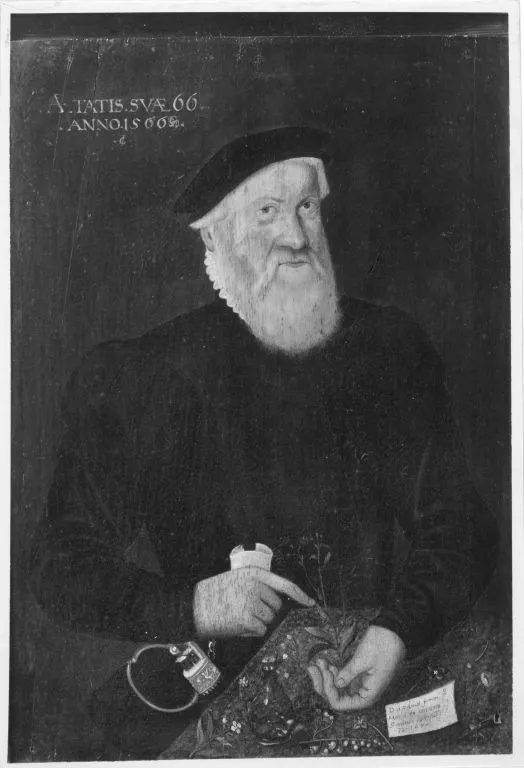
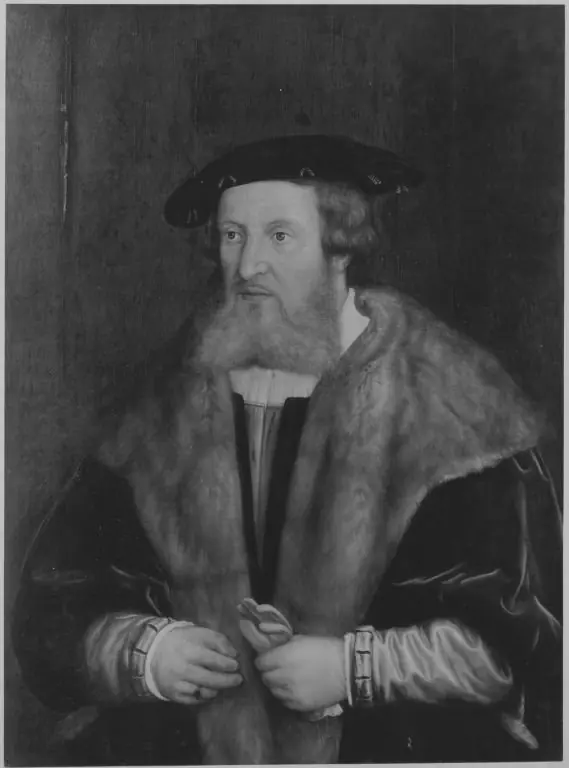
Ein Botaniker is an unspecified painting by Unknown. It dates from 1566 and is held in the collection of the Bavarian State Painting Collections. This portrait presents a middle-aged or elderly man in a dimly lit interior, rendered with intense focus on his facial features and hands.
About this work
Overview
The lighting, sharply contrasted and directional, models his form with precision, a hallmark of early 17th-century Northern European portraiture.
This portrait presents a middle-aged or elderly man in a dimly lit interior, rendered with intense focus on his facial features and hands. The dark, unadorned background isolates the figure, emphasizing his presence. The lighting, sharply contrasted and directional, models his form with precision, a hallmark of early 17th-century Northern European portraiture. The work is cataloged in the Alte Pinakothek in Munich.
Subject & Meaning
The figure, identified as a botanist by title, is depicted not in a laboratory but in quiet contemplation. His serious gaze and restrained posture suggest intellectual gravity rather than active study. The small object in his hand—possibly a plant specimen or scientific tool—hints at his profession without overt symbolism. The somber tone conveys dignity and introspection, aligning with scholarly ideals of the period.
Technique & Style
The artist employs chiaroscuro to model the face and hands with sculptural clarity, using deep shadows to define contours and highlight texture. The dark robe and beret absorb light, while the skin and the object in the hand catch subtle highlights. Brushwork is controlled and precise, avoiding flourish; the fabric beneath the left hand is rendered with soft, muted tones to ground the composition without distraction.
History & Provenance
The painting entered the collection of the Alte Pinakothek in the 19th century, likely acquired as part of a broader effort to consolidate German and Flemish portraiture. Its attribution to a specific artist remains uncertain, though stylistic elements suggest a Northern European origin, possibly Dutch or German, from the early 1600s. No documented commission or original owner is recorded.
Context
During the early 17th century, portraits of scholars and naturalists became more common, reflecting growing interest in empirical science. Unlike formal civic portraits, these works often emphasized quiet authority and personal demeanor. This painting aligns with that trend, presenting the botanist not as a public figure but as a private thinker, consistent with the era’s reverence for learned solitude.
Legacy
The painting contributes to a broader visual record of early modern scientific identity, where portraiture served to affirm intellectual stature through restraint and realism. Though not widely reproduced or celebrated in popular culture, it remains a quiet example of how art captured the dignity of scholarly life during a period of expanding natural inquiry.
Artist & collection

 Domestic Scene
 Giacomo and Cardinal Marco, investing Andrea, Abbot of San Zeno, with his Benefice
 The Nymph of Fontainebleau
 Portrait of a Woman
 Madonna and Child with Saints in the Enclosed Garden
 Venus and Minerva
 Family Group of Four on Sofa
 Wall painting from Room H of the Villa of P. Fannius Synistor at Boscoreale
 Bildnis eines Mannes im Alter von 66 Jahren
 Portrait of Elector Ludwig V von der Pfalz, the Peacefull
 Self portrait
 Portrait of a Man
 Portrait of Wilhelm Kannengiesser
 Herzog Anton der Gute von Lothringen (?)
 Bildnis eines alten Mannes
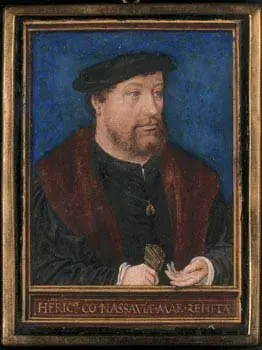 Portrait of Henry III, Count of Nassau-Breda
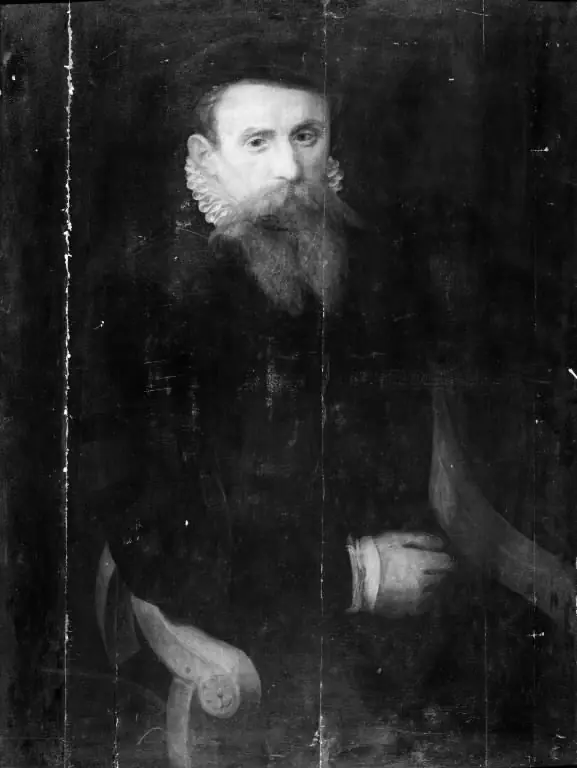 Portrait of a Man
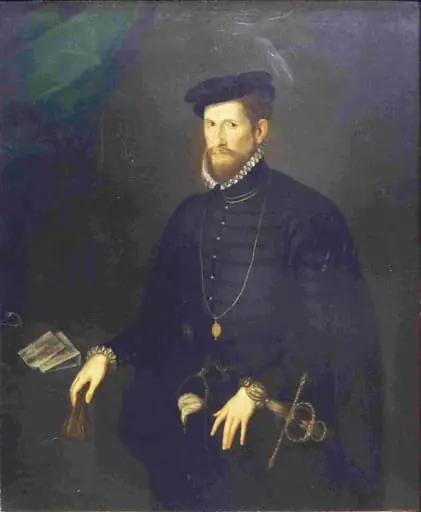 Portretul lui Nicholas Throckmorton
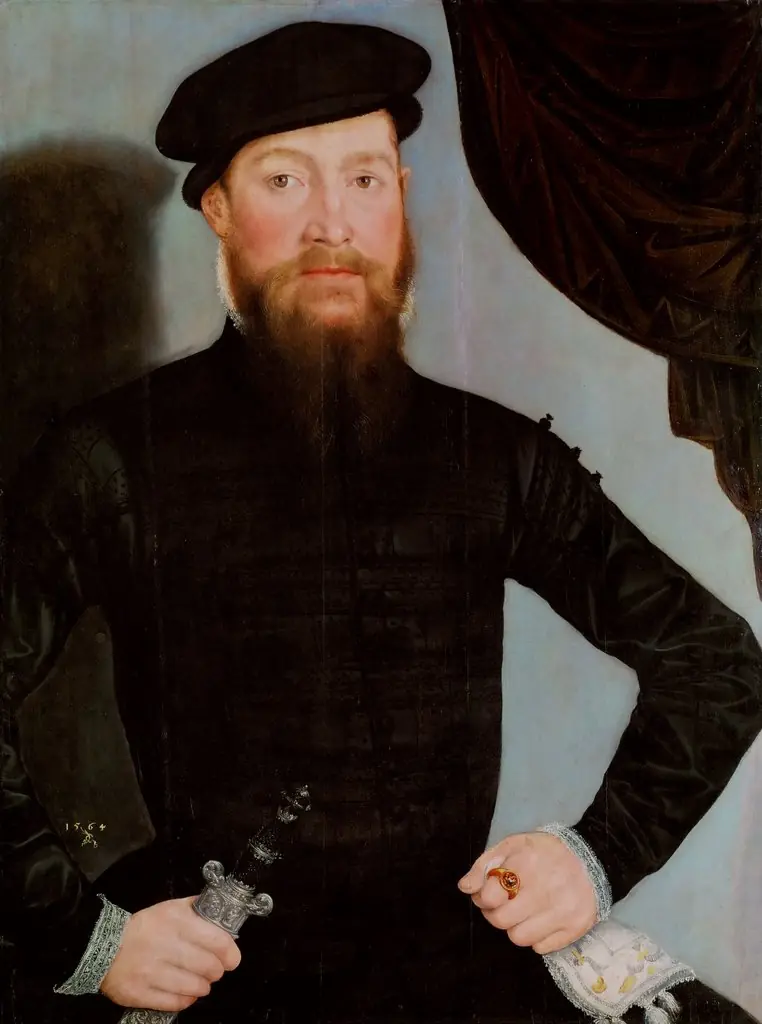 Male Portrait
 Kurfürsten Friedrich II. der Weise, Pfalzgraf bei Rhein