Artwork
Portrait of Henry III, Count of Nassau-Breda
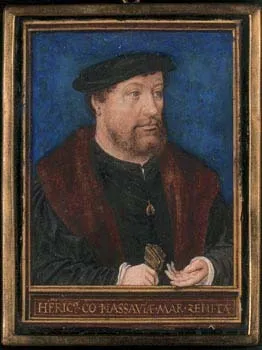
Portrait of Henry III, Count of Nassau-Breda is an unspecified painting by the Northern Renaissance artist Simon Bening. It dates from 1531 and is held in the collection of the Gemäldegalerie Berlin. Created in 1531, this portrait presents Henry III, Count of Nassau‑Breda, in a restrained yet dignified pose.
About this work
Overview
The work exemplifies the Northern Renaissance’s focus on precise detail and sober coloration, and it is currently displayed in Berlin’s Gemäldegalerie.
Created in 1531, this portrait presents Henry III, Count of Nassau‑Breda, in a restrained yet dignified pose. The sitter wears a dark coat over a richly patterned red vest, a black hat, and holds a feather quill, set against a deep blue background. The work exemplifies the Northern Renaissance’s focus on precise detail and sober coloration, and it is currently displayed in Berlin’s Gemäldegalerie.
Subject & Meaning
The painting records the likeness of Henry III, a prominent noble of the early sixteenth‑century Low Countries. His attire and the inclusion of a writing implement suggest both his status and his administrative role, while the subdued palette conveys a formal, courtly bearing typical of aristocratic portraiture of the period.
Technique & Style
Executed by Simon Bening, a leading Flemish miniaturist, the portrait combines the fine brushwork of manuscript illumination with the broader strokes of panel painting. The intricate embroidery on the vest and the delicate rendering of the quill demonstrate Bening’s attention to texture, while the restrained colour scheme reflects the Northern Renaissance’s emphasis on realism over flamboyance.
History & Provenance
Simon Bening, born circa 1483 in Ghent or Antwerp and trained in his father’s workshop, settled in Bruges where he joined the Guild of Saint John and Saint Luke in 1508. After its creation, the portrait entered various private collections before being acquired by the Gemäldegalerie in Berlin, where it remains part of the museum’s Netherlandish holdings.
Context
The work belongs to the later phase of the Netherlandish artistic tradition, a period when portraiture began to serve both personal commemoration and political representation. Bening’s painting reflects the transition from the intimate scale of illuminated manuscripts to larger panel formats, aligning with contemporary trends among the European aristocracy to assert identity through refined visual means.
Artist & collection
Artist
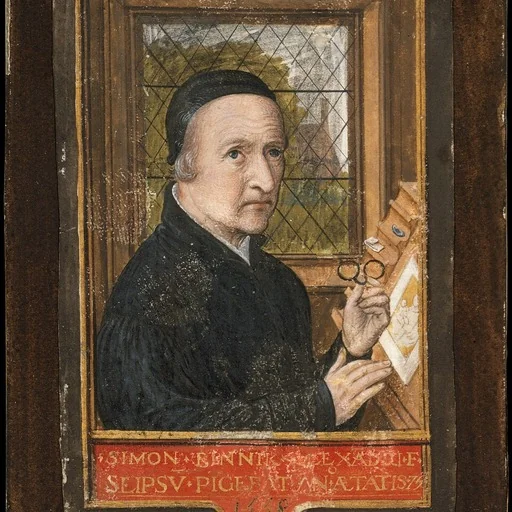
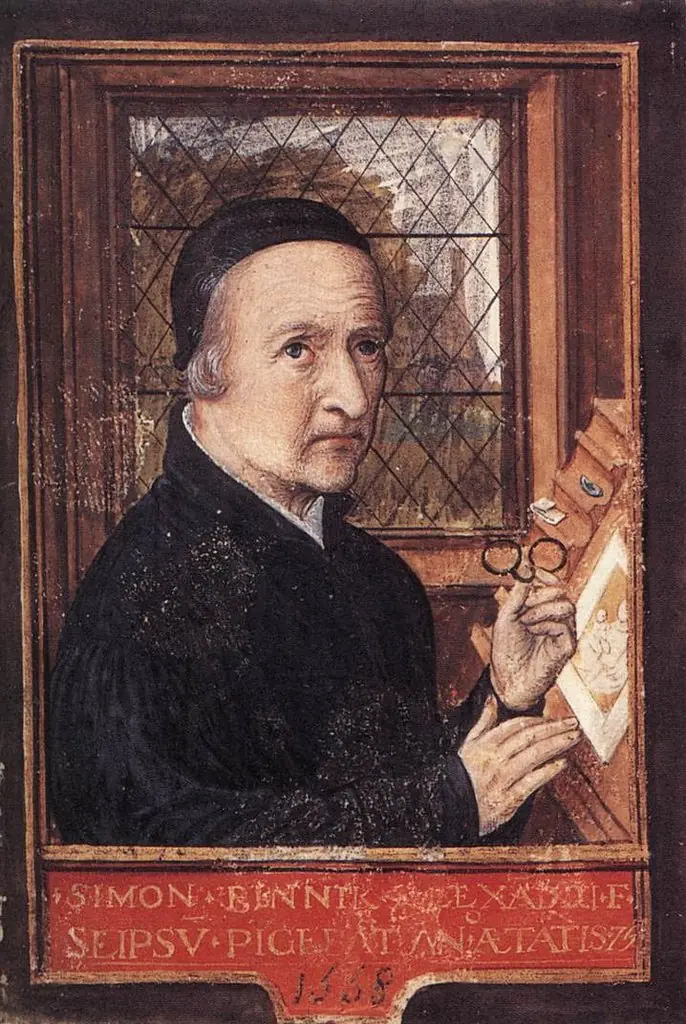
Simon Bening (c. 1483 – 1561) was a Flemish miniaturist, generally regarded as the last major artist of the Netherlandish tradition. Bening, born either in Ghent or Antwerp, was probably trained by his father,…

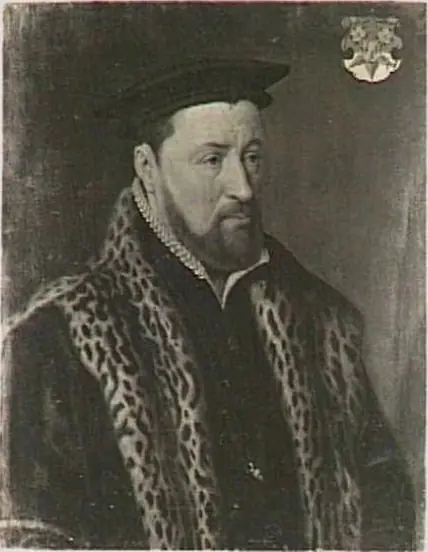 Portrait of Adriaan van Blyenburg (1510-1573)
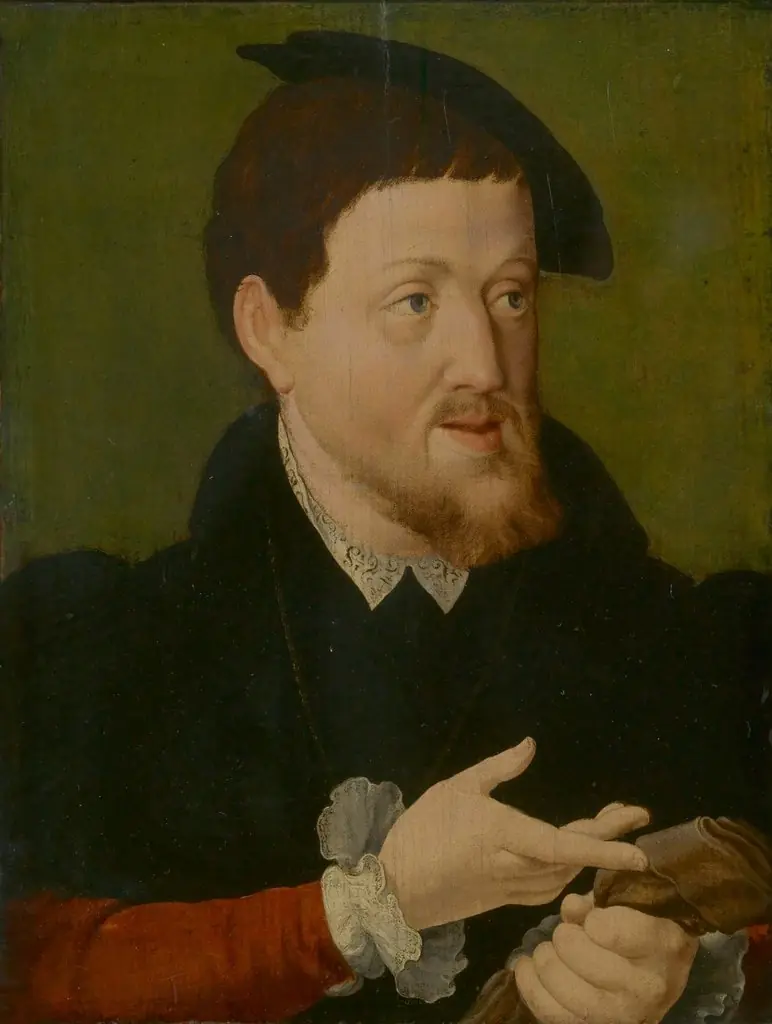 Portrait of emperor Charles V
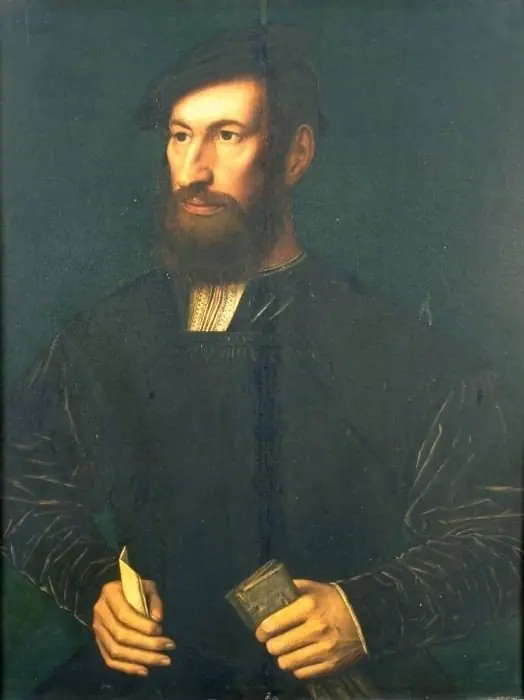 Portrait of a man holding a letter in his hand
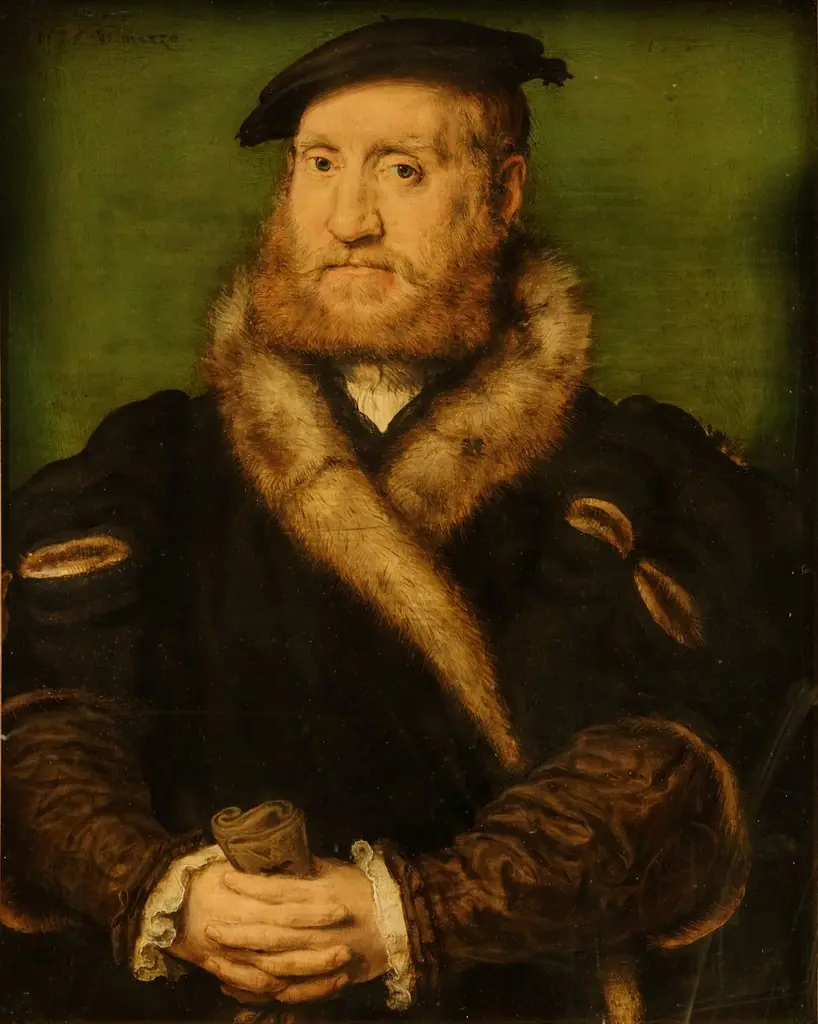 Bearded Man in a Fur Coat
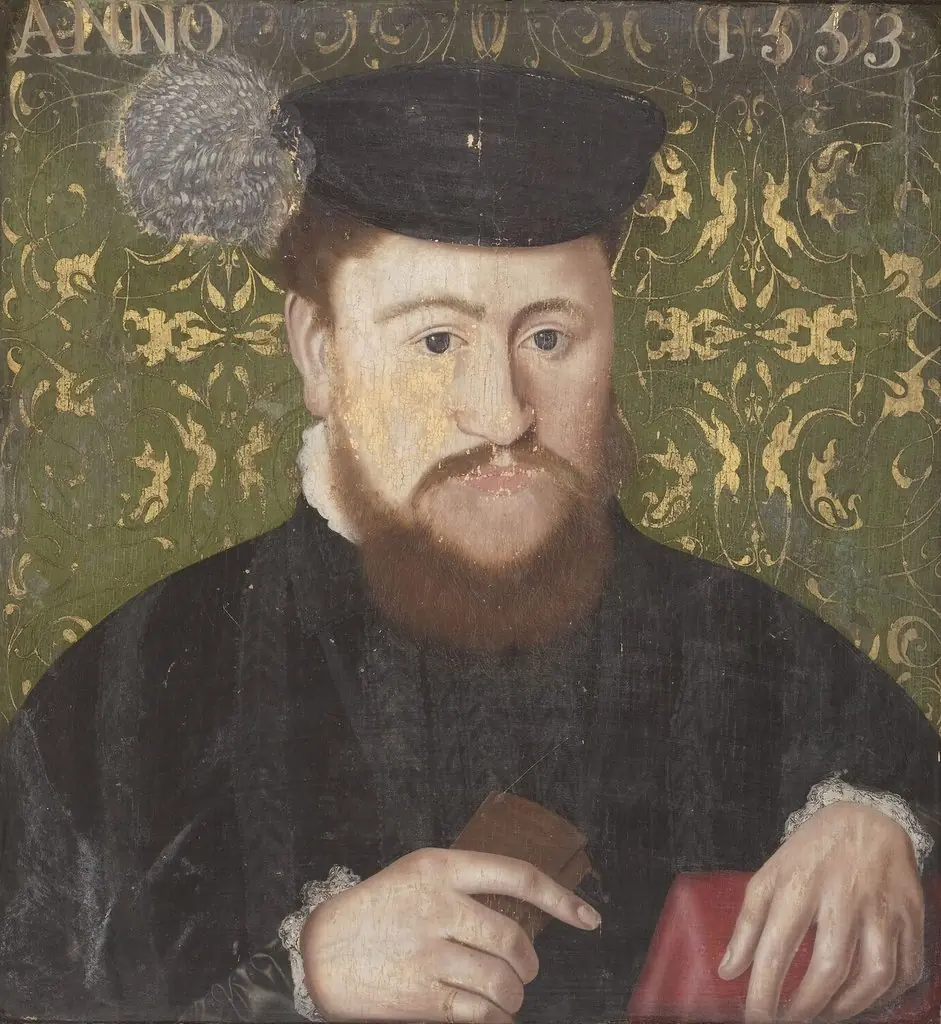 Louis III de La Trémoille, duc de Thouars (1521-1577)
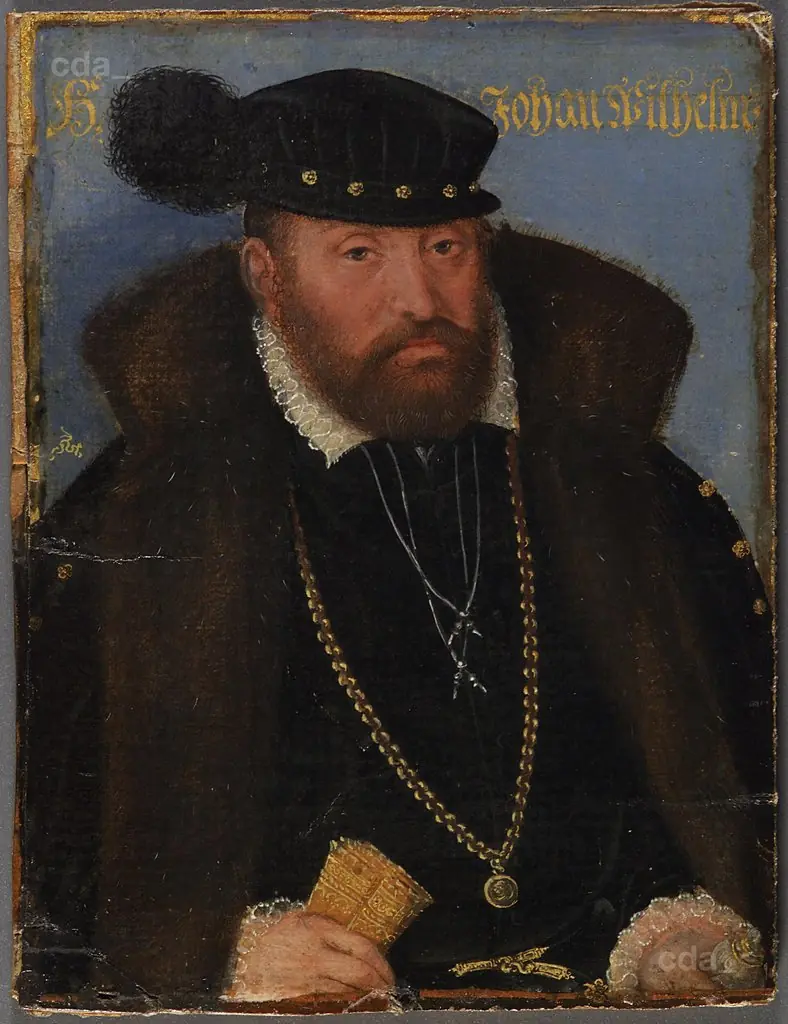 Johann Wilhelm, Duke of Saxe-Weimar, son of Johann Friedrich I., died 1573
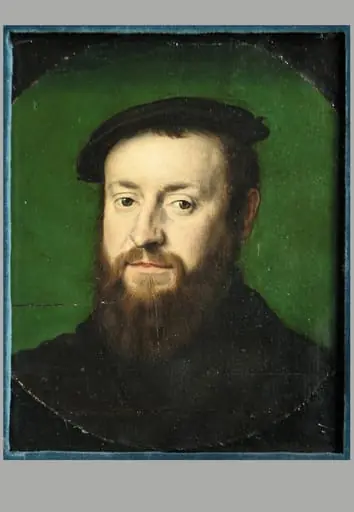 Bărbat cu barbă brună
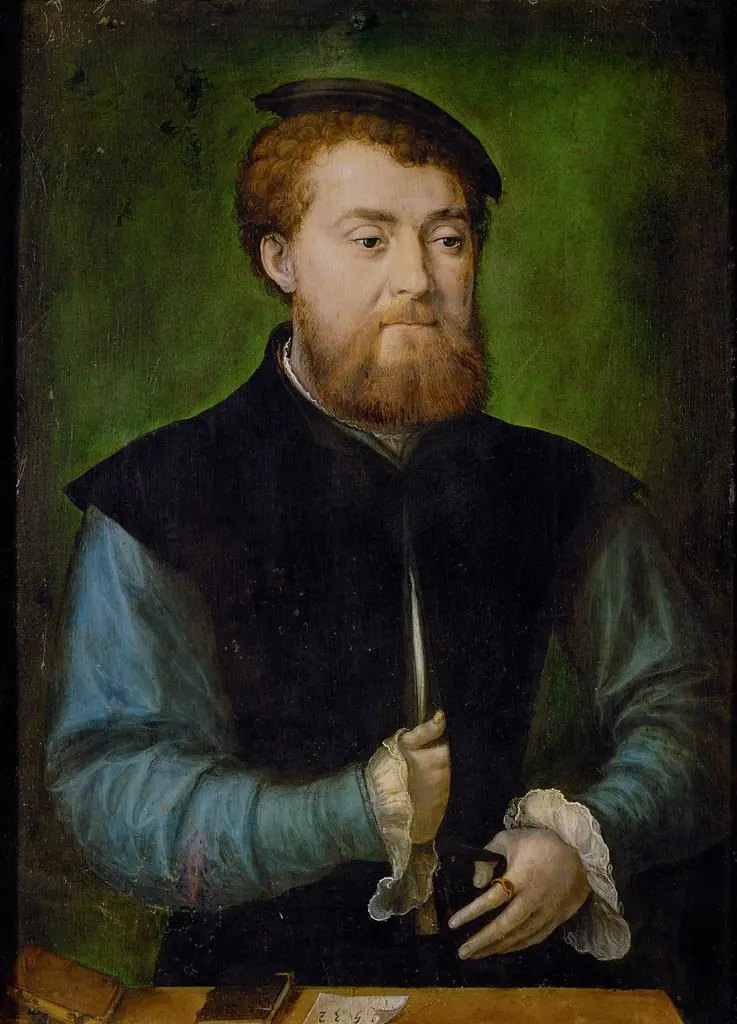 Bärtiger Mann in schwarzem Wams mit blauen Ärmeln
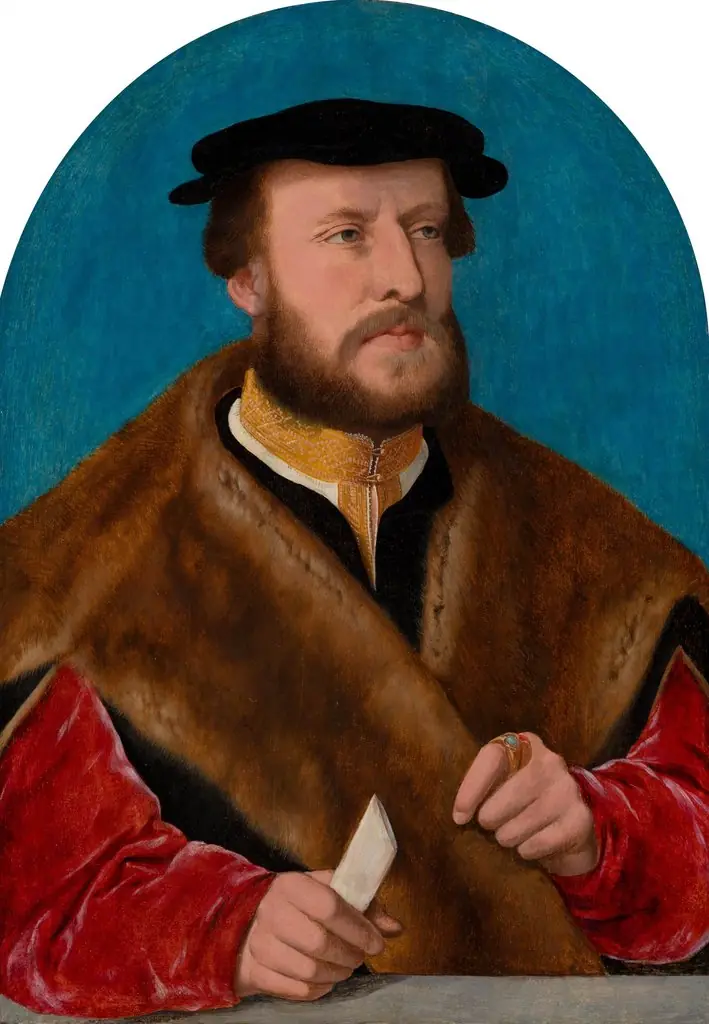 Portrait of Jakob Omphalius
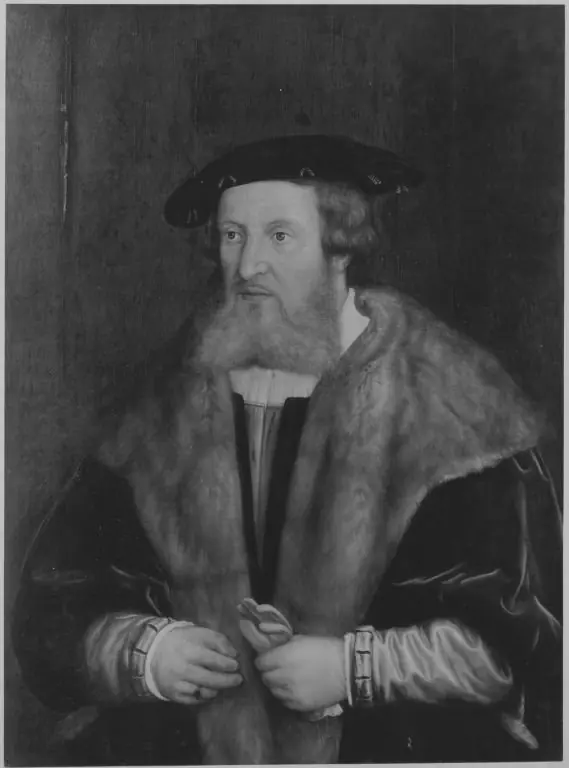 Kurfürsten Friedrich II. der Weise, Pfalzgraf bei Rhein
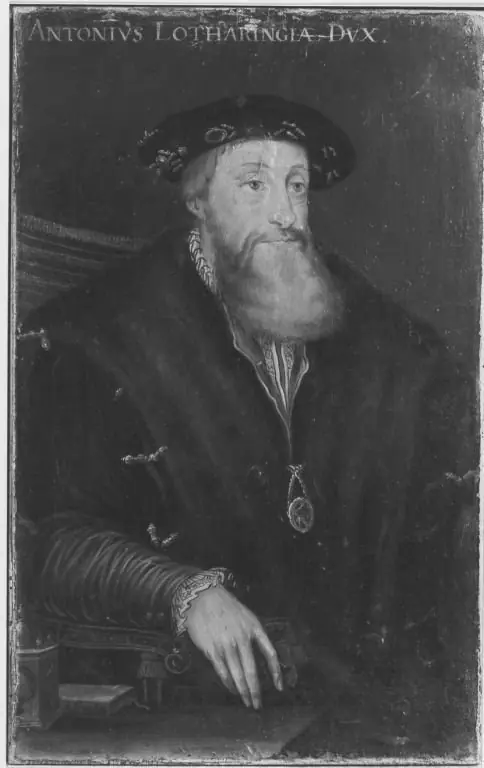 Herzog Anton der Gute von Lothringen (?)
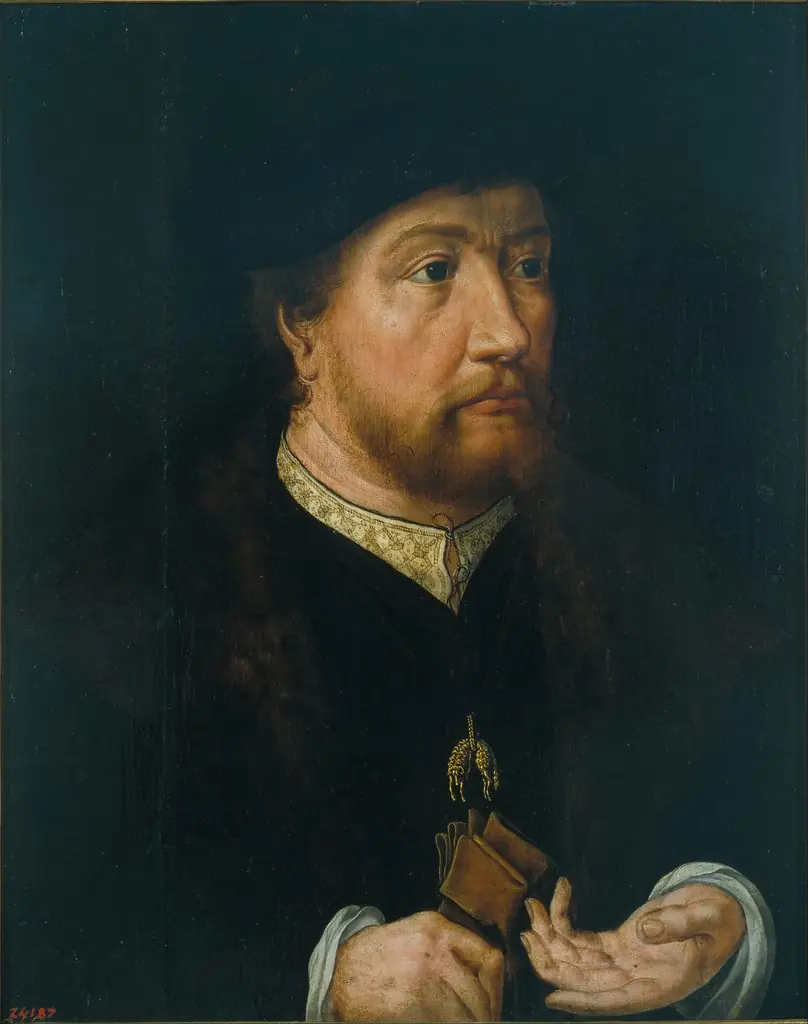 Portrait of Henry III, Count of Nassau