Artwork
Samuel Verplanck
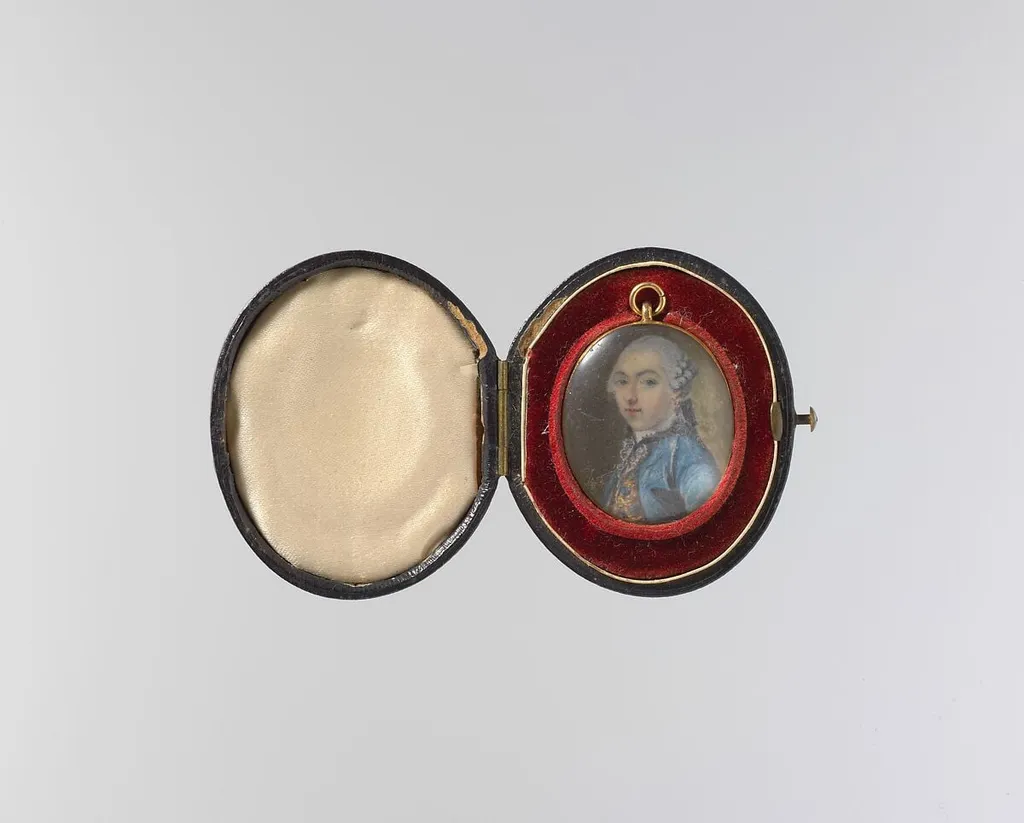
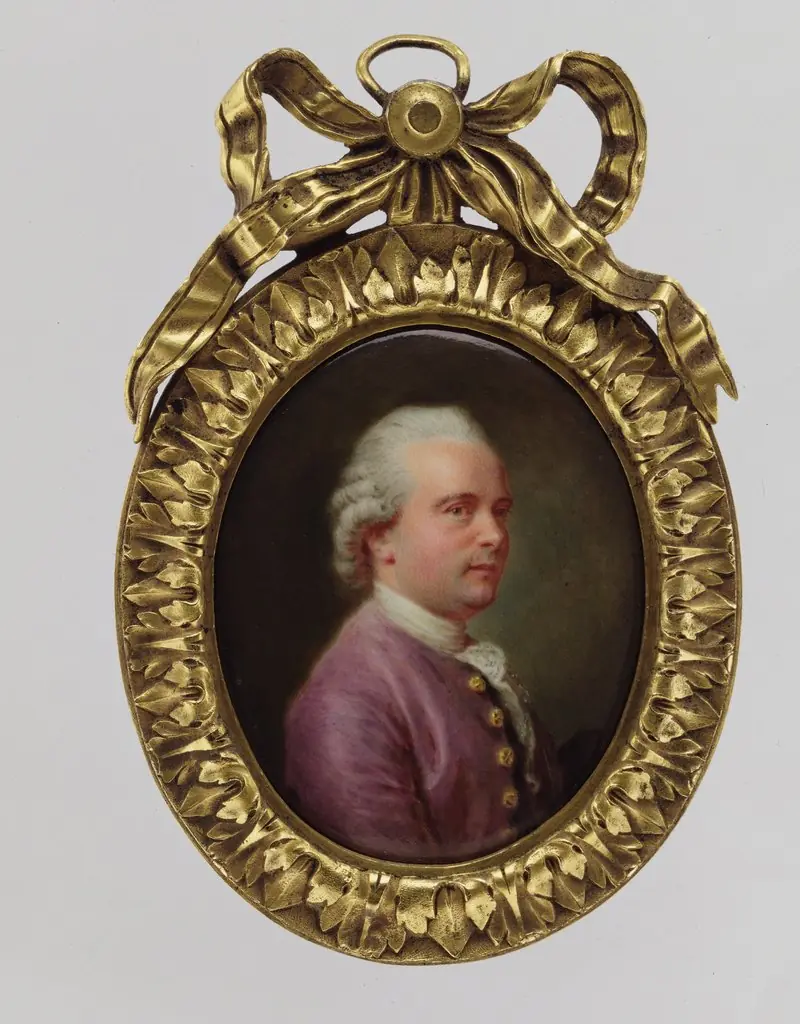
Samuel Verplanck is a watercolor painting. It dates from 1760 and is held in the collection of the Metropolitan Museum of Art.
About this work
Overview
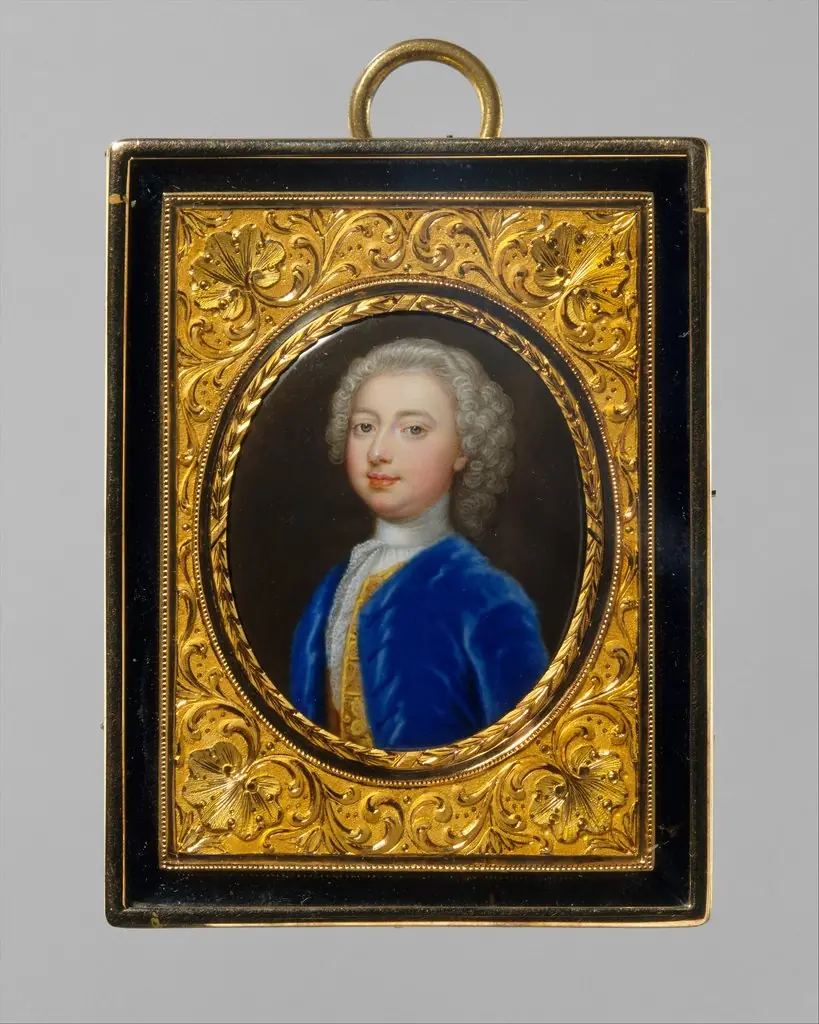
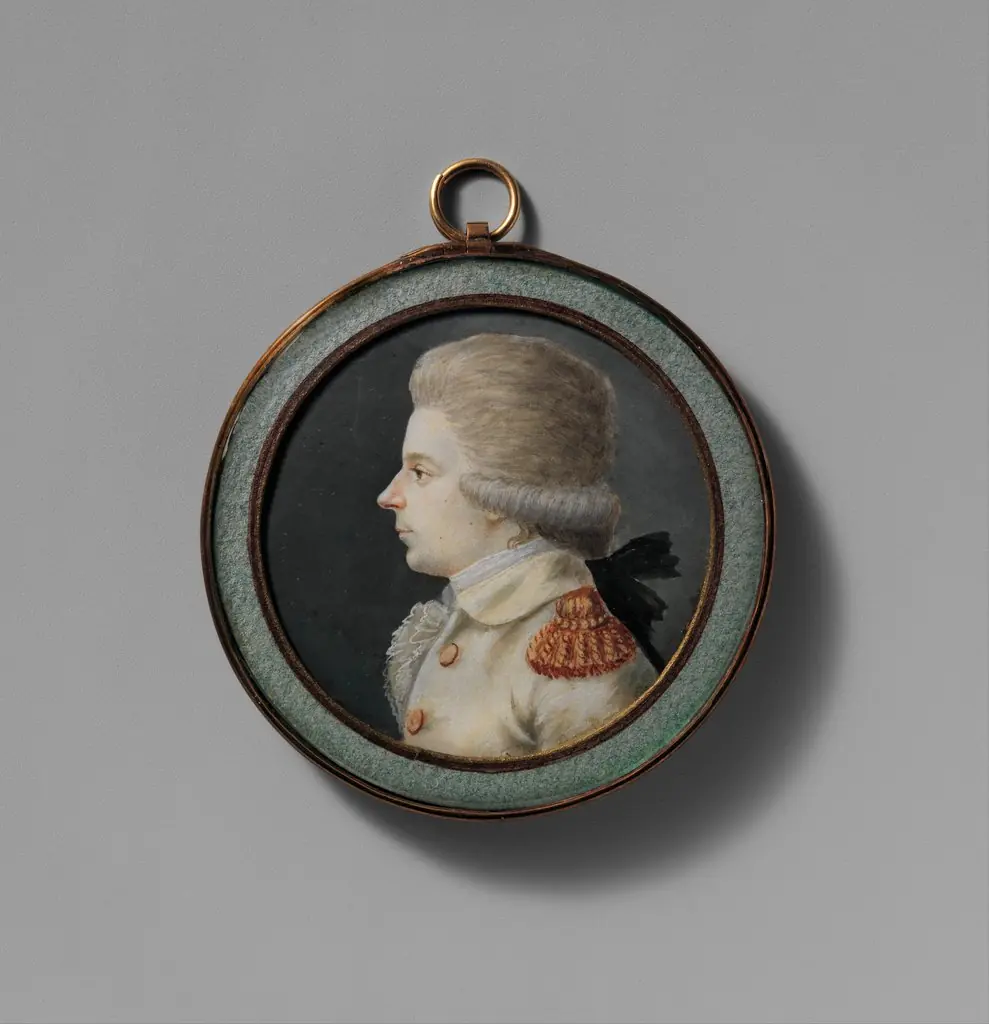
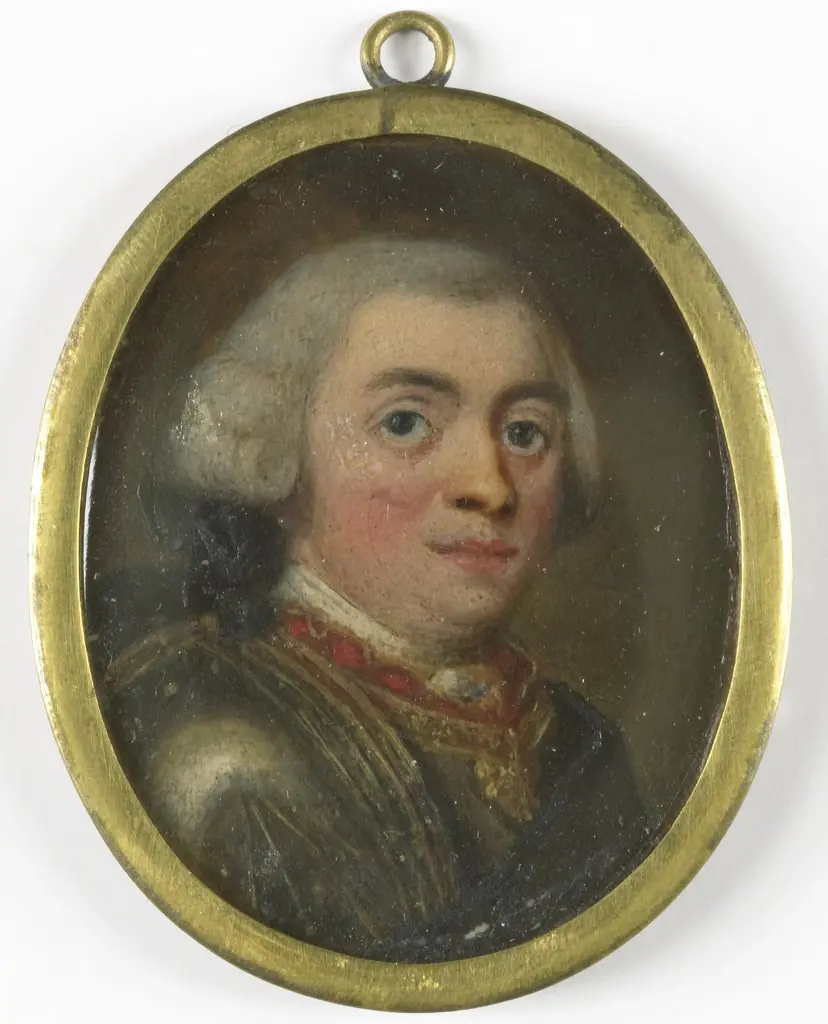
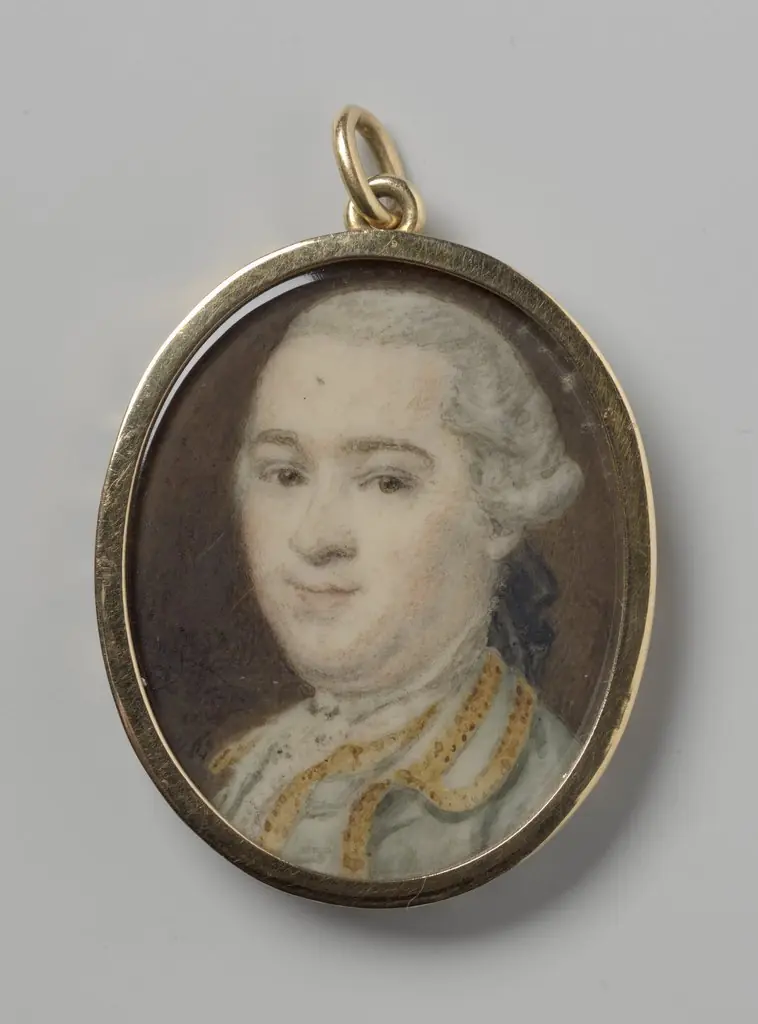
This miniature portrait depicts Samuel Verplanck, rendered in watercolor on a small piece of ivory. Encased within a gold locket, the artwork served as a personal keepsake during the 18th century. It captures Verplanck in a red coat with a powdered wig, showcasing the meticulous detail characteristic of this intimate art form. The piece is part of The American Wing collection.
Subject & Meaning
Samuel Verplanck is presented with a calm demeanor, his features finely articulated, including the precise stitching of his collar and the texture of his powdered wig. These miniature portraits were highly personal objects, often carried by individuals as mementos of loved ones, akin to modern photographs. Their small scale and precious materials underscored their intimate value.
Technique & Style
The artist employed watercolor on a thin slice of ivory, a common support for miniatures due to its smooth, luminous surface. Through a technique known as glazing, thin, translucent layers of paint were carefully applied. This method allowed the colors to build depth while preserving the inherent glow of the ivory beneath, contributing to the portrait's delicate and refined appearance.
Context
They were frequently worn or carried in pockets, serving as tangible reminders of family members or close acquaintances.
During the 1700s, miniature portraits like that of Samuel Verplanck functioned as portable, cherished possessions. They were frequently worn or carried in pockets, serving as tangible reminders of family members or close acquaintances. This practice highlights a period before photography, when such finely detailed, intimate artworks were the primary means of personal visual remembrance and connection.
Artist & collection