Artwork
Scenic Spots of Jiangtian Temple on Jinshan, Built by Imperial Command
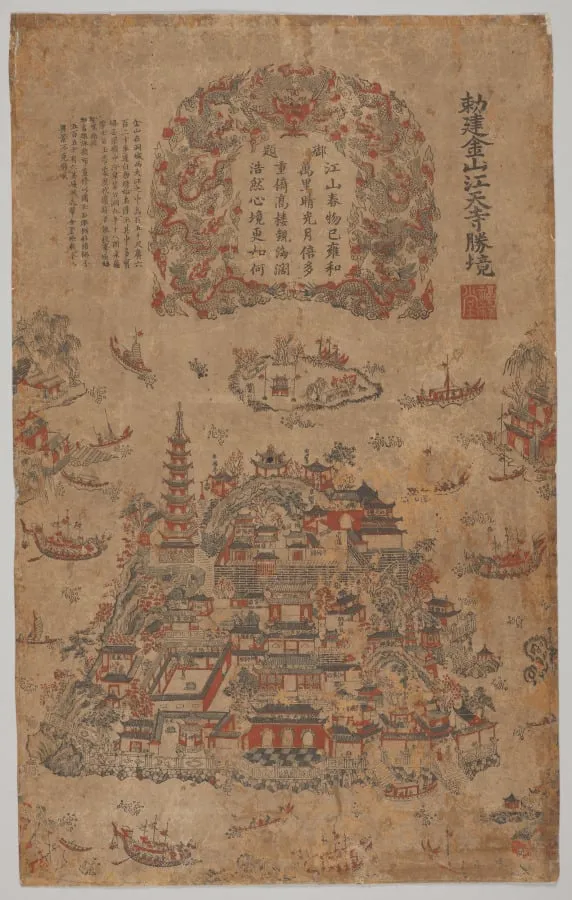
Scenic Spots of Jiangtian Temple on Jinshan, Built by Imperial Command is a print by the Baroque artist Unknown. It dates from 1692 and is held in the collection of the Cleveland Museum of Art.
About this work
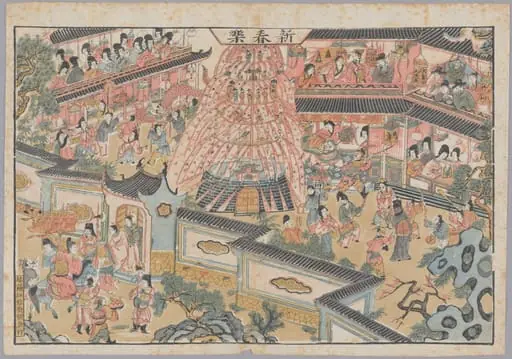
You see a busy temple complex perched on a rocky hill, with tiny figures climbing stairs, crossing bridges, and praying under red roofs.
You see a busy temple complex perched on a rocky hill, with tiny figures climbing stairs, crossing bridges, and praying under red roofs.
This painting was made as a souvenir for wealthy visitors during the Kangxi emperor’s reign. It’s not a quiet sketch—it’s a colorful print meant to be hung at home, like a postcard you could frame. The artist packed in every famous spot, almost like a tourist map.
Look up more works from the Qing dynasty (1644–1911) to see how artists turned real places into keepsakes.
Overview
Scenic Spots of Jiangtian Temple on Jinshan, Built by Imperial Command is a 17th-century Chinese print depicting a bustling temple complex on a rocky hill, teeming with activity. Created during the Kangxi emperor’s reign, this colorful work was designed for display in wealthy households.
Subject & Meaning
The print showcases Jiangtian Temple on Jinshan, highlighting its famous spots in a crowded, detailed composition. Intended as a souvenir, it captures the temple’s appeal for visitors, conveying the site’s religious and scenic significance.
Technique & Style
Executed in color print, the work reflects the evolution of Jiangnan printing, transitioning from illustrated books to single-sheet, commercially viable pieces for domestic display. The style is characterized by vibrant colors and meticulous detail, packing multiple scenes into one view.
History & Provenance
Commissioned by imperial command during the Kangxi emperor’s rule (1662–1722), within the broader Qing dynasty (1644–1911), the print’s origins tie to the flourishing print culture of Jiangnan cities like Nanjing and Suzhou.
Context
Part of a trend where real locations were artistically transformed into keepsakes, this print represents the Qing dynasty’s practice of capturing renowned sites in accessible, decorative forms for the affluent.
Legacy
This work contributes to the understanding of Qing dynasty art’s intersection with commercial and imperial interests. It also highlights the period’s visual culture, where prints like this became integral to urban home decor, reflecting the era’s blend of art, commerce, and patronage.
Artist & collection

 Domestic Scene
 Giacomo and Cardinal Marco, investing Andrea, Abbot of San Zeno, with his Benefice
 The Nymph of Fontainebleau
 Portrait of a Woman
 Madonna and Child with Saints in the Enclosed Garden
 Venus and Minerva
 Family Group of Four on Sofa
 Wall painting from Room H of the Villa of P. Fannius Synistor at Boscoreale
 明仇英虎邱圖 軸
 Forest Chamber Grotto at Juqu
 元 佚名 倣夏永 呂洞賓過岳陽樓 冊頁|明 佚名 呂洞賓過岳陽樓圖 冊頁|The Immortal Lü Dongbin Appearing over the Yueyang Pavilion
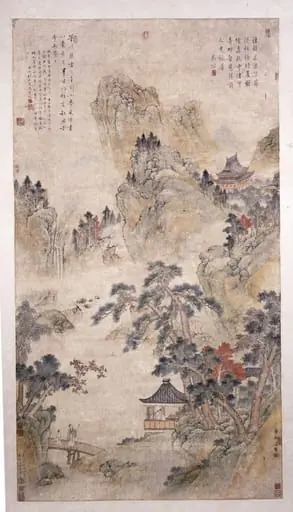 Visiting a friend in the mountains
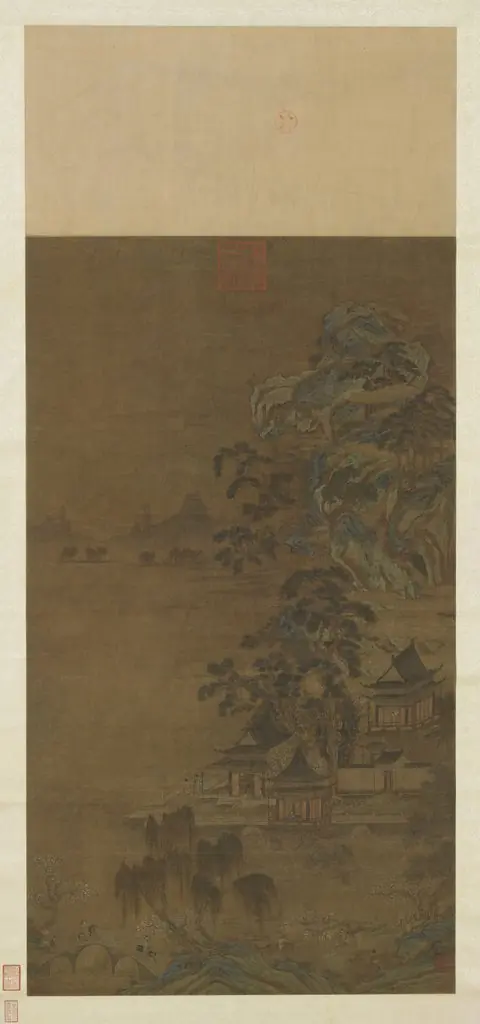 Riding to a Lakeside Pavilion
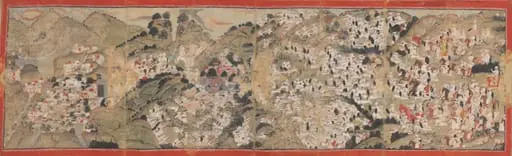 Raja Sansar Chand attacking Kangra Fort
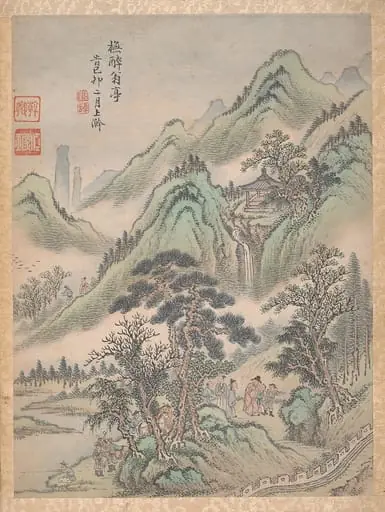 清 陸漢 山水八開 冊|Eight landscapes
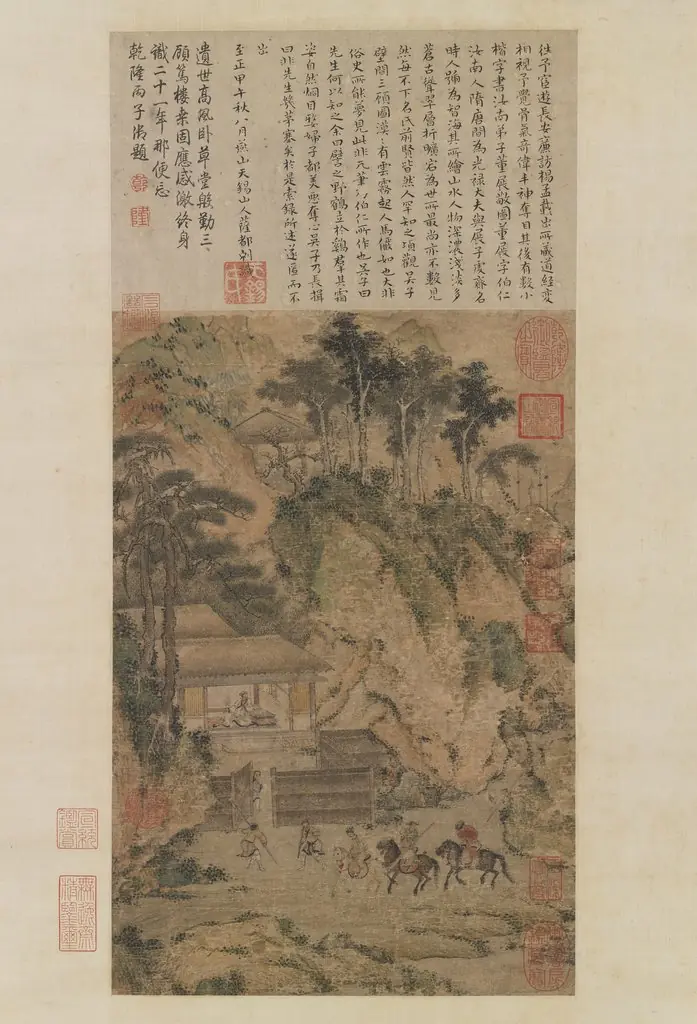 Three Visits to a Thatched Cottage
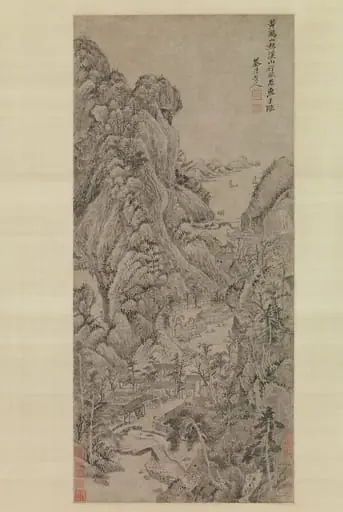 清 吳歷 倣王蒙溪山行旅圖 軸|Travelers among Streams and Mountains
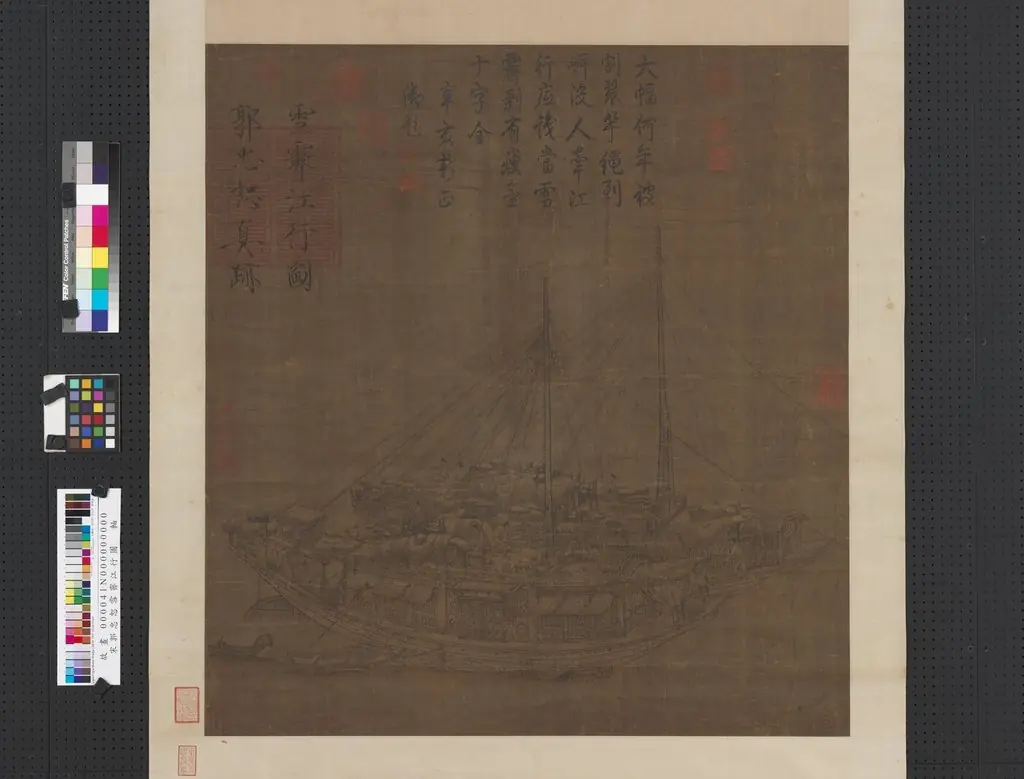 宋郭忠恕雪霽江行圖 軸
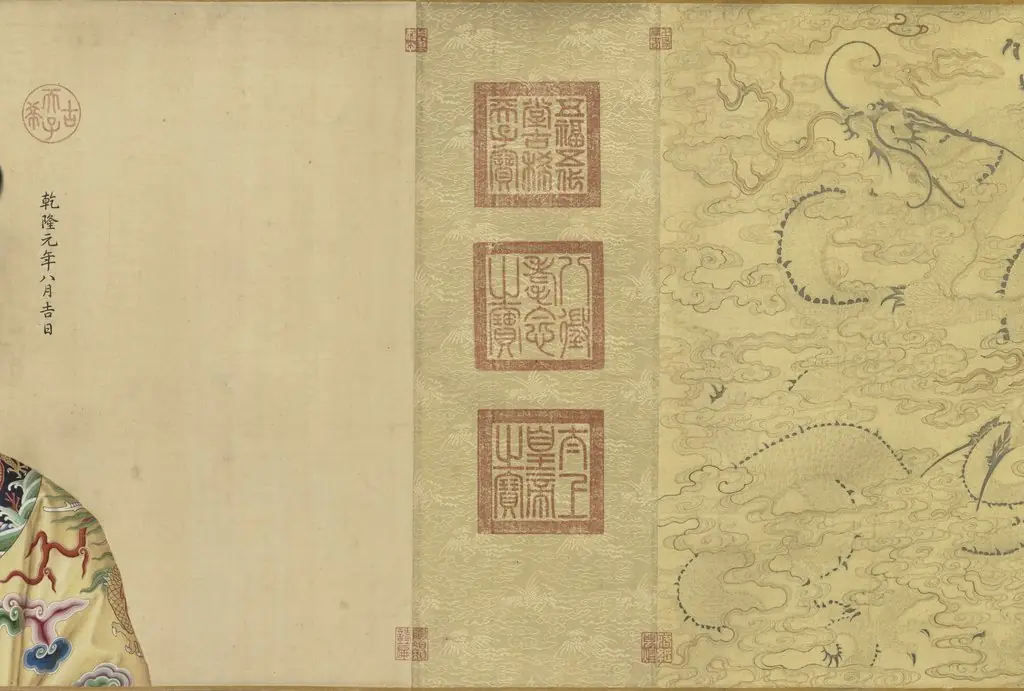 Portraits of the Qianlong Emperor and His Twelve Consorts
 Happy New Year