Artwork
白描印相図巻|Scroll of Mudras
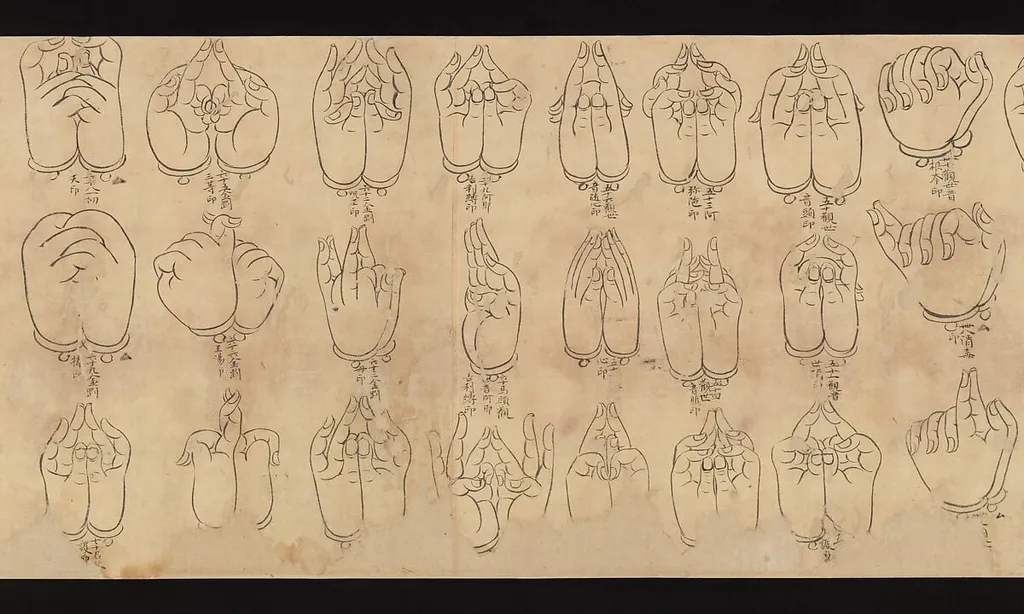
白描印相図巻|Scroll of Mudras is an ink painting. It dates from 1092 and is held in the collection of the Metropolitan Museum of Art. The Scroll of Mudras is a handscroll composed of ink on paper, presenting a series of rapid, unrefined sketches of hands.
About this work
Overview
The Scroll of Mudras is a handscroll composed of ink on paper, presenting a series of rapid, unrefined sketches of hands. Each figure is rendered from a slightly varied perspective, creating a sequential visual record akin to successive frames. The work’s informal quality, marked by visible line corrections and tremulous strokes, suggests a purpose beyond decorative display.
Subject & Meaning
The drawings depict a range of hand positions traditionally employed in Buddhist ritual, known as mudras. By isolating the gestures, the scroll functions as a visual guide to the precise formation of these symbolic movements, which convey specific spiritual meanings within monastic practice.
Technique & Style
Executed with swift ink lines, the artist allowed the drawing process to remain evident; stray marks and adjustments are left intact. This candid approach emphasizes the gestural nature of the study, prioritizing anatomical accuracy and the capture of motion over polished finish.
History & Provenance
Scholars have proposed that the scroll served as a teaching aid for Buddhist monks learning mudras, though its exact origin and creator remain unidentified. The piece survives as a rare example of instructional material from the period, offering insight into monastic training methods.
Context
Within the broader tradition of Buddhist visual pedagogy, the scroll aligns with other didactic artworks that convey ritual knowledge through illustration. Its focus on the human hand reflects a longstanding artistic interest in the anatomy and symbolic potential of this body part.
Artist & collection

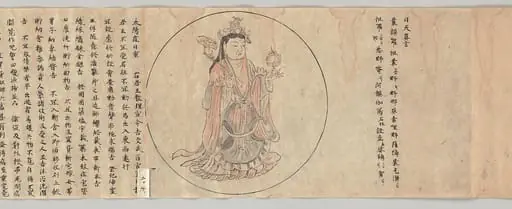
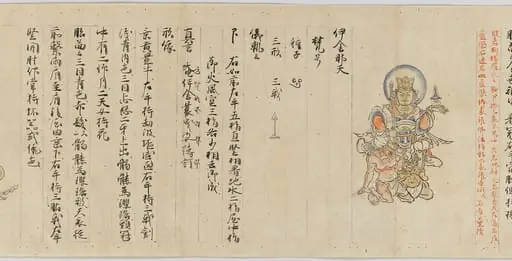
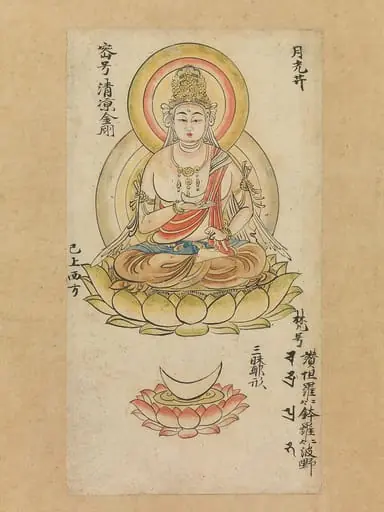 伝託磨為遠筆 月光菩薩像 「金胎仏画帖」断簡|Gakkō Bosatsu, from “Album of Buddhist Deities from the Diamond World and Womb World Mandalas” (“Kontai butsugajō”)
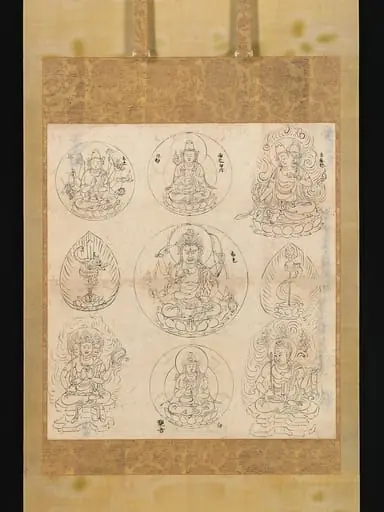 愛染曼荼羅図像 (Aizen mandara zuzō)|Iconographical Drawing of the Mandala of the Wisdom King Aizen
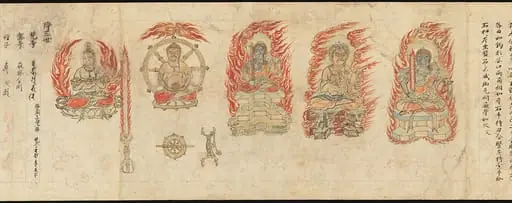 『図像抄』〈十巻抄〉明王部諸尊|Iconographic Drawings of the Five Kings of Wisdom (Myōō-bu shoson)
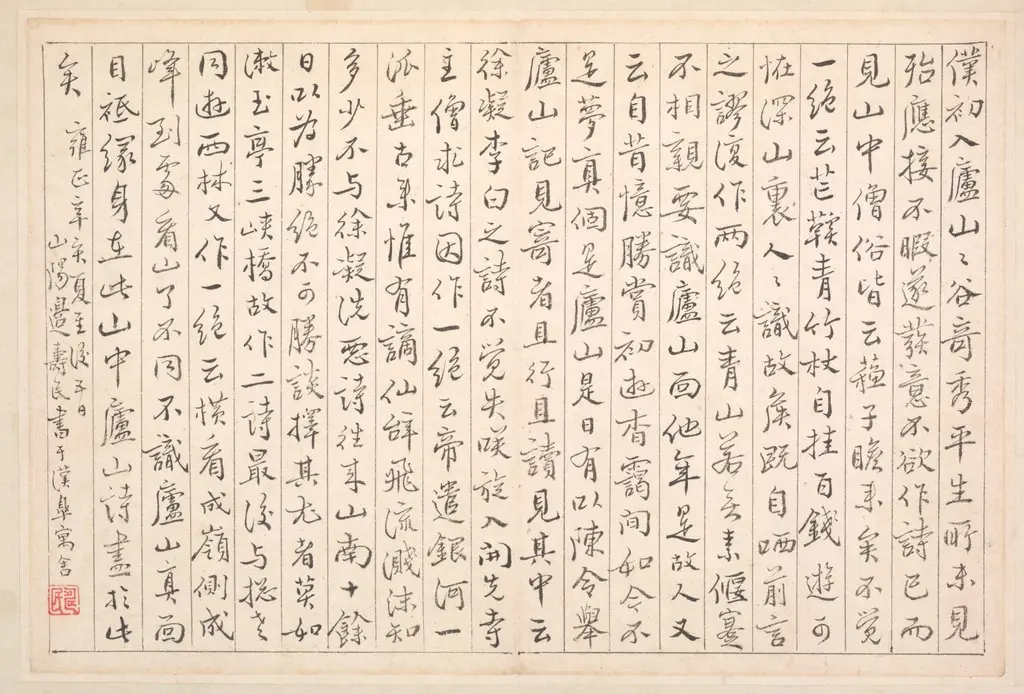 Album of Calligraphy and Paintings
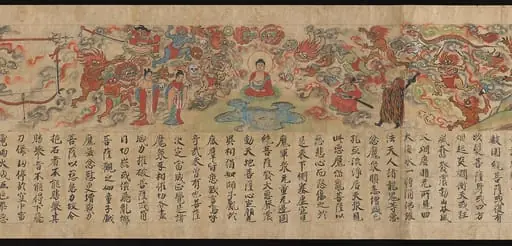 『過去現在絵因果経』 断簡 (松永本)|Scene from The Illustrated Sutra of Past and Present Karma (Kako genzai e-inga-kyō; Matsunaga Version)