Artwork
Shakyamuni under the Bodhi Tree
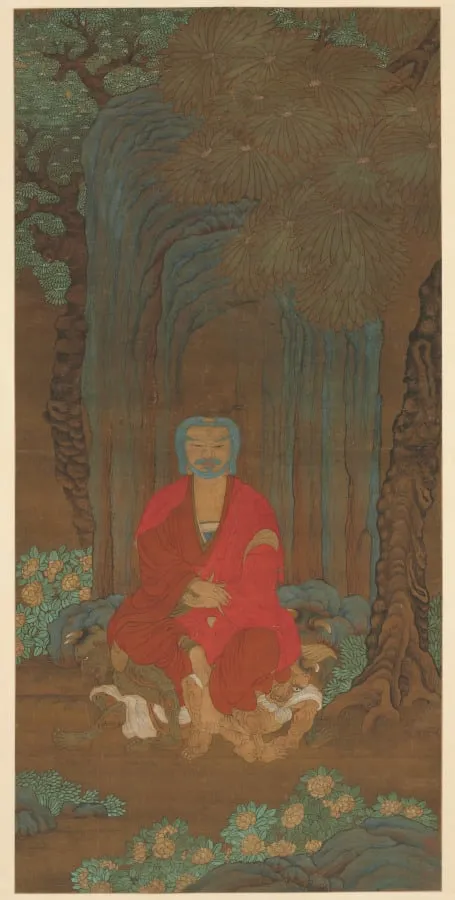
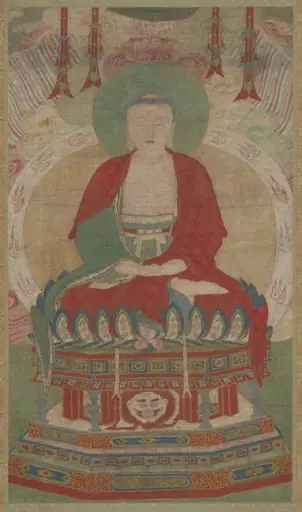
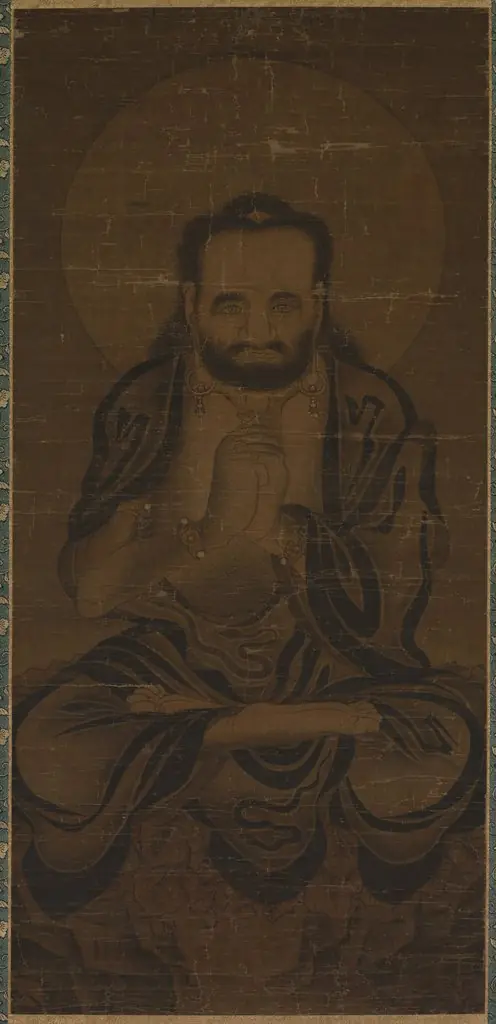
Shakyamuni under the Bodhi Tree is an unspecified painting by the Baroque artist Unknown. It dates from 1625 and is held in the collection of the Cleveland Museum of Art. The painting depicts the historical Buddha, Shakyamuni, seated in meditation beneath a leafy bodhi tree.
About this work
This painting comes from Ming China, where artists often mixed Buddhist stories with local ideas about good and evil.
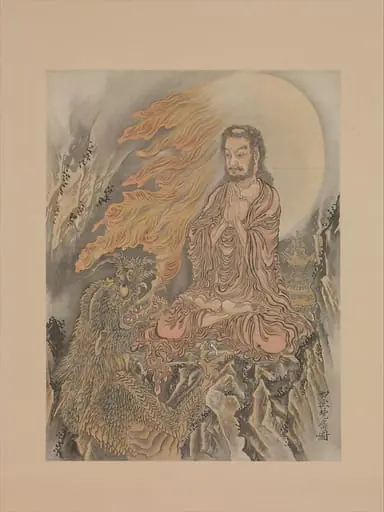
You see a golden Buddha sitting cross-legged on three horned demons under a leafy tree. The demons look uncomfortable, but the Buddha stays calm, hands resting in his lap.
This painting comes from Ming China, where artists often mixed Buddhist stories with local ideas about good and evil. The demons here don’t match usual Buddhist art—they look more like Chinese folk monsters. The artist might have wanted to show how even evil can support enlightenment.
To see more art like this, look up china, ming dynasty (1368–1644).
Overview
The painting depicts the historical Buddha, Shakyamuni, seated in meditation beneath a leafy bodhi tree. He is perched on the backs of three horned figures that resemble demons, their forms rendered with greenish skin and devilish horns. The Buddha remains composed, his hands resting calmly in his lap, while the surrounding creatures appear uneasy under his weight.
Subject & Meaning
The composition juxtaposes enlightenment with forces traditionally viewed as malevolent, suggesting that even the most unruly elements can become supportive of spiritual awakening. By placing the Buddha upon the demons, the artist may be illustrating the triumph of inner peace over external chaos, though the exact narrative is ambiguous because the Buddha’s hand gesture does not correspond to a recognized mudrā.
Technique & Style
Executed in the Ming period, the work combines conventional Buddhist iconography with Chinese folk motifs. The demons are stylized in the manner of local mythic monsters, featuring exaggerated horns and vivid green tones, while the Buddha is rendered in a golden hue, emphasizing his sanctity. The brushwork balances delicate foliage with the more robust, expressive forms of the supporting figures.
History & Provenance
Created in China between 1368 and 1644, the painting reflects a broader Ming‑era tendency to integrate Buddhist narratives with indigenous cultural symbols. Its provenance traces back to private collections in the Jiangnan region before entering a museum inventory in the early twentieth century, where it has been documented as a rare example of syncretic religious art.
Context
During the Ming dynasty, artists frequently adapted Buddhist stories to resonate with local sensibilities, often incorporating familiar demons and protective spirits. This piece exemplifies that cross‑cultural dialogue, influencing later Chinese Buddhist artworks that continue to blend doctrinal themes with popular folklore.
Artist & collection

 Domestic Scene
 Giacomo and Cardinal Marco, investing Andrea, Abbot of San Zeno, with his Benefice
 The Nymph of Fontainebleau
 Portrait of a Woman
 Madonna and Child with Saints in the Enclosed Garden
 Venus and Minerva
 Family Group of Four on Sofa
 Wall painting from Room H of the Villa of P. Fannius Synistor at Boscoreale