Artwork
Seated Amitābha
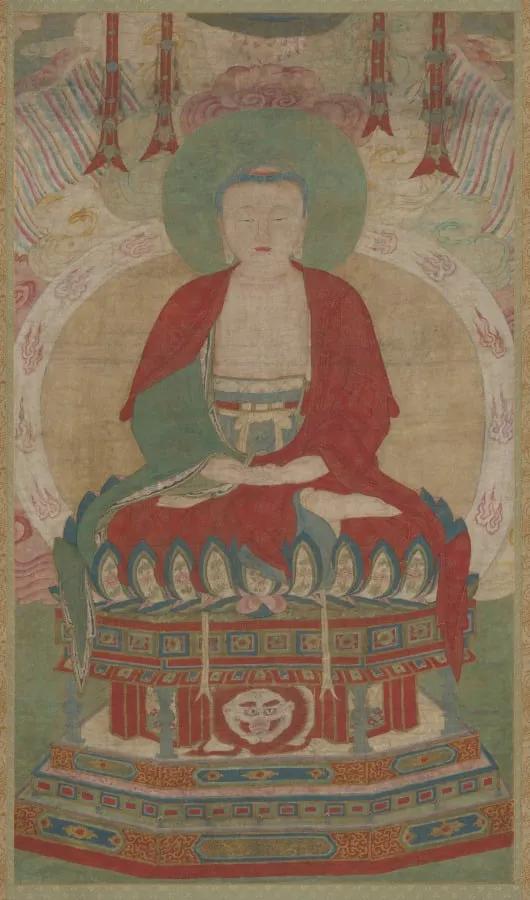
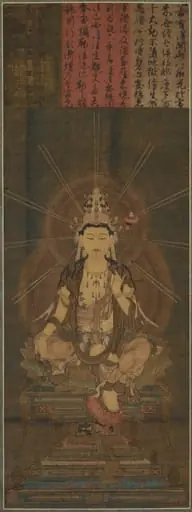
Seated Amitābha is an unspecified painting by the Ming dynasty painting artist Unknown. It dates from 1600 and is held in the collection of the Cleveland Museum of Art. This Ming dynasty painting depicts Amitābha Buddha seated in meditation, rendered with restrained elegance.
About this work
This painting comes from China’s Ming dynasty, when artists often showed Buddhas this way—calm, with soft lines and bright colors.
A golden Buddha sits on a flower-shaped throne, hands resting gently on his lap. His robe is simple, with no jewelry or fancy details. Below him, lion heads peek out from the pedestal.
This painting comes from China’s Ming dynasty, when artists often showed Buddhas this way—calm, with soft lines and bright colors. The lion heads are a clue: they traveled from Central Asia, showing how ideas moved along trade routes.
To see more art like this, look up Ming dynasty (1368-1644).
Overview
This Ming dynasty painting depicts Amitābha Buddha seated in meditation, rendered with restrained elegance. The figure occupies a central position on a lotus-shaped throne, its calm posture and minimal adornment reflecting spiritual detachment. The background is flat and luminous, emphasizing the Buddha’s presence without distraction. The work exemplifies the Ming aesthetic of serene clarity, using soft contours and vivid pigments to convey tranquility rather than grandeur.
Subject & Meaning
Amitābha, meaning 'Infinite Light,' represents boundless compassion and the promise of rebirth in the Pure Land. His seated posture, hands resting gently in his lap, signifies meditative stillness and inner equilibrium. The absence of ornamental details underscores his transcendence beyond material concerns. The lotus pedestal symbolizes purity rising from suffering, reinforcing the Buddhist ideal of enlightenment achieved through detachment.
Technique & Style
The painting employs fine brushwork and layered mineral pigments to achieve a luminous gold tone on the Buddha’s form, contrasting with the richly patterned throne. Robes are rendered with subtle folds, avoiding dramatic drapery. The halo and pedestal feature delicate linear patterns, while the lion heads are stylized yet distinct. The composition prioritizes symmetry and flat spatial depth, typical of Ming devotional art designed for contemplation rather than narrative.
History & Provenance
Created during the Ming dynasty (1368–1644), this work likely served in a temple or private devotional setting. Its style aligns with other Buddhist paintings from the period, produced under imperial patronage or by monastic workshops. The integration of Central Asian motifs suggests continuity with earlier Silk Road influences, preserved through centuries of artistic tradition in Chinese Buddhist iconography.
Context
Ming-era Buddhist art often emphasized accessibility and emotional calm, responding to popular devotion to Amitābha. The lion motif, originating in Central Asian Buddhist sculpture, was absorbed into Chinese visual language through centuries of cultural exchange along trade routes. Its presence on the pedestal reflects how foreign symbols were reinterpreted to suit local spiritual aesthetics without altering their symbolic weight.
Legacy
This painting exemplifies how Ming artists synthesized diverse influences into a cohesive devotional style. Its enduring visual language—serene figures, symbolic motifs, and restrained ornamentation—influenced later Buddhist imagery in East Asia. The persistence of the lion-headed pedestal in Chinese art demonstrates the lasting impact of cross-cultural exchange, even as religious practices evolved over time.
Artist & collection

 Domestic Scene
 Giacomo and Cardinal Marco, investing Andrea, Abbot of San Zeno, with his Benefice
 The Nymph of Fontainebleau
 Portrait of a Woman
 Madonna and Child with Saints in the Enclosed Garden
 Venus and Minerva
 Family Group of Four on Sofa
 Wall painting from Room H of the Villa of P. Fannius Synistor at Boscoreale
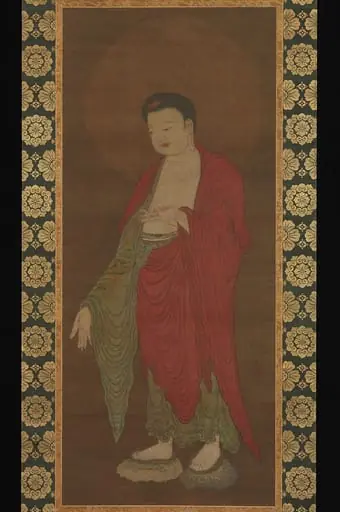 南宋 佚名 阿彌陀佛圖 軸|Buddha Amitabha Descending from his Pure Land
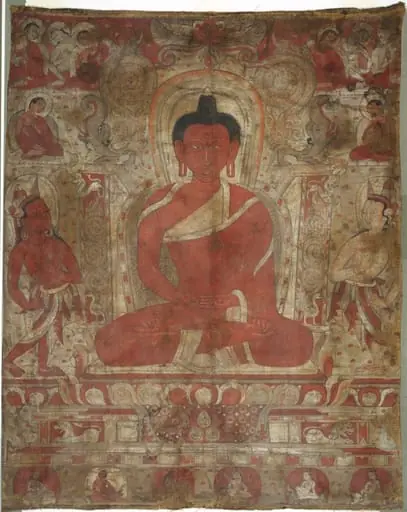 Seated Amitabha with Attendants
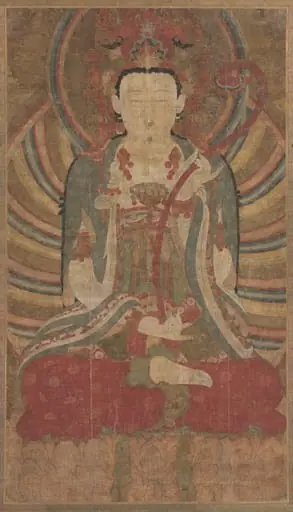 Seated Manjusri
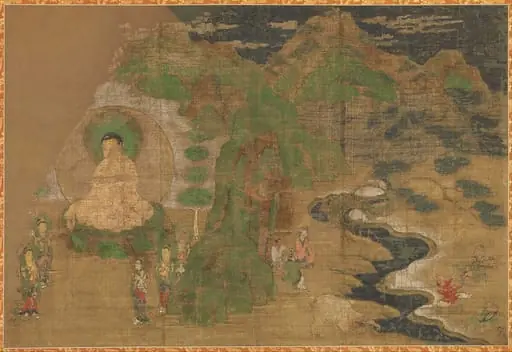 仏伝図|Scene from the Life of the Buddha
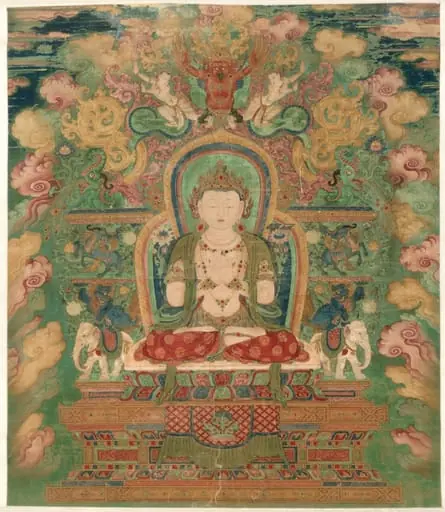 Manjushri
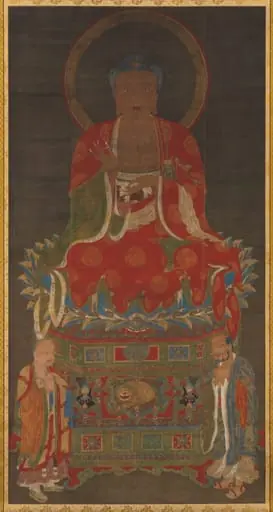 Shakyamuni with two attendants
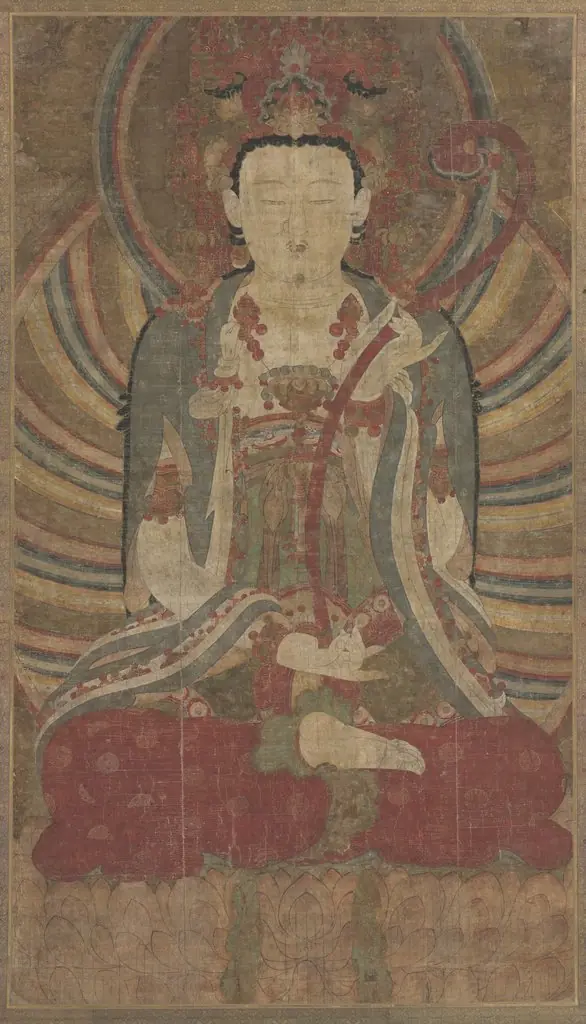 Seated Manjusri
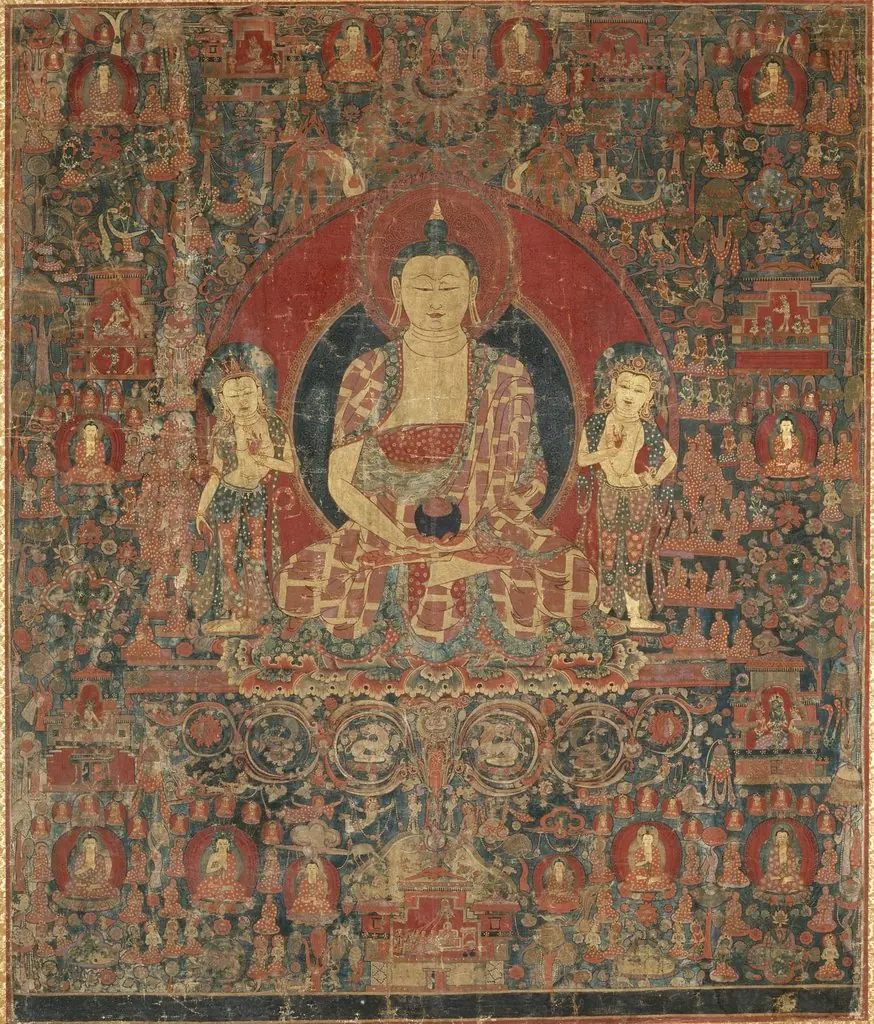 The Jina Buddha of Infinite Light (Amitabha) in His Pure Land Paradise (Sukhavati)
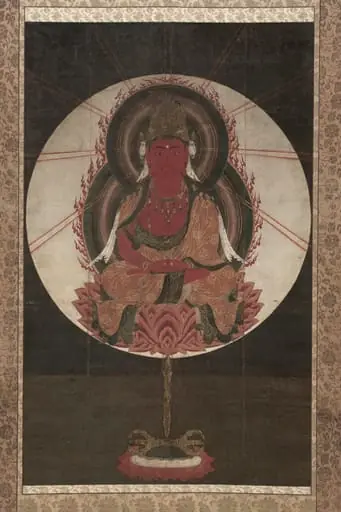 Red Amida
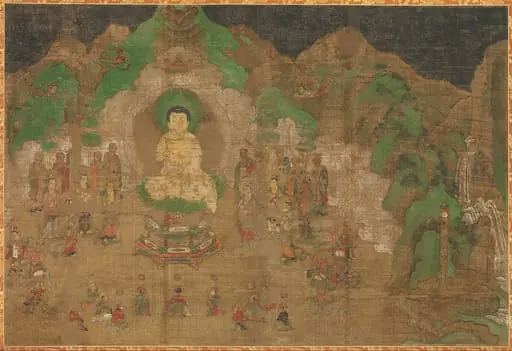 仏伝図|Scene from the Life of the Buddha
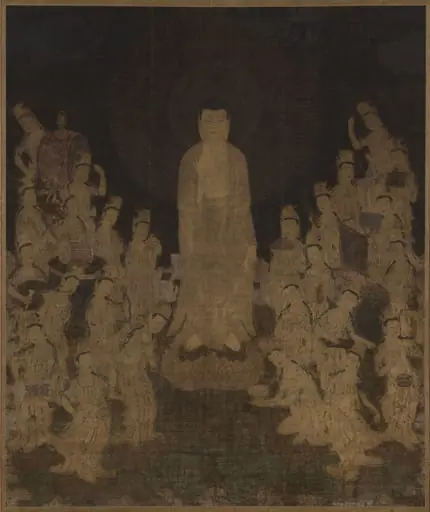 Welcoming Descent of Amida with Twenty-Five Bodhisattvas
 Miroku (Maitreya)