Artwork
Skeletal legs of a lizard
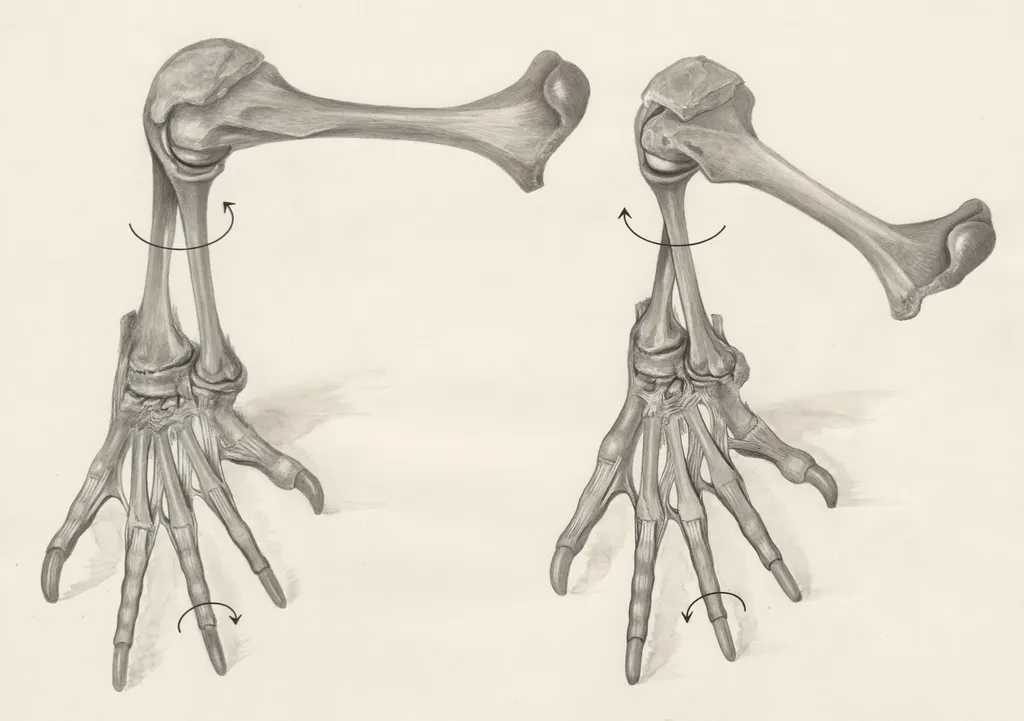
Skeletal legs of a lizard is a drawing by Unknown. It dates from 1970 and is held in the collection of the Leiden University Libraries. This drawing depicts the skeletal structure of a lizard’s hind legs, rendered with delicate, precise linework.
About this work
Overview
This drawing depicts the skeletal structure of a lizard’s hind legs, rendered with delicate, precise linework. The artist focused on anatomical clarity rather than aesthetic embellishment, presenting the bones as they appear beneath translucent skin. The work is not illustrative in a decorative sense but functions as a direct observational record, emphasizing structure over illusion.
Subject & Meaning
The subject is the exposed skeleton of a lizard’s limbs, revealing the underlying framework that supports movement. By stripping away muscle and skin, the artist highlights the biomechanical reality of the animal’s form. The image conveys a quiet reverence for biological precision, inviting attention to the fragility and efficiency of natural design.
Technique & Style
Fine, controlled lines define each bone with minimal shading or texture. The style is restrained and methodical, avoiding dramatic contrast or stylization. The artist’s hand is evident in the consistency of stroke and the clarity of proportion, suggesting close study and deliberate execution rather than spontaneous sketching.
History & Provenance
The drawing resides in the collection of the Museum of Ethnography, indicating its origin in a context of scientific or anthropological documentation. Its presence there suggests it was likely created as part of a broader effort to record biological forms, possibly for educational or research purposes in the 19th or early 20th century.
Context
Created during a period when natural history illustration was closely tied to scientific inquiry, the work reflects a tradition of detailed anatomical recording. Unlike artistic renderings meant to evoke emotion, this piece aligns with the practices of naturalists who prioritized accuracy over ornamentation in their depictions of living organisms.
Legacy
As a specimen of observational drawing, it contributes to a lineage of scientific visualization that values clarity and truth to form. Its preservation in a museum of ethnography underscores its role not as fine art, but as a tool of understanding—evidence of how humans have sought to document the natural world through careful looking.
Artist & collection
 Domestic Scene
 Giacomo and Cardinal Marco, investing Andrea, Abbot of San Zeno, with his Benefice
 The Nymph of Fontainebleau
 Portrait of a Woman
 Madonna and Child with Saints in the Enclosed Garden
 Venus and Minerva
 Family Group of Four on Sofa
 Wall painting from Room H of the Villa of P. Fannius Synistor at Boscoreale
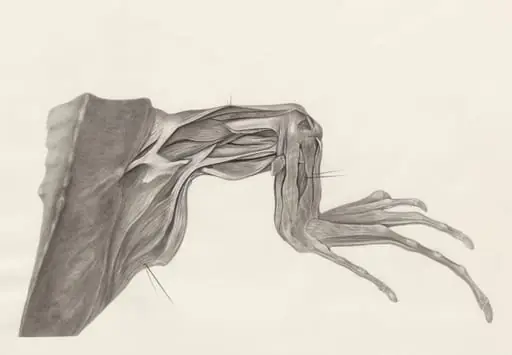 Muscular tissue of a lizards leg and claw
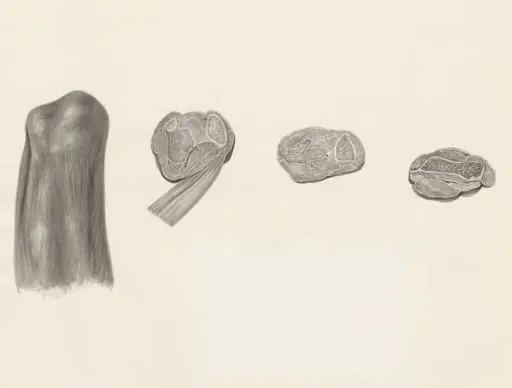 Cross sections of bone and muscular tissue on the hind leg of a lizard
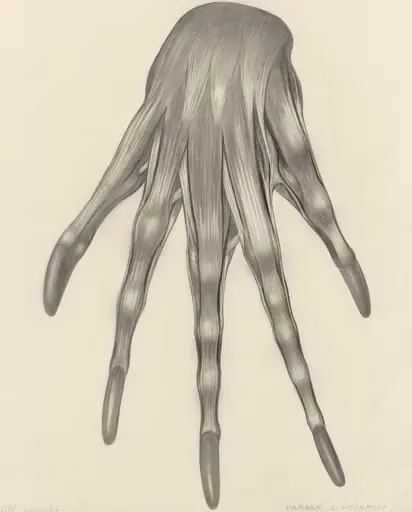 Muscular tissue of a lizards left claw
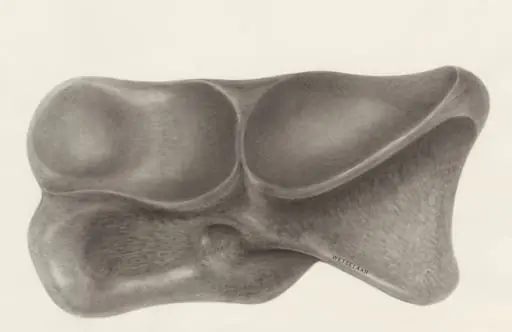 Foot bone
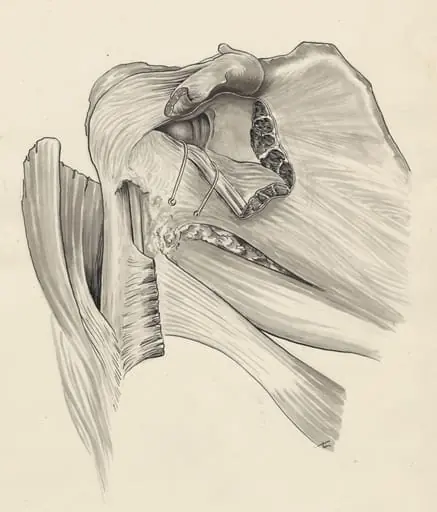 Damage of the pelvic bones
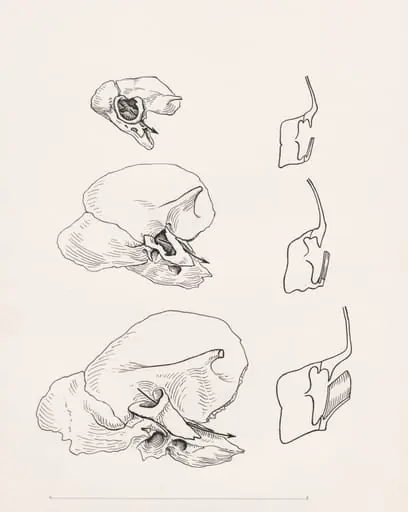 Bone structure relating to the human throat
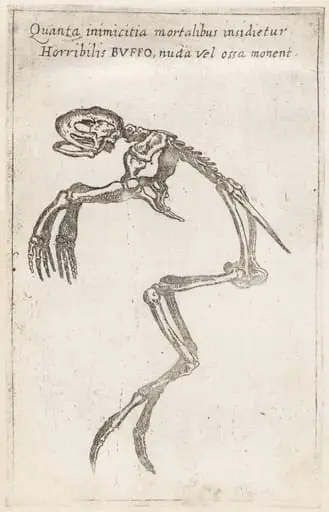 Skeleton of a Frog
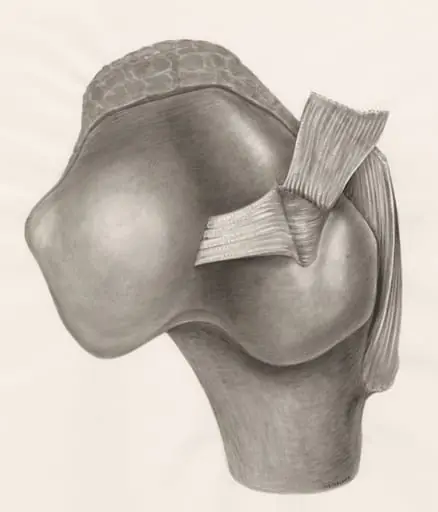 Muscular tissue on a joint
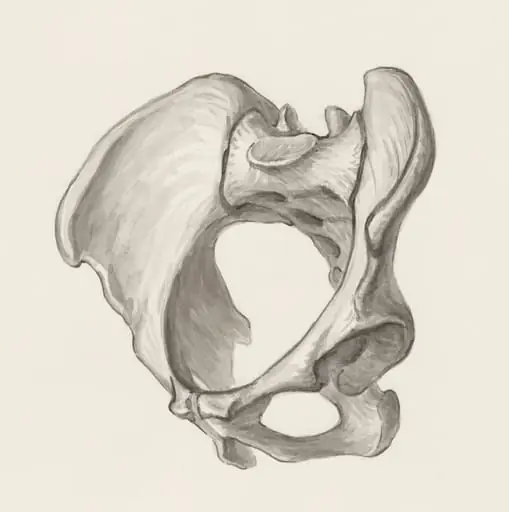 Pelvis bones
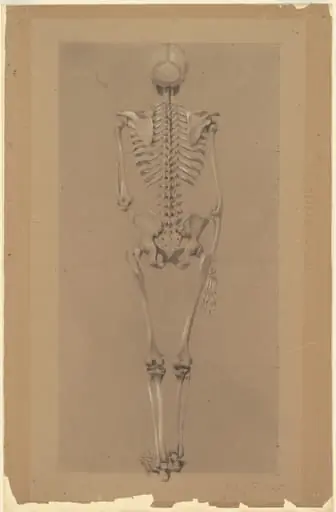 Rear View of a Skeleton