Artwork
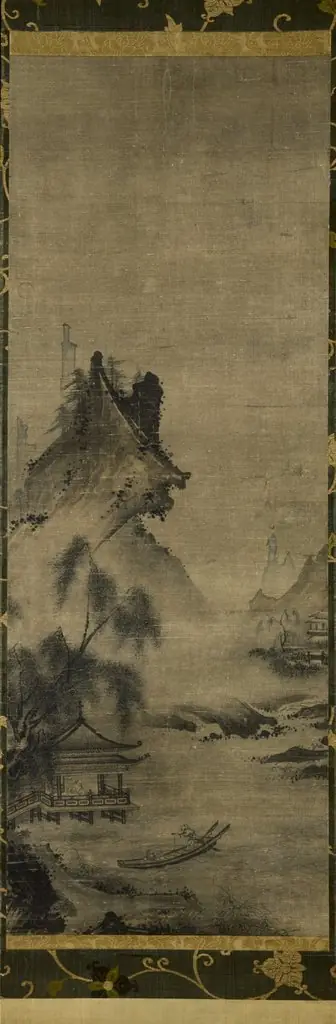
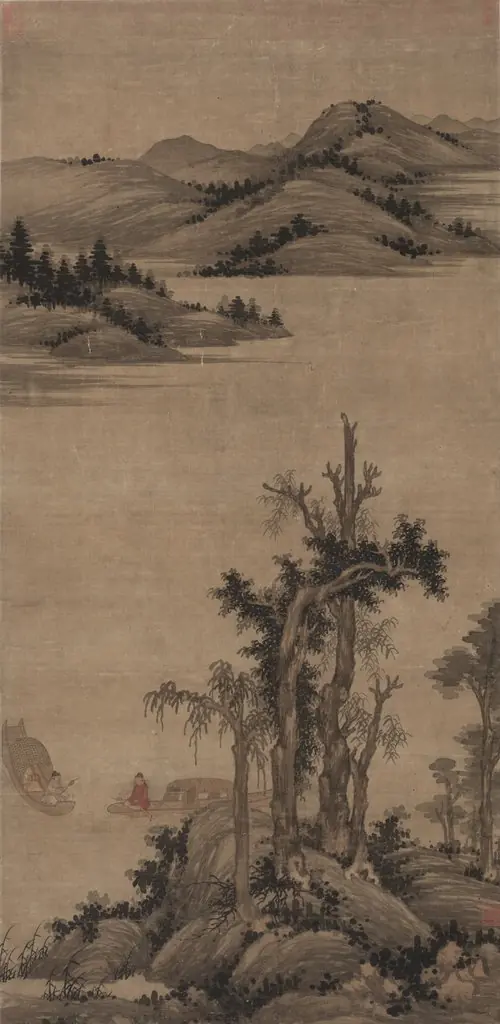
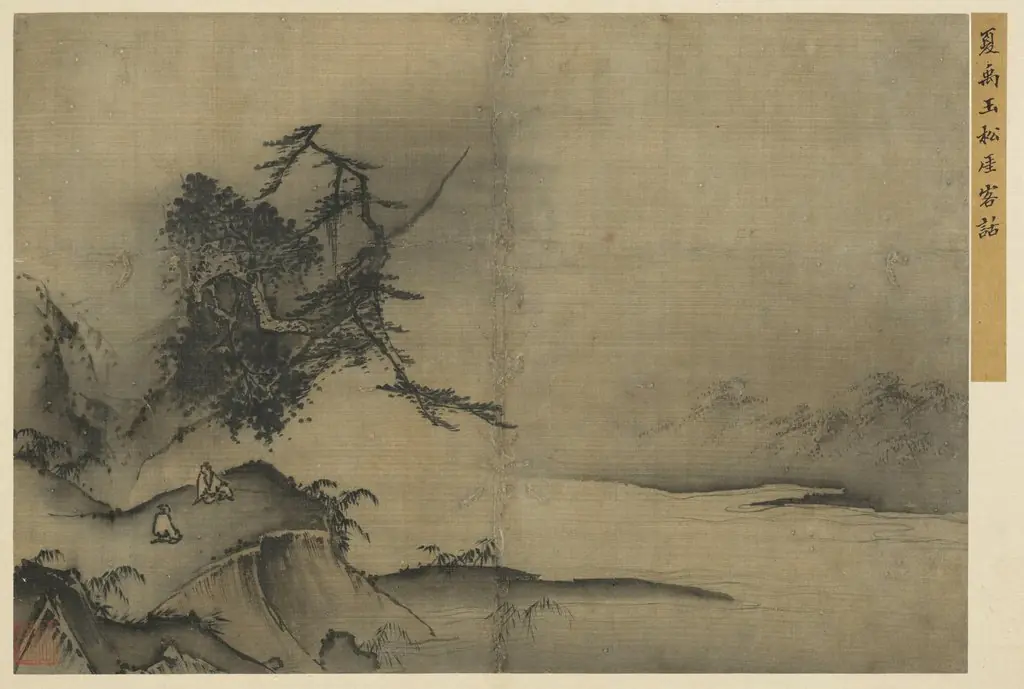
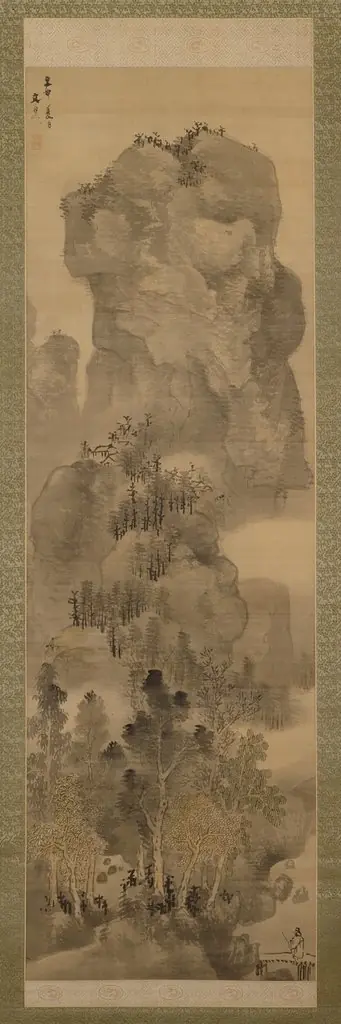
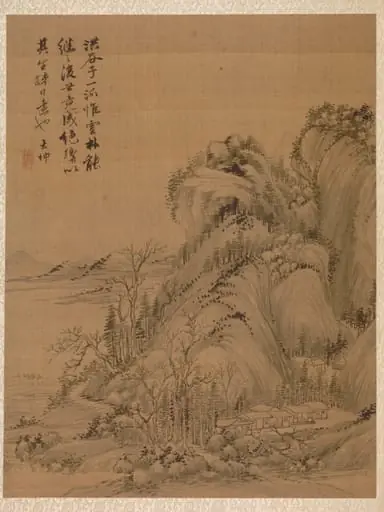
Thatched Hut by Water's Edge
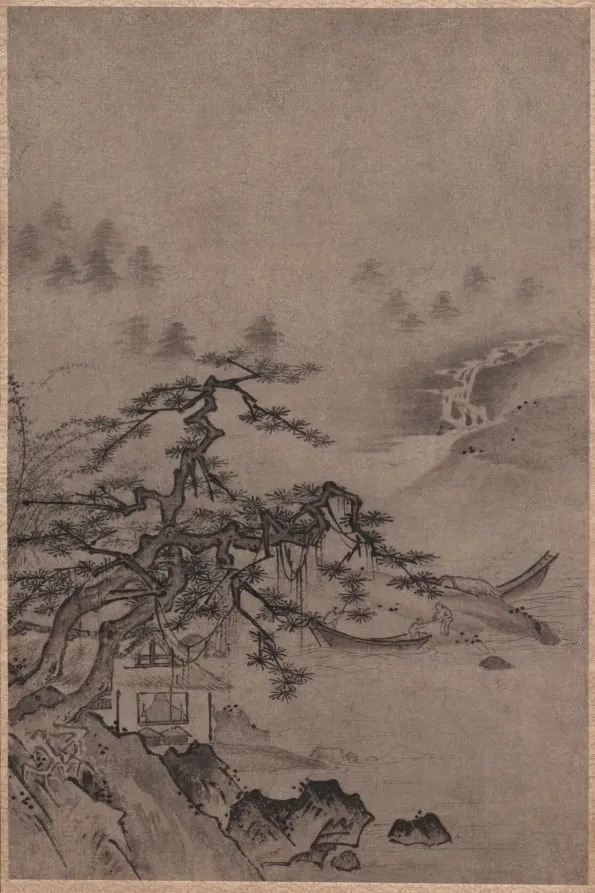
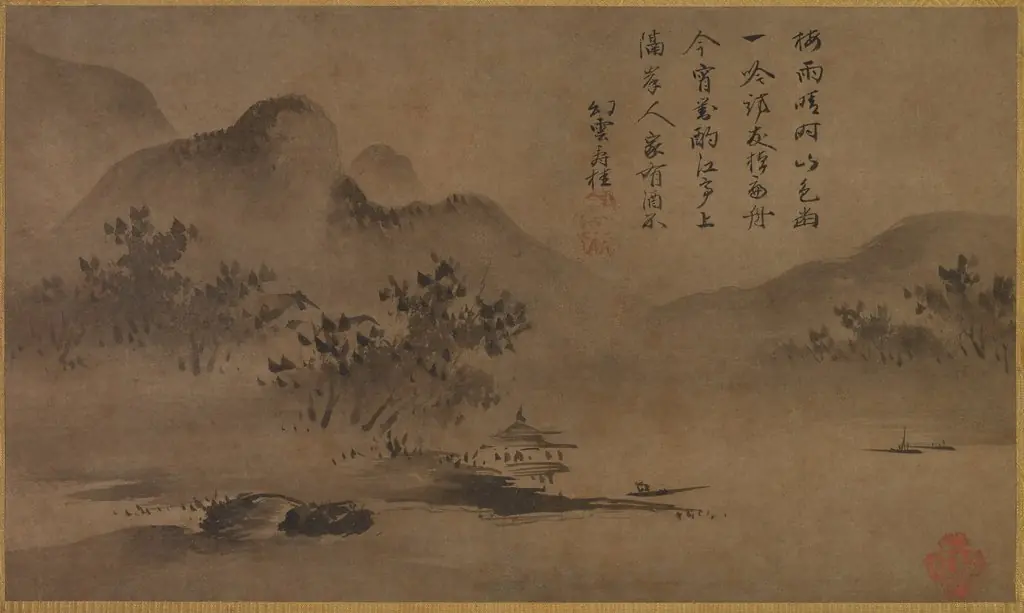
Thatched Hut by Water's Edge is an unspecified painting by the Ming dynasty painting artist Unknown. It dates from 1536 and is held in the collection of the Cleveland Museum of Art.
About this work
Overview
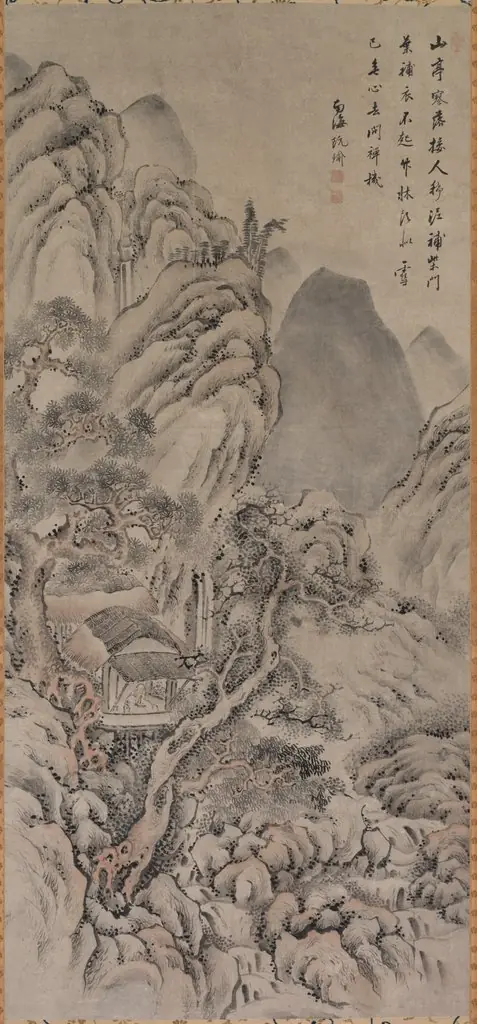
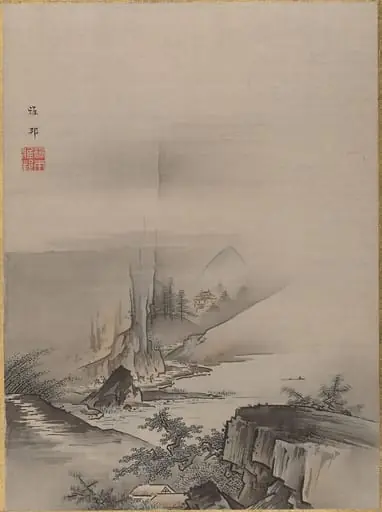
Thatched Hut by Water's Edge is a Muromachi period (1392–1573) Japanese painting depicting an idealized Chinese scholar's retreat. The scene features a small thatched hut by calm water, enveloped in soft mist with distant mountains in the background.
Subject & Meaning
The painting represents a serene, idyllic Chinese-inspired setting, symbolizing a scholar's withdrawal into nature. Despite its Chinese theme, the misty atmosphere reflects a distinctly Japanese aesthetic sensibility.
Technique & Style
The artist employed a Japanese interpretation of continental techniques, notably using blurred edges (similar to sfumato) to create a realistic mist effect, blending Japanese and Chinese artistic influences.
History & Provenance
Created in Japan during the Muromachi period, the painting is a local interpretation of Chinese themes, likely by an artist who never traveled abroad, relying on imported paintings for inspiration.
Context
Reflects the Muromachi period's fascination with Chinese and Korean culture, where Japanese artists studied and adapted continental artworks to create unique, hybrid pieces.
Legacy
This work exemplifies the cross-cultural exchange in Muromachi art, influencing subsequent Japanese painting styles by incorporating foreign themes with indigenous techniques and sensibilities.
Artist & collection

 Domestic Scene
 Giacomo and Cardinal Marco, investing Andrea, Abbot of San Zeno, with his Benefice
 The Nymph of Fontainebleau
 Portrait of a Woman
 Madonna and Child with Saints in the Enclosed Garden
 Venus and Minerva
 Family Group of Four on Sofa
 Wall painting from Room H of the Villa of P. Fannius Synistor at Boscoreale