Artwork
The Amsterdam Merchant Jeremias van Collen (1608-1676), with his Wife and their Twelve Children
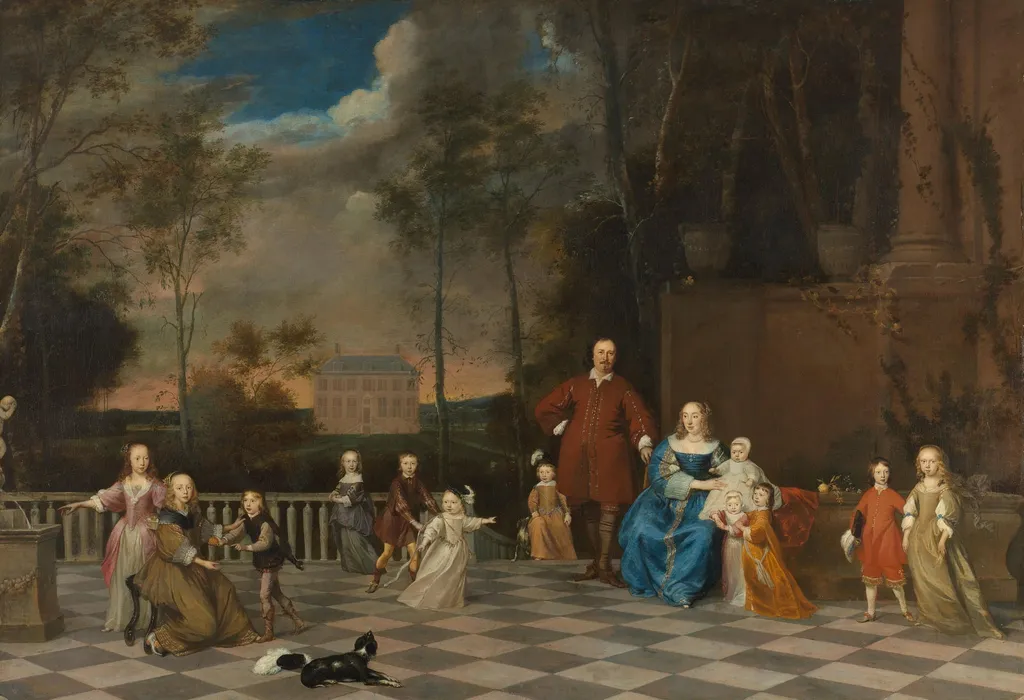
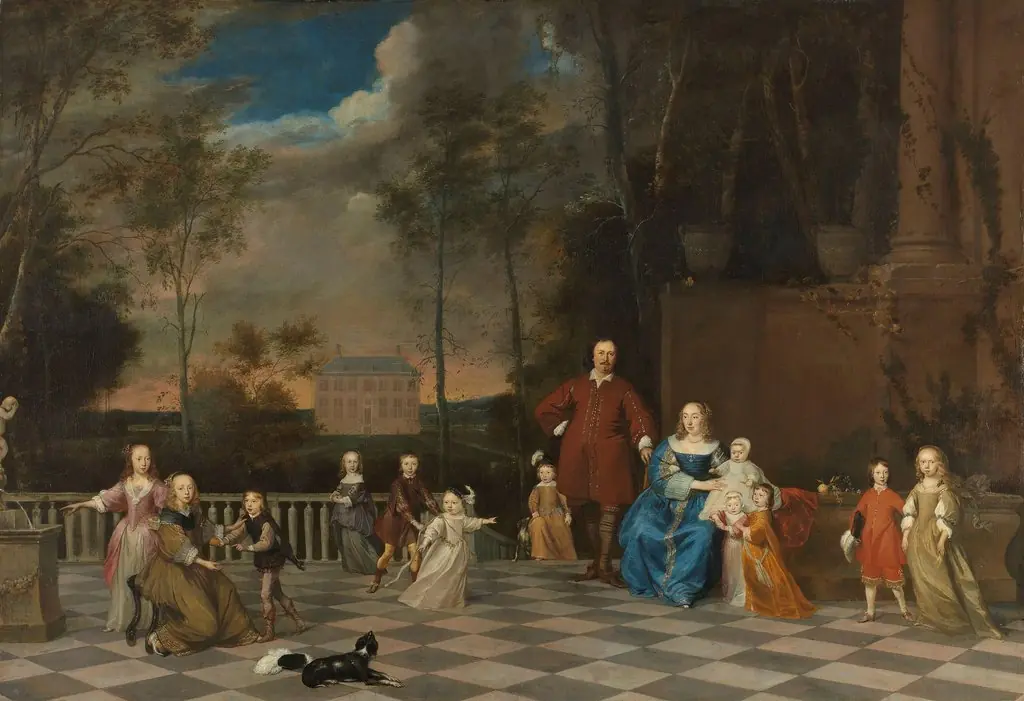
The Amsterdam Merchant Jeremias van Collen (1608-1676), with his Wife and their Twelve Children is an unspecified painting by the Dutch Golden Age artist Unknown. It dates from 1656 and is held in the collection of the Rijksmuseum. This large-scale portrait depicts Jeremias van Collen, a wealthy Amsterdam merchant, alongside his wife and their twelve children.
About this work
Overview
This large-scale portrait depicts Jeremias van Collen, a wealthy Amsterdam merchant, alongside his wife and their twelve children. Painted in the mid-17th century, it captures an unusually large family group in a single composition, a rarity in Dutch portraiture of the period. The scene is set on a terrace with a distant country estate, suggesting both urban prosperity and rural retreat.
Subject & Meaning
The painting emphasizes familial continuity and social standing. The parents stand centrally, their near-touching hands implying unity, while the children are arranged by height, creating a visual hierarchy of age. The inclusion of all twelve children reflects pride in lineage and domestic stability, values central to prosperous Dutch burgher life during the Golden Age.
Technique & Style
The artist employs precise detail in rendering fabrics, facial features, and architectural elements, typical of Dutch portraiture. The composition is carefully balanced, with the family forming a stable pyramid against a soft, atmospheric background. Light falls evenly across the group, avoiding dramatic contrasts, reinforcing the calm dignity of the subjects.
History & Provenance
Commissioned by the van Collen family, the painting remained in private hands for centuries before entering the Rijksmuseum’s collection. Its survival is notable, as large family portraits of this scale were uncommon and often lost to time. Documentation links it to the merchant’s estate and later generations who preserved it as a family heirloom.
Context
In 17th-century Amsterdam, wealthy merchants commissioned portraits to assert their status and legacy. While individual or nuclear family portraits were common, depictions of twelve children together were exceptional. This work reflects the cultural emphasis on large families as symbols of divine favor and economic continuity in a thriving mercantile society.
Legacy
The portrait stands as one of the few surviving examples of an extended family group from this era in Dutch art. It offers rare insight into domestic life, child-rearing, and social identity among the urban elite. Its preservation allows modern viewers to encounter the scale and intimacy of a merchant household during the Dutch Golden Age.
Artist & collection

 Domestic Scene
 Giacomo and Cardinal Marco, investing Andrea, Abbot of San Zeno, with his Benefice
 The Nymph of Fontainebleau
 Portrait of a Woman
 Madonna and Child with Saints in the Enclosed Garden
 Venus and Minerva
 Family Group of Four on Sofa
 Wall painting from Room H of the Villa of P. Fannius Synistor at Boscoreale
 Portrait of David van Mollen and Son-in-Law Jacob Sydervelt with his Family
 Family Group in a Landscape
 Family Group in a Landscape
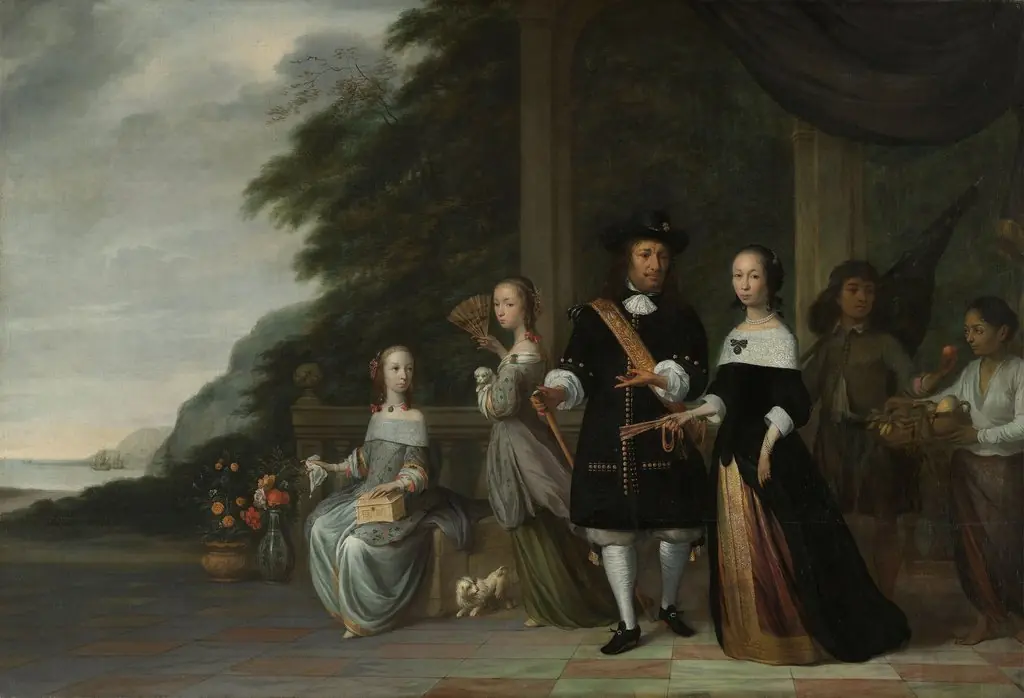 Pieter Cnoll, Cornelia van Nijenrode, their Daughters and Two Enslaved Servants
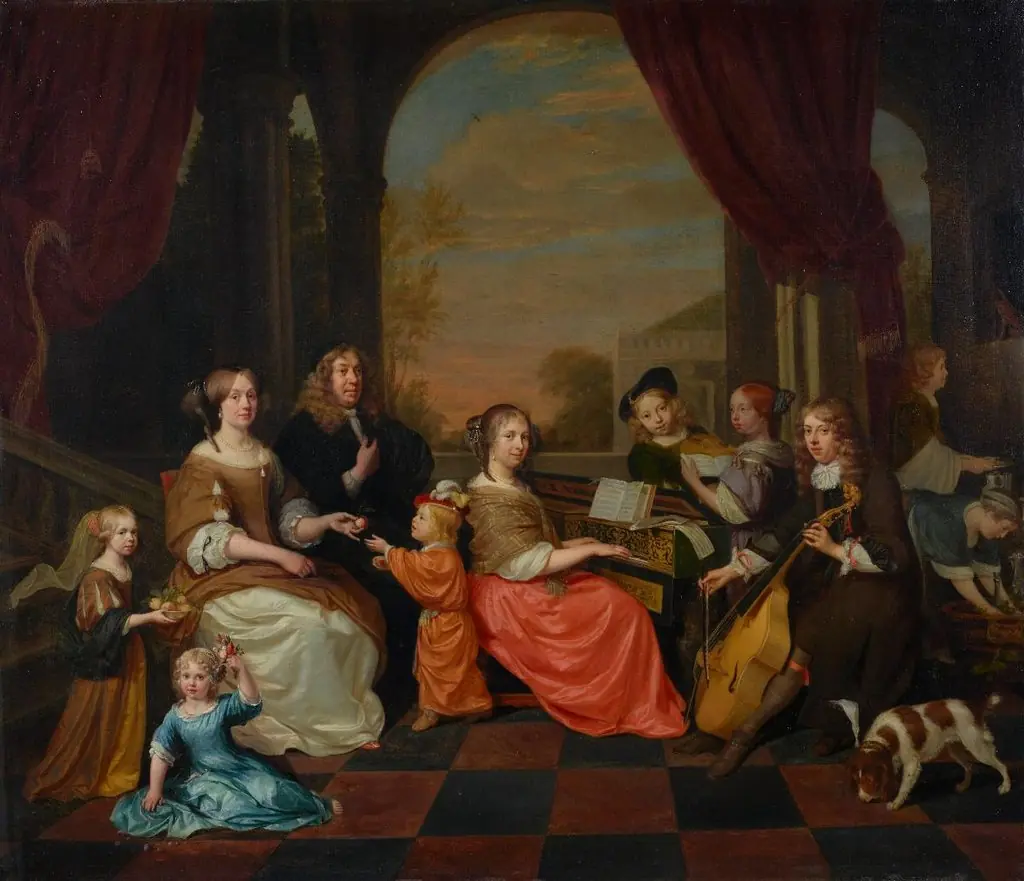 Gruppenbildnis einer musizierenden Familie
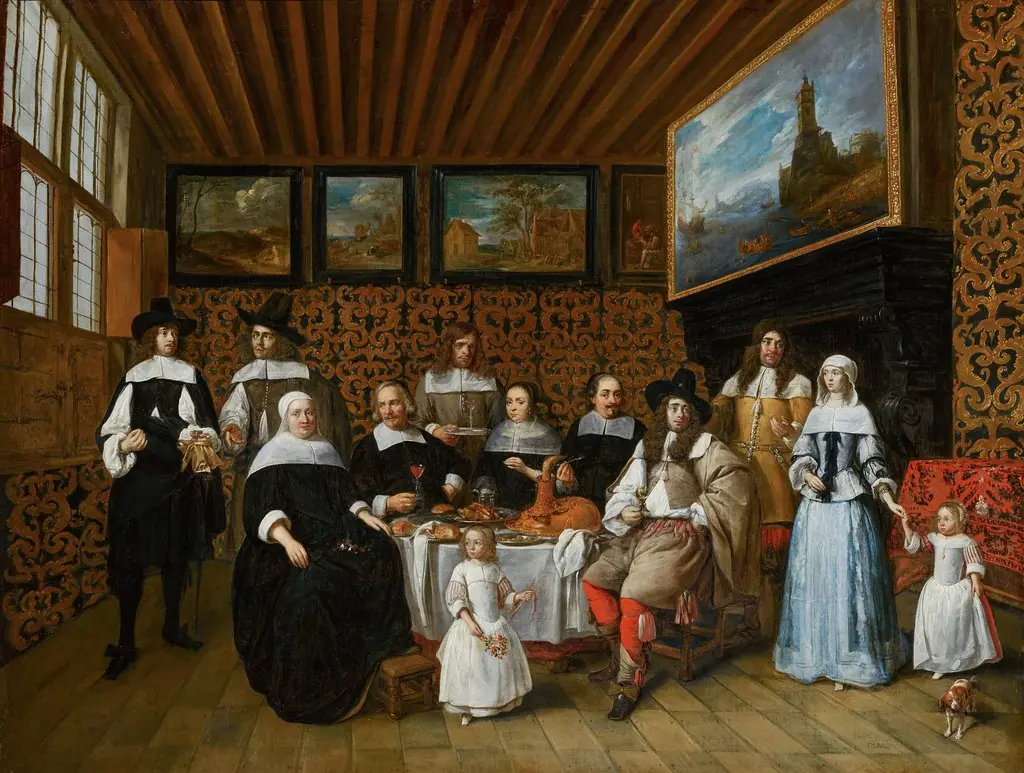 Family Portrait
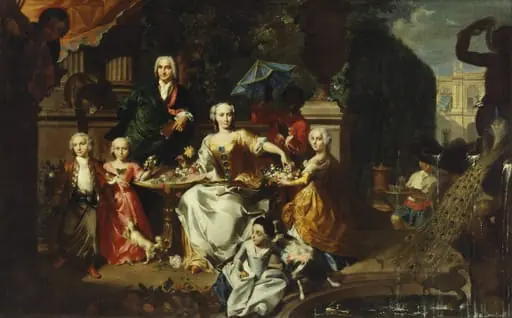 A Family Group on a Terrace in the Grounds of a Villa. Possibly the English Businessman George Jackson and his Family
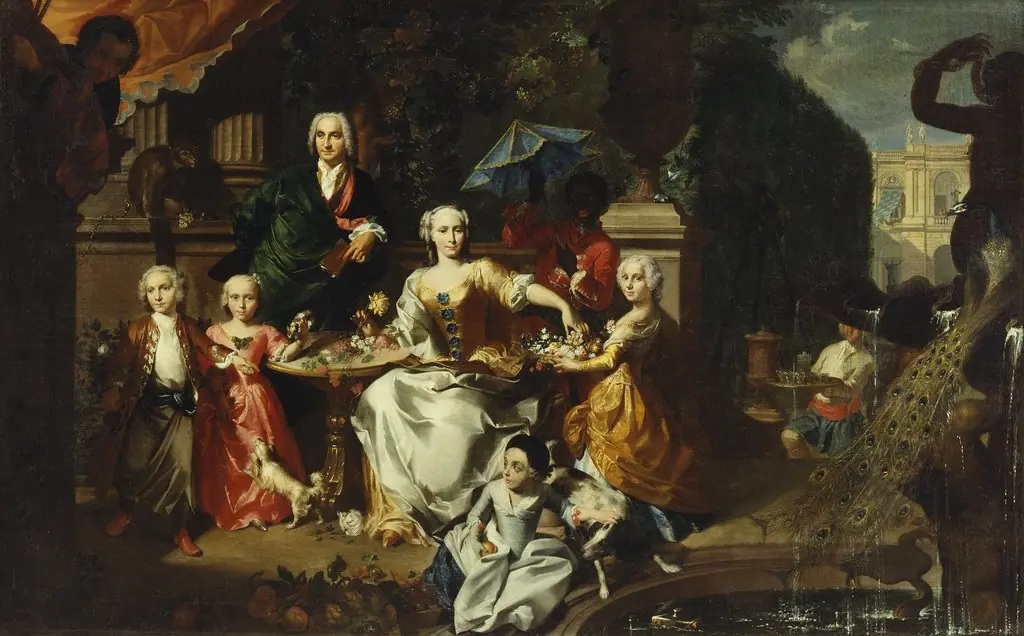 A Family Group on a Terrace in the Grounds of a Villa. Possibly the English Businessman George Jackson and his Family
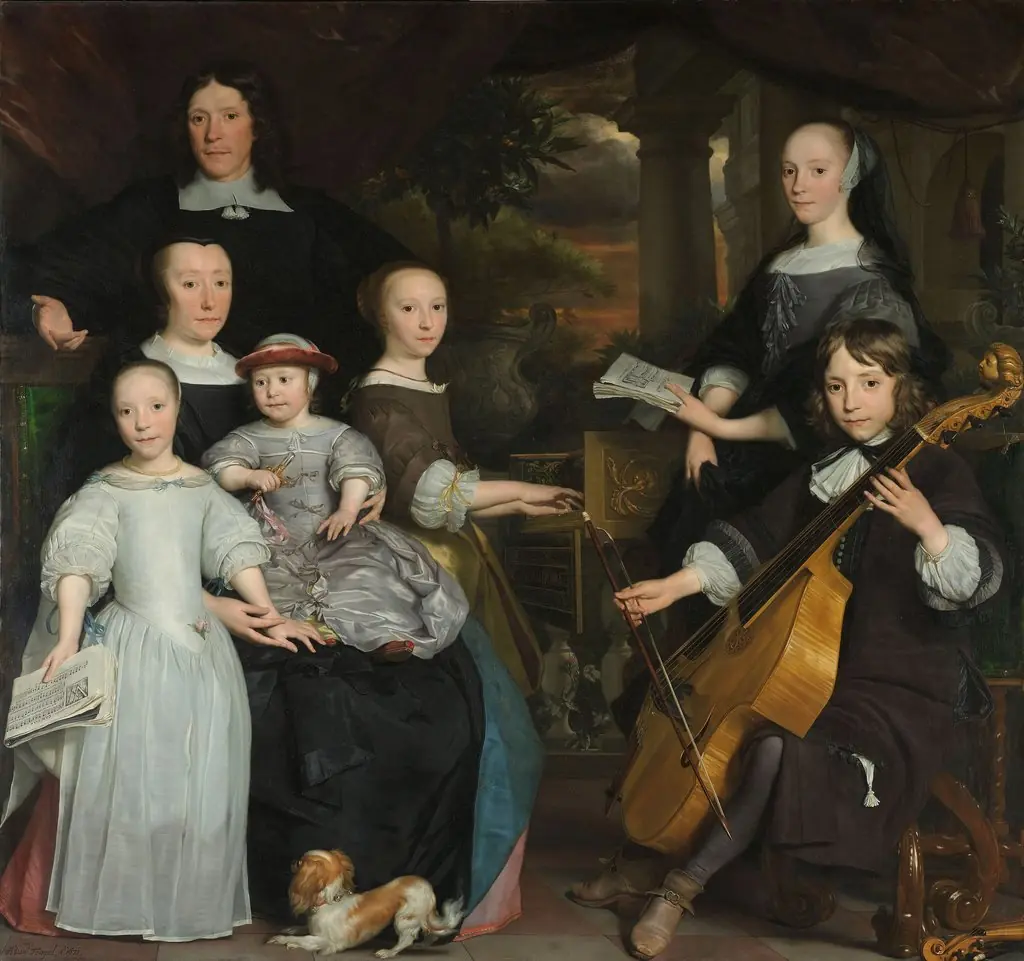 David Leeuw with his Family
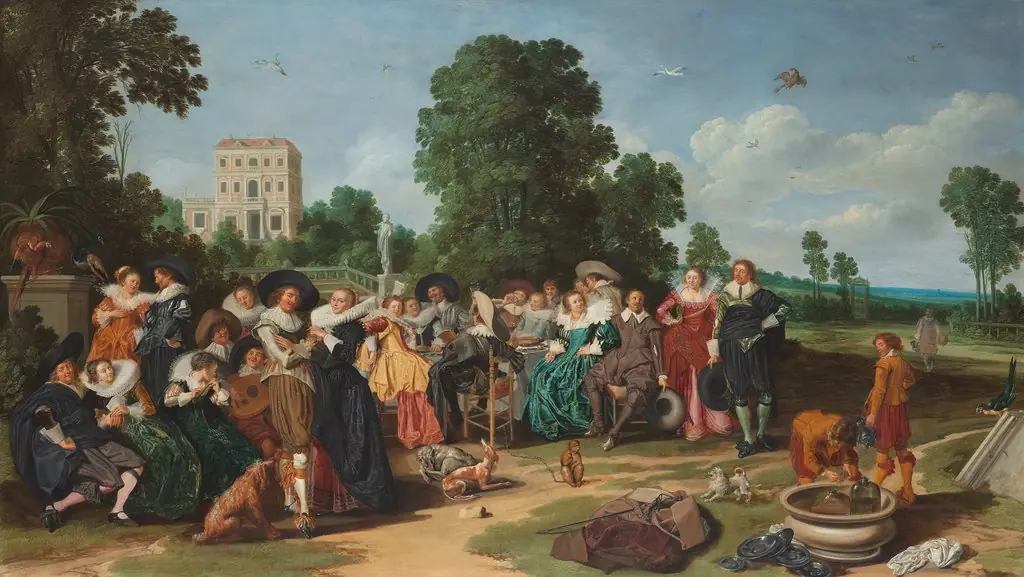 The Fête champêtre
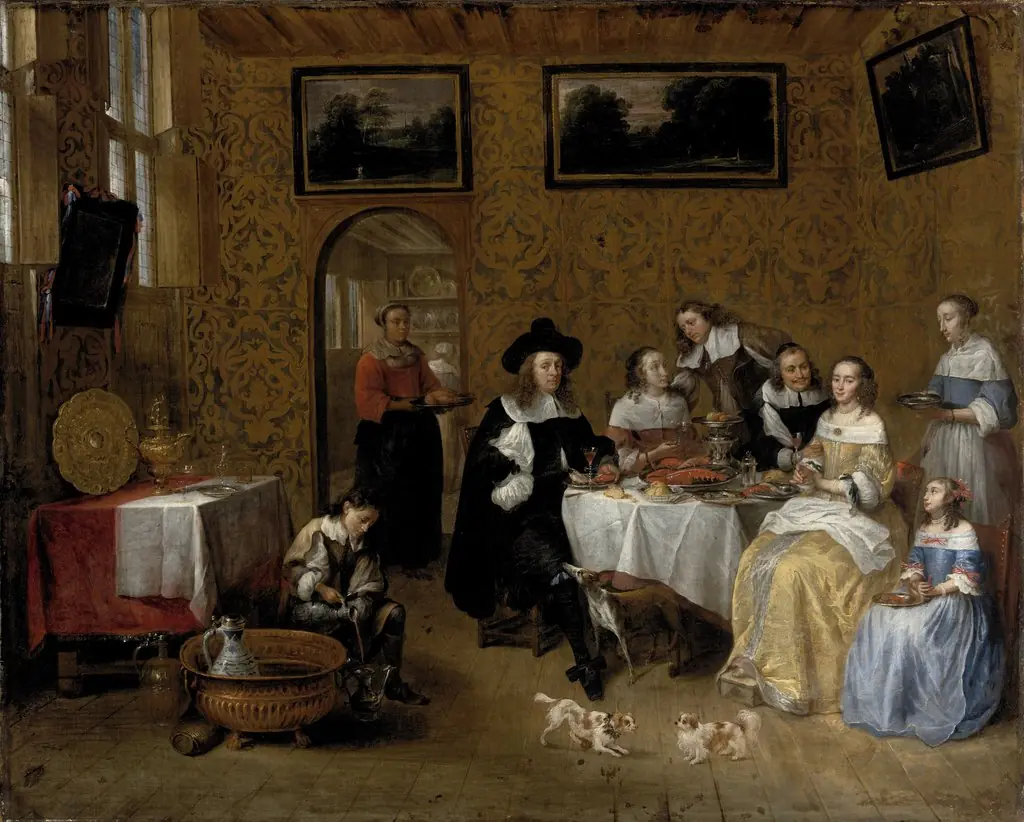 Portrait of a Family
 Portrait of the Amsterdam merchant Jeremias van Collen (1608-1676), with his wife and their twelve children