Artwork
The Battle of the Zuider Zee, 1573
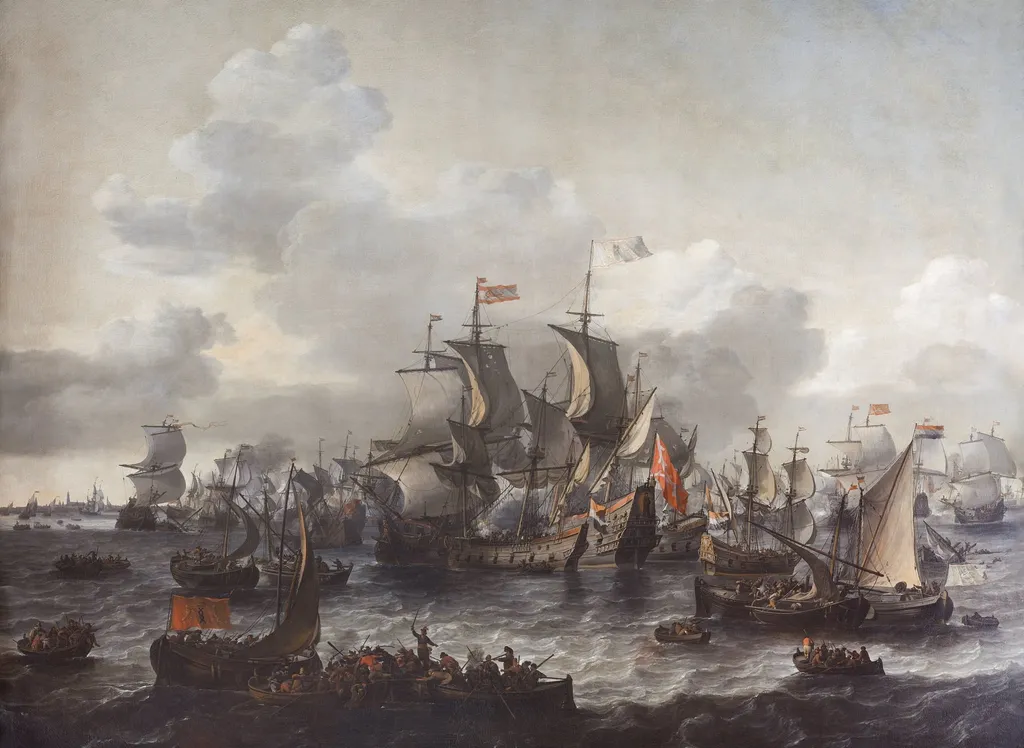
The Battle of the Zuider Zee, 1573 is an unspecified painting by Unknown. It dates from 1663 and is held in the collection of the Rijksmuseum.
About this work
The artist packed the frame with tiny details—flags, city crests, even the name of the Spanish flagship, *Inquisitie*, painted on its side.
You see a wild sea fight: dozens of wooden ships with billowing sails, cannons firing, and men climbing the rigging to board each other.
This painting shows a real 1573 battle where Dutch rebels beat Spanish forces. The artist packed the frame with tiny details—flags, city crests, even the name of the Spanish flagship, *Inquisitie*, painted on its side.
To see how other artists painted naval battles, visit the Rijksmuseum.
Overview
The canvas portrays the naval clash on the Zuiderzee of 11 October 1573, when a fleet commanded by Maximiliaan de Hennin, lord of Bossu, was overcome by forces led by Cornelius Dirckszoon. Central to the composition is the Spanish flagship, the Inquisitie, being boarded and seized. The artist fills the surrounding space with a profusion of emblems—trophies, municipal coats of arms, and assorted maritime symbols—documenting the event in vivid detail.
Subject & Meaning
The work records a decisive moment in the Dutch Revolt, illustrating the triumph of the rebel fleet from Hoorn over the Spanish armada. By highlighting the capture of the enemy flagship, the painting underscores the strategic and symbolic victory of the insurgents, while the surrounding insignia convey civic pride and the broader stakes of maritime warfare in the Low Countries.
Technique & Style
Rendered in a densely populated visual field, the painting employs meticulous brushwork to delineate individual vessels, billowing sails, and the chaotic melee of sailors climbing rigging. Fine lettering identifies the Inquisitie on its hull, and the inclusion of heraldic devices demonstrates a keen interest in documentary precision, typical of late‑Renaissance naval historiography.
History & Provenance
Created shortly after the battle, the piece likely served a commemorative function for the city of Hoorn, celebrating its naval contribution to the revolt. Over the centuries it entered regional collections, eventually becoming part of a public museum holdings where it remains displayed as a primary visual source for the 1573 engagement.
Context
The confrontation occurred during the early phase of the Eighty‑Year War, when control of the Zuiderzee was vital for trade and military movements. The defeat of Bossu’s fleet disrupted Spanish supply lines and bolstered the morale of the nascent Dutch resistance, reflecting the broader shift toward maritime assertiveness among the rebel provinces.
Artist & collection

 Domestic Scene
 Giacomo and Cardinal Marco, investing Andrea, Abbot of San Zeno, with his Benefice
 The Nymph of Fontainebleau
 Portrait of a Woman
 Madonna and Child with Saints in the Enclosed Garden
 Venus and Minerva
 Family Group of Four on Sofa
 Wall painting from Room H of the Villa of P. Fannius Synistor at Boscoreale
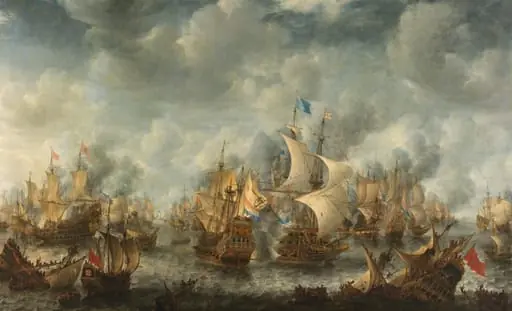 Slag bij Terheide
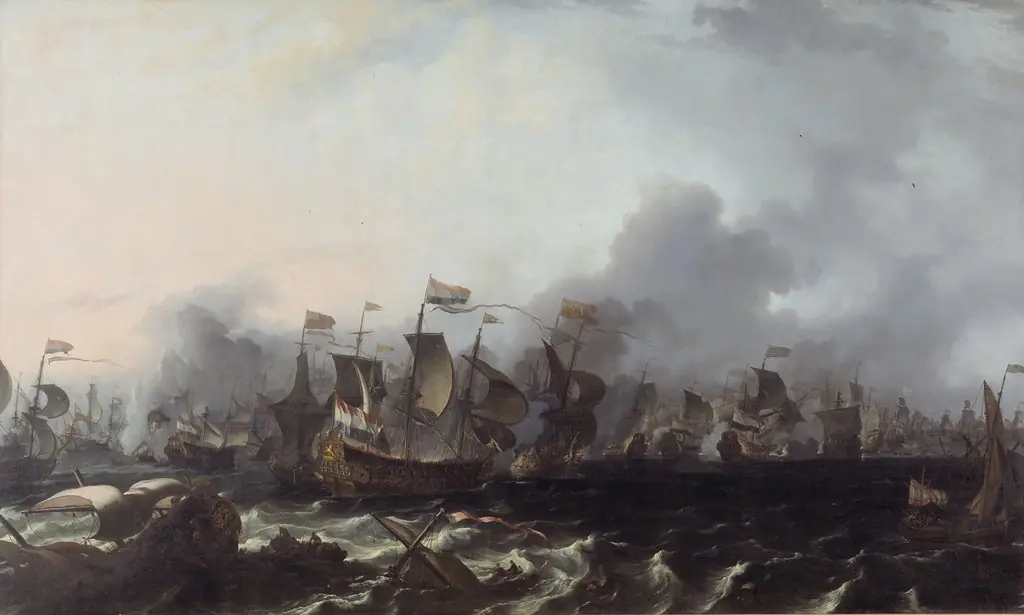 The Four Day's Battle, 11-14 June 1666
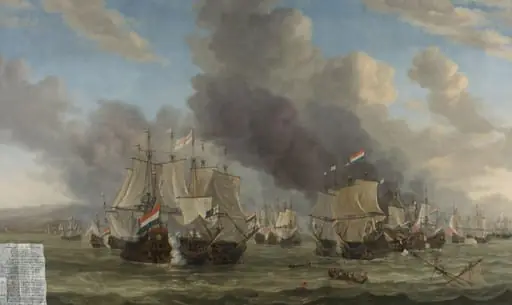 Slag bij Livorno
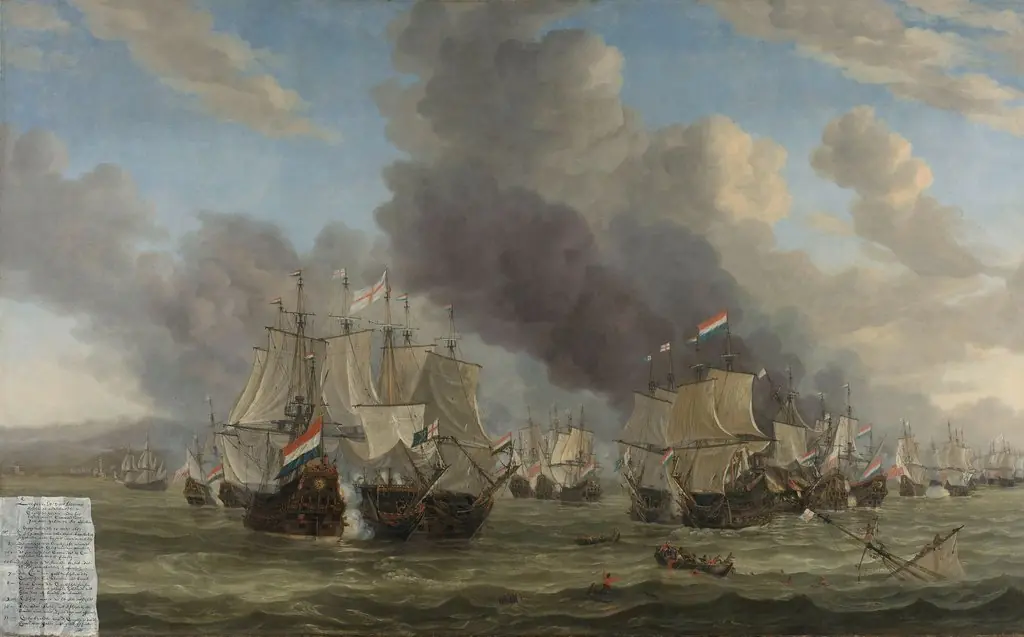 The Battle of Livorno
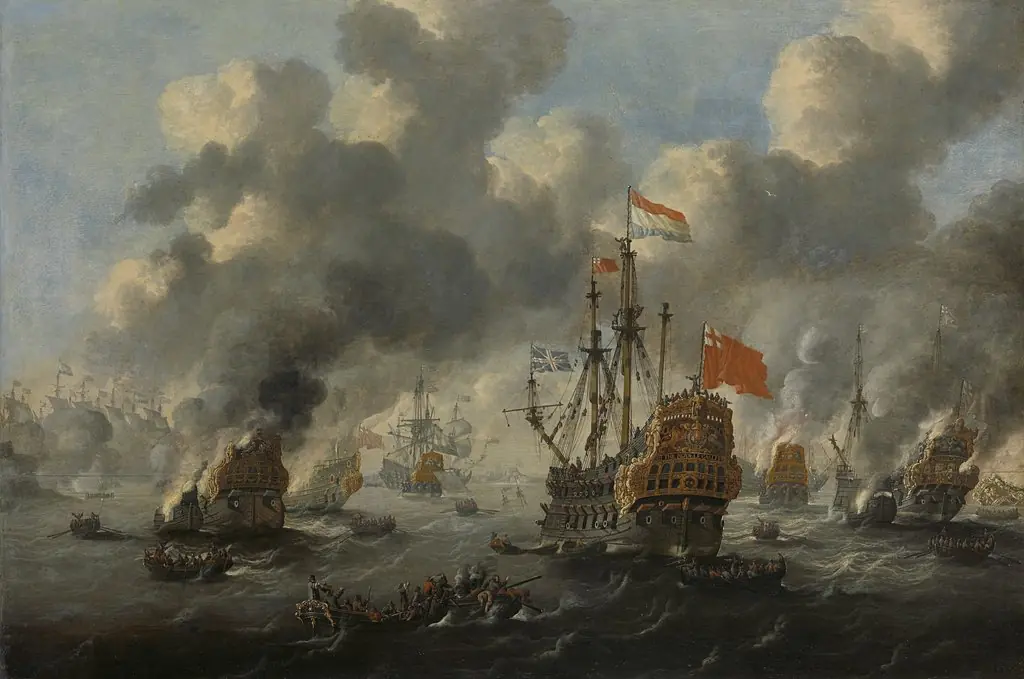 The burning of the English fleet off Chatham, 20 June 1667
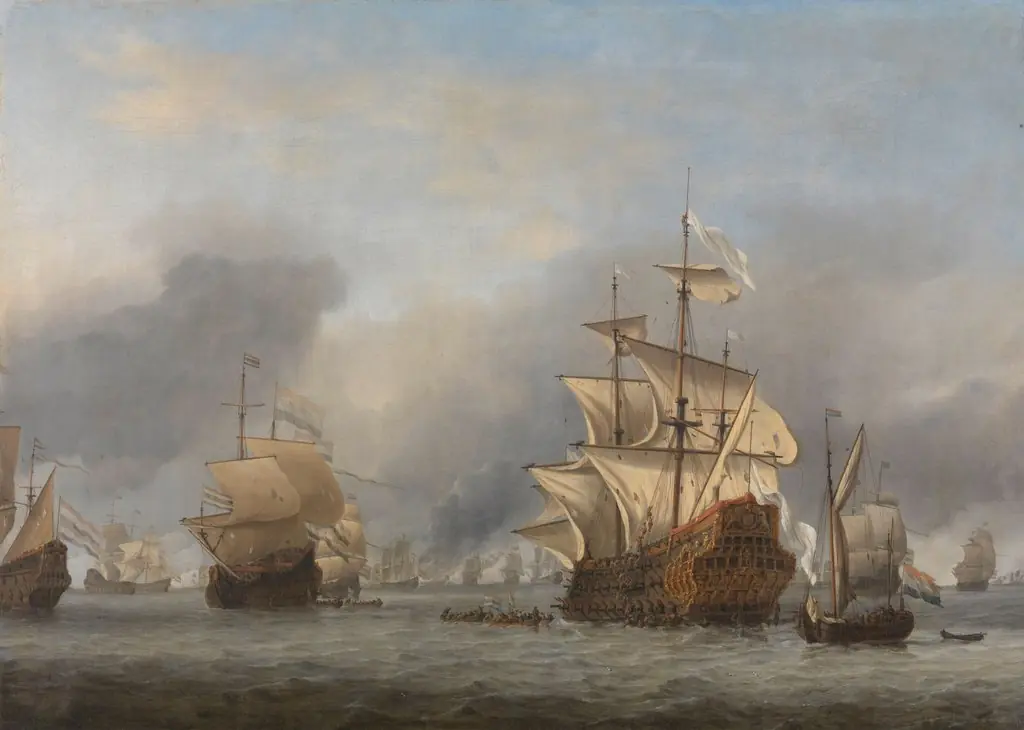 The Capture of the Royal Prince
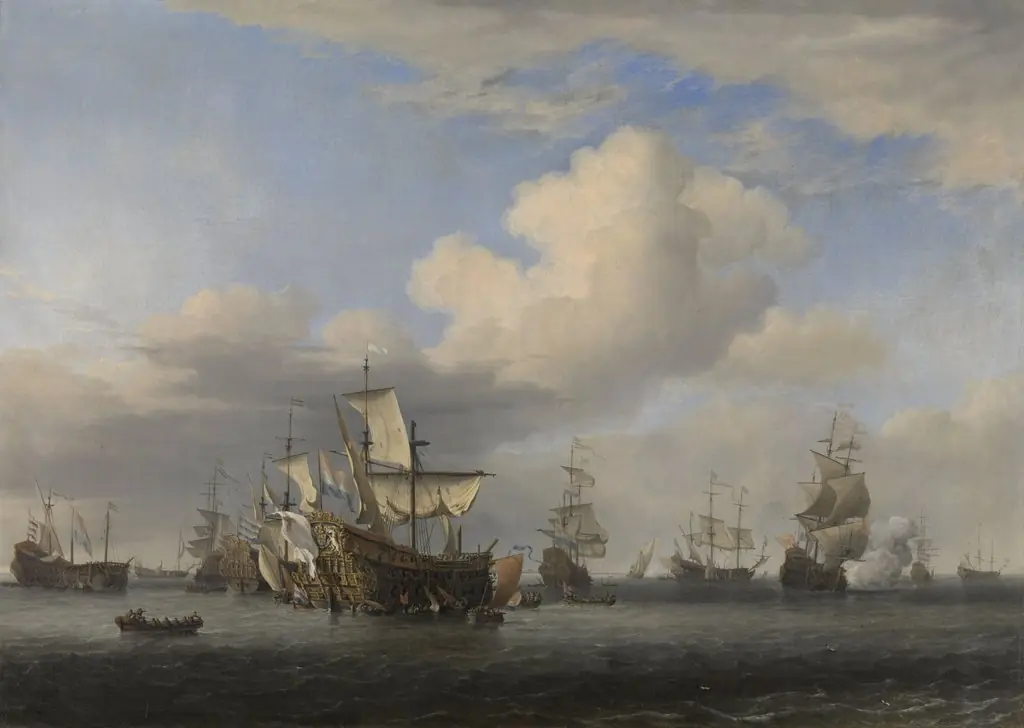 Captured English Ships after the Four Days’ Battle
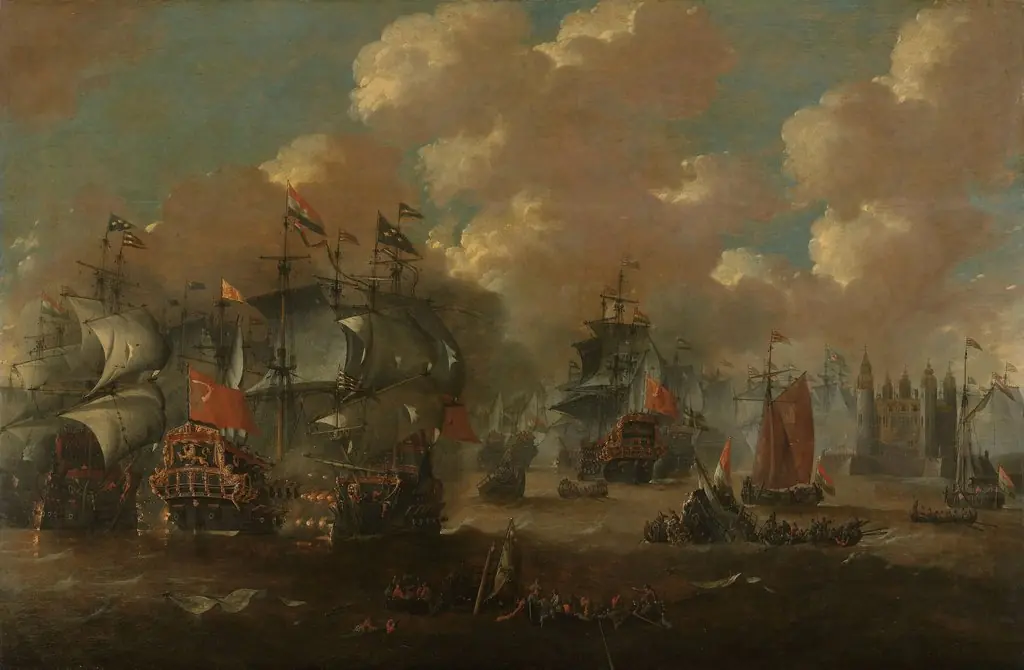 Naval battle near Elseneur in the Sound between the Dutch and the Swedish fleets, 8 November 1658
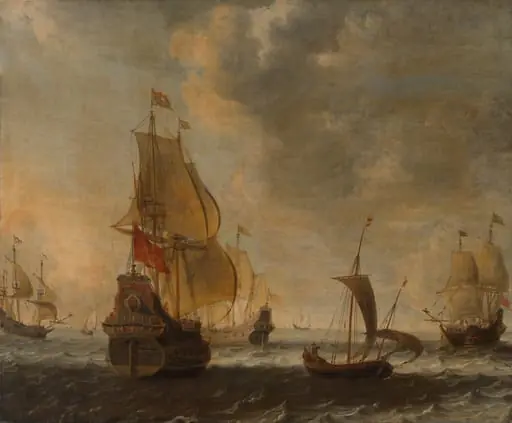 Dutch Ships in a Lively Breeze
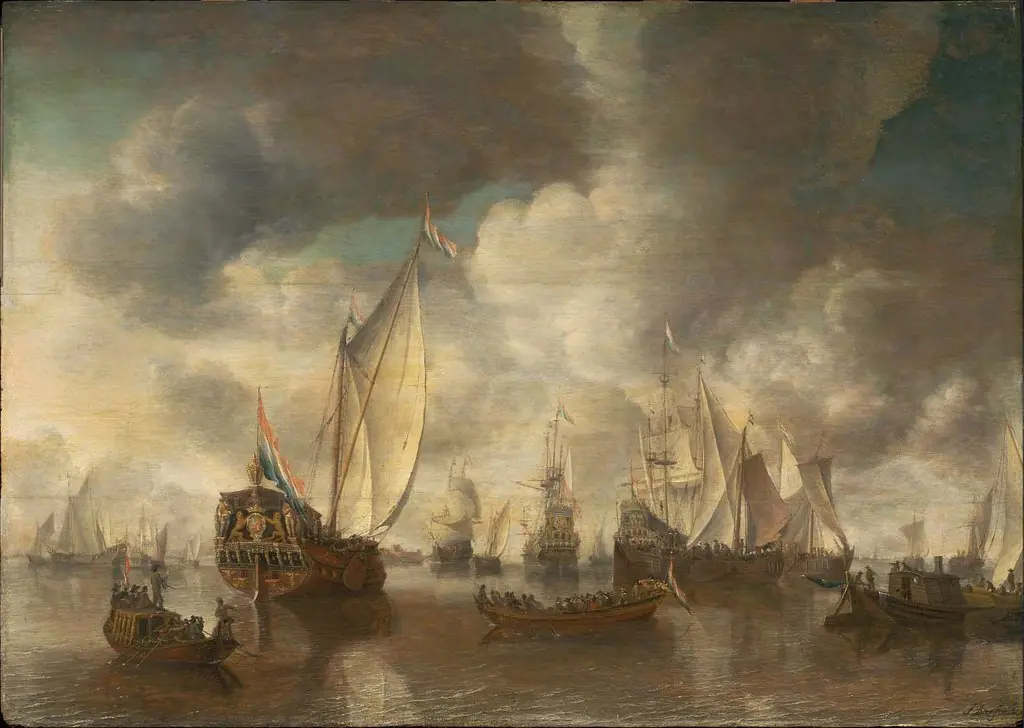 Yacht of the Princes of Orange and Other Ships