Artwork
The Four Seasons
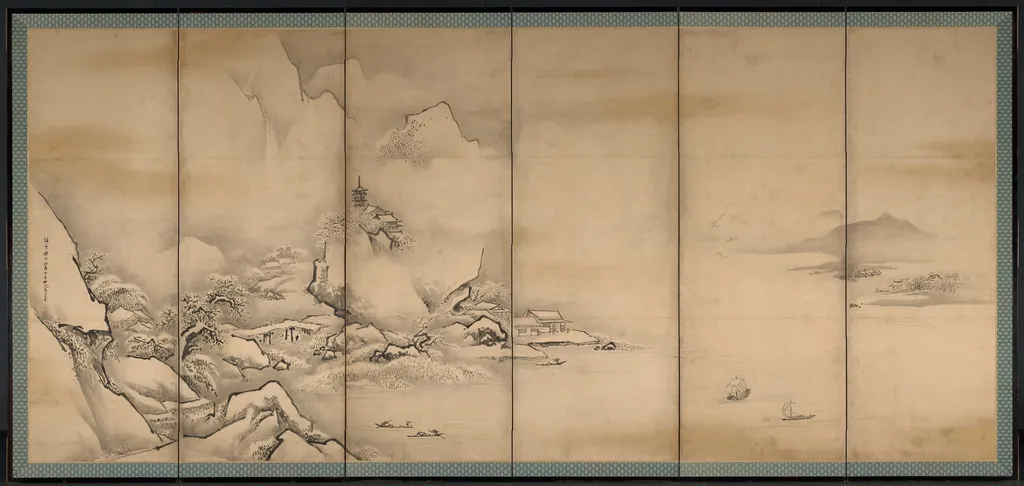
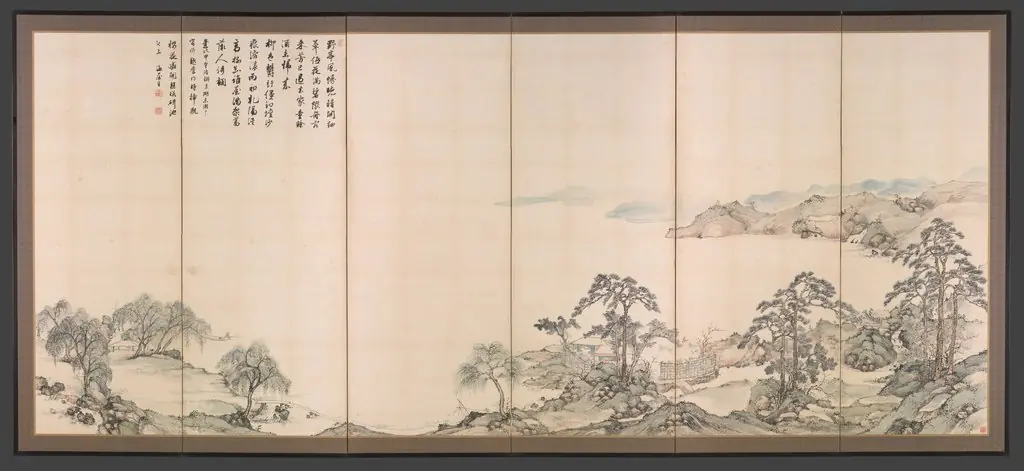
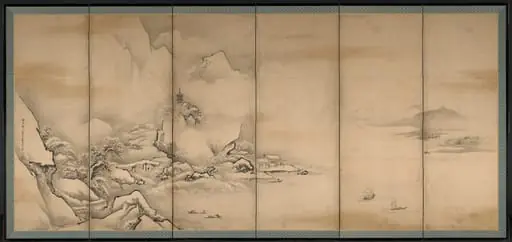
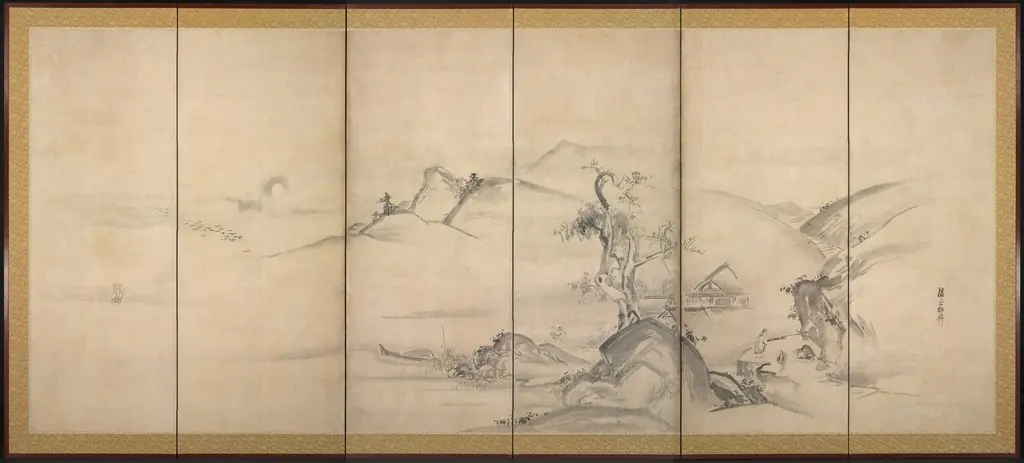
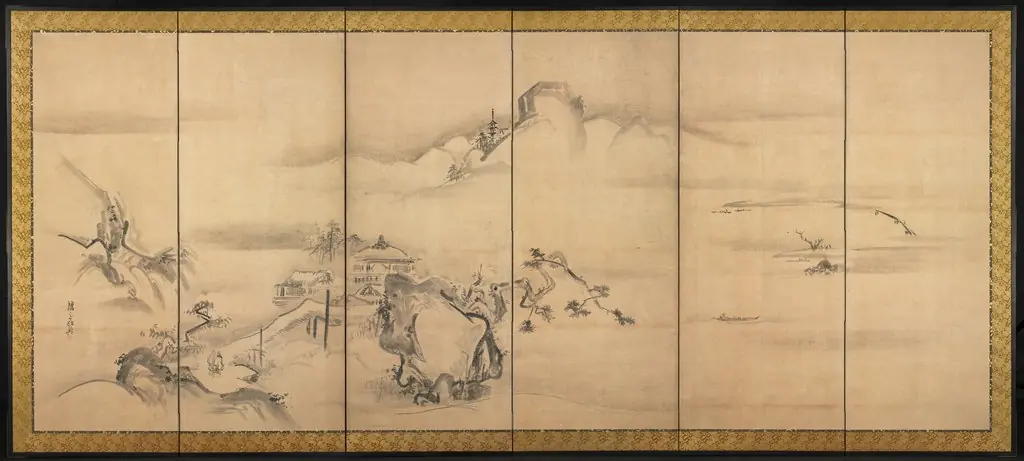
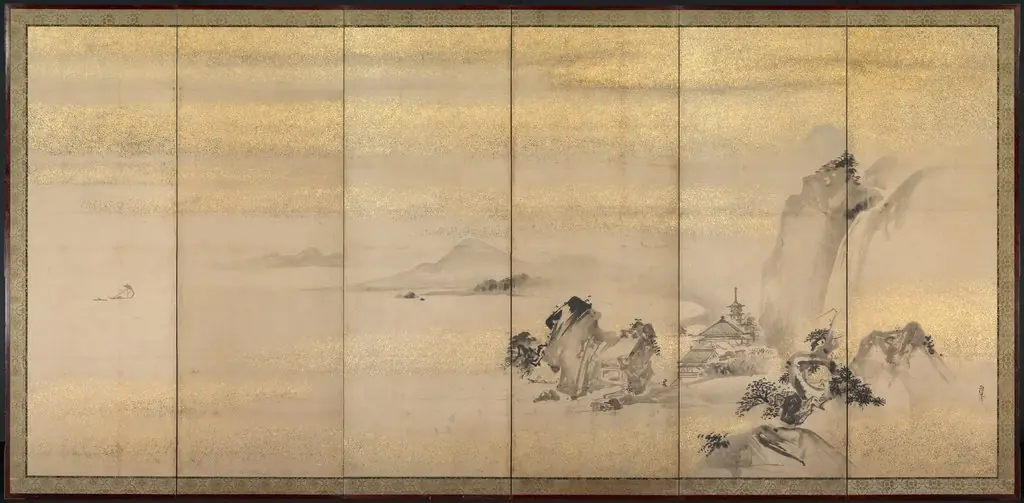
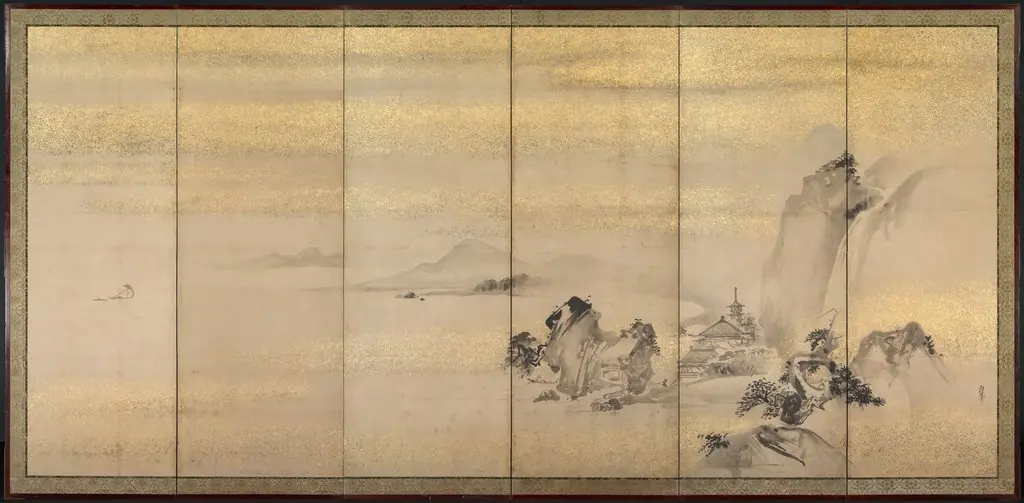
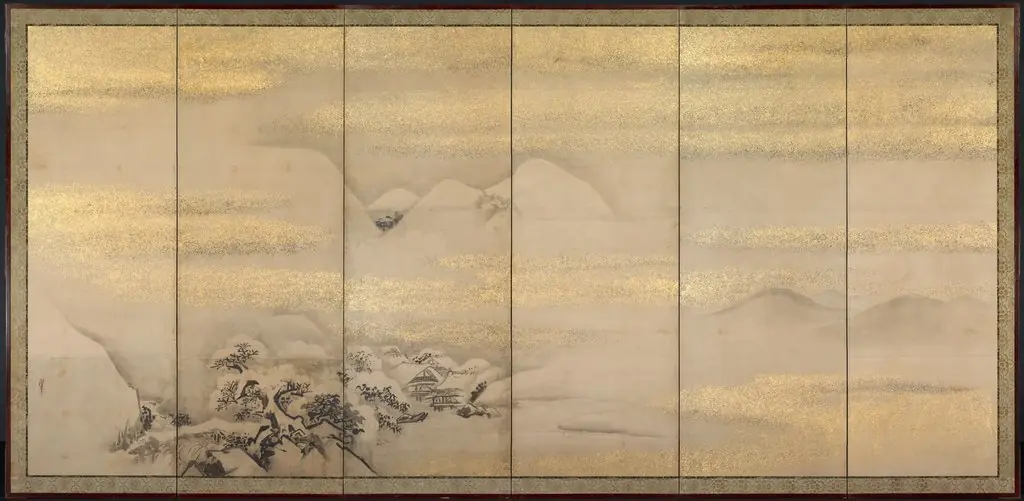
The Four Seasons is an unspecified painting by Unknown. It dates from 1668 and is held in the collection of the Cleveland Museum of Art. This ink-washed landscape depicts a tranquil rural scene, rendered with minimal detail and restrained tones.
About this work
Overview
Rolling hills, sparse vegetation, and a distant temple are suggested rather than defined, emphasizing atmosphere over precision.
This ink-washed landscape depicts a tranquil rural scene, rendered with minimal detail and restrained tones. Rolling hills, sparse vegetation, and a distant temple are suggested rather than defined, emphasizing atmosphere over precision. A winding path guides the viewer’s eye through the composition, while a solitary boat on calm water reinforces stillness. The work invites contemplation through its quietude and deliberate use of negative space.
Subject & Meaning
The scene evokes the passage of time through subtle seasonal cues, though no single season is explicitly named. The muted palette and sparse figures suggest a moment of quiet reflection, possibly aligned with Daoist or Zen ideals of harmony with nature. The temple and path imply human presence within the natural order, not as dominion but as quiet participation.
Technique & Style
The artist employs loose, fluid brushwork to imply form rather than delineate it. Ink washes create soft gradations of gray and brown, with faint blue-green accents defining distant horizons. Water is suggested by minimal strokes, and figures are reduced to tiny, almost abstract marks. The composition relies on emptiness as much as line, a hallmark of literati painting traditions.
History & Provenance
The painting belongs to a series titled 'The Four Seasons,' likely produced in the late Ming or early Qing period. Its style aligns with scholar-artist practices, where personal expression took precedence over commercial appeal. Early records place it in private collections in southern China, later entering institutional holdings in the early 20th century.
Context
Created during a time when literati painters rejected courtly realism, this work reflects a preference for introspective landscapes as vehicles for philosophical thought. Artists of this tradition often drew inspiration from poetry and classical texts, using nature to express inner states. The emphasis on spontaneity and restraint contrasts with the detailed precision of imperial court art.
Legacy
The painting exemplifies a mode of landscape representation that influenced later East Asian ink traditions and early 20th-century modernists seeking alternatives to Western naturalism. Its quiet aesthetic continues to resonate in contemporary discussions of mindfulness and the role of emptiness in visual art, though it remains largely studied within scholarly circles rather than popular display.
Artist & collection

 Domestic Scene
 Giacomo and Cardinal Marco, investing Andrea, Abbot of San Zeno, with his Benefice
 The Nymph of Fontainebleau
 Portrait of a Woman
 Madonna and Child with Saints in the Enclosed Garden
 Venus and Minerva
 Family Group of Four on Sofa
 Wall painting from Room H of the Villa of P. Fannius Synistor at Boscoreale